As a new parent, the sheer number of feeding products on the market can feel overwhelming. From bowls and spoons to cups and cleaning tools, each item serves a purpose, but buying them separately can be both costly and time-consuming. That's where kits and bundles come in—they offer a curated selection of essentials in one convenient package. But with so many options, how do you decide which one gives you the best bang for your buck?
In this comparison, we'll break down the differences between baby feeding kits and bundles, examine what each typically includes, and help you determine which type of purchase aligns with your needs and budget. Whether you're preparing for a new arrival or upgrading your toddler's feeding gear, this guide will simplify your decision.
Understanding Feeding Kits and Bundles
Feeding kits and bundles are both designed to provide a set of feeding essentials, but they often serve different purposes. A kit usually contains a coordinated collection of items that work together to address a specific stage or skill, such as transitioning from bottle to cup or introducing solids. For example, the https://ezpzfunez.com/products/kit-2-learn-to-eat-and-drink-5-pack-be7201a2dab4066c1c67062f-576973Kit 2 - Learn to Eat and Drink (5-Pack) combines a bowl, cup, and utensils to help your little one master self-feeding. These kits are thoughtfully assembled to ensure compatibility and ease of use.
Bundles, on the other hand, are typically a grouping of products that may not be as tightly coordinated but offer a broader range of items at a discounted price. For instance, a bundle might include a mix of bowls, plates, and cleaning accessories, giving you a little bit of everything. While bundles can be great value, they may include items you don't immediately need, so it's essential to consider what you'll actually use.
- Kits are stage-specific and curated for a particular milestone.
- Bundles offer a wider variety but may include less essential items.
What's Included: A Closer Look
To truly compare value, let's examine what you get in a typical kit versus a bundle. Take the Kit 2 - Learn to Eat and Drink as an example. This kit includes a bowl, a cup with a lid, and a set of utensils—everything your baby needs to practice eating and drinking independently. It's a comprehensive solution for the 6-12 month stage, and because the items are designed to work together, you won't have to worry about mismatched sizes or materials.
In contrast, a bundle like the https://ezpzfunez.com/products/first-foods-set-5-pack-e8a786136e07173627cad281-576998First Foods Set (5-Pack) might include a few bowls, a spoon, and a placemat, offering more pieces but less coordination. While this can be excellent for parents who want a variety of options, it may also mean you end up with duplicates or items that don't fit your preferred feeding style. The key is to assess whether the bundle's contents align with your child's current needs.
- Kit 2 - Learn to Eat and Drink includes a bowl, cup, and utensils.
- First Foods Set (5-Pack) offers multiple bowls and a spoon, but less coordination.
Cost-Effectiveness: Kits vs Bundles
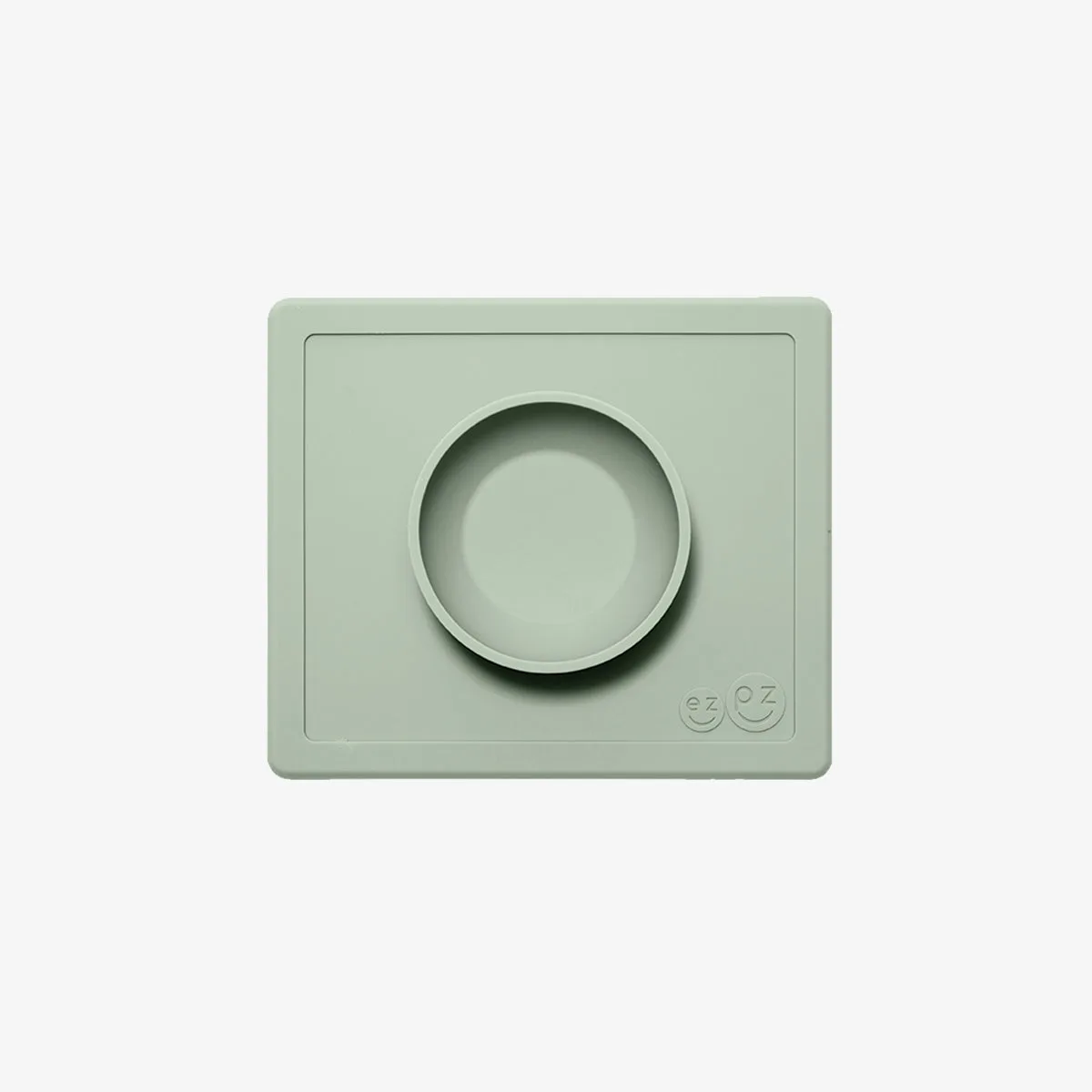
When it comes to cost, bundles often appear more economical because they pack more items into a single price. However, the real value depends on how many pieces you'll actually use. A kit like the Baby-LedTM Tiny Spoons (5-Pack) might seem small, but if those spoons are the perfect size for your baby's hands and you use them daily, the cost per use is low. Similarly, the Happy Bowl (5-Pack) gives you multiple bowls that can be used for years, making it a long-term investment.
On the other hand, a bundle that includes a variety of items you may not need could end up being more expensive in the long run if you have to supplement with additional purchases. To determine the best value, calculate the cost per essential item and consider how long you'll use each piece. For many parents, a well-designed kit that targets a specific stage offers better value than a generic bundle with extra fluff.
- Calculate cost per item to assess true value.
- Consider longevity: will you use the items for months or years?
Versatility and Longevity
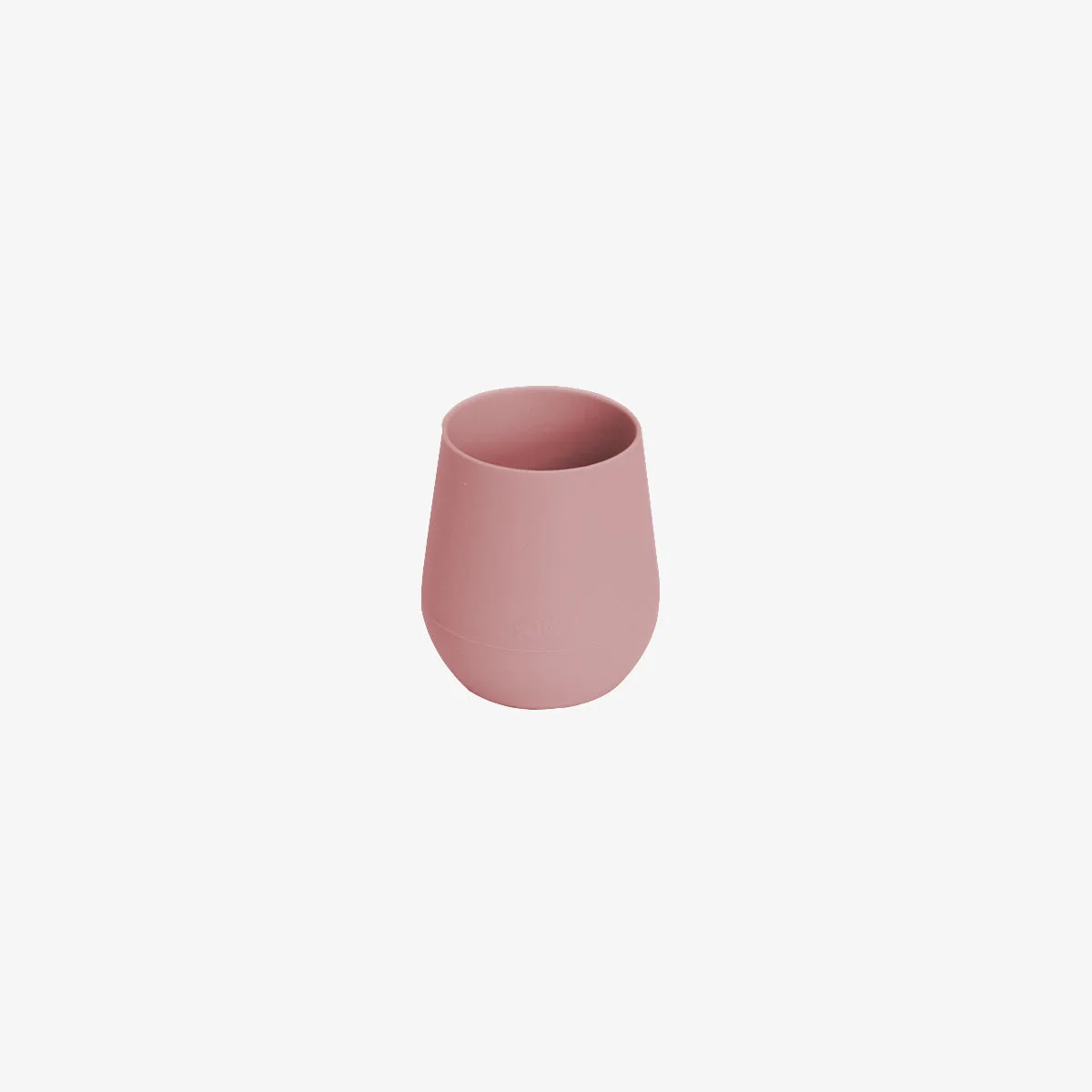
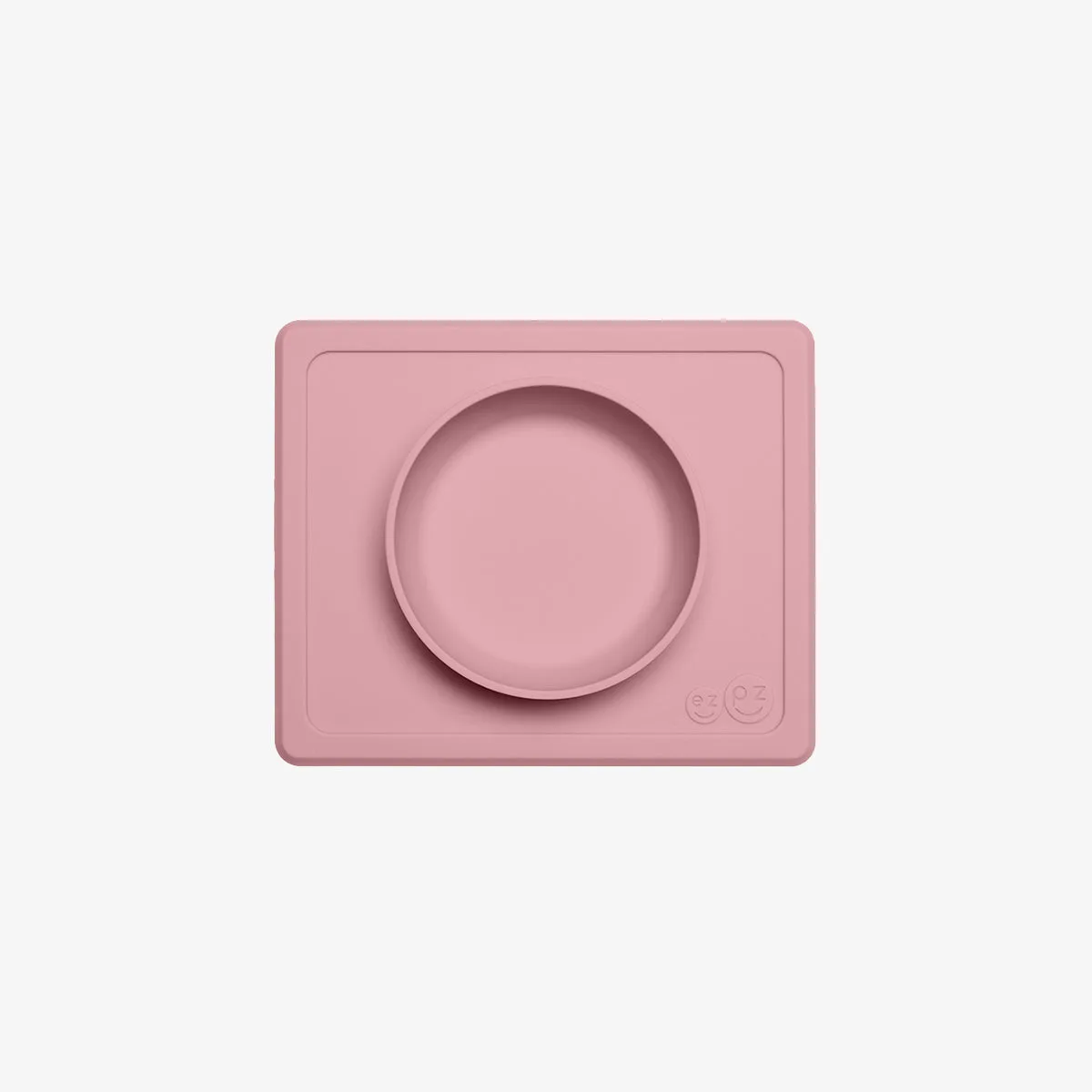
Another factor to consider is how long the products will remain useful. Kits like the Kit 2 - Learn to Eat and Drink are designed for a specific developmental stage, which means your child may outgrow them relatively quickly. However, some kits, such as those with adjustable features or timeless designs, can be used for multiple stages. For example, the Mini Bowl is a versatile option that works for babies and toddlers alike, making it a smart addition to any kit or bundle.
Bundles often include a mix of products that can extend their usefulness. For instance, a bundle with cleaning tools like the Mushroom Sponge can be used throughout your child's feeding journey and even beyond. When comparing options, think about the lifespan of each item. A bundle that includes both short-term and long-term products may offer better overall value than a kit that becomes obsolete in a few months.
- Look for products that grow with your child, like the Mini Bowl.
- Include durable accessories like the Mushroom Sponge for extended use.
How to Choose the Right Option for Your Family
Ultimately, the decision between a kit and a bundle comes down to your family's specific needs. If you're looking for a structured approach to a particular milestone, a kit like the Kit 2 - Learn to Eat and Drink is an excellent choice. It provides all the essentials in one go, eliminating guesswork. On the other hand, if you prefer to have a variety of options and don't mind curating your own set, a bundle might be more appealing.
Consider your budget, the age of your child, and your feeding philosophy. For example, if you're committed to baby-led weaning, you might prefer a kit that includes open cups and spoons, such as the 14oz Cup + Lid, which is perfect for older babies. If you're just starting out, a bundle with multiple bowls and utensils can give you the flexibility to experiment and find what works best.
- Assess your child's age and developmental stage.
- Align your choice with your feeding approach (e.g., baby-led weaning).
When comparing baby feeding kits and bundles, the best value isn't just about price—it's about how well the products meet your needs and support your child's development. Kits offer targeted, coordinated solutions, while bundles provide variety and potential savings. By evaluating the contents, cost per use, and longevity, you can make an informed decision that benefits both your wallet and your little one. Explore our range of kits and bundles to find the perfect fit for your family.