Quick answer
If your baby is fighting the swaddle, first check for the three most common causes: overtiredness, a swaddle that's too tight or too loose, or a startle reflex that's already fading. Fix the timing and technique first. If your baby consistently breaks out or seems to hate being swaddled, switch to an arms-out swaddle or stop swaddling altogether.
Why your baby fights the swaddle: common causes
A baby who fights the swaddle is usually communicating something specific. The most frequent cause is timing: a baby who is already overtired or overstimulated will resist being still, even if swaddling normally calms them. Try swaddling earlier in the drowsy window, before fussiness escalates.
The second common cause is fit. A swaddle that's too tight around the chest or hips restricts movement and can cause discomfort. One that's too loose lets the baby work an arm free, which often leads to a full escape and a frustrated baby. The swaddle should be snug across the chest but allow room for hips and legs to move.
The third cause is developmental. Around 3 to 4 months, many babies begin to roll and their startle reflex fades. At that point, being swaddled can feel restrictive rather than calming, and the baby may fight it because they're ready for more freedom.
- Overtiredness: swaddle before the first yawn or eye rub, not after crying starts.
- Too tight: check that you can slide two fingers between the swaddle and your baby's chest.
- Too loose: loose fabric lets arms escape and creates a suffocation risk if it comes unwrapped.
- Developmental readiness: rolling or a fading startle reflex means it's time to transition.
How to fix swaddle escape and resistance
If your baby breaks out of the swaddle, the fix is usually in the technique, not the baby. Use a large, breathable blanket or a dedicated swaddle with secure closure. A 47" x 47" blanket gives you enough fabric to wrap securely without over-bunching. Start with arms down, wrap one side across the chest, tuck the excess, then wrap the other side. Keep the wrap snug but not tight.
If your baby hates being swaddled even when the wrap is correct, try a arms-out swaddle: leave one or both arms free while still wrapping the torso. This can satisfy the need for movement while keeping the startle reflex in check. Some babies prefer a sleep sack or wearable blanket from the start.
For babies who consistently escape, check the blanket material. A smooth, slippery fabric can make it harder to keep the wrap secure. Muslin or bamboo blends with a bit of texture often hold better. If your baby is rolling, stop swaddling immediately and move to an arms-out sleep sack.
- Use a blanket large enough to wrap securely without excess fabric near the face.
- Try one arm out for a few nights before going fully arms-out.
- If your baby rolls, stop swaddling and switch to a sleep sack right away.
When to stop swaddling and what to do next
Stop swaddling as soon as your baby shows signs of rolling, usually between 3 and 4 months. A swaddled baby who rolls onto their stomach cannot push up or turn back, which increases the risk of suffocation. This is a hard stop, not a gradual transition.
If your baby is not rolling but fights the swaddle every night, you can transition earlier. Start with arms-out swaddling, then move to a sleep sack. Expect a few disrupted nights; this is normal. Keep the rest of the bedtime routine consistent so the only change is the swaddle.
If your baby continues to fight the swaddle and nothing helps, talk to your pediatrician. In rare cases, discomfort from reflux, eczema, or an illness can make a baby resist being wrapped. Your pediatrician can help you rule out medical causes.
- Rolling = stop swaddling immediately.
- Frequent escape or distress = try arms-out swaddle, then sleep sack.
- No improvement after trying these fixes = check with your pediatrician.
Swaddle problem diagnosis
- Symptom: Baby cries and squirms as soon as you start wrapping: Likely cause: overtiredness or overstimulation. Try swaddling earlier in the drowsy window, before fussiness begins, and keep the room calm and dim. If this works, stick with the earlier timing.
- Symptom: Baby consistently breaks an arm free or fully escapes: Likely cause: swaddle too loose or blanket too small. Use a larger blanket and a snugger wrap across the chest. If escape continues, try an arms-out swaddle. If escape continues after two nights, switch to arms-out.
- Symptom: Baby seems to hate being swaddled and cries until arms are free: Likely cause: developmental readiness or sensory preference. Try arms-out swaddling or a sleep sack. If your baby is rolling, stop swaddling immediately. Rolling is a hard stop for swaddling.
Swaddles that can help with escape and comfort
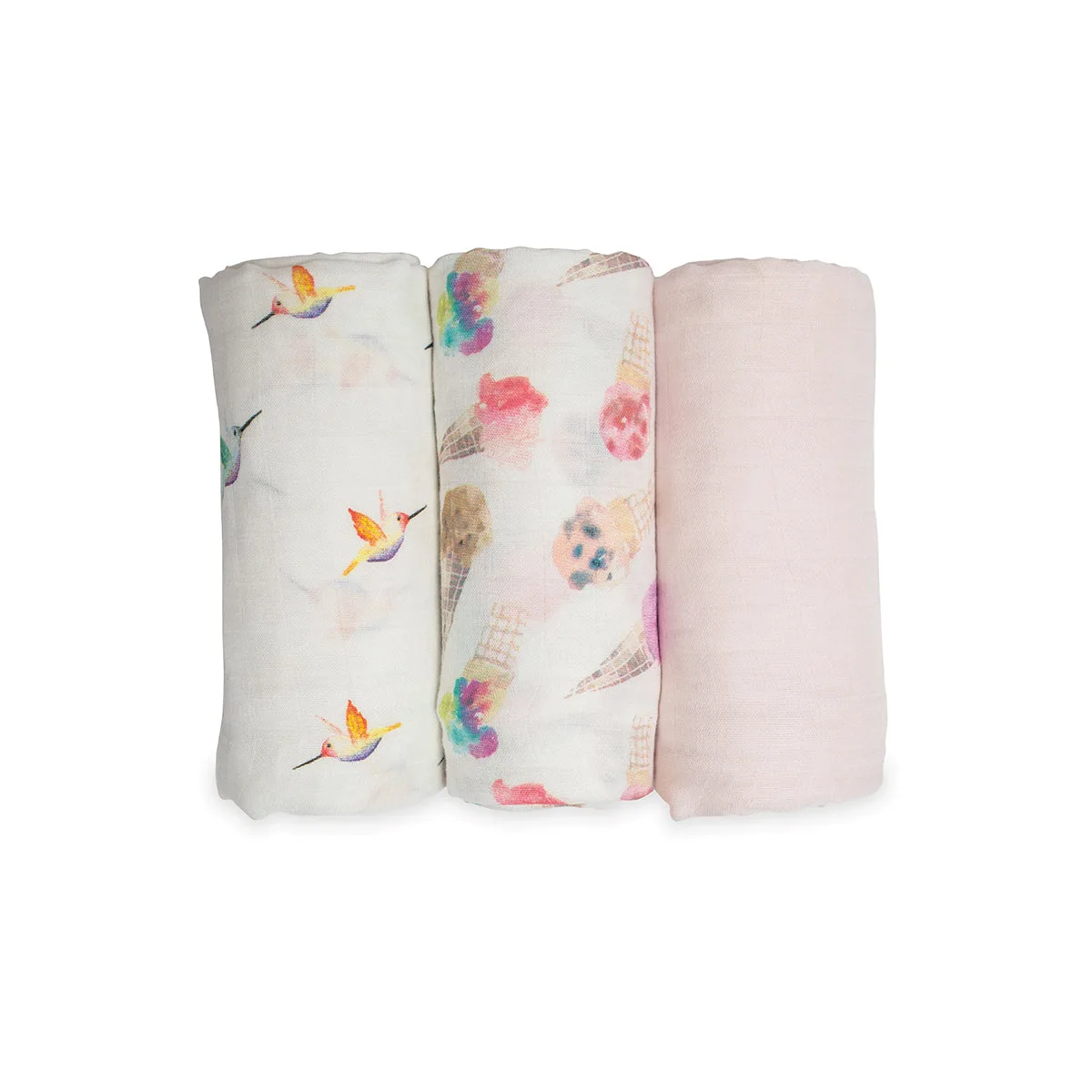
- Bamboo Muslin Swaddle: Bamboo Muslin Swaddle is an extra-large 47" x 47" blanket made from 70% bamboo viscose and 30% cotton, lightweight and breathable. The generous size gives you enough fabric to wrap securely, which can reduce escape, and the breathable blend helps prevent overheating for babies who fight the swaddle because they're too warm.
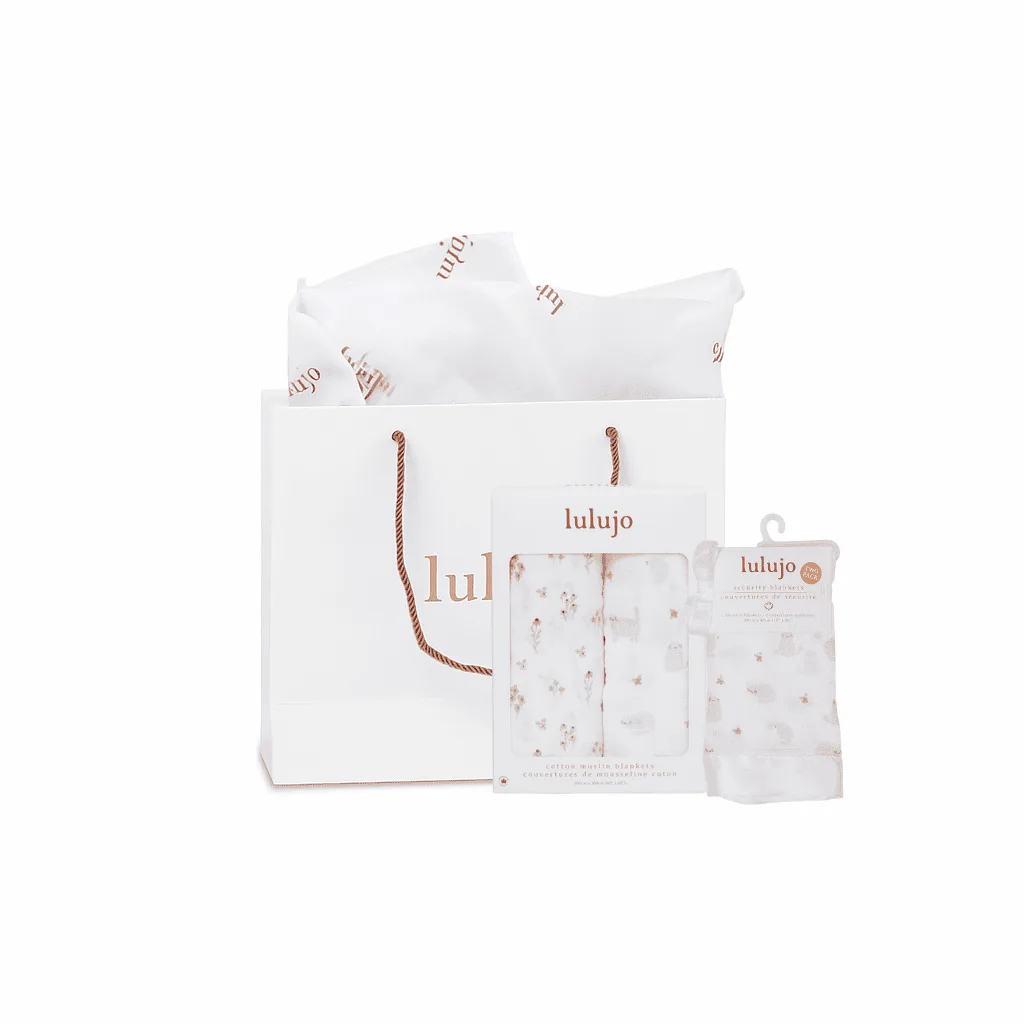
- Kitty Cat Gift Bundle: Kitty Cat Gift Bundle includes a 2-pack of Kitty Cat & Flower Fields swaddle blankets. Having two swaddles means you always have a clean one ready, which is practical if your baby frequently breaks out or spits up during the night.