Quick Answer
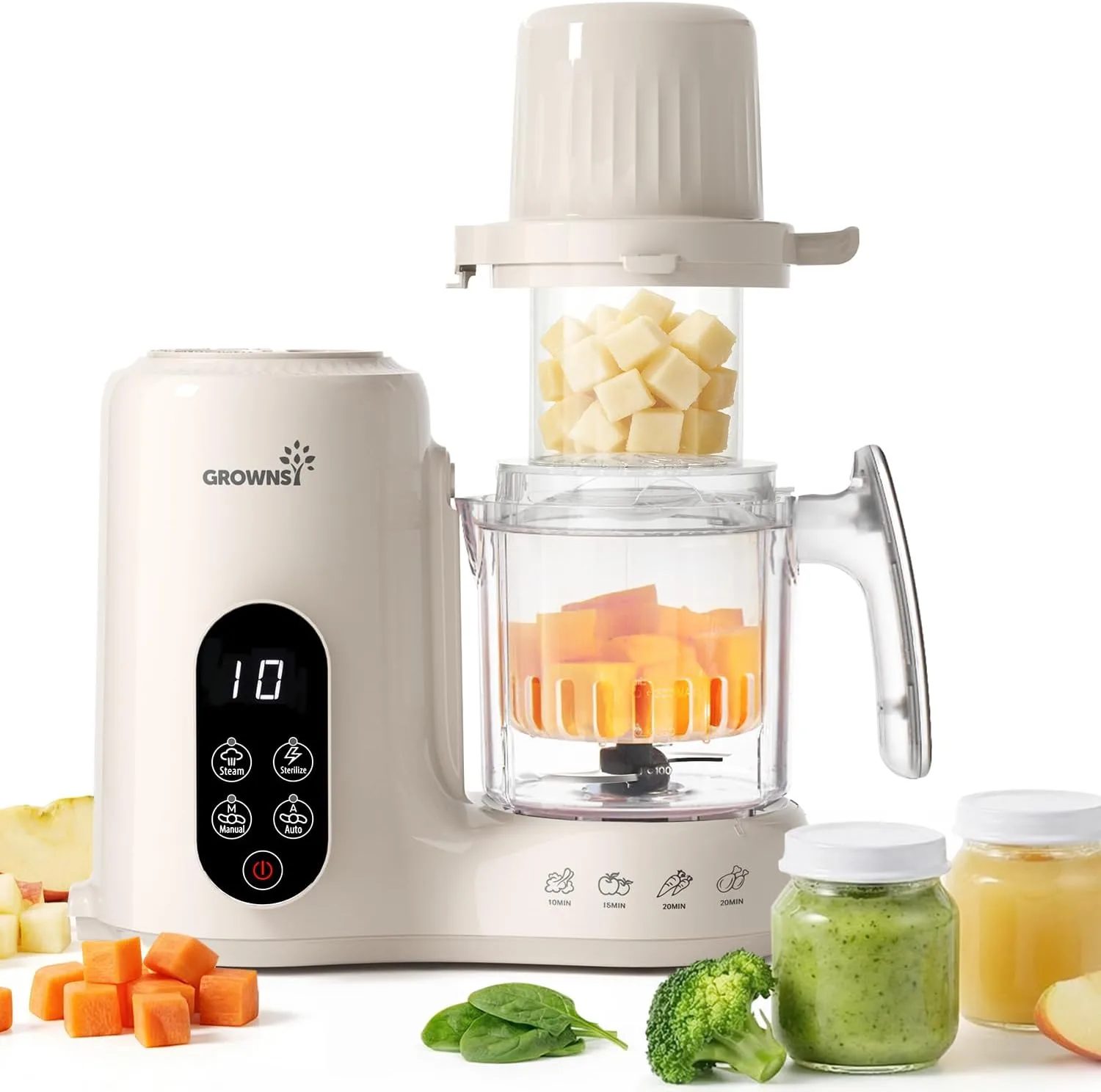
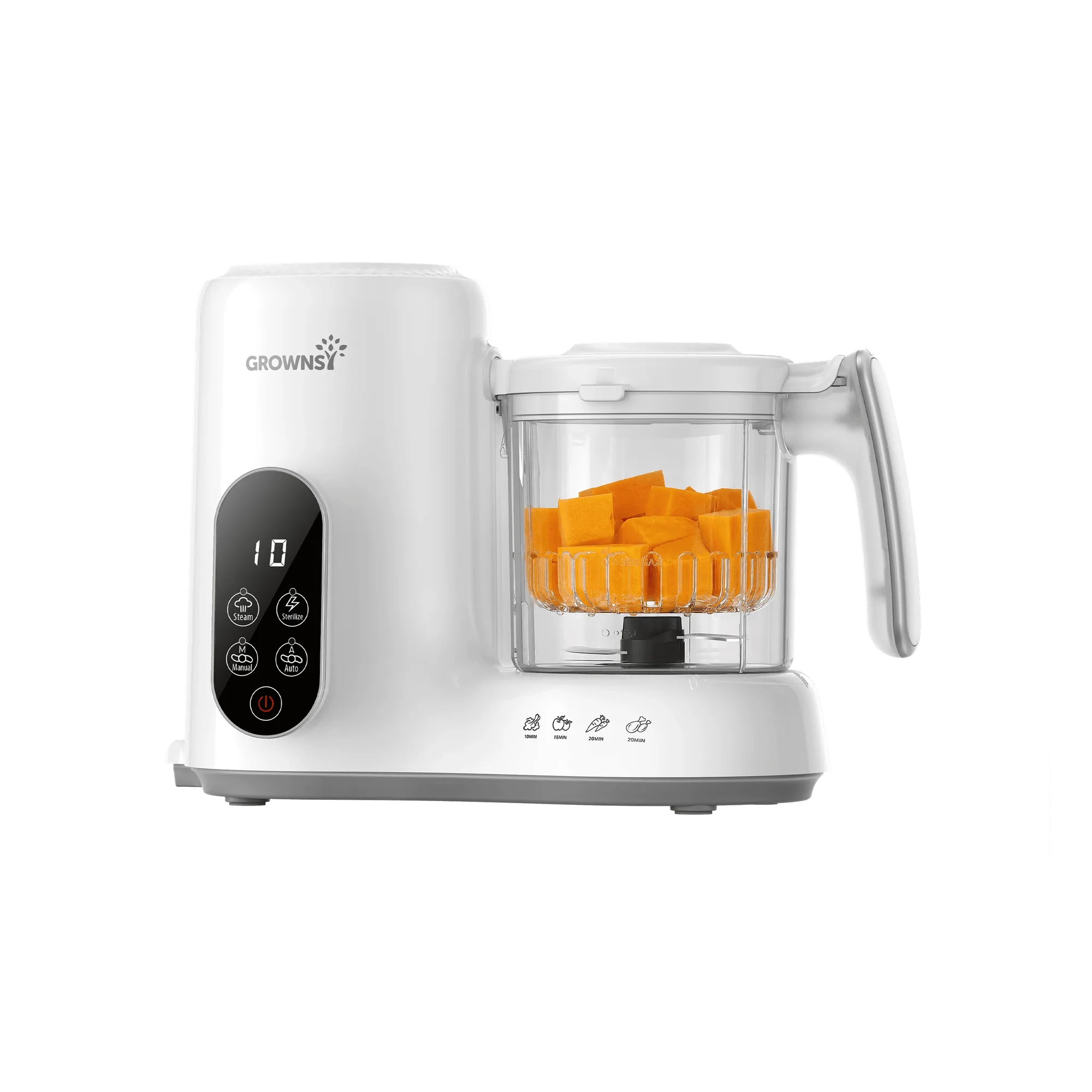
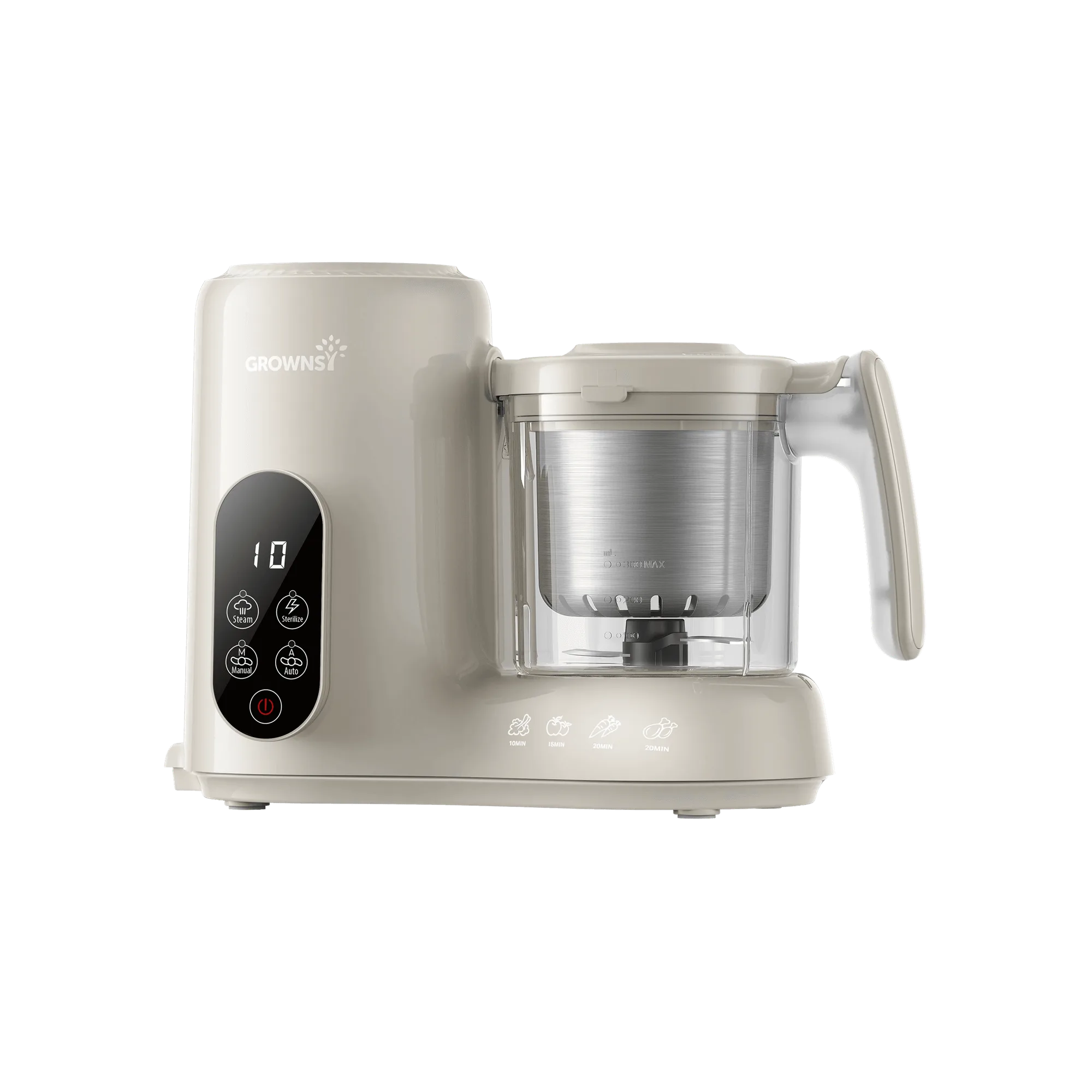
Buy a steam-and-blend baby food maker if you want one countertop appliance that cooks and purees in the same container, because it cuts steps, cleanup, and the number of dishes you wash each day. Choose a separate steamer plus blender if you already own a good blender and mostly batch-cook once or twice a week. For beginners, prioritize a simple dial or one-touch program, a removable blade, and parts that are dishwasher-safe or rinse clean in under a minute.
Match the Machine to Your Feeding Stage
The right baby food maker depends on how far along you are. In the first weeks of solids, you need small batches of very smooth puree, so a steam-and-blend unit with a small bowl and a pulse function is easier than a full-size blender. As your baby moves to thicker textures and finger foods, you will puree less and mash more, and a machine with only one texture setting becomes limiting. If you plan to cook once and freeze portions, look for a bowl that holds at least a few cups so you are not running the appliance three times for one meal.
Steam-and-Blend vs. Separate Appliances
A steam-and-blend baby food maker cooks food with steam, then blends it in the same jug. That single-container design is the main reason parents choose it: fewer pots, less transfer, and no scorching on a stovetop. The trade-off is capacity and versatility. Separate appliances usually give you a larger steamer basket and a blender you can keep using for family meals long after purees end, but you wash two machines and manage two timers. If your kitchen is small or you cook small portions daily, the all-in-one wins. If you already own a high-powered blender and a pot with a steamer insert, you can skip the purchase entirely and spend the money on freezer trays instead.
When to Start Baby Purees
Most babies are ready for purees around 6 months, but readiness signs matter more than the calendar: steady head control, sitting with support, and showing interest in food while pushing less with the tongue. Start with single-ingredient purees and wait a few days between new foods so you can spot reactions. Your machine should make that easy, which means small batches, a smooth setting, and a bowl you can clean thoroughly between different ingredients. If your baby is not showing readiness signs, buying a food maker early is fine, but keep it stored until you actually need it.
Features That Earn Their Counter Space
Look for a removable blade assembly, because food trapped under a fixed blade is the most common reason these machines get abandoned. A clear water reservoir you can fill without removing the jug saves daily effort. Auto shut-off and a steam timer prevent overcooking, which matters because overcooked vegetables lose texture and taste. Dishwasher-safe parts are convenient, but check the manual: many manufacturers recommend hand-washing the motor base and only the jug and blade go in the dishwasher. Cord length and a stable non-slip base matter more than you expect if you puree while holding a baby on your hip.
Cleaning and Maintenance That Keep It Usable
Cleaning is where baby food makers succeed or fail in real life. Rinse the jug and blade immediately after use, before residue dries, then wash with warm soapy water and a bottle brush that reaches the corners. If your machine has a steam cycle, run a plain water cycle weekly to loosen buildup in the reservoir. Descale with a vinegar-and-water solution monthly if you have hard water, following the manual's ratio. Never submerge the motor base, and let all parts air-dry fully before reassembling so moisture does not sit in the blade housing.
Safety and Storage Basics
Always test puree temperature before feeding, and cool batches quickly before refrigerating. Store purees in shallow containers so they chill fast, use them within a short window, and freeze extra portions in ice-cube trays for single servings. Thaw in the refrigerator or a warm water bath, not on the counter. Keep raw meat and produce separate during prep, and wash the jug between savory and fruit batches to avoid flavor transfer. If your baby has feeding difficulties or reflux, ask your pediatrician before changing textures.
Decision Rules for Choosing a Baby Food Maker
- If you cook small portions daily: Choose a steam-and-blend machine with a compact jug and a pulse setting so you can make one serving without hauling out a full blender. One container, one wash.
- If you already own a powerful blender: Skip the all-in-one and buy a stovetop steamer basket plus freezer trays instead; you will save counter space and money. Do not duplicate tools you use.
- If cleanup is your main worry: Prioritize a removable blade, a wide jug opening, and parts the manual says are dishwasher-safe; avoid models with narrow necks or fixed blades. If it is hard to clean, it will sit unused.
- If you plan to batch-cook weekly: Pick a larger capacity and confirm the steam time is adjustable, then freeze in single-serving cubes for the week. Capacity beats extra features.
- If your baby is just starting solids: Favor simple controls and a smooth puree setting over preset recipe programs you will not use yet. Start simple, upgrade only if needed.
Baby Care Products That Support the Feeding Routine
- SniffEase IPX7 5-Level Infant Nose Suction with Auto-Clean: SniffEase IPX7 5-Level Infant Nose Suction with Auto-Clean offers gentle 5-level suction, colorful/white LED lights, 6 calming lullabies, and a waterproof IPX7 design with auto-purge hygiene technology. A stuffy nose can make feeding and sleeping harder, so having gentle, adjustable suction and easy-clean hygiene on hand supports the same daily routine you are building around solids.
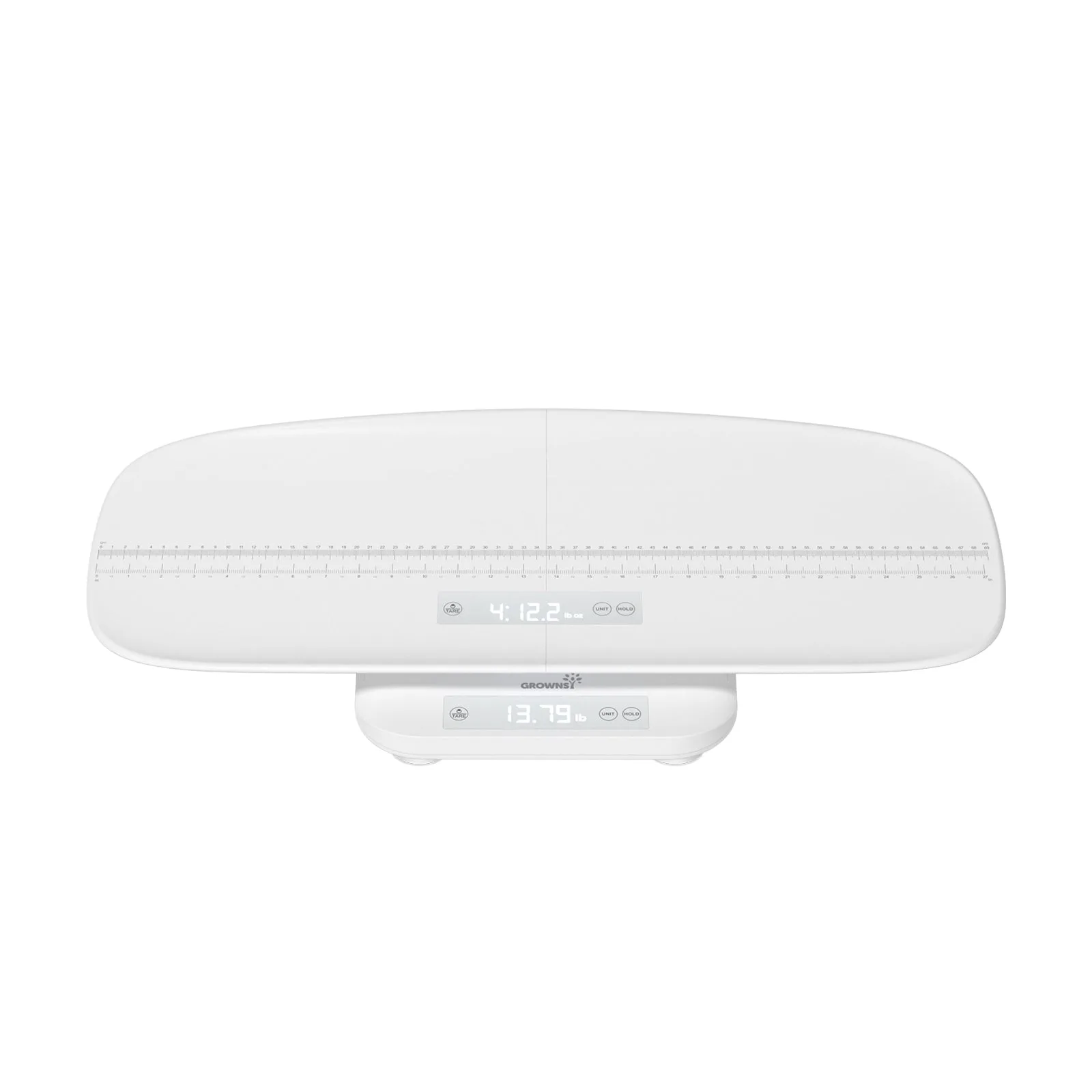
- Electronic Infant Scale with Height Measurement: Electronic Infant Scale with Height Measurement uses a high-precision sensor and smart chip, supports five units (lb: oz, oz, lb, g, kg), handles up to 330 lbs, and includes a 27-inch height platform with non-slip design and a hold function. Tracking weight and height at home gives you concrete data to share at checkups, which is useful when you are introducing purees and want to confirm steady growth.
Who Should Buy a Baby Food Maker
Best for
- Parents who want to steam and puree in one container with minimal cleanup
- Beginners starting purees around 6 months who need small, smooth batches
- Caregivers who batch-cook and freeze portions for the week
Not for
- Households that already own a steamer and a high-powered blender
- Parents who plan to feed mostly store-bought purees or baby-led weaning finger foods
- Anyone without counter space or patience for regular descaling and blade cleaning