Quick Answer
Judge a limited edition statue by four things: a stated edition size, a finish that matches the character, packaging that protects the piece, and a price you can justify against the run. If any of those is missing or vague, treat it as a display piece rather than an investment. For a benchmark, the Batman: Champion of Gotham City Statue — Relic Edition states a 300-piece run and an antiquing wash, which is exactly the kind of specific detail a serious limited edition should disclose.
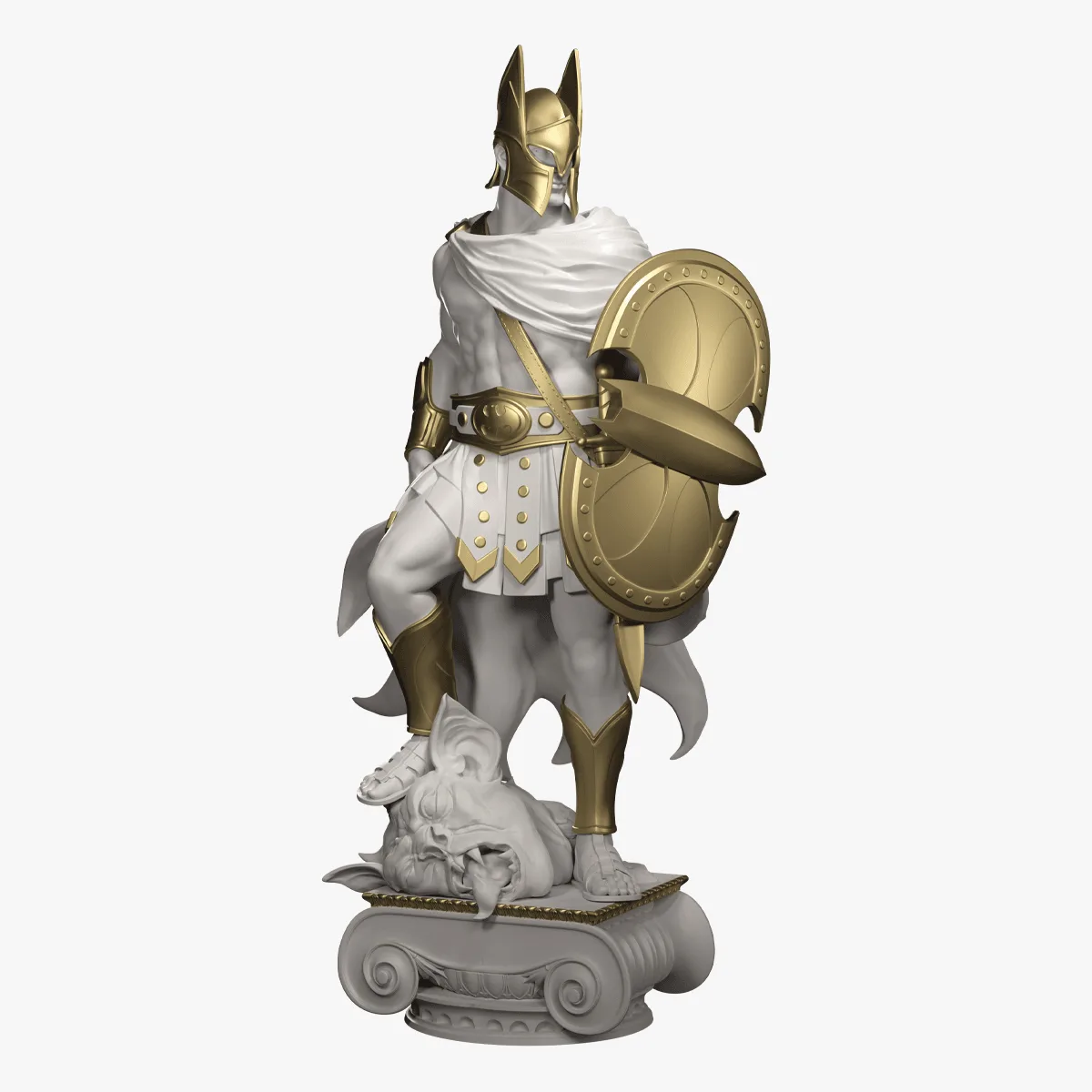
Batman: Champion of Gotham City Statue
Edition Size Is the First Filter
A limited edition statue is only as meaningful as the number attached to it. A stated run of 300 pieces tells you the supply is finite and gives you a reason to decide now rather than later. An unnumbered or vaguely described run tells you almost nothing, because the manufacturer can keep producing. When a listing gives a hard number, that number is your main signal. When it does not, assume the piece is decorative, not scarce.
- Look for a specific production count, not words like limited or exclusive alone.
- Check whether the number applies to the variant or the whole sculpt.
- A lower number is not automatically better if the finish or scale does not suit your display.
Finish, Scale, and Display Quality
Display quality comes down to how the statue reads from where you will actually put it. A patina or antiquing wash can hide minor surface inconsistencies and give a piece a vintage, sculptural look, but it can also mute fine paint detail. A clean, high-contrast paint job shows detail better up close but exposes flaws. Neither is better in the abstract; match the finish to the character and to your lighting. Also confirm the material and approximate height before buying, because polyresin and vinyl behave differently on a shelf and under direct sun.
- Antiqued or washed finishes suit classical, weathered, or dramatic poses.
- Bright, saturated finishes suit modern or comic-accurate looks.
- Measure your shelf or case before buying; a 5-inch figure and a full statue need different space.
Authenticity and Packaging
Authenticity is mostly about documentation and packaging. A window box, a foil sticker, or a stated convention exclusivity are concrete markers you can verify. Loose statues with no box are harder to resell and easier to fake, so factor that into what you are willing to pay. If a listing does not state the packaging or any authenticity marker, ask before you buy. A missing box is not a dealbreaker for a personal display piece, but it should lower your price ceiling.
- Prefer sealed or original packaging when the edition is small.
- Convention or event exclusives often carry a sticker or label; keep it intact.
- No packaging and no documentation means buy it as a display piece, not as a collectible asset.
Price Versus Run Size
A limited run justifies a premium only when the piece is also well made and well documented. Compare the asking price against the stated edition size and the finish quality. A 300-piece statue with a distinctive treatment can reasonably cost more than an open-run figure. An open-run or unnumbered piece at the same price is harder to defend. If the price is discounted from a higher comparison price, check that the discount reflects the actual market rather than an inflated original figure.
- Small run plus distinctive finish equals a stronger case for a premium.
- Large or unstated run plus basic finish equals a display purchase.
- A discount is only meaningful if the comparison price is realistic.
Decision Rules for Limited Edition Statues
- If the edition size is not stated: Treat the piece as an open-run display item and cap your budget accordingly. No number, no premium.
- If the run is 300 or fewer and the finish is distinctive: A small run with a specific treatment, such as an antiquing wash, is the strongest case for buying now rather than waiting. Small run plus specific finish equals buy.
- If packaging or authenticity markers are missing: Buy it only if you want it on a shelf, and negotiate as if resale value is zero. No box, no resale story.
- If the price is discounted from a high comparison price: Check the realistic market for that run before assuming the discount is real. Verify the comparison price, not just the discount.
Catalog Examples
- Batman: Champion of Gotham City Statue — Relic Edition: The Relic Edition of the Batman: Champion of Gotham City Statue features an antiquing wash treatment that produces a vintage patina and is limited to only 300 pieces. This is a textbook example of a stated edition size plus a finish that changes how the piece reads, which is exactly what a limited edition buyer should look for.
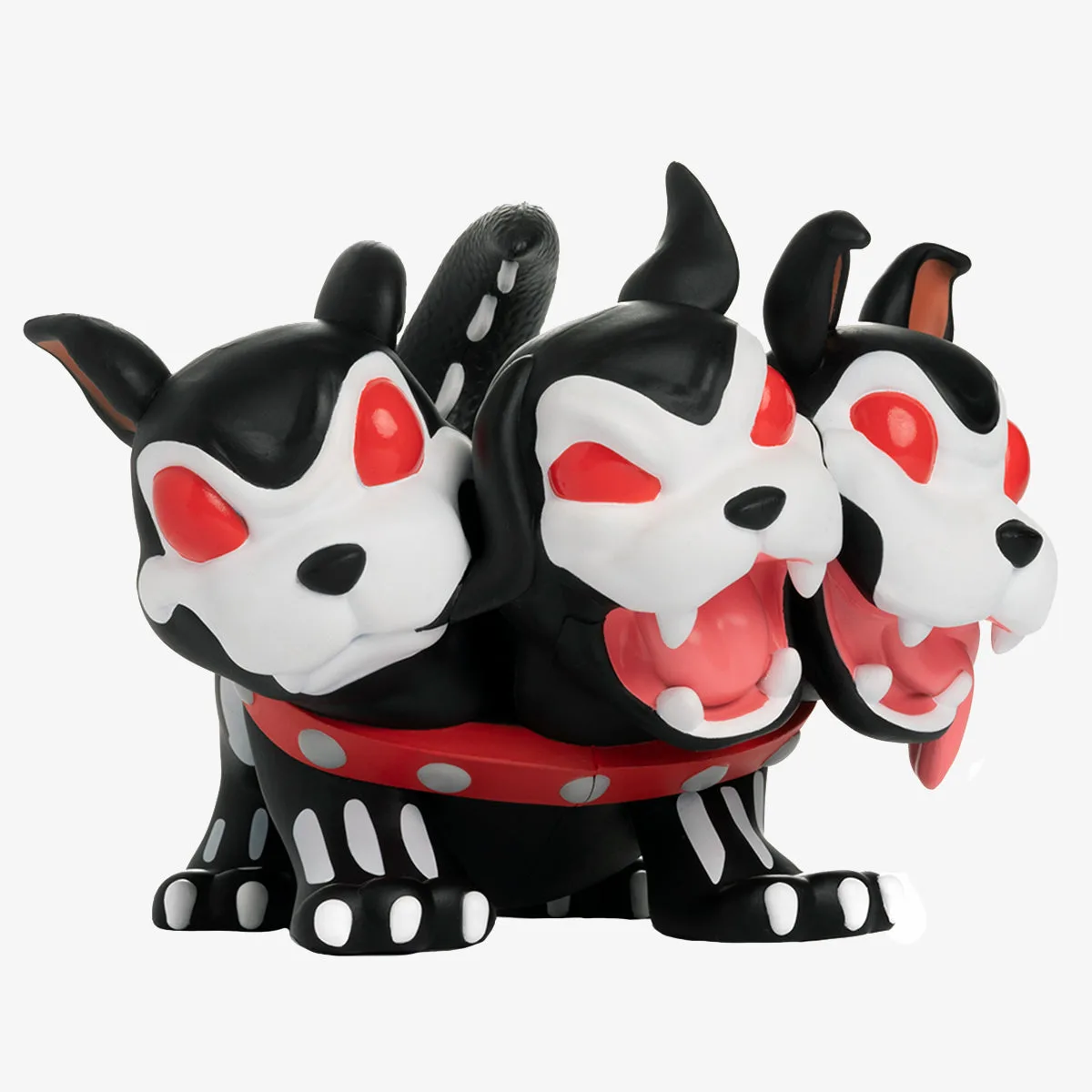
- Cryptkins Unleashed: Damnation Vinyl Figure (LACC Exclusive): The Cryptkins Unleashed: Damnation vinyl figure is an LACC exclusive variant of Cerberus, limited to 300 pieces, packaged in a window box with a foil Exclusive Species sticker. It shows how packaging and an event-exclusive label can carry as much collectible weight as the sculpt itself, and it was originally tied to an in-person convention window.
- DC Deck-Building Game: Super-Villains Playmat (Kickstarter Exclusive): The DC Deck-Building Game: Super-Villains Playmat is a Kickstarter Exclusive measuring 28 by 16 inches and designed to work with any DC Deck-Building Game product. Not every limited collectible is a statue; a flat, functional exclusive can be a lower-risk way to own a small-run item if display space is tight.
Who Should Buy a Limited Edition Statue
Best for
- Collectors who display pieces in a case or shelf and value a stated small run.
- Fans of a specific character or artist who want a finish that matches a particular look.
- Buyers who keep original packaging and documentation for future resale.
Not for
- Buyers who want to handle the piece freely without worrying about paint or packaging.
- Shoppers looking for an open-run toy to open and play with.
- Anyone who needs a guaranteed return rather than a display collectible.