Quick answer
For sensitive tummies, look for a partially hydrolyzed or gentle formula with easily digestible proteins and no added sugars or artificial ingredients.
Why some formulas are gentler than others
Standard infant formulas contain intact cow’s milk proteins that can be harder for some babies to digest. Gentle formulas use partially broken-down proteins (partially hydrolyzed) to reduce the workload on a baby’s immature digestive system. They also often have a lower lactose content or include probiotics to support gut health.
However, gentle does not mean hypoallergenic. If your baby has a diagnosed milk protein allergy, you need a fully hydrolyzed or amino acid-based formula prescribed by a doctor. Gentle formulas are for mild sensitivity, not allergies.
Key ingredients to look for
When choosing a baby formula for sensitive tummies, check the label for: partially hydrolyzed proteins (often listed as 'gentle' or 'comfort'), prebiotics or probiotics (like GOS or B. lactis), and DHA for brain development. Avoid formulas with added corn syrup solids or artificial flavors, as these can upset a sensitive stomach further.
Ready-to-feed options like HiPP Organic Infant Milk can be a good choice because they are premixed and sterile, reducing the risk of contamination that can cause digestive issues. They also contain DHA (omega-3) for development.
Preparation matters
Even the gentlest formula can cause discomfort if not prepared correctly. Always follow the manufacturer’s instructions for water-to-powder ratio and water temperature. Over-concentrated formula can stress a baby’s kidneys and cause gas or constipation. Use fresh, cooled boiled water for powdered formulas, and never reheat bottles in the microwave.
For ready-to-feed options, simply pour the required amount into a sterilized bottle and warm gently (if desired). No mixing is needed, which reduces the chance of errors.
Decision rules for choosing a gentle formula
- Check the protein source: Look for partially hydrolyzed (gentle) proteins if your baby has mild gas or fussiness. Avoid if your baby has a confirmed milk allergy. If symptoms persist after 2 weeks, consult a pediatrician.
- Consider the preparation type: Ready-to-feed formulas like HiPP Organic Infant Milk are sterile and pre-mixed, reducing contamination and mixing errors.
- Look for added digestive aids: Formulas with prebiotics or probiotics can support a healthy gut microbiome and ease digestion. Probiotics are not a substitute for medical advice if symptoms are severe.
- Choose a trusted brand: Select a reputable brand that meets FDA or equivalent safety standards. Organic options may reduce exposure to pesticides.
Product fact
-
Infant Milk 200ml: HiPP Organic ready to feed infant formula is premade for easy feeds while you’re on the go, nutritionally complete, and contains omega 3 (DHA). The ready-to-feed format eliminates mixing errors that can upset sensitive tummies, and the DHA supports brain development.
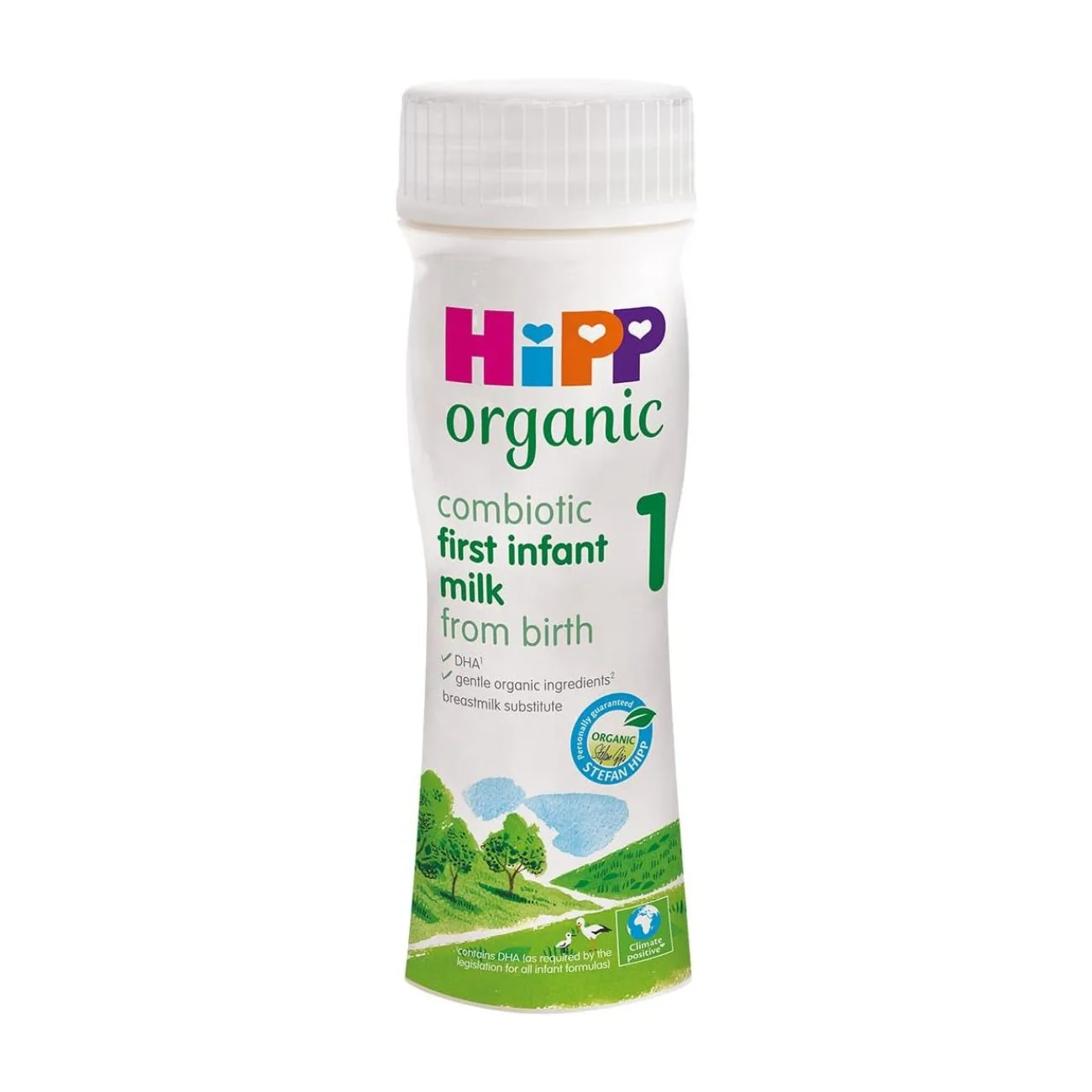
Infant Milk 200ml
Who should use this guide
Best for
- Parents of newborns or infants with mild digestive discomfort (gas, spitting up, fussiness)
- Parents looking for a gentle formula as a first step before moving to hypoallergenic options
Not for
- Babies with diagnosed cow's milk protein allergy or severe reflux (need hypoallergenic or specialized formula under medical supervision)
- Parents seeking a completely lactose-free formula (gentle formulas often contain some lactose)