Potty training is one of the most significant milestones in your child’s early development, but it can also be one of the most challenging. Every parent wants a smooth transition from diapers to the toilet, but the journey often involves accidents, resistance, and plenty of patience. The key to success lies in preparation, consistency, and having the right tools on hand.
In this comprehensive baby potty training guide, we’ll walk you through the best strategies, common pitfalls to avoid, and essential potty training products that can simplify the process. Whether you’re just starting or looking for tips to overcome a stubborn toddler, this guide will help you and your little one achieve potty success with confidence.
When Is the Right Time to Start Potty Training?
Every child is different, but most pediatricians recommend starting potty training between 18 and 24 months. Look for signs of readiness such as staying dry for longer periods, showing interest in the toilet, or communicating when they need to go. Starting too early can lead to frustration, while waiting too long may make the process harder.
If your toddler can follow simple instructions, pull their pants up and down, or express discomfort with a wet diaper, these are strong indicators they’re ready. Remember, readiness is not just about age—it’s about your child’s physical and emotional development. Trust your instincts and be patient.
- Stay dry for at least two hours during the day
- Show curiosity about the toilet or potty chair
- Communicate when they are about to pee or poop
- Dislike wearing a dirty diaper
Essential Potty Training Products Every Parent Needs
Having the right potty training products can make a huge difference in your child’s willingness to participate. A comfortable, easy-to-clean potty chair or seat is the first step. Look for models with a splash guard, non-slip base, and removable bowl for quick cleaning. Many parents also find that a step stool helps toddlers feel secure and independent.
Beyond the potty itself, consider products that make the process less messy. For example, a quality diaper caddy can keep all your supplies organized and within reach during those rushed moments. The PandaEar Baby Diaper Caddy Organizer is a perfect solution—it stores diapers, wipes, creams, and even a change of clothes, so you’re never scrambling when an accident happens.
- Potty chair or seat with splash guard
- Step stool for easy access
- Training pants or underwear
- Diaper caddy for organized supplies
Creating a Potty Training Routine That Works
Consistency is the secret ingredient to successful potty training. Establish a routine by taking your child to the potty at regular intervals—first thing in the morning, after meals, before naps, and before bedtime. Use a timer or a simple chart to remind both of you. Praise every effort, even if nothing happens, to build confidence.
Make the experience positive by reading potty-themed books or singing songs. Avoid punishing accidents; instead, calmly clean up and remind your child to try again next time. Many parents find that offering a small reward, like a sticker or a favorite snack, can motivate toddlers. Just be careful not to overdo it—the goal is intrinsic motivation.
- Set a timer for potty breaks every 1-2 hours
- Use a sticker chart to track successes
- Praise effort, not just results
- Stay calm and consistent during accidents
How to Handle Common Potty Training Challenges
Even with the best preparation, potty training can hit roadblocks. Some toddlers refuse to sit on the potty, while others may regress after a successful start. If your child resists, take a break for a few weeks and try again. Regression is normal, especially during stressful times like a new sibling or moving homes.
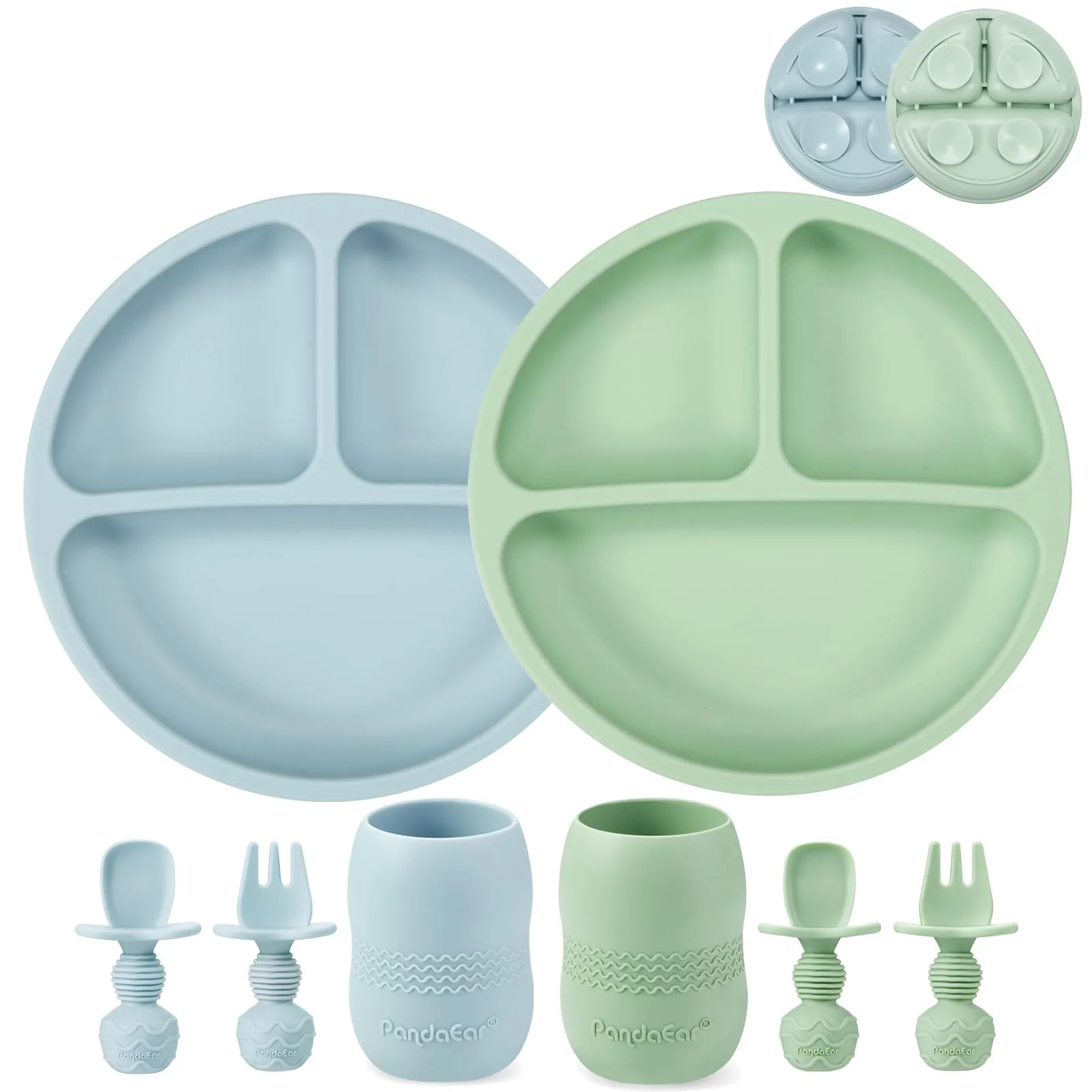
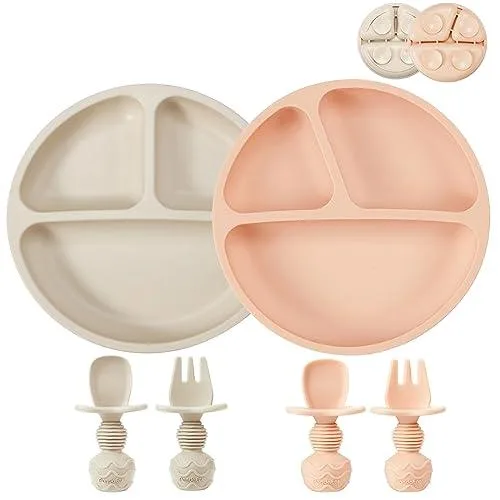
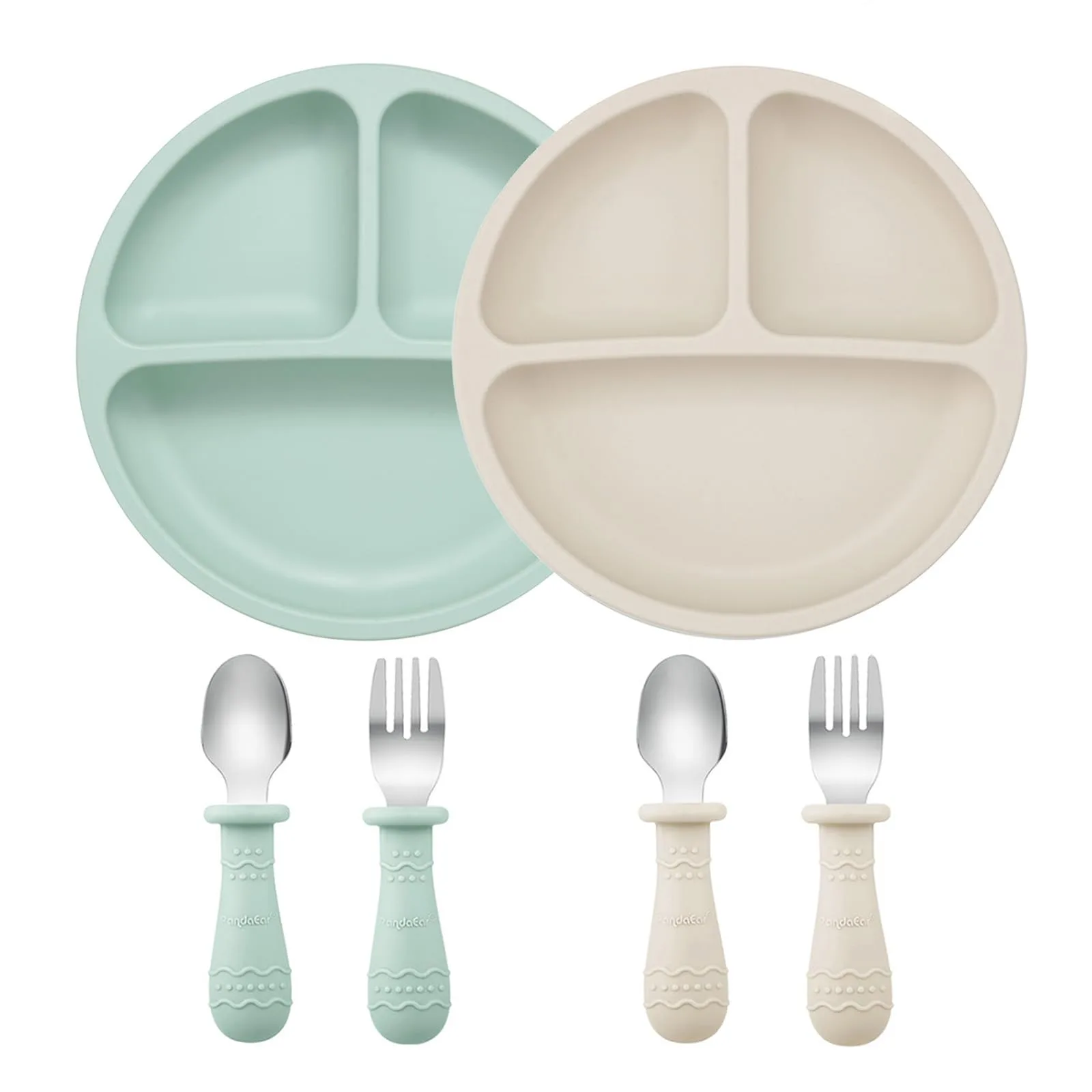
Another common issue is constipation, which can make potty training painful. Ensure your child eats plenty of fiber-rich foods and stays hydrated. If accidents become frequent, check that your child isn’t feeling pressured or scared. Sometimes a simple change, like switching to a different potty seat, can help. Also, keep mealtimes stress-free with easy-to-clean dinnerware like the Suction Bowls (3 Pack), which stay put and reduce mess during feeding.
- Take a break if resistance persists
- Address constipation with diet and hydration
- Use positive reinforcement, not punishment
- Consider a different potty seat if needed
Transitioning from Potty to Toilet: When and How
Once your child is comfortable with the potty chair, you can gradually transition to the regular toilet. A toddler toilet seat adapter that fits securely on your existing toilet can make this step easier. Many children feel more confident with a step stool so they can get on and off independently.
Nighttime training usually takes longer than daytime training. Most children achieve daytime dryness first, while nighttime dryness may take months or even years. Use waterproof mattress protectors and avoid giving liquids close to bedtime. Celebrate each small victory, and remember that every child progresses at their own pace.
- Use a toddler toilet seat adapter
- Provide a step stool for independence
- Use waterproof mattress protectors
- Limit liquids before bedtime
Potty training is a journey that requires patience, consistency, and the right tools. By recognizing your child’s readiness, establishing a routine, and using helpful products like the PandaEar Baby Diaper Caddy Organizer to keep supplies organized, you can make the process smoother for both of you. Remember, every child is unique—celebrate the small wins and don’t stress over setbacks. For more practical solutions to make parenting easier, explore our collection of baby essentials designed with your family in mind.