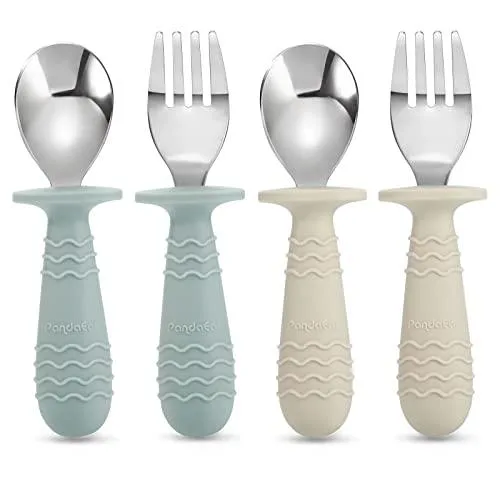
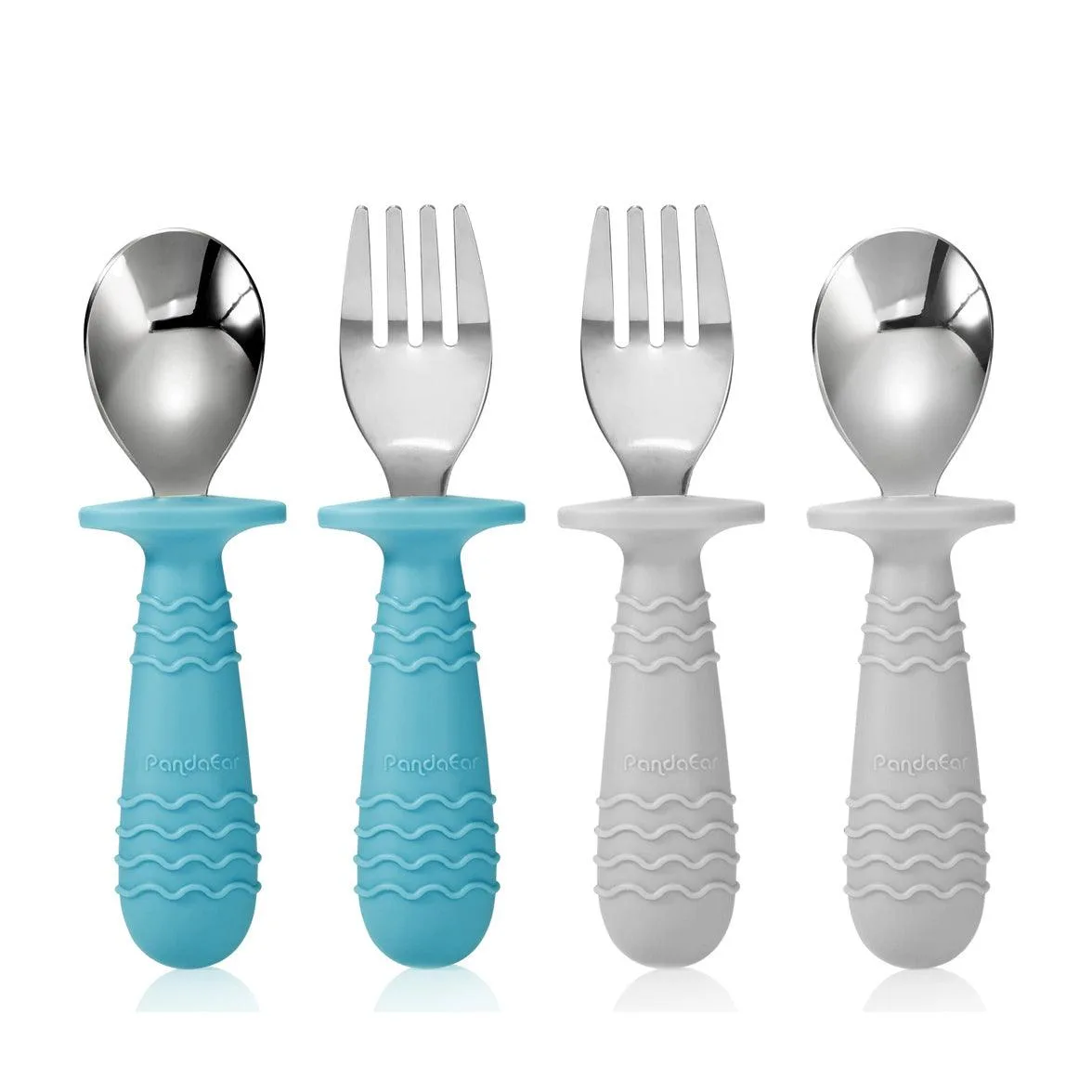
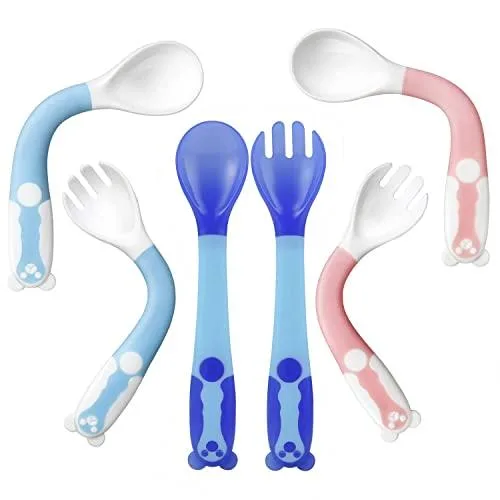
Feeding a baby can often feel like a battle against gravity, chaos, and a tiny, determined hand that loves to fling food across the room. If you've ever spent more time cleaning up than actually feeding, you're not alone. The secret weapon in many parents' arsenal is the humble suction bowl. These cleverly designed plates and bowls stick to the table or highchair tray, making it much harder for your little one to launch their dinner into orbit. But even the best suction bowl needs a few tricks to work its magic.
At PandaEar, we understand the daily struggles of feeding a growing explorer. That's why we've compiled the top 10 tips for stress-free baby feeding using suction bowls. From choosing the right base material to mastering the perfect 'stick,' these hacks will transform mealtime from a messy ordeal into a calm, enjoyable bonding experience. Let's dive in and reclaim your sanity, one suction cup at a time.
1. Start with a Clean, Dry Surface
The number one reason suction bowls fail is a dirty or wet surface. Whether you're using a highchair tray, a wooden table, or a silicone placemat, any residue of oil, food, or moisture will break the seal. Before placing the bowl, wipe the surface thoroughly with a dry cloth. For stubborn grease, a quick wipe with a mild soap solution followed by thorough drying works wonders. This simple step can increase suction strength by 50% or more.
Think of it like a bathroom suction cup—it needs a perfectly clean, non-porous surface to grip. If your highchair tray has textured areas, try placing the bowl on a smooth silicone placemat instead. PandaEar's Splat Ma for High Chair is an excellent choice because it provides a smooth, non-slip base that works perfectly with suction bowls, plus it catches spills.
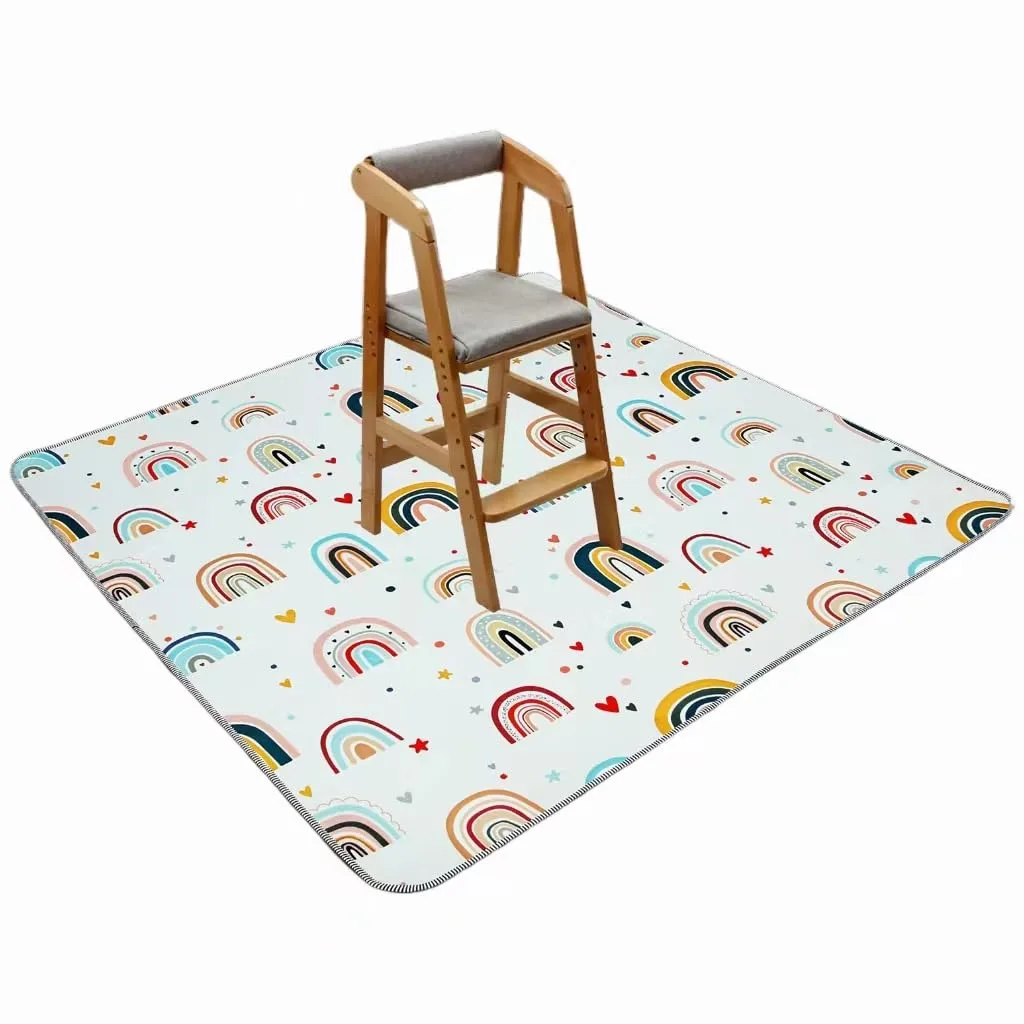
Splat Ma for High Chair
- Always dry the surface with a lint-free cloth before placing the bowl.
- Avoid using greasy or oily cleaning sprays right before mealtime.
2. Activate the Suction Properly
Many parents just press down on the bowl and hope for the best. But to create a strong vacuum, you need to press from the center outward, pushing out any trapped air. Place the bowl on the surface, then use your palm to press firmly in the middle, working your way to the edges. You should hear a satisfying 'pop' or feel the bowl grip tightly. If it slides easily, lift it up and try again.
For extra stubborn bowls, try pressing down while pulling up slightly on the rim. This creates a stronger negative pressure inside. Remember, the goal is to create a seal so tight that your baby can't lift it, but you can easily release it by lifting one edge. This technique works well with PandaEar's https://terracradle.shop/products/plates-3-pack-120858https://terracradle.shop/products/plates-3-pack-120859https://terracradle.shop/products/plates-3-pack-120860Plates (3 Pack), which are designed with a deep suction base for maximum hold.
- Press from the center outward to remove air bubbles.
- Test the seal by gently trying to slide the bowl sideways.
3. Choose the Right Bowl Material
Not all suction bowls are created equal. The material matters greatly for both suction and safety. Silicone is the gold standard because it is flexible, non-toxic, and naturally grippy. Look for 100% food-grade silicone that is BPA-free, phthalate-free, and lead-free. These bowls are also easy to clean and can often go in the dishwasher or microwave.
Plastic bowls with suction bases can work, but they may lose suction over time as the plastic warps. Silicone bowls, on the other hand, maintain their shape and grip for years. They also heat up less in the microwave and are gentler on baby's gums. When shopping, check the base design—a wide, flat base with a strong suction cup is ideal. PandaEar's Feeding Set includes a silicone bowl with a robust suction base, making it a versatile choice for purees and finger foods.
- Always choose 100% food-grade silicone for durability and safety.
- Avoid bowls with removable suction cups that can become choking hazards.
4. Use the Bowl at the Right Temperature
Temperature can affect suction strength. If the bowl is too cold (straight from the fridge), the silicone may become slightly stiff and less grippy. Conversely, if it's too hot (from the microwave), the air inside expands and can break the seal. The sweet spot is room temperature. If you need to heat the bowl, do so gently and let it cool for a minute before placing it on the table.
Also, avoid putting hot food directly into a cold bowl. The temperature shock can cause the bowl to warp slightly, weakening the suction. Instead, warm the bowl slightly with warm water before adding food. This small adjustment can make a big difference in keeping the bowl anchored during the meal.
- Let microwaved bowls cool for 60 seconds before applying suction.
- Never put a hot bowl on a cold surface—it can cause condensation.
5. Match the Bowl to the Meal Type
Different meals require different bowl shapes. For runny foods like yogurt or soup, a deep bowl with tall sides is best to prevent splashing. For solid finger foods, a shallow divided plate works better because it lets baby practice self-feeding without tipping the entire tray. Some suction bowls come with lids, which are great for storing leftovers or taking meals on the go.
Consider your baby's age and skill level. For younger babies (6-9 months), a bowl with a wide base and shallow depth helps them scoop food easily. For older toddlers (12+ months), a divided plate encourages variety and portion control. PandaEar's Feeding Set offers both a bowl and a plate in one package, giving you flexibility as your baby grows.
- Use deep bowls for liquids, divided plates for solids.
- Look for bowls with lids for easy storage and travel.
6. Keep the Bowl Within Easy Reach
A common mistake is placing the suction bowl too far from baby. If the bowl is out of reach, baby will lean, stretch, and inevitably knock it over. Position the bowl directly in front of baby, close to their chest, so they can easily grab food without straining. For highchairs, attach the bowl to the tray, not the table, to keep it at the right height.
Also, avoid placing the bowl near the edge of the tray. Babies love to push things off, and a bowl near the edge is a prime target. Center it firmly, and if your baby is particularly strong, consider using two bowls—one for food and one for playing—to distract them from the main meal.
- Position the bowl no more than 6 inches from baby's chest.
- Avoid tray edges—babies are experts at launching objects.
7. Introduce the Bowl Gradually
Some babies are initially confused or frustrated by a bowl that won't move. They may try to pry it up, bang on it, or ignore it entirely. To ease the transition, start by using the suction bowl for just one meal a day, and let baby explore it without food first. Show them how it sticks and how you can lift it. Over time, they'll learn that the bowl is a tool, not a toy.
You can also use the bowl as a 'base' for other activities, like stacking cups or placing teethers. This builds familiarity and reduces resistance during mealtime. Patience is key—within a week or two, most babies accept the suction bowl as a normal part of eating.
- Let baby play with the empty bowl to build comfort.
- Use the bowl for non-food activities to normalize it.
8. Clean the Bowl Properly After Each Use
Suction bowls require regular cleaning to maintain their grip. Food residue, especially oils and starches, can build up on the suction cup and reduce its effectiveness. Wash the bowl with warm, soapy water after every meal, using a soft sponge to avoid scratching the silicone. For stubborn stains, a paste of baking soda and water works well.
Avoid using abrasive cleaners or scrubbers that can damage the silicone surface. Also, check the suction cup for any food particles stuck in the crevices. A clean bowl is a sticky bowl. If you notice a decline in suction, a thorough cleaning often restores it to like-new condition.
- Wash by hand or on the top rack of the dishwasher.
- Avoid bleach or harsh chemicals that can degrade silicone.
9. Store the Bowl Flat or Separately
How you store your suction bowl can affect its longevity. If you stack bowls on top of each other, the suction cups can stick together and lose their shape over time. Instead, store them flat, with the suction cup facing up, or separate them with a soft cloth. Some bowls come with a storage lid that protects the suction cup from dust and deformation.
If you must stack them, place a paper towel or silicone mat between each bowl to prevent sticking. This simple habit will keep your bowls grippy and ready for action for months or even years.
- Store bowls with the suction cup facing up to prevent warping.
- Use a cloth or paper towel between stacked bowls.
10. Combine with Other Mess-Busting Tools
Suction bowls are powerful, but they work best as part of a complete mess-management system. Pair them with a long-sleeve bib, a splat mat under the highchair, and easy-to-clean utensils. This combo dramatically reduces cleanup time. For example, a silicone bib catches spills from the front, while a splat mat protects the floor.
PandaEar's Bath Rinse Cup Sets are also handy for quick cleanups—use them to rinse off the tray or baby's hands after meals. And for bath time, the Inflatable Dinosaur Bathtub makes post-meal cleanup fun by turning bath time into a playful adventure. By combining smart products, you create a stress-free feeding ecosystem.
- Use a splat mat to catch floor spills.
- Keep a rinse cup nearby for quick tray cleanups.
Mastering baby feeding with suction bowls doesn't have to be a struggle. By following these 10 tips—from proper surface preparation to smart storage—you can turn mealtime into a calm, enjoyable experience for both you and your little one. Ready to upgrade your feeding routine? Explore PandaEar's Feeding Set for a durable, easy-to-clean solution that grows with your baby. Happy feeding!