Baby proofing your home is one of the most important steps new parents can take to ensure a safe environment for their little explorer. As your baby begins to crawl, climb, and walk, everyday spaces like stairs, doorways, and kitchens can become hazards. Safety gates are the most effective tool to block off dangerous areas while giving your child freedom to move safely.
This step-by-step guide will walk you through everything you need to know about choosing and installing baby safety gates, from understanding different types to proper mounting techniques. We will also highlight essential products from PandaEar that can make your baby proofing journey smoother and more effective.
Why Safety Gates Are Essential for Baby Proofing
Every year, thousands of young children are injured in falls down stairs or from accessing unsafe rooms. A properly installed baby safety gate is the single most effective barrier to prevent these accidents. Safety gates are not just for stairs—they are also used to block off kitchens, bathrooms, home offices, and any area where a curious toddler might find trouble.
When baby proofing your home, it is important to choose gates that meet current safety standards. Look for gates with a straight top edge (no V-shaped openings that could trap a child's neck) and a secure locking mechanism. Pressure-mounted gates work well for doorways, but hardware-mounted gates are mandatory for the top of stairs to ensure they cannot be pushed out.
- Install gates at both the top and bottom of stairs for complete protection.
- Use hardware-mounted gates at stair tops; pressure-mounted gates are fine for doorways.
- Measure doorways and stair openings before purchasing to ensure a proper fit.
Types of Baby Safety Gates: Which One Is Right for You?
There are two main types of safety gates: pressure-mounted and hardware-mounted. Pressure-mounted gates use tension against door frames and are easy to install without drilling. They are ideal for doorways between rooms but should never be used at the top of stairs because a child or pet could push them loose. Hardware-mounted gates are screwed into the wall or banister, providing a permanent, immovable barrier essential for stair tops.
Another consideration is the gate material and design. Wooden gates blend well with home decor but may have slats that a child can climb. Metal gates with vertical bars are more secure and harder to climb. Many modern gates also feature a walk-through door for adults, which is much more convenient than having to step over a gate every time.
- For stair tops, always choose a hardware-mounted gate with a swinging door.
- Pressure-mounted gates are convenient for temporary use in doorways or between rooms.
- Check the gate height—most safety gates are at least 30 inches tall to deter climbing.
Step-by-Step Guide to Installing a Safety Gate at the Top of Stairs
Installing a hardware-mounted gate at the top of stairs requires careful measurement and drilling. Start by measuring the width of the stair opening from wall to wall or from wall to banister. Most gates can be adjusted by a few inches, but you may need extension kits for wider openings. Mark the mounting points on the wall using a level to ensure the gate is straight.
Drill pilot holes into the wall studs or use heavy-duty wall anchors if studs are not available. Attach the mounting brackets securely, then snap or screw the gate into place. Test the gate by pushing firmly—it should not move or rattle. Finally, install the door latch and ensure it locks automatically when closed. Always follow the manufacturer's instructions for your specific gate model.
- Use a stud finder to locate wall studs for the strongest hold.
- If mounting to a banister, use a universal gate mount kit designed for round or square posts.
- Test the gate daily to ensure the lock mechanism still works properly.
Where Else to Place Safety Gates in Your Home
Beyond stairs, safety gates are useful in many areas. Place a gate at the kitchen entrance to keep your child away from hot stoves, sharp utensils, and cleaning chemicals. Bathrooms are another high-risk zone—install a gate to prevent access to toilets, bathtubs, and medicine cabinets. Home offices and laundry rooms also benefit from gates to keep little hands away from cords, machines, and small objects.
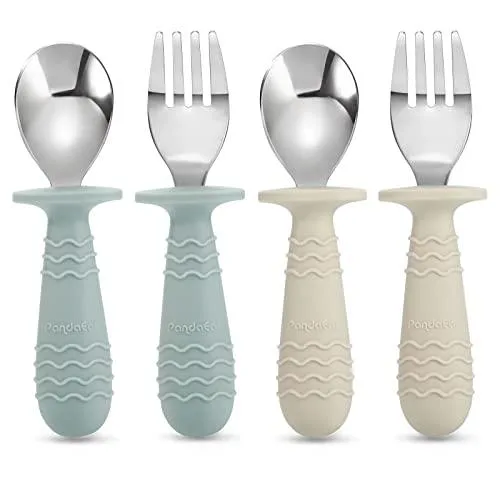
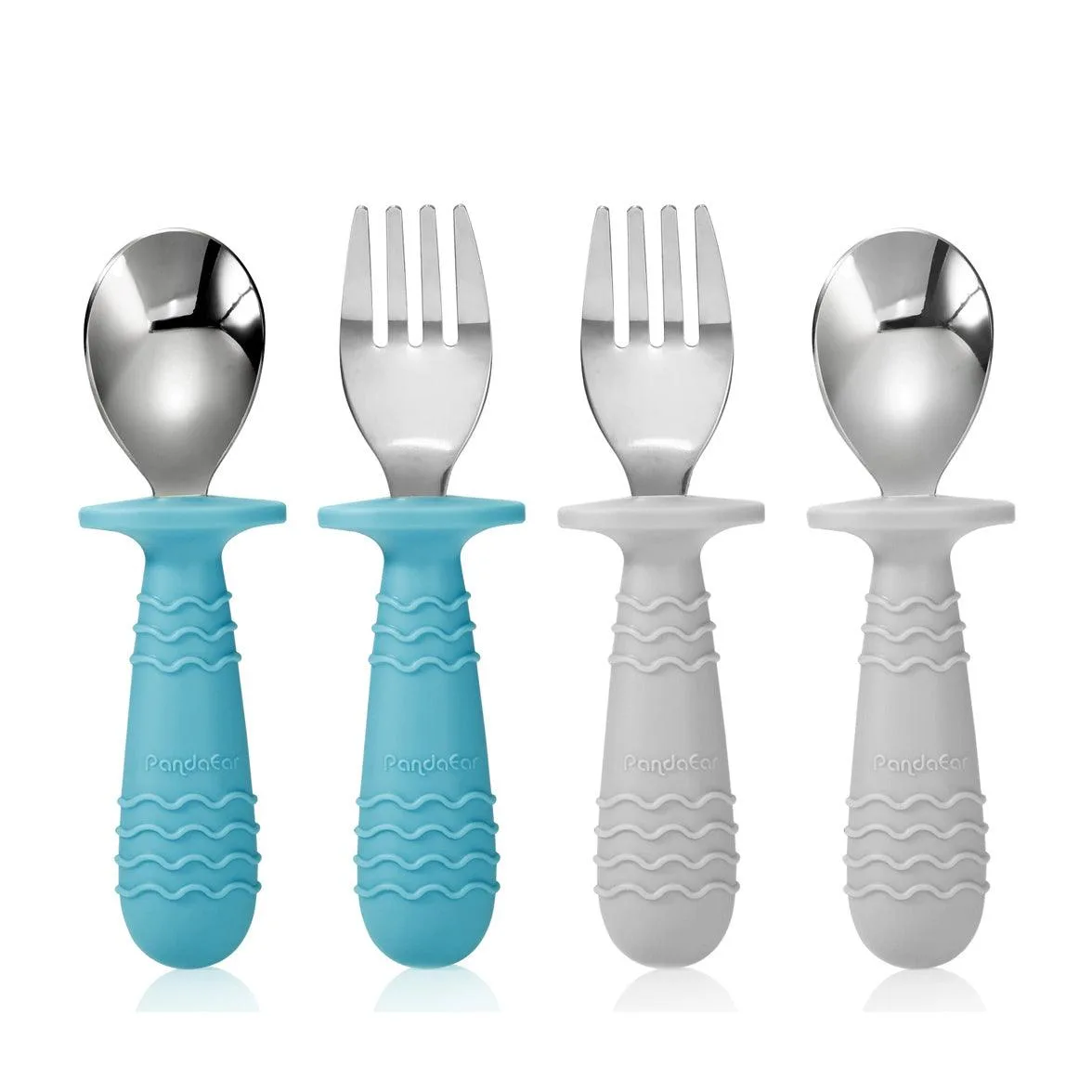
For parents who want a coordinated look, consider adding other baby proofing essentials from PandaEar. For example, the PandaEar 3 Pack Baby Suction Bowls with Lids are perfect for mealtime safety, keeping bowls stuck to the table so your child cannot fling food. The Toddler Fork & Spoon Utensil Set is another great addition, designed with soft, easy-grip handles that are gentle on gums and safe for self-feeding.
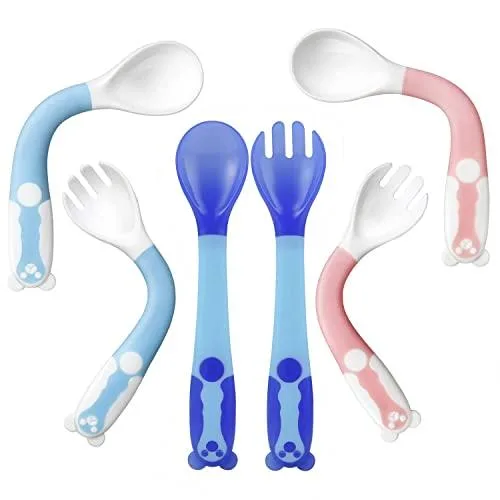
Spoon
- Install gates at the kitchen doorway to prevent access to the stove and sharp objects.
- Use gates in the bathroom to keep children away from water and cleaning supplies.
- Combine gates with outlet covers and cabinet locks for complete room baby proofing.
Common Mistakes to Avoid When Baby Proofing with Gates
One of the most common mistakes is using a pressure-mounted gate at the top of stairs. This is extremely dangerous because a child can push it over and fall. Another mistake is installing the gate too loosely—gates should be snug and secure with no gaps at the sides or bottom. Also, avoid gates with large diamond or V-shaped openings that could trap a child's head or neck.
Parents sometimes forget to re-latch the gate after walking through, especially when in a hurry. Choose a gate with a self-closing mechanism if possible. Finally, do not rely on gates alone—always supervise your child, and combine gates with other safety measures like outlet covers, corner guards, and furniture anchors. For feeding time, the PandaEar 3 Pack Baby Suction Bowls with Lids help prevent messes and keep your baby safe from hot food spills.
- Never use pressure-mounted gates at the top of stairs.
- Check for gaps larger than 3 inches between vertical bars.
- Install gates as soon as your baby starts crawling—do not wait until they walk.
Additional Baby Proofing Products to Complement Safety Gates
While safety gates are essential, they work best when paired with other baby proofing products. Outlet covers, cabinet locks, corner guards, and doorknob covers all contribute to a safer home. For feeding and mealtime safety, consider using suction bowls and easy-grip utensils to prevent spills and choking hazards.
PandaEar offers a range of products that support a baby-proofed home. The Toddler Fork & Spoon Utensil Set is designed with soft silicone tips and ergonomic handles, making it easier for little hands to learn self-feeding without risk of injury. The Food Freezer Tray with Lids is perfect for safely storing homemade baby food purees, reducing waste and ensuring your baby eats fresh, healthy meals.
- Use corner guards on sharp furniture edges near baby's play areas.
- Install cabinet locks on all lower cabinets, especially in kitchens and bathrooms.
- Keep small objects, cords, and plastic bags out of reach at all times.
Baby proofing your home with safety gates is one of the most effective ways to prevent accidents and give your child the freedom to explore safely. By choosing the right gate type, installing it correctly, and combining it with other safety products like suction bowls and easy-grip utensils, you can create a secure environment for your growing baby. Start with the stairs, then move to other high-risk areas, and always supervise your little one. For more baby proofing essentials, explore PandaEar's collection of baby feeding and safety products designed with your child's well-being in mind.