Quick Answer
Start with the essentials: secure every doorway and stairway with a child safety gate, lock cabinets and drawers with reliable locks, and cover door knobs to control access. Focus on the rooms where your child spends the most time, and choose products that match your home's setup—whether that means hardware-mounted gates for stairs or pressure-mounted gates for doorways.
Baby proofing your home can feel overwhelming, but you don't need to buy every safety product on the market. A smart approach is to work room by room, focusing on the biggest risks first: falls, access to dangerous items, and doors that shouldn't open. This baby proofing checklist covers the essential baby proofing products for each area of your home, with practical advice on what to choose and why.
As you plan, keep in mind that the best product for your home depends on your setup. Renters often prefer no-drill options, while homeowners may opt for permanent hardware mounts. We'll walk through the key decisions so you can shop confidently and avoid buying the wrong gate or lock.
Start with the Basics: Gates, Locks, and Covers
Every baby proofing plan should include three core categories: child safety gates, cabinet and drawer locks, and door knob covers. These cover the most common hazards—stairs, unsafe rooms, and cabinets filled with cleaning supplies or sharp objects. A good rule of thumb is to install these before your child becomes mobile, so you're ready when they start crawling or walking.
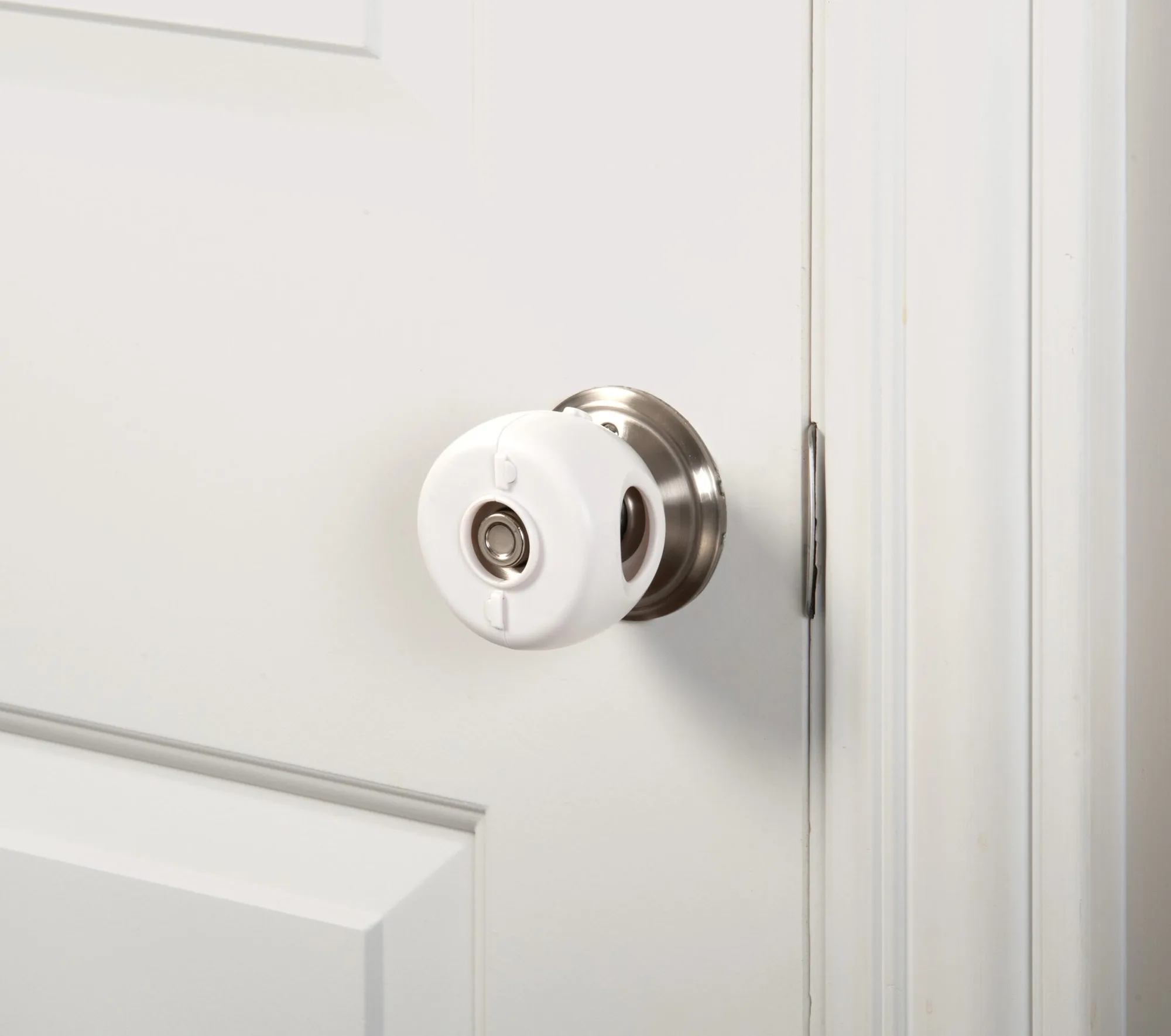
door knob covers
When choosing a child safety gate, consider where you'll use it. Top-of-stairs gates need to be hardware-mounted for safety, while pressure-mounted gates work well in doorways and between rooms. For cabinets and drawers, you can choose between screw-mount locks for a permanent solution or adhesive mounts that require no drilling. Door knob covers are a quick, tool-free way to keep curious toddlers from opening doors on their own.
- Prioritize gates for stairs and doorways before other products.
- Measure your doorways and stairways before buying a gate.
- Choose locks based on whether you can drill into your cabinets.
Room-by-Room Baby Proofing Checklist
In the kitchen, focus on cabinets and drawers that contain cleaning products, knives, or plastic bags. Install cabinet and drawer locks on lower cabinets and drawers your child can reach. In the bathroom, keep medications and toiletries locked away, and use a door knob cover to prevent your child from entering unsupervised.
For living areas and hallways, use pressure-mounted gates to block off rooms that aren't baby-safe, and consider a hardware-mounted gate at the top of stairs. In the nursery, secure furniture to the wall and use a gate at the door if needed. Finally, cover door knobs to the front door and other exits to prevent wandering.
- Kitchen: lock lower cabinets and drawers.
- Bathroom: lock medicine cabinets and use door knob covers.
- Stairs: install a hardware-mounted gate at the top.
- Living areas: use pressure-mounted gates for doorways.
Choosing Between Hardware-Mounted and Pressure-Mounted Gates
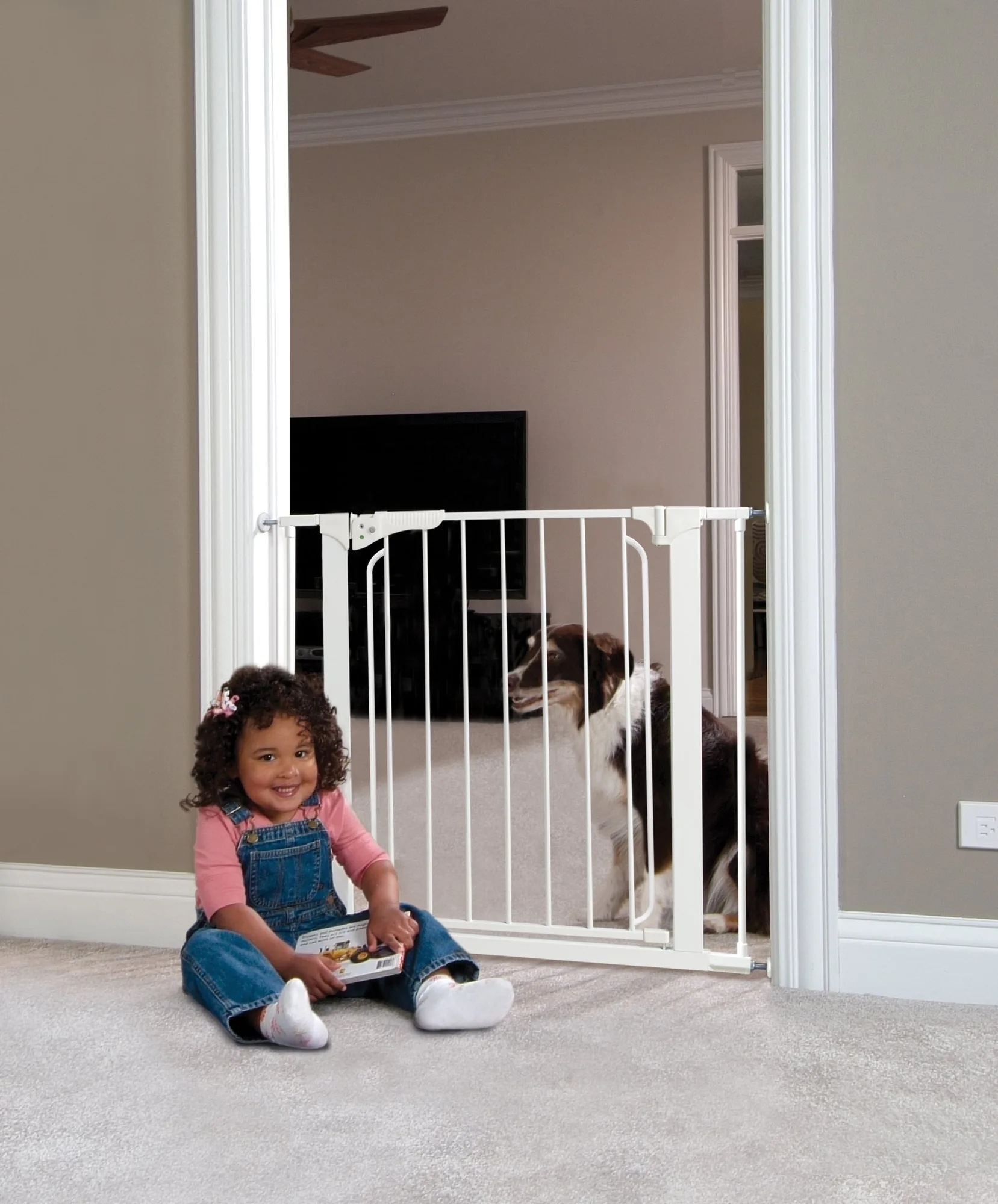
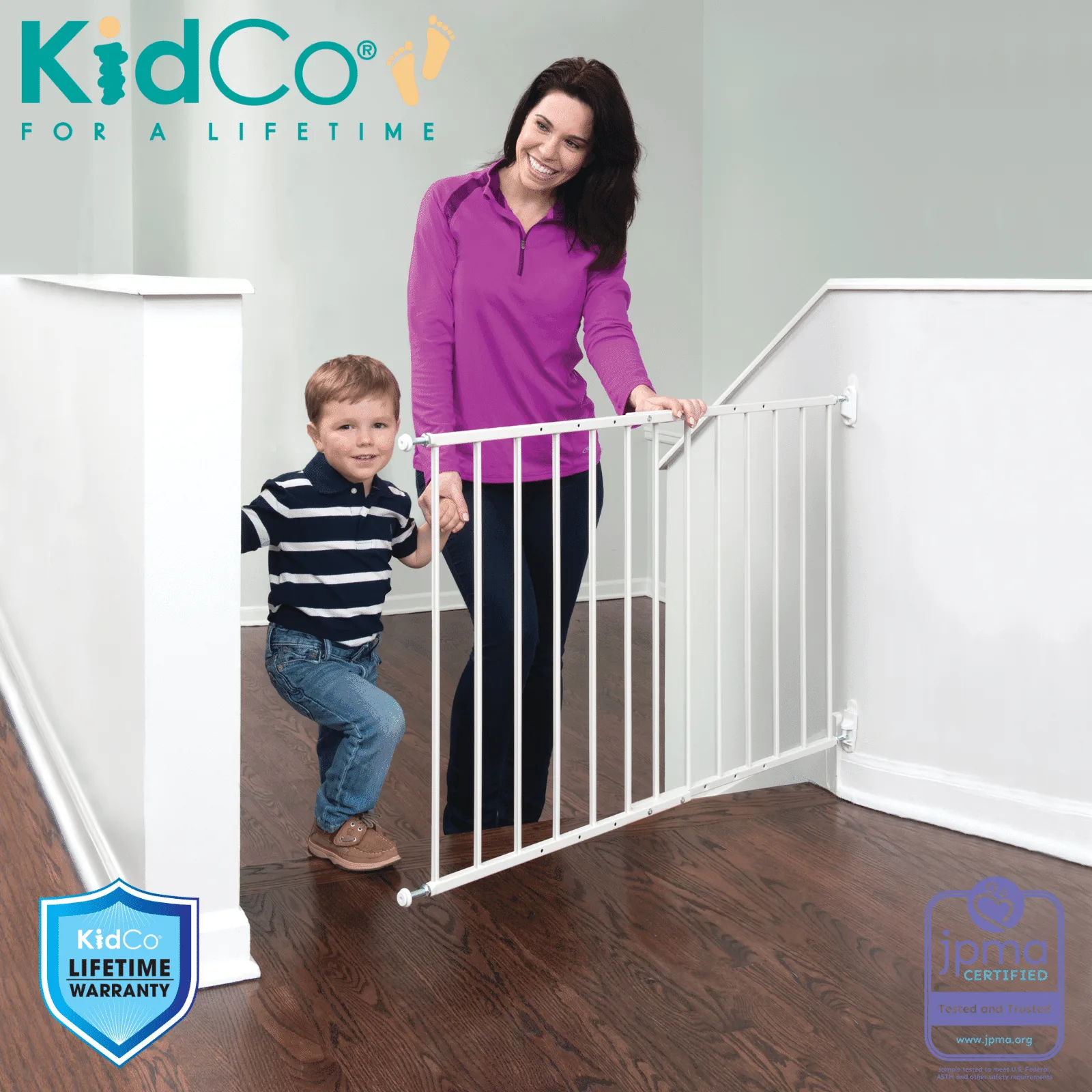
The most important decision in baby proofing is choosing the right gate type. Hardware-mounted gates are secured to the wall or banister with screws, making them the only safe choice for the top of stairs. They provide a rigid barrier that won't move when your child pushes against it. Pressure-mounted gates, on the other hand, use tension to stay in place and are ideal for doorways and room openings where drilling isn't desired.
If you're a renter, pressure-mounted gates are a great way to avoid damaging door frames. However, they are not recommended for use at the top of stairs because they can be dislodged. For a flexible solution that works in multiple doorways, a pressure-mounted gate with a walk-through feature is convenient. Always follow the manufacturer's instructions for proper installation and check the gate regularly to ensure it remains secure.
- Use hardware-mounted gates at the top of stairs.
- Use pressure-mounted gates in doorways and between rooms.
- Check pressure-mounted gates regularly for a snug fit.
Cabinet Locks: Screw-Mount vs. Adhesive
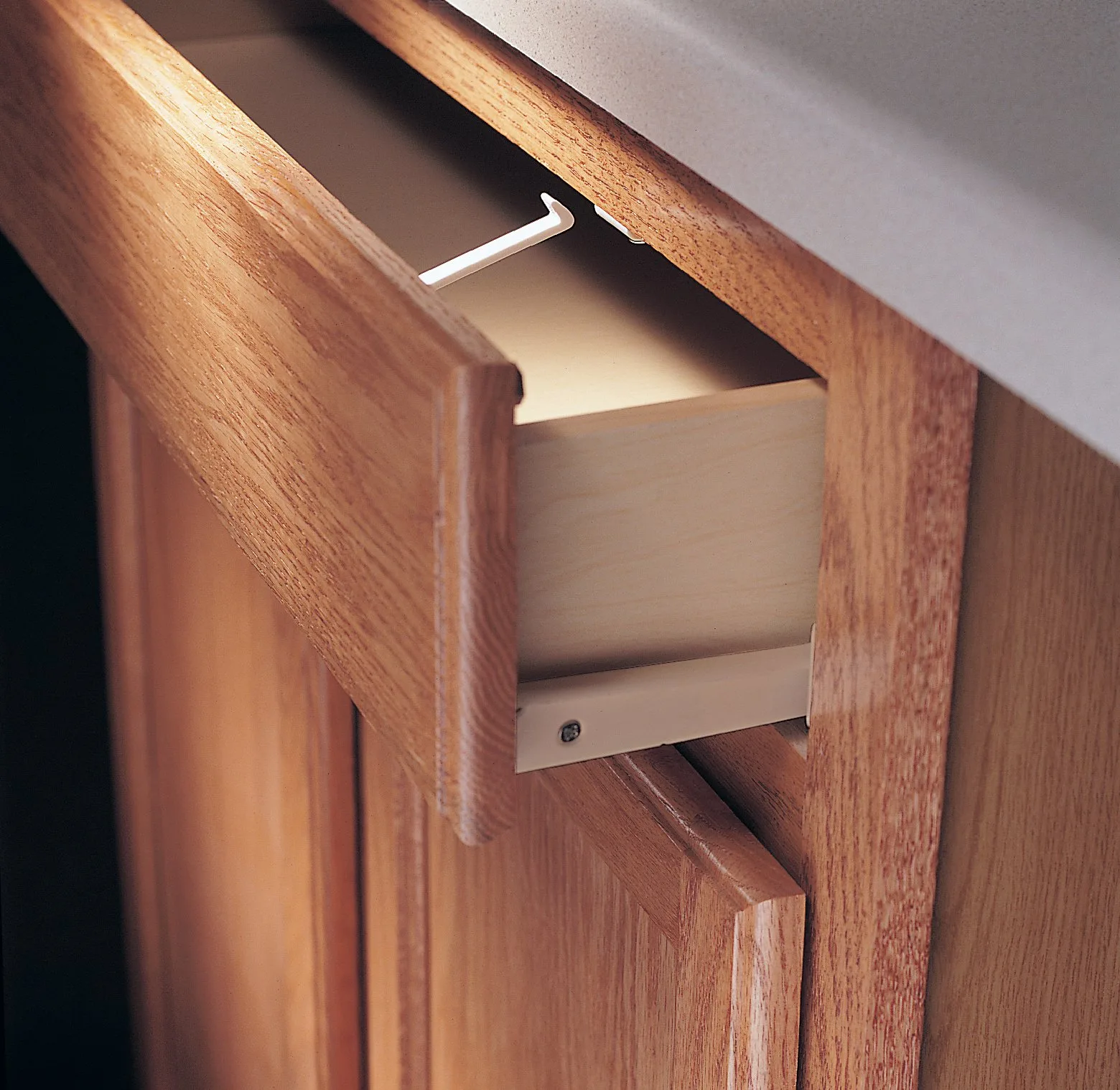
Cabinet locks come in two main styles: screw-mount and adhesive. Screw-mount locks are more durable and provide a secure fit, but they leave holes when removed. Adhesive locks are easy to install without tools and leave no damage, making them perfect for renters or temporary setups. Both types are effective, so your choice depends on your priorities.
For high-traffic cabinets that are opened frequently, screw-mount locks offer long-lasting reliability. Adhesive locks are ideal for quick installation and can be repositioned if needed. Consider the surface where you'll attach the lock—adhesive may not stick well to textured or uneven surfaces. Always clean the surface before applying an adhesive lock to ensure a strong bond.
- Screw-mount locks: durable, permanent, leave holes.
- Adhesive locks: no drilling, no damage, easy to install.
- Test the adhesive on a small area if you're unsure.
Don't Forget Door Knob Covers
Door knob covers are a simple but essential baby proofing product. They fit over standard door knobs and make it difficult for small hands to turn them, preventing your child from opening doors to rooms you want to keep off-limits. They're easy to install—just snap them on—and don't require removing the knob.
Use door knob covers on doors to bathrooms, home offices, and exterior doors. They're especially useful in homes where gates aren't practical for every doorway. Keep in mind that adults may find them slightly inconvenient, but the safety benefit is worth it. Choose covers that fit your knob style and are easy for adults to operate.
- Install on doors to bathrooms, offices, and exits.
- Choose covers that are easy for adults but hard for kids.
- No tools required for installation.
Decision Rules for Choosing Baby Proofing Products
- Top of stairs?: Always choose a hardware-mounted gate designed for stairways, like the Quick Install Safeway® Top of Stair Baby Safety Gate. Pressure-mounted gates are not safe at the top of stairs. Install a hardware-mounted gate at the top of stairs.
- Renting or avoiding wall damage?: Use pressure-mounted gates for doorways and room openings, and adhesive cabinet locks to avoid drilling holes. This keeps your security deposit safe. Choose no-drill options like the Quick Install Gateway® and Adhesive Mount Cabinet & Drawer Lock.
- Cabinets you open often?: Choose screw-mount locks with a swivel feature for easy access, like the Swivel Cabinet and Drawer Locks. They're more durable for frequent use. Pick screw-mount locks for high-traffic cabinets.
- Doors you want to keep closed?: Install door knob covers on interior and exterior doors to prevent your child from opening them. They're simple and effective. Add door knob covers for extra safety.
KidCo Safety Products to Consider
- Quick Install Safeway® Top of Stair Baby Safety Gate: The KidCo® Quick Install Safeway® baby safety gate is specifically designed for top of stairs use, but can also be used in hallways or as a room divider. Provides maximum safety at the top of stairs and in high traffic doorways. Features include stop pin to prevent gate from swinging over open stairs, quick release hardware and a mounting template for safe installation. This hardware-mounted gate is the right choice for top-of-stairs safety, with features that prevent accidents and make installation easier.
- Quick Install Gateway® Pressure Mounted Gate: The KidCo® Quick Install Gateway® is the ideal solution for securing heavily traveled doorways and room openings. As a pressure-mounted gate, it offers maximum safety without the need for drilling into woodwork or drywall, making it perfect for renters or anyone looking to avoid permanent alterations. Featuring exclusive Pressure-Plus Technology, the Quick Install Gateway® applies additional pressure to the door frame for a secure fit. This pressure-mounted gate is perfect for doorways and room openings, especially if you can't drill into walls or want a no-damage option.
- Swivel Cabinet and Drawer Locks: Ensure a secure environment for your little ones with KidCo® Swivel Cabinet and Drawer Locks. These durable screw-mount locks feature a unique swivel arm design, allowing you to easily disengage the lock when it's not needed, providing flexibility for your family's needs. Each set includes mounting screws for straightforward installation, ensuring a secure fit on your cabinets and drawers. These screw-mount locks are a durable choice for cabinets and drawers you access often, with a swivel design that makes them convenient for adults.
- Adhesive Mount Cabinet & Drawer Lock: Keep your little ones safe and your cabinets off-limits with KidCo® Cabinet and Drawer Locks. Designed for easy installation, these locks feature an adhesive mount that requires no drilling or tools, ensuring a hassle-free setup without leaving any holes behind. Perfect for use in the kitchen, bathroom, bedroom, den, or any area where you want to restrict access. These adhesive locks are ideal for renters or anyone who wants a no-drill, no-damage solution that's easy to install and remove.
Fit Guidance: Match Products to Your Home
Best For
- Hardware-mounted gates: best for top of stairs and high-traffic areas where a rigid barrier is essential.
- Pressure-mounted gates: best for renters or anyone who wants a no-drill option for doorways and room openings.
- Adhesive cabinet locks: best for renters, temporary setups, or surfaces where you can't drill.
Not For
- Pressure-mounted gates are not for top-of-stairs use—they can be dislodged and pose a fall risk.
- Adhesive locks may not be for textured or uneven surfaces where they won't stick securely.
Baby proofing doesn't have to be complicated. Start with the essentials—gates, locks, and door knob covers—and work through your home room by room. Choose products that fit your living situation, whether that means hardware-mounted gates for stairs or pressure-mounted gates for doorways. With the right baby proofing checklist, you can create a safer home for your little one.