Quick Answer
For a baby quilt, choose 100% cotton quilting fabric that is pre-washed, or consider flannel for extra softness. Avoid fabrics with metallic accents or heavy embellishments that can irritate sensitive skin. Always check for safety certifications like Oeko-Tex.
Choosing fabric for a baby quilt is about more than color and pattern. You want something gentle against delicate skin, durable enough for repeated washing, and free from irritants. The good news: many quilt shops offer a wide range of cottons that are both soft and safe.
In this guide, we'll walk you through what makes a fabric baby-friendly, compare common options, and suggest a few specific fabrics that work well for little ones.
What Makes a Fabric Safe for a Baby Quilt?
Safety starts with fiber content. Natural fibers like cotton are breathable and less likely to cause allergic reactions. Synthetic fabrics can trap heat and may not be as gentle on skin. Look for 100% cotton quilting fabric, which is the industry standard for baby quilts.
Dyes and finishes matter too. Some fabrics are treated with chemicals to resist wrinkles or stains. For a baby quilt, choose fabrics that are labeled low-impact or fiber-reactive dyed, and wash them before use to remove any residual chemicals. If a product doesn't list safety certifications, that doesn't automatically mean it's unsafe, but it's a good reason to pre-wash.
- Pre-wash all fabrics in a gentle, fragrance-free detergent before sewing.
- Avoid fabrics with metallic threads or glitter, as they can scratch sensitive skin.
- Check for Oeko-Tex or similar certifications when available.
Cotton vs. Flannel vs. Minky: Which Is Best?
Cotton is the most popular choice for baby quilts because it's soft, breathable, and easy to care for. Quilting cotton comes in thousands of prints, so you can find something perfect for a nursery theme. Flannel, which is brushed cotton, offers extra softness and warmth, making it ideal for winter quilts. However, flannel can shrink more than regular cotton, so pre-wash it carefully.
Minky, a synthetic plush, is incredibly soft but can be tricky to sew with because it stretches. It's also less breathable than cotton, so it might not be the best choice for a baby who tends to overheat. If you love the feel of minky, consider using it only for the backing, not the top.
Key Features to Look For in Baby Quilt Fabric
When shopping, check the fabric width and fiber content. Most quilting cottons are 44-45 inches wide, which is standard. Some are sold by the quarter yard, which is perfect for small projects or mixing multiple prints.
Consider the scale of the print. Large motifs might get lost when cut into small pieces, while small-scale patterns are versatile for patchwork. Also, think about the colorfastness – darker colors might bleed, so use color catchers in the first wash.
- Look for high thread count for a smoother feel.
- Test for colorfastness by rubbing a damp white cloth on the fabric.
- Choose prints that you won't mind seeing every day – you'll be washing this quilt often.
Decision Rules for Choosing Baby Quilt Fabric
- Fiber content: Always choose 100% cotton for the quilt top and backing. If you want extra softness, consider cotton flannel. Avoid synthetics like polyester for the top. Cotton is your safest bet.
- Washability: Baby quilts will be washed often. Look for fabrics that are machine washable and can be tumble dried low. Pre-wash before sewing to prevent shrinking. Pre-wash to avoid surprises.
- Texture: Run the fabric against your cheek. It should feel smooth, not rough or scratchy. Avoid metallic threads, sequins, or heavy embellishments. Softness is non-negotiable.
- Print scale: For patchwork, small-scale prints work best. If you plan to use a large panel, make sure it fits your quilt design. Match print to your project.
Cotton Picks That Work for Baby Quilts
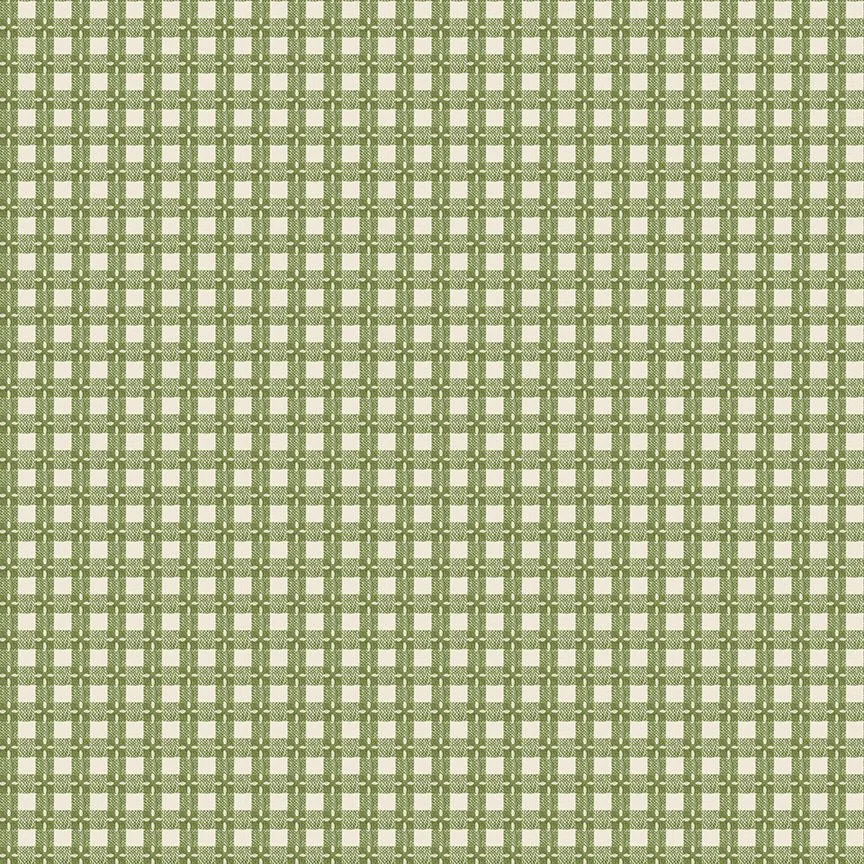
- RILEY BLAKE - Baked With Love by Lori Holt - Tablecloth - Olive: This 100% cotton quilting fabric is 43/44 inches wide and is sold by the quarter yard. Machine wash cold; tumble dry low. The olive tablecloth print has a soft, vintage feel that suits a unisex nursery. Being 100% cotton and machine washable makes it practical for a baby quilt that will need frequent cleaning.
- QT FABRICS - California Dreaming by Dan Morris - Palm Trees & Cars - Ecru: All things California will have you dreaming of sunny days and palm trees! A 36” state map panel and iconic motifs set the stage for fabulous projects. This ecru background with palm trees and cars is playful yet not overly babyish, making it a great choice for a toddler quilt. The 100% cotton construction is gentle on skin and easy to sew.
Which Fabric Should You Choose?
Best for
- Parents who want a soft, breathable, and easy-care quilt – choose 100% cotton quilting fabric.
- Quilters making a baby quilt for a winter baby – consider cotton flannel for extra warmth.
Not for
- If you need a hypoallergenic option certified for sensitive skin, look for organic cotton or Oeko-Tex certified fabrics, as standard cotton may not meet that need.
Choosing the right baby quilt fabric comes down to prioritizing softness, safety, and practicality. Stick with 100% cotton, pre-wash everything, and avoid rough textures or embellishments. With those rules in mind, you'll create a quilt that's both beautiful and kind to your little one's skin.