Quick answer
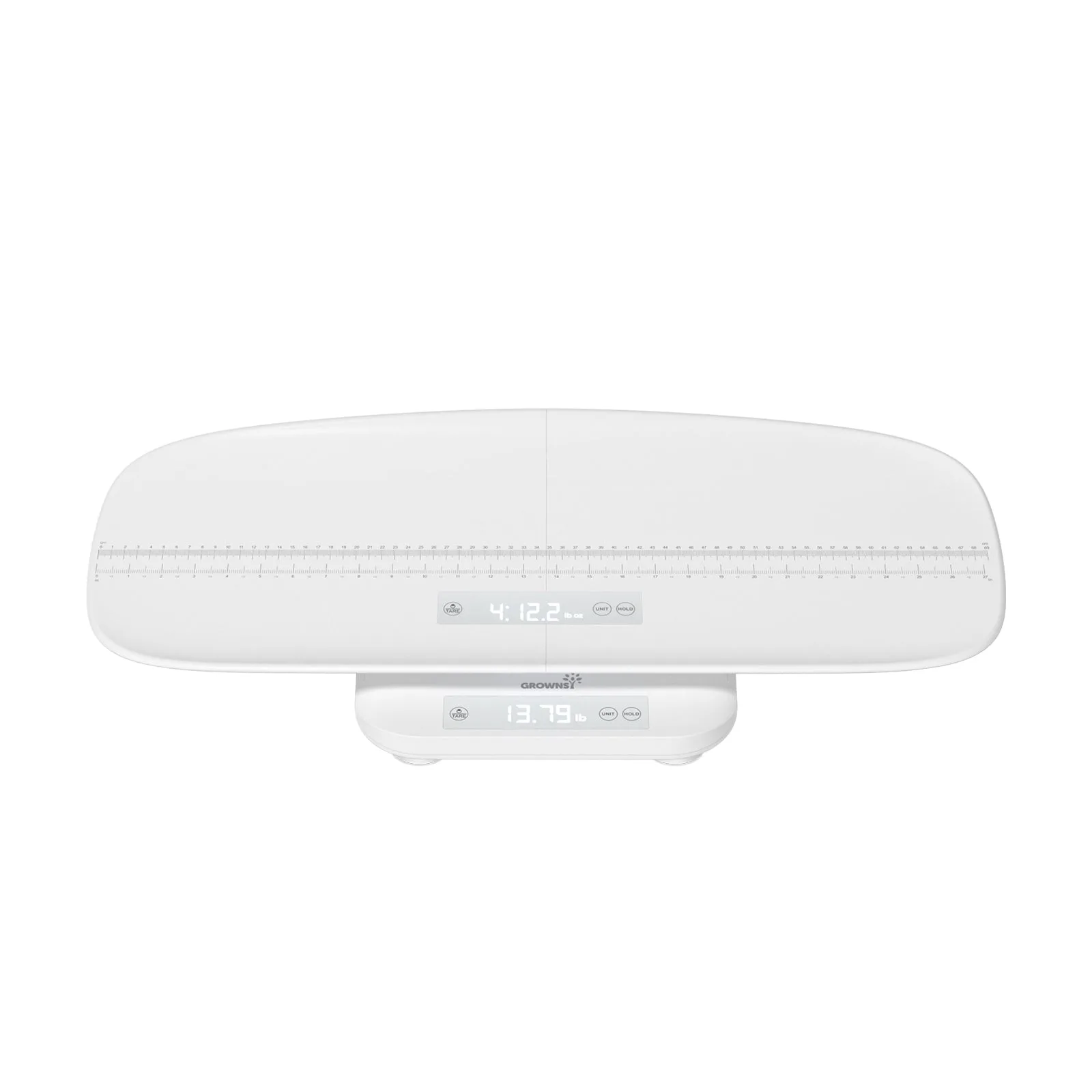
A baby scale is designed for precision at small weights, with finer graduations and a stable, contoured platform that keeps newborns safe and still. Regular bathroom scales typically round to 0.2–1 lb increments and are not built for squirming infants, so they can give misleading readings. If you need to track feeding progress or monitor a premature baby, invest in a dedicated baby scale.
Accuracy differences that matter
The most critical difference is resolution. A regular bathroom scale usually displays weight in 0.2 lb or 0.1 kg steps, which can hide small but important changes in a newborn who gains only 0.5–1 oz per day. A baby scale, by contrast, typically measures in 0.1 oz or 1 g increments, so you can detect day-to-day changes that might signal feeding issues or illness.
Another factor is the platform. Baby scales have a shallow, flat tray or bucket that keeps the infant in a safe position, reducing squirming and movement that can distort readings. Regular scales assume a standing adult, so placing a baby on them is awkward and risky. This difference in design is why pediatricians and feeding specialists recommend a dedicated infant scale for home monitoring.
When a regular scale might work (and when it won't)
If you only need a rough weight for older toddlers who can stand still, a regular scale can be used by subtracting your own weight (weigh yourself, then weigh yourself holding the child). However, this method has a margin of error of at least 0.2–0.5 lb, which is acceptable for children over 2 years but not for infants under 6 months where small changes are clinically relevant.
For newborns, premature babies, or infants with feeding concerns, a baby scale is non-negotiable. The ability to see 0.1 oz changes can alert you to dehydration or inadequate intake before a problem becomes serious. Always follow your pediatrician's guidance on how often to weigh and what changes to watch for.
Tradeoffs to consider
- Resolution vs. cost: Baby scales with 0.1 oz accuracy cost more than basic bathroom scales. For most parents, the extra expense is justified for the first 6 months, but if budget is tight, a regular scale with subtraction method can work for older babies. Invest in a baby scale for the newborn period; switch to a regular scale after 1 year.
- Portability vs. stability: Some baby scales are compact and travel-friendly, but they may have a smaller platform that feels less secure for wiggly babies. Larger, stationary models offer more stability but take up space. Choose a scale with a wide, non-slip surface if your baby moves a lot.
- Convenience vs. precision: Smart scales with app connectivity can track trends automatically, but they require charging and syncing. Manual scales are simpler but you must record weights yourself. If you're tech-savvy, a smart scale saves time; otherwise, a manual one is fine.
Products that support infant weight tracking
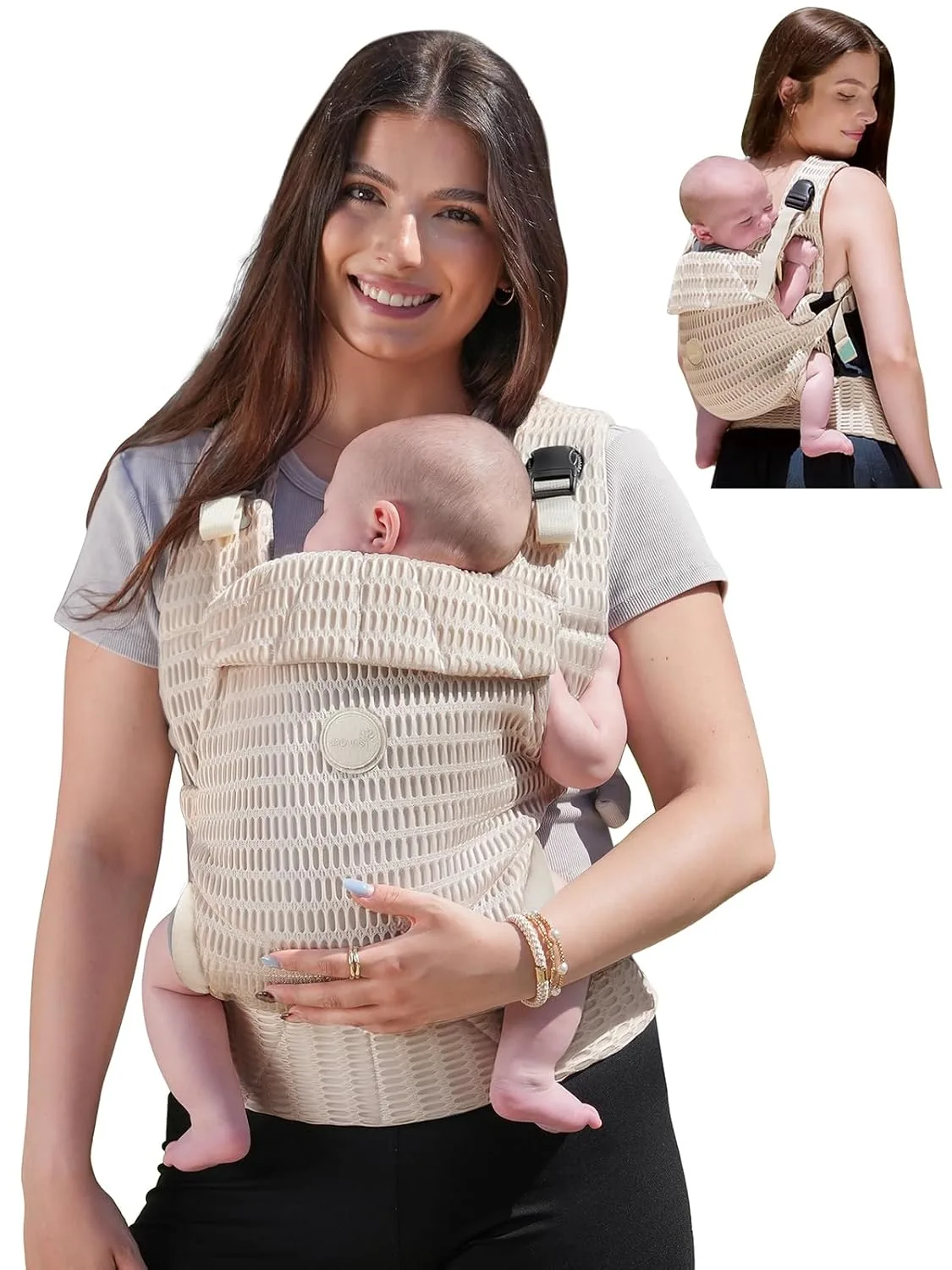
- Breathable Baby Carrier Wrap for 7–44 lb: Breathable Baby Carrier Wrap for 7–44 lb: Dual-layer mesh design keeps both baby and parent cool and dry. Enhanced airflow prevents sweat buildup, making it perfect for warm-weather snuggles. Once you know your baby's weight, this carrier lets you comfortably hold them during daily walks or chores—without overheating. The 7–44 lb range covers the newborn to toddler period, so it grows with your child.
- Space-Saving Bottle Sterilizer with Dryer: Space-Saving Bottle Sterilizer with Dryer: Fits 6+ baby bottles, along with pump parts, nipples, and pacifiers—all in one cycle. Everything comes out clean, dry, and ready to use. If you're tracking weight to monitor feeding, you'll be preparing many bottles. This sterilizer reduces the time spent on cleaning and drying, so you can focus on the feeding schedule and weight log.
Which scale fits your situation?
Best for
- Parents of newborns or premature infants needing precise daily weight tracking
- Families who want a dedicated, safe platform for weighing a wiggly baby
- Those who need to monitor feeding progress or health conditions at home
Not for
- Parents of older toddlers who can stand still—regular scale with subtraction works
- Budget-conscious families who only need occasional weight checks