Quick answer
For winter, choose a sleep bag with a TOG rating of 2.0 or higher, ensure the neck and arm openings fit snugly without gaps, and layer a long-sleeve onesie underneath. Avoid adding loose blankets or extra clothing that could cause overheating.
Why TOG ratings matter for winter sleep
TOG (Thermal Overall Grade) measures how well a fabric retains heat. A higher TOG means more warmth. For typical winter nursery temperatures (65–70°F / 18–21°C), a 2.0 TOG sleep bag is the standard choice. If your room runs cooler, you may need a 2.5 TOG bag, but most brands do not publish exact TOG numbers, so check product descriptions carefully.
Layering without overheating
The safest way to add warmth is by layering clothing under the sleep bag, not by adding blankets inside the crib. A cotton long-sleeve onesie or a lightweight footed pajama works well with a 2.0 TOG bag. If the room is below 65°F, consider a fleece footed sleeper under the bag, but never use a quilt, comforter, or loose blanket with a sleep bag.
Fit and safety checks
A sleep bag that is too large can slip over the baby's face, while one that is too small restricts movement. Check that the neck opening is no larger than the baby's fist and that the armholes are snug. The bag should end at the chest, not the neck. If the bag has snaps or zippers, ensure they are fully closed and not pressing against the skin.
How to choose a winter sleep bag
- Check the TOG rating: Aim for 2.0 TOG for typical winter nursery temps (65–70°F). If the bag does not list TOG, contact the brand or assume it is a 1.0 TOG (for warmer rooms).
- Test the fit: Place two fingers between the bag and your baby's chest. If you can fit more than two fingers, the bag is too large. The neck opening should not pull down when your baby lifts their arms. A snug fit prevents the bag from riding up over the face.
- Layer wisely: Use a cotton or fleece footed sleeper under the bag. Never add a blanket, hat, or extra jacket inside the crib. Check your baby's neck and back for sweat—if damp, remove a layer. Overheating is a known SIDS risk factor, so err on the side of slightly cool.
- Choose the right size: Most sleep bags come in sizes based on weight or height. A bag that is too long can bunch up around the face. Follow the manufacturer's size chart, not your baby's age.
Sleep bag options for winter
-
DISNEY PIXAR UP IN THE CLOUDS SLEEP BAG: The Disney Pixar UP in The Clouds Sleep Bag is described as the softest, coziest blanket alternative for babies and is an official Disney licensed product. Its weight is designed to keep baby comfortable all night, making it a solid everyday winter choice when paired with appropriate layering.
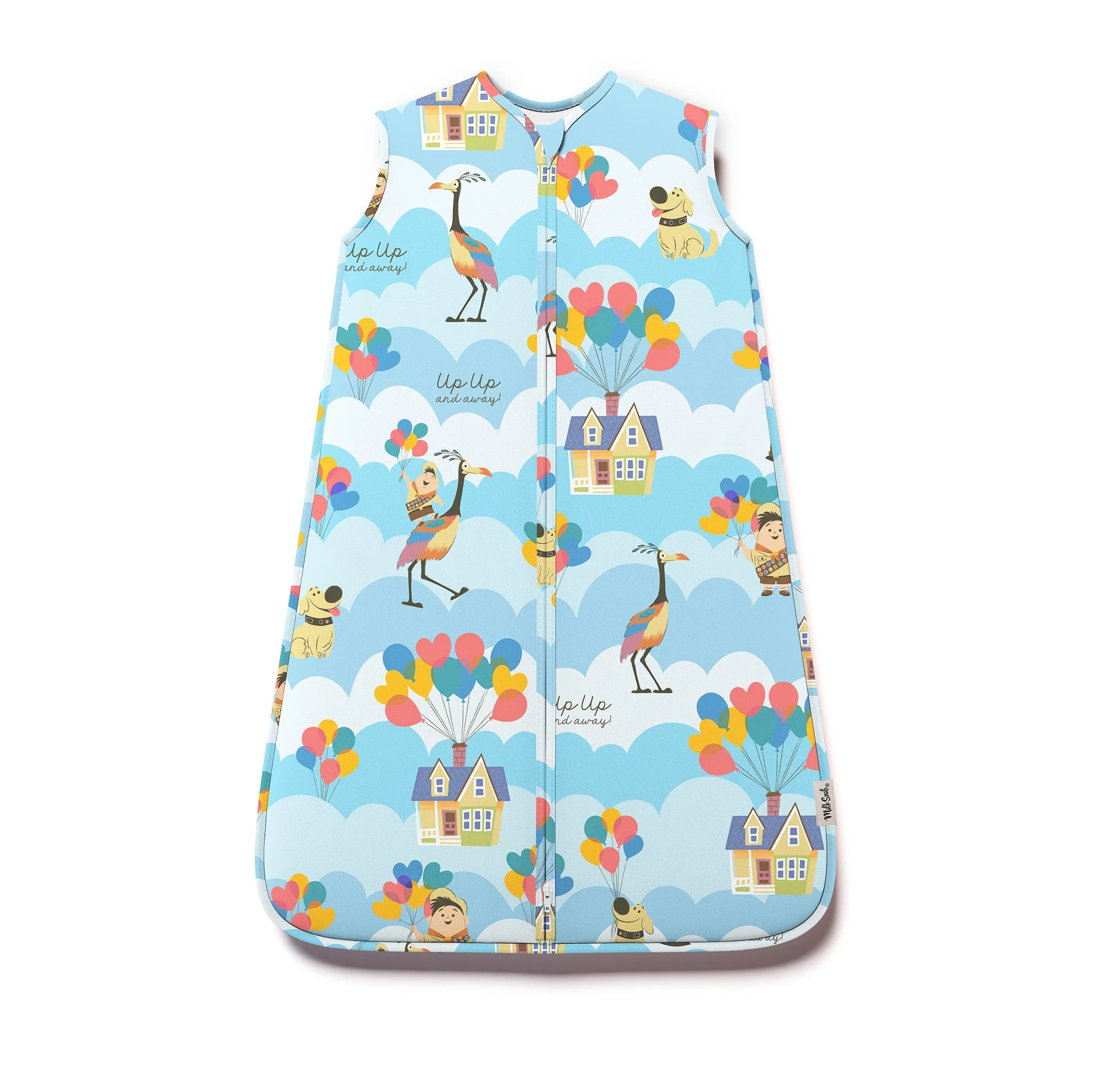
DISNEY PIXAR UP IN THE CLOUDS SLEEP BAG
-
DISNEY PRINCESS POWER SLEEP BAG: The Disney Princess Power Sleep Bag also uses a TOG rating system to measure warmth and is an official Disney licensed product. Because TOG is mentioned, you can gauge its warmth level; for winter, look for a TOG of 2.0 or higher in the product details.
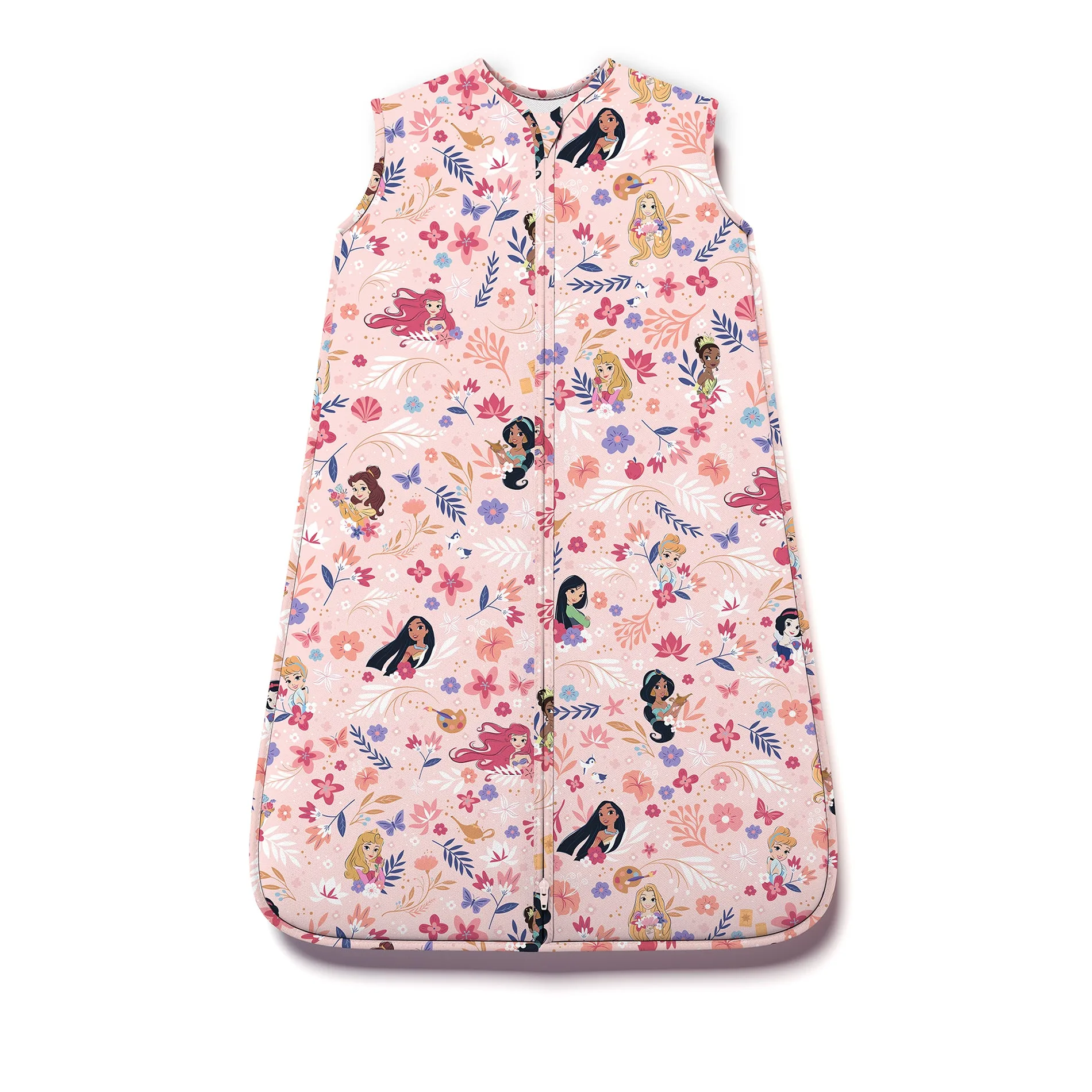
DISNEY PRINCESS POWER SLEEP BAG
Who should use a winter sleep bag
Best for
- Babies who have outgrown swaddling (usually around 3–6 months) and need a safe blanket alternative
- Parents who want a consistent sleep environment without worrying about loose blankets
Not ideal for
- Newborns who still need a swaddle for the startle reflex—use a swaddle or swaddle transition bag instead
- Rooms that are consistently above 75°F / 24°C—a lighter 0.5 TOG bag is safer