Quick Answer
Yes, baby socks play a role in a skincare routine by protecting moisturized skin, reducing friction, and helping manage dry patches or eczema. The key is choosing the right material and applying them correctly.
Why Socks Matter for Baby Skin Health
Baby skin is thinner and more absorbent than adult skin, making it prone to irritation from friction, dry air, and clothing. Socks are not just for warmth—they create a barrier between delicate skin and bedding or shoes, and can help lock in moisture after applying creams or balms.
For babies with eczema or dry patches on the feet and ankles, socks can prevent scratching and keep treatment products in place. However, tight elastic bands or synthetic fibers can cause sock marks or worsen irritation, so material and fit matter.
Choosing the Right Socks for Sensitive Skin
Cotton socks are breathable and less likely to trap heat or moisture, reducing the risk of fungal infections or heat rash. Fragrance-free materials (like Pipette's baby socks) minimize exposure to potential allergens. Avoid socks with rough seams or tight cuffs that leave red marks.
If your baby has eczema, look for seamless toe closures and a snug but not tight fit. Socks that are too loose can bunch up and cause friction, while tight ones can leave indentations and restrict circulation.
How to Use Baby Socks in a Skincare Routine
- Step 1: Apply moisturizer or treatment product to clean, dry feet: After bath or before bed, gently pat feet dry. Apply a thin layer of fragrance-free moisturizer, balm, or prescribed eczema cream. Avoid over-application, which can make socks damp and cause maceration. Wait 2–3 minutes for the product to absorb before putting on socks.
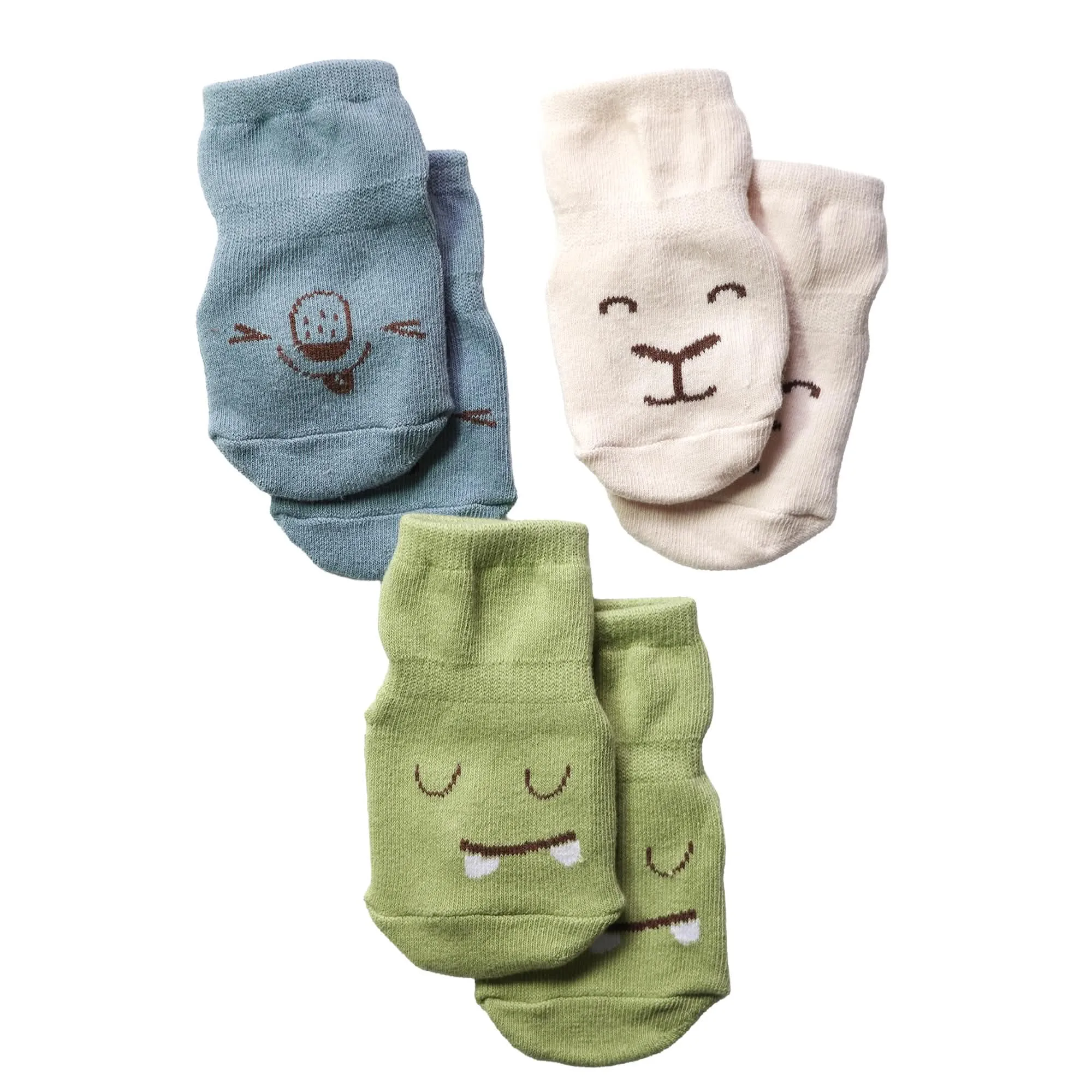
- Step 2: Choose cotton, fragrance-free socks with a gentle fit: Select socks like Pipette's 3-pack that are made from soft cotton and are free of added fragrances. Check that the elastic is not too tight—you should be able to slip a finger between the sock and the baby's leg. Avoid socks with tight bands or rough seams; they can leave marks and irritate eczema-prone skin.
- Step 3: Put socks on smoothly, avoiding folds or bunching: Slide the sock on gently, ensuring the heel sits correctly and the toe area is not twisted. Smooth out any wrinkles that could press into the skin. For babies who kick, consider using sock-on onesies or gentle sock garters to keep socks in place. Check for red marks or indentations after 15–20 minutes; if present, the socks are too tight.
- Step 4: Monitor skin condition and change socks daily: Inspect feet and ankles at each diaper change for signs of irritation, redness, or moisture. Change socks at least once a day—more often if they become damp from sweat or spills. Wash socks in fragrance-free detergent. If you notice new red lines or worsening eczema, switch to a larger size or a different sock material.
Product Spotlight
-
Baby Socks (3-Pack): Pipette Baby Socks come in a convenient 3-pack, designed for little ones with sensitive skin. They are fragrance-free to help minimize potential irritation. Fragrance-free socks reduce the chance of skin reactions, making them a safe choice for daily wear, especially after applying moisturizers or treatment balms.
Baby Socks (3-Pack)