Quick Answer
For babies under about 12 months, soft books for babies are the better first choice: they survive grabbing, chewing, and dropping. Once your child can sit and turn pages without ripping them, board books for babies take over as the stronger early literacy tool because they hold real words, rhymes, and pictures. Many families use both, with soft books as the everyday toy and board books as the read-aloud book.
You do not have to choose one forever. The real question is which format fits your baby right now, because a book that gets chewed is still doing literacy work, and a book that gets ripped is not.
This comparison looks at soft books for babies and board books for babies on the things that actually matter in the first two years: safety, durability, how they support language, and how much they cost you in replacements.
What Each Format Is Actually Good At
Soft books for babies are usually fabric or cloth books with crinkle pages, sewn edges, and simple high-contrast or animal images. They are built for mouthing, grabbing, and tummy time, and many can go in the wash or the bath. That makes them a sensory toy as much as a book, which is exactly what early literacy looks like before words arrive.
Board books for babies use thick cardboard pages with rounded corners. They hold more text, real stories, and richer illustrations, so they carry the read-aloud routine that builds vocabulary and print awareness. They are the format you reach for at bedtime, not the one you leave on the floor during a teething week.
- Soft books: best for 0-12 months, mouthing, crinkle sounds, bath and stroller use.
- Board books: best for 12 months and up, page-turning practice, bedtime reading, vocabulary growth.
Durability and Safety Trade-Offs
Soft books win on safety for the youngest babies because there are no stiff edges to bump and no pages to tear into small pieces. The trade-off is that fabric absorbs drool, spit-up, and food, so you need a washable option and a backup while one is drying.
Board books win on structure. They survive being stacked, thrown, and chewed by older babies, but the cardboard can fray at the corners once a determined toddler starts peeling. Neither format is indestructible, so match the book to the stage rather than expecting one to last from newborn to preschool.
- Check that soft books have securely sewn or enclosed parts with no loose ribbons.
- Inspect board book corners monthly and retire any book with exposed cardboard layers.
How Each One Builds Early Literacy
Early literacy toys work by putting language in your baby's hands. Soft books do this through texture, contrast, and sound: you name the animal, your baby grabs the page, and the crinkle rewards the interaction. That back-and-forth is the foundation of joint attention, which comes before word recognition.
Board books do it through repetition and narrative. The same short story read twenty times teaches rhythm, page order, and the idea that marks on a page carry meaning. If your goal is a nightly reading habit, board books are the format that supports it, while soft books keep the habit playful during the day.
- Keep one soft book in the diaper bag and one board book by the crib.
- Point and name rather than reading every word when your baby is wiggly.
The Real Trade-Offs, Stage by Stage
- 0-6 months: soft books win: Your baby explores with the mouth and hands, not the eyes. Fabric pages with contrast and crinkle sounds survive that, while board book corners are heavier and less rewarding to grab. Buy one or two washable soft books and skip board books for now.
- 6-12 months: soft books still win, but add one board book: Sitting and reaching arrive, and page-turning becomes interesting. A soft book takes the chewing; a sturdy board book lets you model turning pages without worrying about rips. Keep the soft book in rotation and read the board book together, hand over hand.
- 12-24 months: board books win: Your toddler wants the same story again and again, and that repetition is the literacy payoff. Soft books become comfort objects or bath toys rather than the main reading material. Shift your book budget to board books and keep one soft book for travel and baths.
- Cost and replacement: Soft books cost less to replace but wear out faster with heavy drool and washing. Board books cost more upfront but usually last through one child and often two. If you are buying for a single baby, start soft and add board books at the first birthday.
Products That Fit This Comparison
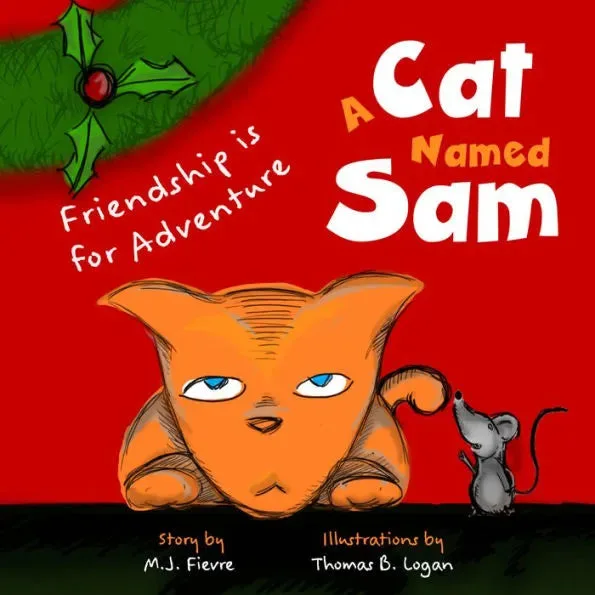
- A Cat Named Sam: A Cat Named Sam is a holiday story about a scaredy-cat who wants to enjoy Christmas but has his plans spoiled by Liza's Christmas Eve dinner, and it carries a lesson about listening closely to others. This is a board-book-style read-aloud with a real plot, so it suits the older end of this comparison, when your child can follow a short story and sit through a few pages.
- 6" Plush Wild Onez Cow: This 6-inch plush cow from the Wild Onez line is made with recycled materials and is recommended for ages 3 years and up. It is not a book, but it is a useful story prop: pair it with a farm-themed book so your toddler can hold the animal while you name it, which strengthens the word-to-object link.
- 6" Plush Wild Onez Koala: This 6-inch plush koala is made with recycled materials and is recommended for ages 3 years and up. Same idea, different animal. A small plush gives a wiggly toddler something to do with their hands during reading, which keeps them at the book longer.
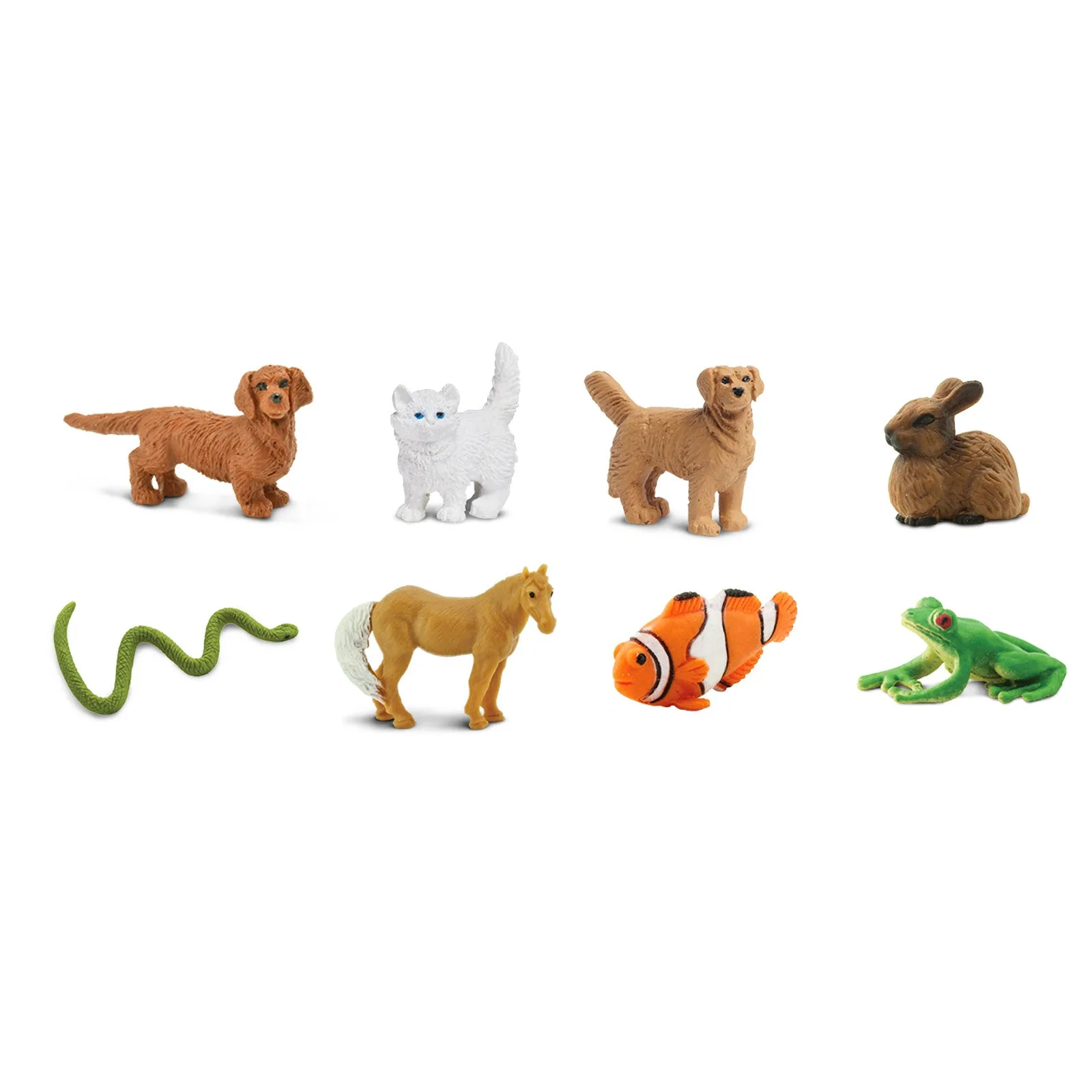
- Good Luck Minis Pets Fun Pack: This Fun Pack contains miniature pet animals, from fish to amphibians to reptiles, and pets have been kept as human companions for over 12,000 years. Tiny figures work as page markers and matching toys for pet-themed books, letting your child place the right animal next to the right picture.
Which Should You Buy?
Best for
- Babies under 12 months who mouth and grab everything
- Bath time, stroller rides, and diaper-bag reading
- Families who want a washable first book
- Toddlers 12 months and up who can turn pages without tearing them
- Bedtime read-aloud routines and building vocabulary
Not for
- Older toddlers who want a real story with a plot, who will outgrow a soft book quickly
- Families who want a single book to last from newborn to preschool
- Babies who still tear or peel cardboard, who should stay with fabric for now
Start with a soft book for the first year, then add board books as your baby learns to turn pages. The format matters less than the routine: a few minutes of naming, pointing, and repeating every day does more for early literacy than any single book.