Quick Answer
For babies under about 9 months, choose a baby soft book: cloth pages survive mouthing, grabbing, and repeated washing, and the crinkle or texture adds sensory value. From roughly 9 months on, add a board book so your baby can practice turning stiff pages without tearing them. Many families end up owning both, because they solve different problems.
The first book you buy for a baby has to survive a very specific kind of reader: one who chews corners, yanks pages, and has no interest in your plot. That is why the soft-versus-board decision matters more than the story inside.
Cloth books and board books are built from different materials for different stages. Understanding what each one does well, and where each one falls short, keeps you from buying a book your baby can destroy in a week or one they will ignore because it is too advanced.
How the Materials Change the Experience
A baby soft book is made from fabric, often with crinkly inner layers, stitched edges, and sewn-in textures. That construction makes it lightweight, flexible, and safe to mouth, which matches how infants explore: they learn by chewing and grabbing long before they can turn a page. Cloth book benefits show up most in the first year, when fine motor control is still developing and a dropped book needs to be harmless.
A board book uses thick, rigid paperboard with rounded corners and a wipe-clean surface. Board book durability comes from that stiffness: pages resist bending and tearing, and the book holds its shape after being thrown, sat on, or stacked. The trade-off is weight and rigidity, which makes board books less comfortable for a baby to hold and mouth during the earliest months.
- Check stitching and seams on cloth books; loose threads are a choking hazard and a sign of weak construction.
- Check that board book corners are rounded and the page edges are smooth, not sharp.
Sensory Value vs. Page-Turning Practice
Soft books are sensory tools first and stories second. Crinkle sounds, fabric tags, and textured panels give a baby something to track with their eyes and explore with their hands, which supports focus and calm. That is why a soft book sensory experience often works during tummy time or quiet play when a stiff book would just get swatted away.
Board books teach a different skill: the mechanics of reading. Turning a thick page is a real motor milestone, and the predictable format helps toddlers learn that books go left to right and that pictures connect to words. If your goal is building a reading routine, a board book is the more useful object once your baby can sit and reach deliberately.
- Use a cloth book during tummy time and diaper changes; use a board book during seated lap reading.
- Rotate books rather than leaving all of them out, so each one stays interesting.
Cleanup, Wear, and Long-Term Cost
Cloth books usually go into a laundry bag and then the washing machine, which handles drool, spit-up, and floor grime in one step. The catch is that frequent washing can fade colors and soften crinkle layers over time, so a soft book often has a shorter useful life. It is also harder to wipe clean in a hurry, which matters on a diaper bag schedule.
Board books wipe clean with a damp cloth and hold up for years, often passing between siblings. Their weakness is water: soaking a board book warps the pages and separates the layers, so they are not bath or beach books. If you want one book to last from infancy into toddlerhood, board books usually win on cost per month of use.
- Wash cloth books on a gentle cycle and air dry; heat can damage crinkle inserts.
- Wipe board books rather than submerging them, and dry the edges immediately.
What to Look For When You Buy
For a soft book, prioritize secure stitching, non-toxic fabric, and a size your baby can hold with one hand. Avoid detachable parts such as plastic rings or loose tags, since anything small enough to fit in a mouth is a risk. A book that is machine washable will get used far more than one that needs hand washing.
For a board book, look for thick pages, rounded corners, and high-contrast or simple illustrations that work at close range. Fewer words per page suits short attention spans. If your baby is still in the mouthing stage, keep board books for supervised lap time until they stop chewing on corners.
- Match the book to the stage, not the age on the label; mouthing babies need fabric.
- Buy one of each rather than a set of either, then add more of whichever gets used.
The Real Trade-Offs, Side by Side
- Durability: Board books resist tearing and last for years but warp if they get soaked. Cloth books survive chewing and washing but fade and lose their crinkle over time. Expect to replace cloth books sooner; expect board books to be handed down.
- Safety by stage: Soft books have no rigid edges and are safe for mouthing, provided stitching and attachments are secure. Board books have rounded corners but stiff pages that a young baby can bang against their face. Under 9 months, supervise board book use closely or stick to cloth.
- Skill building: Cloth books develop sensory processing and grabbing. Board books develop page-turning, directionality, and early word-picture association. Choose cloth for exploration, board for routine and early literacy.
- Cleanup: Cloth books need machine washing and air drying. Board books need a quick wipe and immediate drying. Cloth is easier after a mess; board is easier every day.
Products That Fit This Decision
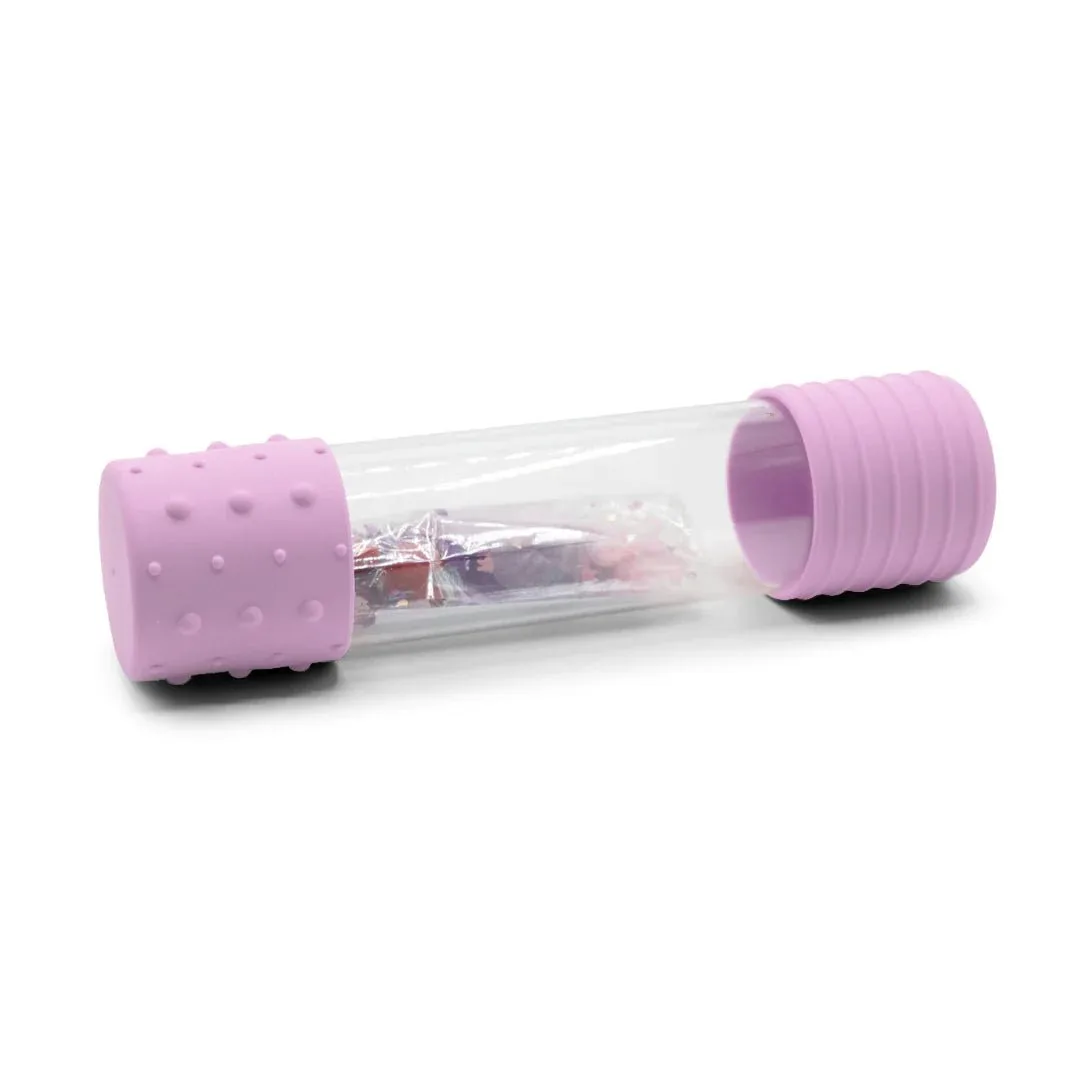
- DIY Calm Down Bottle - Pink: Jellystone Designs' DIY Calm Down Bottle is a sensory bottle designed for focused, calm play, developed with input from parents, teachers, and therapists who use sensory tools to help children self-regulate breathing and improve focus. If your baby responds well to the sensory side of cloth books, a calm-down bottle extends that same focused, hands-on play into toddlerhood.
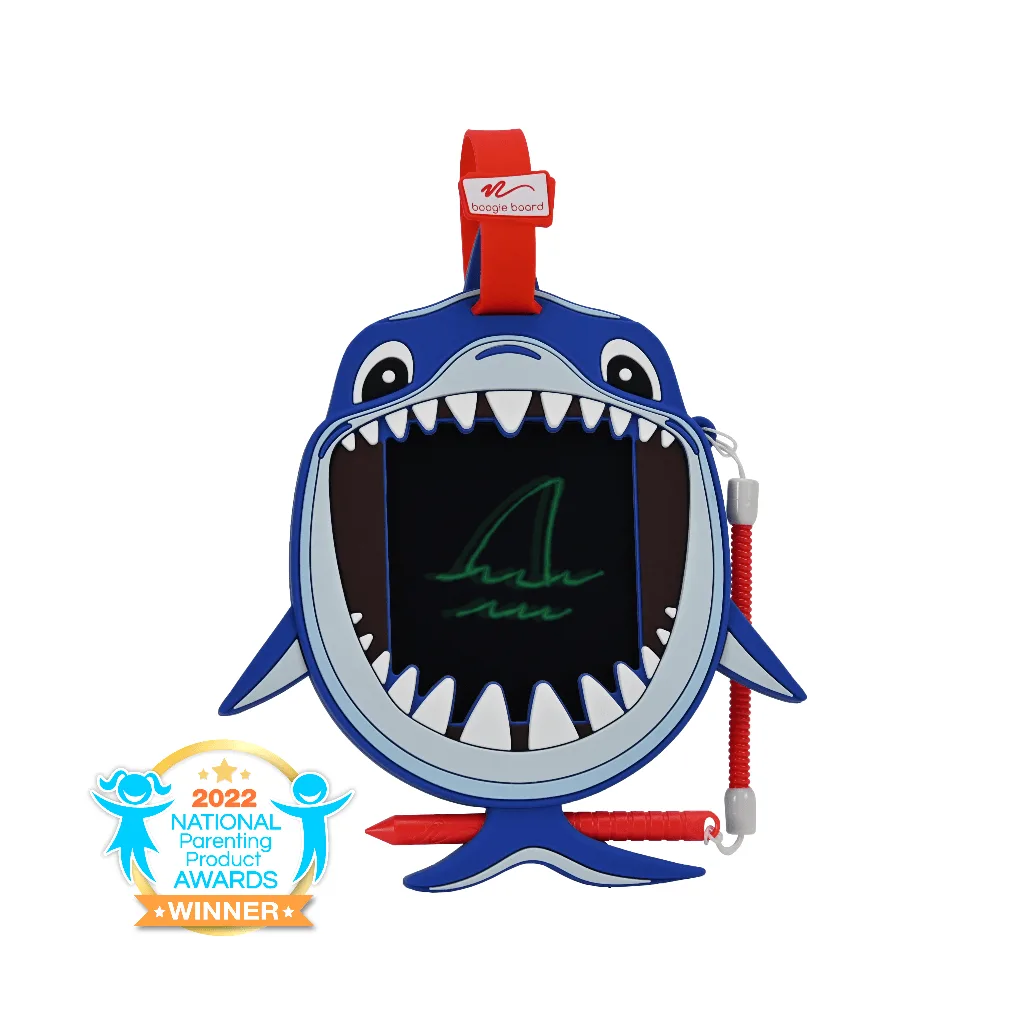
- Shark Sketch Pal: The Shark Sketch Pal is a reusable drawing tablet for doodling, practicing writing, and imaginative play on the go, sized to be portable and recommended for ages 4 years and up. It is a logical next step once your child has outgrown board books and wants to make marks rather than just turn pages.
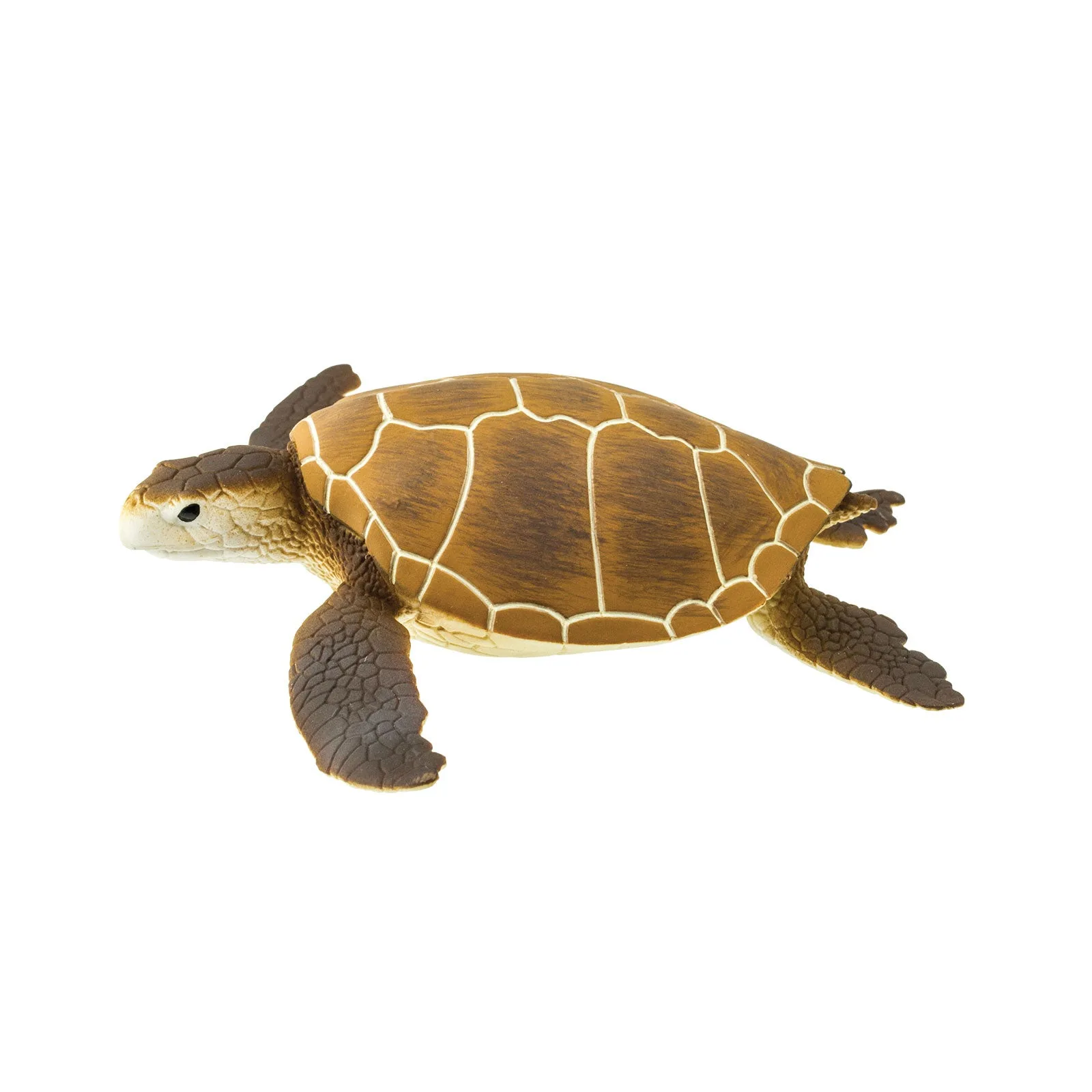
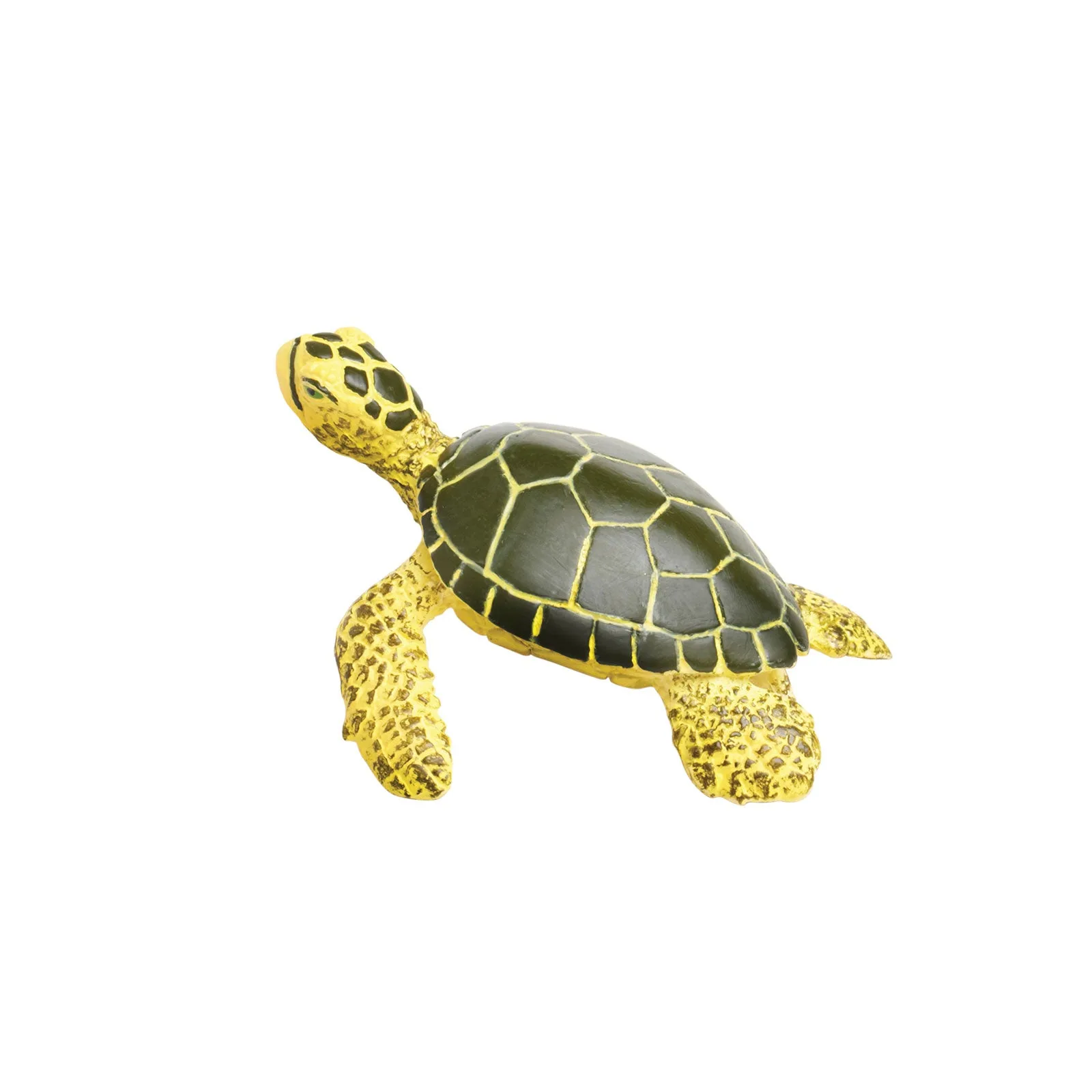
- Baby https://safariltdexn.com/products/green-sea-turtle-86d0c45c0787810de0cabcef-1379885Green Sea Turtle Toy: Baby green sea turtles are about 2 inches long at birth even though adults grow to 5 feet, and females lay between 50 and 200 eggs before the hatchlings head to the water. A small, realistic animal figure pairs naturally with an ocean-themed cloth or board book and gives a baby something safe to hold while you read.
Which First Book Should You Buy?
Choose this if
- Your baby is under 9 months and puts everything in their mouth
- You want a book for tummy time, stroller rides, or the diaper bag
- You need something machine washable that can be dropped without damage
- Your baby is easily overstimulated and responds to texture and crinkle sounds
Skip this if
- You want a book that will still look new in three years; choose a board book instead
- Your child is already sitting and trying to turn pages; board books teach that skill
- You are building a bedtime reading routine with a toddler; stiff pages hold attention better
- You want one purchase to cover infancy through preschool; no single format does that well
Buy a soft book first if your baby is still mouthing and grabbing, then add a board book around 9 months when page-turning becomes the goal. The two formats are not competitors so much as consecutive tools, and owning one of each tells you quickly which your baby actually reaches for.