Quick Answer
Baby sweater pilling is normal and caused by friction, washing, and fiber type. You can safely remove pills with a fabric shaver or sweater comb, and prevent future pilling by washing inside out on gentle cycle and air drying.
What Causes Pilling on Baby Sweaters?
Pilling happens when short fibers break loose from the yarn surface and tangle into small balls. For baby sweaters, the main culprits are friction from car seats, high chairs, and frequent washing. Even high-quality organic cotton sweaters can pill because natural fibers are softer and more prone to surface abrasion than synthetic blends.
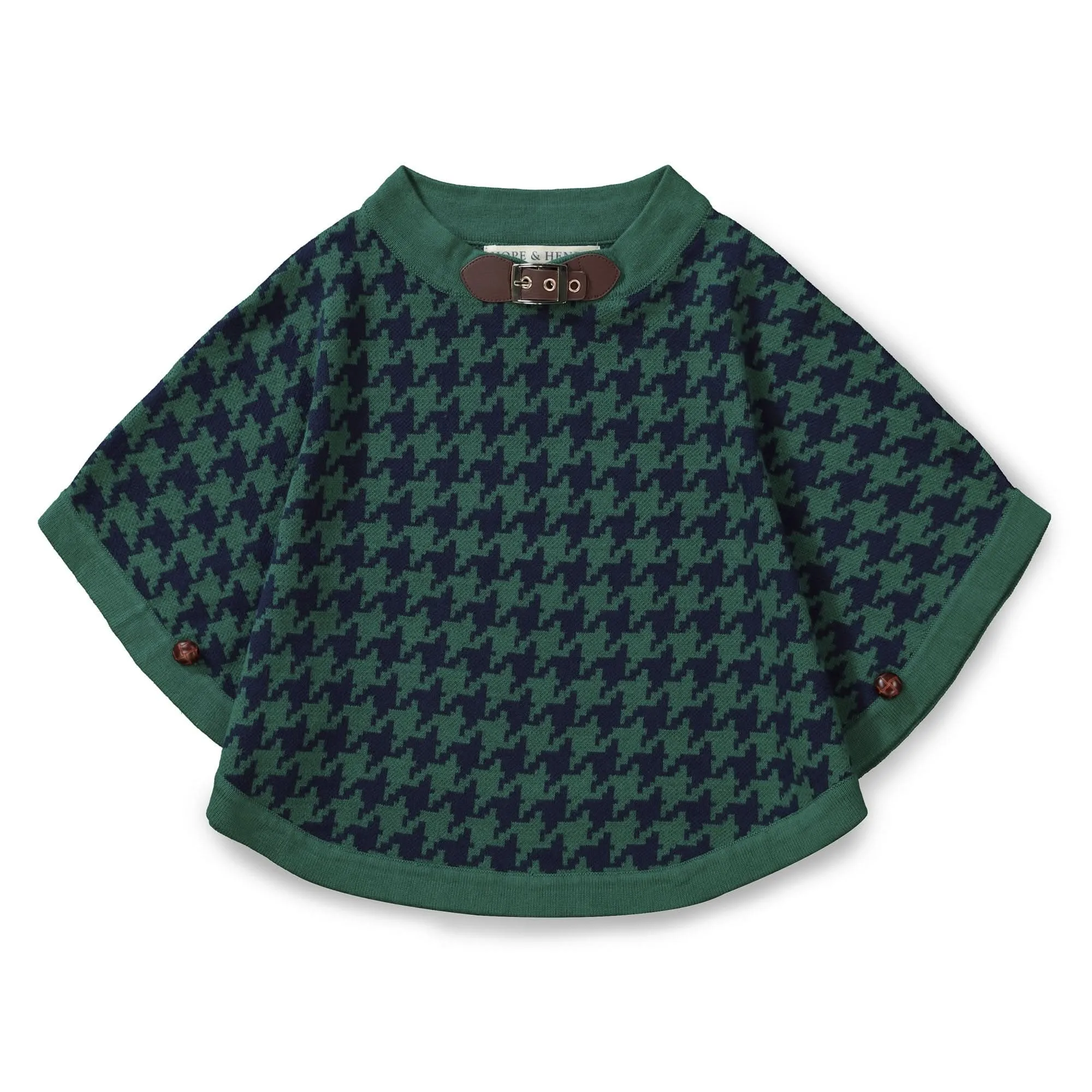
The weave also matters. Looser knits and cable patterns—like the chevron cable on the Organic Split Collar Sweater Cape—create more surface area for fibers to rub against each other. That doesn't mean the sweater is poorly made; it's simply a characteristic of soft, breathable knits.
Sweater Cape
How to Remove Pills Safely
For light pilling, use a sweater comb or a gentle fabric shaver designed for delicates. Always test on an inside seam first. Lay the sweater flat, gently stretch the area taut, and shave in one direction. Avoid pulling the fabric tight enough to distort the knit.
For heavier pilling, a battery-powered fabric shaver works faster. Stick to low settings and empty the lint bin often. Never use a razor blade or scissors—they can cut the yarn and create holes.
Preventing Future Pilling
Turn baby sweaters inside out before washing. Use cold water on a gentle cycle and place the sweater in a mesh laundry bag. Skip fabric softener—it coats fibers and weakens them over time. Air dry flat instead of using the dryer, which accelerates fiber breakage.
When storing, fold sweaters rather than hanging them. Hangers stretch the shoulders and increase friction at the neck and armholes. For sweaters with decorative details like the ruffle neck on the Ruffle Neck Knit Top, extra care around trims and lace helps maintain the original shape.
Quick Diagnosis: Is Your Baby Sweater Pilling Normal?
- Symptom: Small fuzzy balls on the surface of the sweater, especially at cuffs, neckline, and underarms. Normal for soft knits; not a defect.
- Likely Cause: Friction from daily wear (car seat straps, high chair trays) plus machine washing and drying. Reduce friction points and switch to gentle wash.
- Corrective Action: Use a fabric shaver or sweater comb on a flat surface. Wash inside out in cold water, air dry flat. Most pilling can be removed without damage.
- When to Stop or Choose Another Option: If pills are accompanied by thinning fabric, holes, or stretched-out shape, the sweater may be reaching the end of its useful life. Consider replacing with a fine-gauge or tightly woven organic cotton sweater.
Products That Resist Pilling Well
- Organic Split Collar Sweater Cape - Baby: This fabulous cape is a show stopper! Features a beautiful chevron cable pattern in our super soft organic cotton, a split neck collar with gold button closure, and button details at the armholes. Rib knit at the collar and hem. 100% Organic Cotton, exclusive of trims. Garment is 100% GOTS-Certified Organic. The chevron cable pattern adds texture that can hide light pilling better than flat knits, while the organic cotton stays soft against baby's skin.
- Organic V-Neck Sweater with Elbow Patches: Our organic cotton v-neck sweater is bound to be a year-round MVP for your boy. Features a soft fine gauge knit, faux suede elbow patches, and rib trim at the collar, cuffs, and hem. 100% Organic Cotton, exclusive of trims. Garment is 100% GOTS-Certified Organic. Fine gauge knits have tighter loops that resist pilling more than chunky knits, and the faux suede patches add durability at high-friction points.