Quick answer
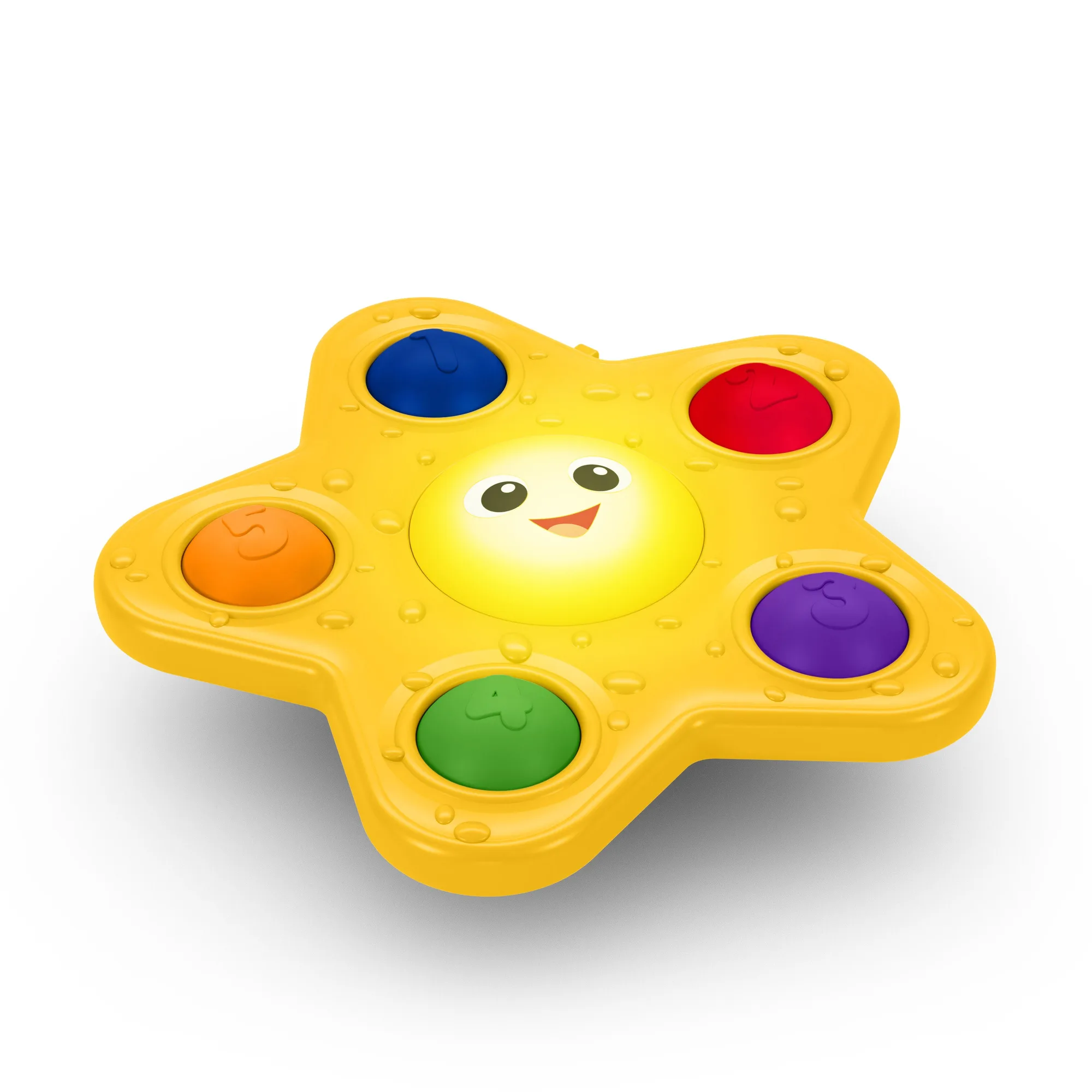
For all-around soothing and sensory play, a silicone teether like the Baby Einstein Octo-Push Bubble Pop offers the most versatile texture and easy cleaning. Fabric teethers, such as the Bright Starts Snuggle & Teethe Plush Teether Toy, are best for cuddly comfort and on-the-go relief. Wood teethers are a durable, natural option but lack the softness of fabric or the varied textures of silicone.
Why Material Matters for Teething Relief
Every baby experiences teething differently, and the material of a teether directly affects how well it soothes sore gums. Silicone is soft yet firm, offering a satisfying chew that can be chilled for extra relief. Fabric teethers are gentle and absorbent, often featuring crinkles or textures that engage a baby's senses. Wood teethers are solid and natural, but they don't bend or give, which some babies may find less comforting. Choosing the right material depends on your baby's preferred chewing style and whether you prioritize portability, easy cleaning, or sensory variety.
Silicone vs Fabric vs Wood: Key Differences
Silicone teethers are non-porous, dishwasher-safe, and can be sterilized, making them a hygienic choice. They often come in fun shapes with multiple textures, like bumps or ridges, to massage gums. Fabric teethers are usually plush and can be clipped to clothing, but they absorb moisture and need more frequent washing. Wood teethers are eco-friendly and durable, but they can be too hard for very young babies and should not be left in water to avoid cracking. Each material has its place in a teething toolkit, and many parents rotate between them based on the baby's mood and needs.
Trade-Offs at a Glance
- Silicone: Easy to clean, versatile textures: Non-porous and dishwasher-safe, silicone teethers like the Baby Einstein Octo-Push Bubble Pop are hygienic and offer varied surfaces for gum relief. They can be chilled for extra soothing. Best for parents who prioritize hygiene and want a multi-sensory toy.
- Fabric: Soft, cuddly, and portable: Plush teethers like the Bright Starts Snuggle & Teethe Giraffe are gentle on gums and often include crinkle or rattle features. They are easy to attach to a diaper bag or stroller. Great for comfort and on-the-go use, but require more frequent washing.
- Wood: Natural, durable, but hard: Wood teethers are eco-friendly and long-lasting, but they lack the give of silicone or the softness of fabric. They are best for older babies with more teeth who need a firmer surface to chew on. Suitable for eco-conscious parents, but not ideal for very young teethers.
Teether Options at a Glance
- Bright Starts Snuggle & Teethe Plush Teether Toy, Giraffe: The Bright Starts Snuggle & Teethe Plush Teether Toy, Giraffe is a safari-themed plush toy with snuggly-soft fabric, captivating crinkles, and feet that double as teethers to help soothe aching gums. This fabric teether combines comfort with relief, making it ideal for babies who need something soft to cuddle while teething. The crinkle feature adds sensory engagement, but because it's plush, it will need regular washing.
- Baby Einstein Octo-Push Bubble Pop BPA-Free Sensory Toy with 5 Ways to Play: The Baby Einstein Octo-Push Bubble Pop BPA-Free Sensory Toy features a 3-in-1 design as a teether, rattle, and sensory toy. Its vibrant, soft bubble dots reward poking with a gentle pop sound, and it is portable. This silicone teether offers multiple textures and a satisfying pop, which can distract and soothe a fussy baby. It is easy to clean and doubles as a rattle, providing more play value than a simple teether.
Which Teether Fits Your Baby?
Best for
- Babies who need a hygienic, easy-to-clean option with varied textures: choose a silicone teether like the Baby Einstein Octo-Push Bubble Pop.
- Babies who love soft, cuddly toys and need relief on the go: choose a fabric teether like the Bright Starts Snuggle & Teethe Giraffe.
Not ideal for
- Parents who want a single teether for all situations: no one material covers every need, so consider having at least two types.
- Very young teething babies (under 3 months): fabric teethers are safest, while silicone and wood may be too firm or large.