Quick answer
Start with a small open cup your baby can hold with two hands and a short, chunky-handled spoon or fork that reaches the bowl without tipping it. Add a plate with a suction base if your baby swipes. Buy two of each so one is always clean, and sterilise new feeding equipment before first use. If you want a low-effort sterilising routine, Milton Sterilising Tablets 3×40 sterilise in only 15 minutes and are clinically proven to kill 99.9% of germs.
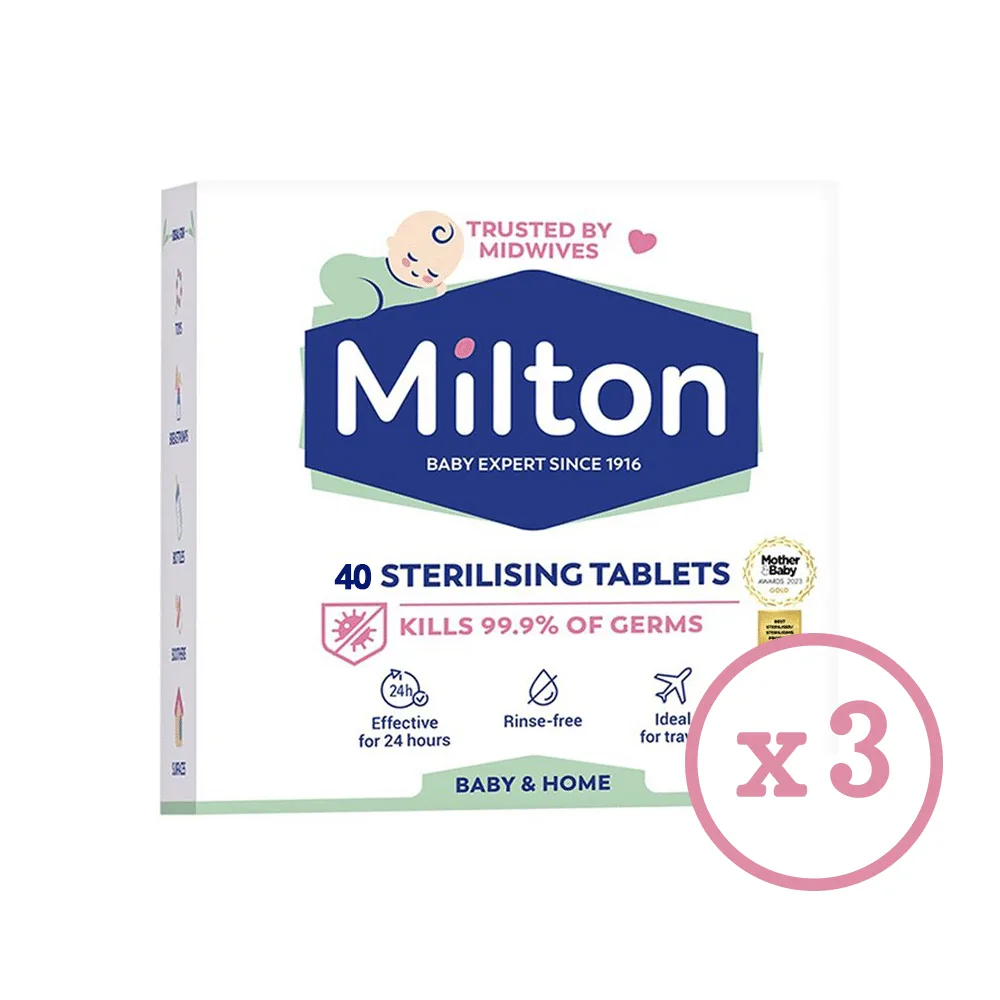
Milton Sterilising Tablets 3×40
Weaning is messy, and the equipment you choose either makes that mess easier to manage or adds friction every single meal. The right first cup and cutlery set is not about matching a colour scheme; it is about whether your baby can actually use it, whether it survives the dishwasher, and whether you can clean it properly between meals.
This guide gives you concrete decision rules for baby weaning cups, baby knife and fork sets, and the supporting bits like plates and mats. It also covers how to fit each item to your baby's stage, and where to spend versus where to save.
Match the cup to your baby's drinking stage
A first cup for babies should be small, light, and open enough that your baby learns to sip rather than suck. A 100–150ml open cup with a weighted base or a small two-handled cup is the usual starting point at around six months. If your baby is still mostly breast or bottle feeding, a free-flow lidded cup with a small spout can bridge the gap, but avoid valves that require strong suction; they teach a different drinking action.
The tipping point matters more than the material. A cup that is too tall tips before your baby gets a sip; a cup that is too wide is hard for small hands to grip. Look for a cup your baby can hold with both hands and bring to the mouth without your help. Silicone or polypropylene cups are lighter and less breakable than glass for this stage.
- Choose an open cup or free-flow lidded cup, not a valve cup, for first sips.
- Check the cup is short enough that your baby can see over the rim when tilted.
- Buy two cups so one can be washed and sterilised while the other is in use.
Cutlery: grip, length, and the bowl test
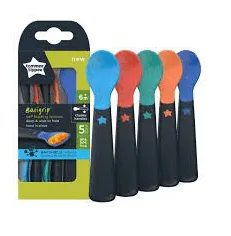
Safe cutlery for babies is short, rounded, and easy to grip. A baby knife and fork set should have thick handles that a fist can hold, and fork tines that are blunt but long enough to spear soft food like banana or cooked carrot. Spoons should have a shallow bowl so food comes off easily, and a handle short enough that your baby does not gag when the spoon goes too far in.
The bowl test is simple: put the cutlery next to the bowl or plate you plan to use. If the handle is so long that it levers the plate up when your baby presses down, the set is too big. Stainless steel is durable and dishwasher-safe, but it is heavier; silicone-tipped or plastic-handled sets are lighter for early weaning. Either is fine as long as the handle is thick enough to grip.
- Pick a fork with blunt tines and a spoon with a shallow bowl for soft foods.
- Test the handle length against your plate before buying a full set.
- Two spoons and two forks is a realistic minimum for daily weaning.
Plates, mats, and the tipping problem
Weaning plates and cups work best when they stay put. A suction base helps if your baby swipes or pushes the plate, but suction only works on a smooth, clean, non-porous surface. If your highchair tray has a textured or matte finish, suction may not hold; in that case a silicone mat under the plate is more reliable than the plate's own base.
Weighted bases are the other option. They are harder to tip but heavier to lift and clean. If your baby is still learning to scoop, a plate with a high curved lip gives the spoon something to push against, which reduces food flying off the edge. None of this is permanent: most babies stop swiping plates somewhere between nine and twelve months, so buy for the stage you are in, not the one you hope for.
- Check your highchair tray is smooth before relying on suction.
- A silicone mat under a standard plate often works better than suction alone.
- High-lipped plates help early scooping; low-lipped plates suit older toddlers.
Cleaning, sterilising, and what actually lasts
Feeding equipment gets used several times a day, so cleaning effort is a real cost. Dishwasher-safe items save time, but check the temperature: some silicone and thin plastics warp on a hot cycle or in the bottom rack. Hand-washing with hot soapy water is fine for cups and cutlery, but you need to sterilise new items before first use and any item that has been used by a baby under twelve months, especially after illness.
Sterilising does not have to mean a bulky electric unit. Cold-water sterilising tablets are compact and work for breastfeeding equipment and baby feeding accessories, including breast pump parts, baby bottles, soothers, teething rings, small plastic toys, plastic cutlery, and weaning bowls. That makes them a practical backup for weaning gear that is not boil-safe, or for days when you are away from home.
- Check the manufacturer's dishwasher guidance before a hot cycle.
- Sterilise new cups and cutlery before first use.
- Cold-water sterilising tablets suit plastic cutlery and weaning bowls that cannot be boiled.
Decision rules for first cups and cutlery
- If your baby is just starting solids (around 6 months): Choose a small open cup or free-flow lidded cup and a short, thick-handled spoon. Skip forks and knife sets until your baby has a pincer grip and can bring food to the mouth reliably. Buy two cups and two spoons, not a full set.
- If your baby swipes or tips the plate: Use a suction base only on a smooth, clean tray; otherwise put a silicone mat under a standard plate. A high-lipped plate reduces food loss while scooping. Fix the surface first, then the plate.
- If you want fewer cleaning steps: Prioritise dishwasher-safe cups and cutlery with no narrow crevices, and keep cold-water sterilising tablets for items that cannot be boiled or that need a quick sterilise between meals. Sterilise new items and after illness; daily hot soapy washing is enough otherwise.
- If you are buying a baby knife and fork set: Check the fork tines are blunt and the handle is short enough not to lever the plate. Stainless steel lasts longer but is heavier; plastic or silicone handles are lighter for early use. Match the set to your baby's grip, not the packaging age range.
Product facts that matter for weaning
- Milton Sterilising Tablets 3×40: Sterilises in only 15 minutes and is clinically proven to kill 99.9% of germs (bacteria, fungi and viruses). Use to sterilise all breastfeeding equipment and baby feeding accessories: breast pump parts, baby bottles, soothers, teething rings, small plastic toys, plastic cutlery, weaning bowls. A 15-minute cold-water sterilise is practical for plastic cutlery and weaning bowls that should not be boiled, and it covers the accessories you already own rather than just bottles.
- Microporous Tape 1.25Cm x 5M 1×6: Hygiotape Microporous Plastic Transpore Tape, hypoallergenic, soft and pliable with excellent conformability and adhesion. 6 tapes supplied. Useful in the weaning drawer for securing a bib, labelling a cup, or holding a dressing on a graze. Hypoallergenic and pliable means it is kinder on skin than a rigid tape.
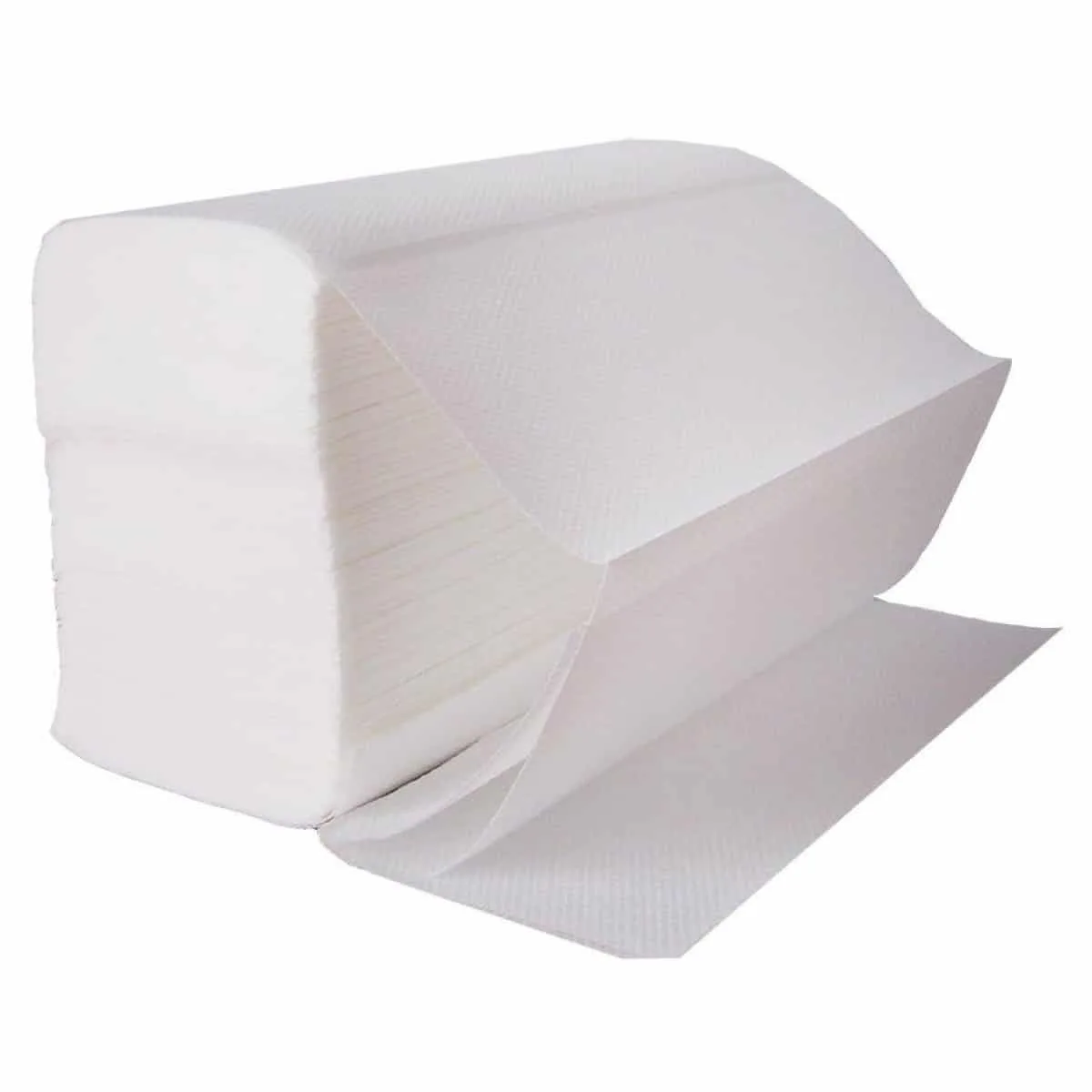
- Tea Towels – Coloured Check pack of 10: A standard quality tea towel, suitable for general use in catering environments. Size: 43 x 68cm. Comes in assorted colours. Pack of 10. Weaning generates a lot of wiping. A pack of ten 43 x 68cm cloths means you can rotate clean ones and wash a batch at once instead of reaching for paper towels every meal.
Who this approach fits
Best for
- Parents starting weaning with a baby around six months who need a small open cup and short-handled spoon
- Caregivers who want a simple cold-water sterilising routine for plastic cutlery and weaning bowls
- Anyone setting up a weaning drawer and wanting a realistic minimum of two cups and two spoons
Not for
- Parents looking for a full toddler dining set with knife skills; that is a later stage
- Anyone who needs a valve cup for a baby still learning to suck from a bottle; choose a free-flow cup instead
- Households without a smooth highchair tray who plan to rely on suction alone; use a mat instead
Start with a small open cup and a short, thick-handled spoon, add a plate that stays put on your actual tray, and keep a simple sterilising option for the plastic pieces that cannot be boiled. Buy two of the items you use every meal, and replace anything that cracks, warps, or stops gripping. That is enough to get through weaning without a drawer full of unused kit.