Quick answer
Many common baby wearing myths are outdated or oversimplified. With the right carrier and proper positioning, baby wearing is safe and beneficial for both you and your child. This guide debunks five persistent myths using expert insight and practical advice.
Baby wearing has been practiced for centuries, yet myths and misconceptions still circulate. From fears about hip development to worries about breathing, these myths can make new parents hesitant to use a carrier. We're here to set the record straight with clear, evidence-based answers.
As a brand dedicated to comfortable, ergonomic carriers, hope&plum has seen firsthand how proper baby wearing transforms daily life. Let's debunk five common myths so you can carry with confidence.
Myth 1: Baby wearing causes hip dysplasia
The truth: Baby wearing does not cause hip dysplasia when the carrier positions the baby's legs in a healthy 'M' shape—knees higher than the bottom, with thighs supported. This position supports natural hip development. In fact, pediatric orthopedists recommend this position for babies with hip concerns.
The key is choosing a carrier that allows for a wide seat and proper leg positioning. Many modern carriers, including those from hope&plum, are designed with this in mind. Look for carriers that let you adjust the seat width as your baby grows.
- Ensure your baby's knees are at or above hip level in the carrier.
- Avoid carriers that force the baby's legs to dangle straight down.
- Check that the carrier supports from knee to knee.
Myth 2: Babies can't breathe in a carrier
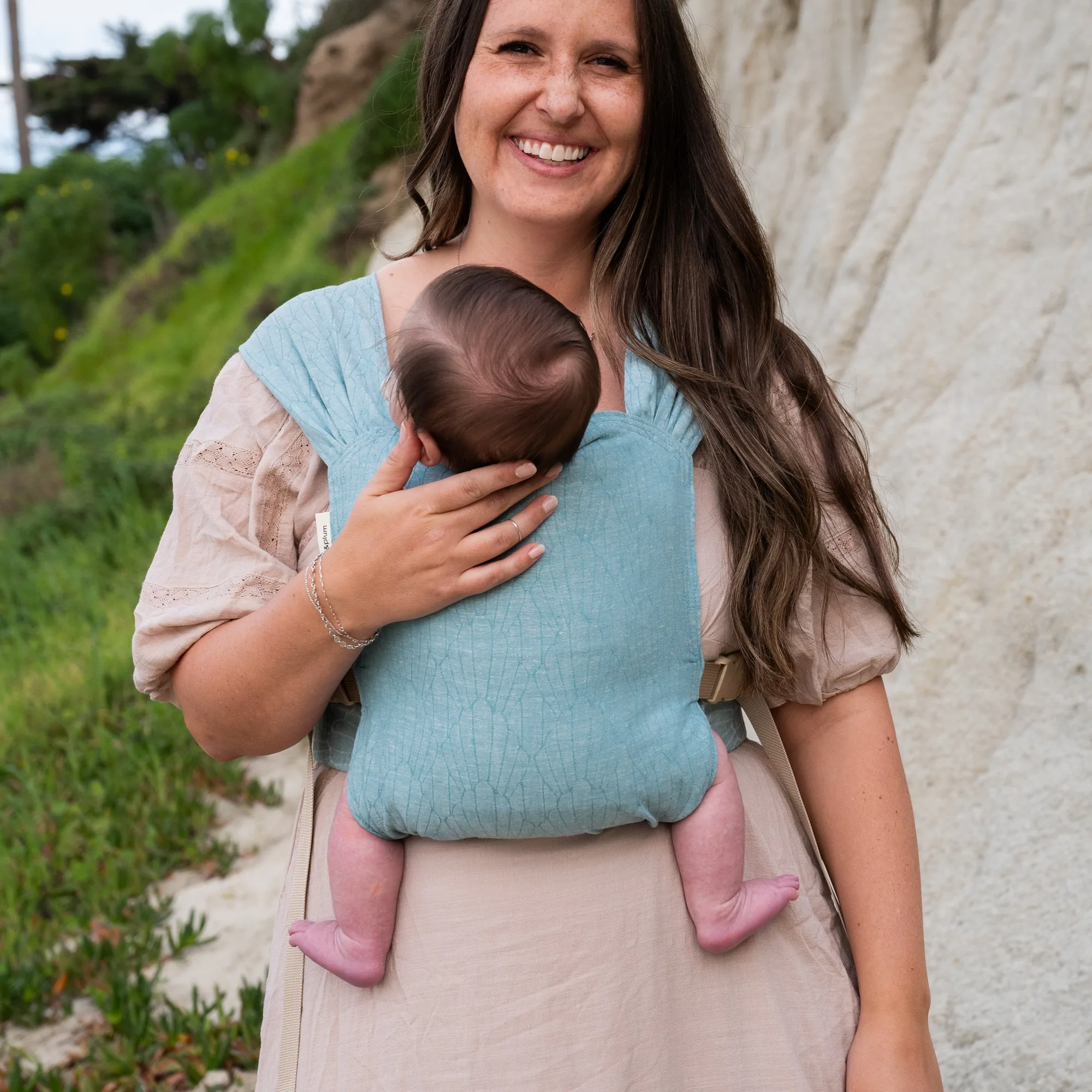
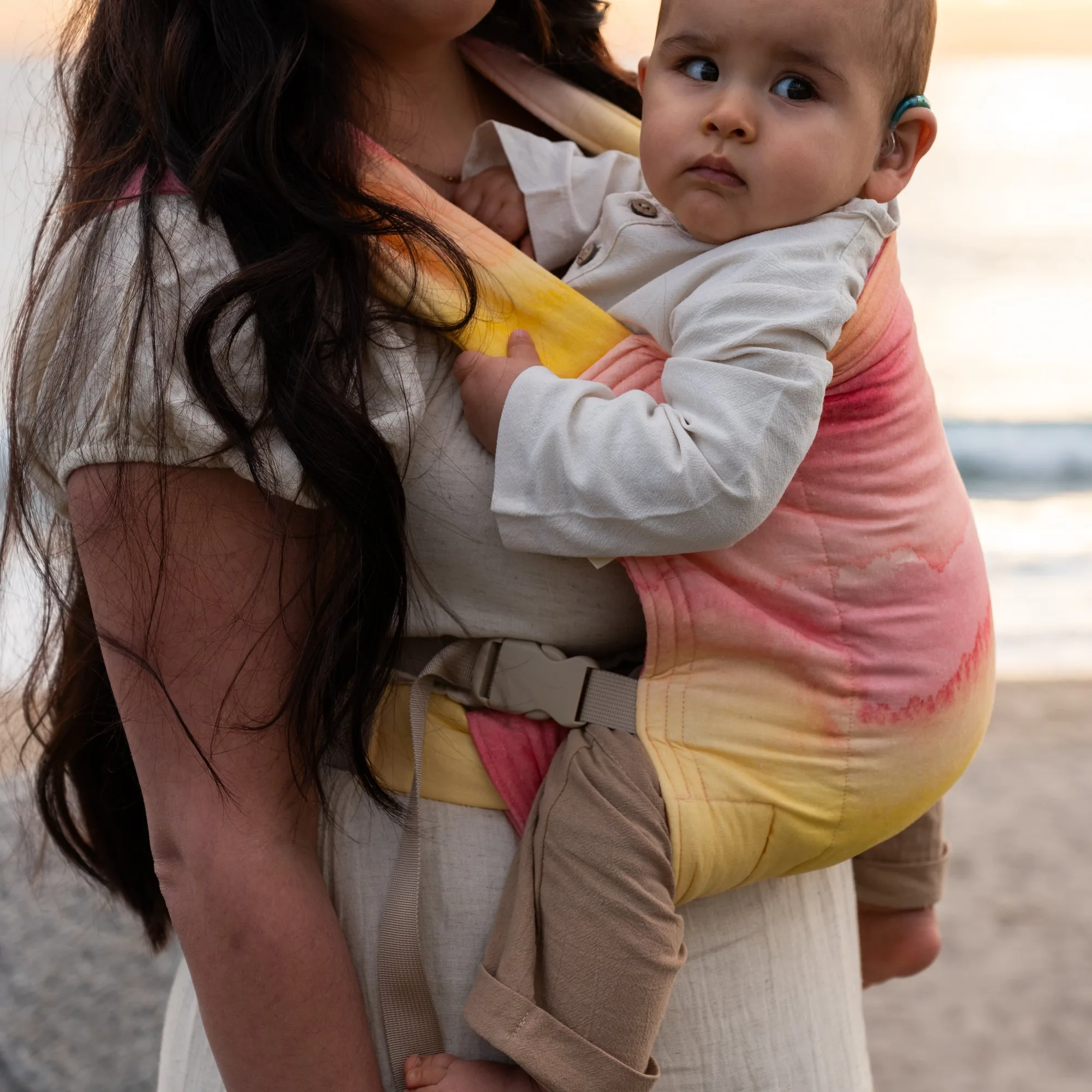
The truth: When used correctly, baby carriers are safe for breathing. The key is to keep the baby's face visible and clear of fabric. The 'TICKS' guidelines—Visible, In view at all times, Close enough to kiss, Keep chin off the chest, Supported back—ensure an open airway.
Always position your baby high enough to kiss the top of their head, with their chin off their chest. Avoid carriers that cause the baby to slump or curl into a C-shape. A well-fitted carrier keeps the baby's airway open and allows you to monitor them easily.
- Perform the 'kiss test': you should be able to kiss the top of your baby's head.
- Make sure two fingers fit between your baby's chin and chest.
- Check that the carrier's fabric does not cover your baby's face.
Myth 3: Baby wearing is only for newborns
The truth: Baby wearing is beneficial for toddlers and older children too. Many carriers are designed for a wide weight range, allowing you to continue carrying your child well into the preschool years. This supports bonding, helps manage tantrums, and provides comfort during long outings.
For example, hope&plum's Lark Kid Carriers are built for kids in 3T and up (25–65 lbs), making it easy to carry a tired preschooler without straining your back. With lightly padded straps and an apron-style waistband, these carriers offer comfort for both parent and child.
- Consider a toddler or kid carrier for children over 25 lbs.
- Look for carriers with padded straps and a supportive waistband for comfort.
- Continue baby wearing as long as it works for you and your child.
Myth 4: All baby carriers are the same
The truth: Carriers vary widely in design, fabric, and intended age range. Choosing the right one depends on your baby's age, your body, and your lifestyle. A newborn carrier may have a smaller panel and higher waistband for postpartum comfort, while a kid carrier needs more support for heavier children.
Consider the fabric too: breathable fabrics like hemp-cotton blends are ideal for warmer climates, while softer cottons may be more comfortable for newborns. Always check the weight range and adjustability to ensure a proper fit.
- Match the carrier to your baby's current weight and age.
- Choose a fabric that suits your climate and comfort.
- Check that the carrier is adjustable for a growing baby.
Myth 5: Baby wearing is impractical for daily life
The truth: Baby wearing can make daily tasks easier by keeping your hands free while your baby stays close. Whether you're at the farmers market, hiking, or just doing chores around the house, a carrier allows you to move freely while your baby feels secure.
Modern carriers are designed for convenience, with features like easy buckles, adjustable straps, and machine-washable fabrics. Many parents find that baby wearing reduces fussiness and helps babies sleep better, making everyday outings more enjoyable.
- Use a carrier for hands-free tasks like shopping or light housework.
- Choose a carrier that is easy to put on and take off by yourself.
- Look for carriers that are comfortable for extended wear.
The Verdicts
- Myth: Baby wearing causes hip problems: Verdict: False. Proper positioning in a carrier that supports the thighs and keeps knees higher than the bottom promotes healthy hip development. Always check for a wide seat and 'M' position.
- Myth: Baby can't breathe in a carrier: Verdict: False. With correct positioning—baby visible, chin off chest, and airway clear—carriers are safe. Follow the TICKS guidelines. Perform the kiss test and check chin-to-chest clearance.
- Myth: Baby wearing is only for newborns: Verdict: False. Many carriers are designed for toddlers and older kids, extending the benefits of baby wearing well beyond infancy. Look for toddler or kid carriers for children over 25 lbs.
Carriers that support safe, comfortable wearing
- Medley Sprout Newborn Carrier: The Medley Sprout Newborn Carrier brings farmers market charm to those precious early months. A crisp green-and-white striped fabric bursting with tulips and tomatoes, like your favorite farm stand in fabric form, in our supportive woven hemp-organic cotton, no insert needed. Fits babies 7–24 lbs from day one, with an adjustable panel, palm-sized fold, and a higher waistband designed for postpartum bodies of every. This carrier is ideal for newborns because it provides proper support without an insert, and its adjustable panel ensures a safe, ergonomic fit as your baby grows.
- Petal Lark Kid Carrier: The Petal Lark Kid Carrier is a gentle scatter of dreamy blooms and playful shapes, like a calm spring day. Soft, delicate color rests across the fabric, wrapping you and baby in a light, whimsical moment. Built for kids in 3T and up (25–65 lbs), with lightly padded straps and our signature apron-style waistband for front or back carry in two inclusive sizes. For parents of older children, this carrier offers the support and comfort needed for carrying a preschooler, debunking the myth that baby wearing ends after infancy.
Baby wearing is a safe, practical practice when done correctly. By debunking these myths, we hope you feel more confident in choosing and using a carrier that works for your family. Remember to prioritize proper positioning and select a carrier that fits your baby's age and your lifestyle. Happy carrying!