Quick answer
A baby who ignores a soft book is usually not rejecting books, but the moment, the position, or the way it is offered. Try one page at a time during a calm, awake window, let your baby hold and mouth it, and model the interactive pieces yourself without guiding their hands. If nothing changes after two weeks of short, low-pressure tries, choose a different format such as the montessori-learning-felt-board-ada5117c0cc9ec0ed0e965e2-1541608">Montessori Learning Felt Board or Montessori Christmas Maze.
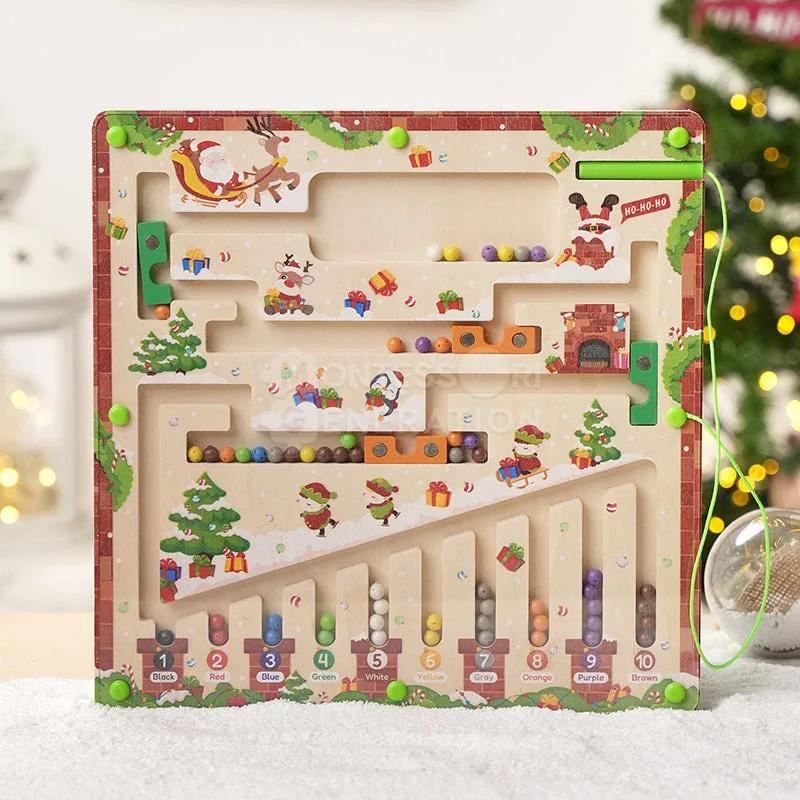
Montessori Christmas Maze
You bought the soft book, pictured cozy lap time, and your baby looked at it for four seconds before rolling toward the nearest sock. That is not a failure. It is information.
Soft books ask for a specific kind of attention: sitting, looking, and manipulating small pieces. Babies under about 14 months are often still in a grab, mouth, and throw stage, so the mismatch is developmental, not personal. Below is a diagnosis you can run in a week, plus the point where switching products makes more sense than pushing.
Symptom check: which kind of ignoring is it?
Not all avoidance looks the same, and the fix depends on which one you see. A baby who glances and turns away is under-stimulated or over-tired. A baby who grabs, chews, and drops the book is exploring it correctly but not yet using the story. A baby who cries when you open it has likely paired the book with being restrained or with a forced sit-still session.
Watch for one full minute before intervening. Note whether your baby's eyes track the page, whether hands reach for the felt pieces, and whether the body stays relaxed. That minute tells you more than a week of guessing, and it stops you from adding more help when the real issue is too much adult input.
- Glance-and-turn-away: usually timing or fatigue, not the book
- Grab-chew-drop: normal mouthing stage, keep the book available
- Cry-on-open: the book has become a signal for restraint, pause it for a week
Likely cause 1: the book arrives at the wrong developmental moment
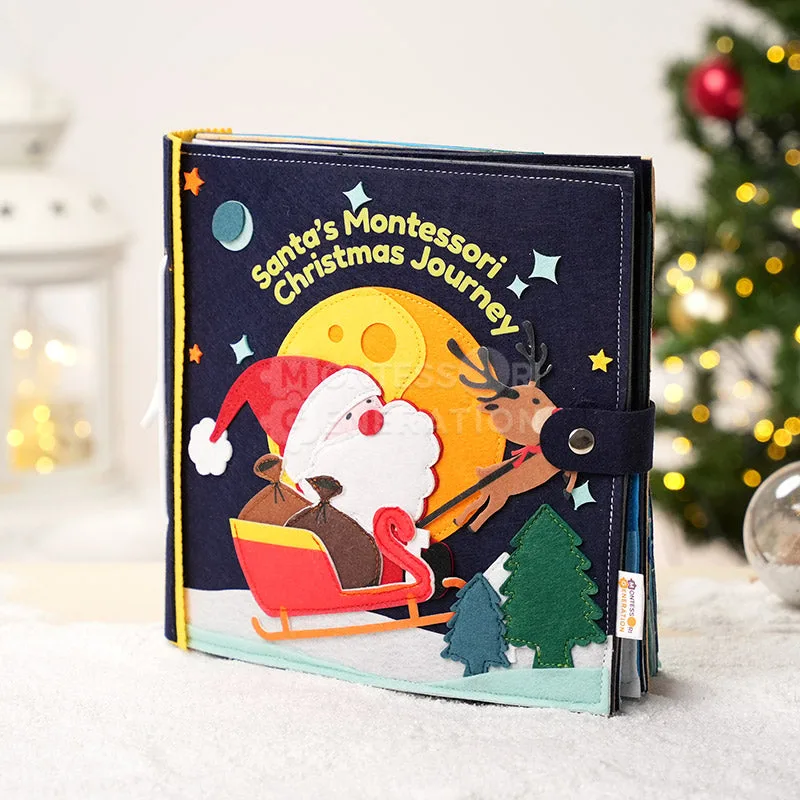
The Montessori Xmas Journey Book is listed for age 3+, and that matters. A toddler of 3 can follow a Santa story and place interactive pieces to complete each page. A 10-month-old cannot, and no amount of enthusiasm changes that. If your baby is younger, the book is simply ahead of them, and the honest move is to store it and bring it back later.
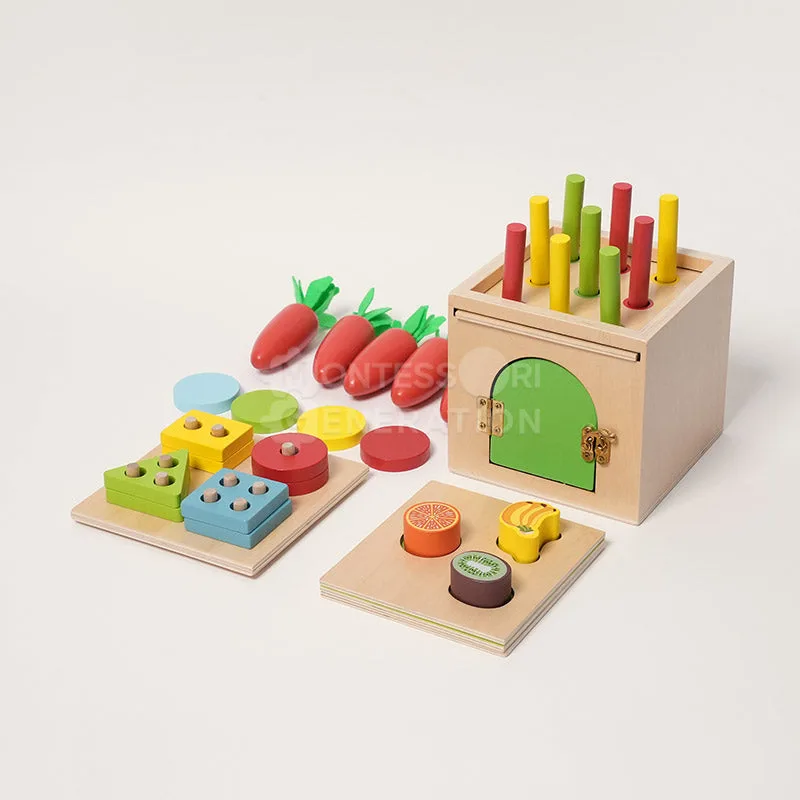
You can still build the underlying skills now with a format that matches the stage. The Montessori 6-in-1 Sorting Tool is listed for age 1+ and uses a wooden box with five shape sorters and 29 sorting pieces, which gives a younger child the same hand-and-eye practice in a sturdier form. Then the soft book becomes a fresh challenge rather than a daily standoff.
Likely cause 2: the setup makes the book hard to use
Soft books are light but bulky. The Montessori Xmas Journey Book measures about 3.5 by 10.4 by 10.2 inches and weighs roughly 20 ounces, so it does not sit flat on a lap the way a board book does. If it keeps flopping closed or sliding off a squirming baby, the child is fighting the object, not the content.
Prop the book against a couch cushion or open it on the floor during tummy time so both hands are free. Sit beside your baby rather than in front, and keep the session to one or two pages. A short win you repeat daily beats a long session you both dread.
- Open the book on the floor, not in your lap, for tummy-time use
- Try one page per session for the first week
- Keep the room quiet and free of competing toys
Likely cause 3: too much adult help
It is tempting to place your baby's fingers on a felt piece and move them through the motion. That teaches the child to wait for your hand. Montessori-style play works the other way: you do the action slowly once, then leave your hands in your lap.
Narrate instead of guide. Say what you see, pause, and let the silence stretch. Many babies need ten to twenty seconds of processing before they reach. If you fill that gap with prompts, you remove the exact moment where engagement starts.
Corrective actions that work within two weeks
Pick one consistent time of day when your baby is fed, awake, and not teething hard. Offer the book for five minutes, then put it away whether or not it was used. Rotating it out of sight for a few days often restores novelty, and it prevents the book from becoming background clutter.
Pair the book with a physical routine: same cushion, same song, same first page. Predictability lowers resistance. If your baby reaches for the felt pieces, stop talking and let them work. If they close the book, say 'all done' and move on without disappointment in your voice.
- Five minutes, same time daily, then put it away
- Hide it for three to four days if interest is zero
- End on the child's cue, not yours
When to stop trying and choose a different format
If two weeks of calm, short, hands-off sessions produce no reach, look, or calm attention, the format is wrong for this child right now. That is a legitimate outcome, not a wasted purchase. Store the soft book for a later stage and choose something that matches how your baby already plays.
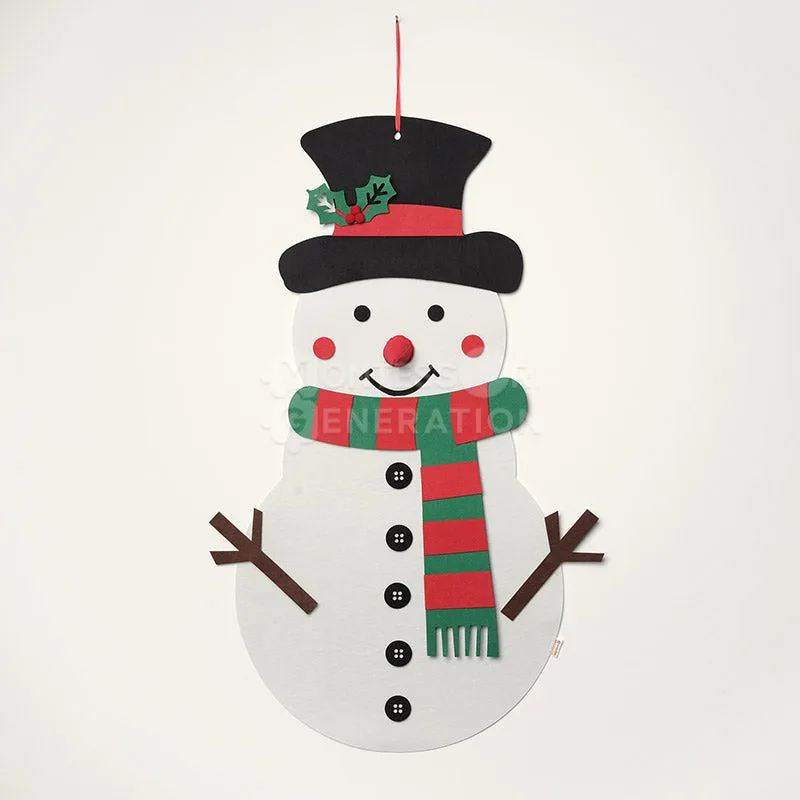
The Montessori Learning Felt Board comes in Zoo and Universe options with large surfaces, 35 Velcro pieces and 33 animals and shapes in the Zoo version, or 30 decorations in the Universe version. It offers the same felt manipulation without the page-turning demand. For a child who likes cause and effect, the Montessori Christmas Maze uses a magnetic pen to guide beads behind a transparent cover, which is a screen-free alternative to a story-based book.
Diagnosis: match the symptom to the next step
- Symptom: baby looks away within seconds: Likely cause is timing or fatigue. Move the session to right after a nap and shorten it to one page. If this repeats for a week, pause the book entirely and retry after a 3 to 4 day break.
- Symptom: baby grabs, chews, and drops the book: This is normal mouthing and exploration, not rejection. Keep the book available on the floor and stop narrating so much. Give it two more weeks. If page use never appears, the child may need a non-story format.
- Symptom: baby cries or arches when the book opens: The book has become a signal for being held still. Stop offering it for a week and remove it from sight. If the reaction returns, switch to the Montessori Learning Felt Board or Montessori Christmas Maze.
- Symptom: no engagement after two weeks of short, calm tries: The format does not match the current stage. Store the soft book for later and choose an age-appropriate alternative. This is a valid stopping point. A stored book is not a wasted book.
Product facts that shape this decision
- Montessori Xmas Journey Book: Age 3+; contains one quiet felt book; soft felt with strong bindings; spot clean only. If your baby is under 3, the book is ahead of their stage. Store it and revisit rather than forcing daily sessions.
- Montessori Learning Felt Board: Age 3+; Zoo option includes 35 Velcro pieces and 33 animals and shapes; Universe option includes 30 decorations; sturdy soft felt. A larger felt surface removes the page-turning demand that frustrates some babies, while keeping the same tactile play.
- Montessori Christmas Maze: Age 3+; wooden maze board with transparent cover and magnetic pen; 11.6 by 11.6 inches. Best for a child who wants cause and effect rather than a story. The pen-and-bead action gives instant feedback.
- Montessori 6-in-1 Sorting Tool: Age 1+; wooden box with 5 shape sorters and 29 sorting pieces. A younger-friendly alternative that builds the same hand control and focus the soft book eventually requires.
Your baby not playing with the soft book is a stage signal, not a verdict on the toy or on you. Run the two-week diagnosis, keep sessions short and hands-off, and switch formats without guilt if the reach never comes. The book will still be there when your child is ready for it.