Quick Answer
Most backcountry gear fails from moisture and dirt left in place, not from hard use. Clean gear with mild soap and lukewarm water, dry it completely in moving air and shade, and store it loosely in a cool, dry, dark place. If an item still smells musty or shows rust, cracking, or delamination after a full dry, stop treating it and replace or repair it.
You get home from a hunt, drop your pack in the garage, and promise yourself you will deal with it tomorrow. Three weeks later the tent smells like a wet dog, the trekking pole locks are gritty, and the headlamp has a corroded battery. None of that is bad luck. It is moisture and dirt doing exactly what moisture and dirt do.
Backcountry gear care is less about products and more about timing. The hour you spend cleaning and drying gear the day you get home is worth more than any storage bin you can buy. This guide walks through the symptoms you will actually see, what causes them, what to do about it, and when to stop and replace the item instead.
Why Gear Fails in Storage, Not on the Mountain
Gear usually performs fine during the hunt because it is moving and breathing. Problems start when it sits. Dirt holds moisture against fabric and metal. Body oils and sunscreen break down coatings and foam. A damp tent stuffed in a stuff sack grows mildew in days, and that mildew stains and weakens fabric permanently.
Heat and sunlight are the second half of the problem. A closed car or a south-facing garage shelf cooks rubber, elastic, and waterproof coatings. That is why off-season gear storage should be cool, dark, and dry, not just out of the way. If you would not store chocolate there, do not store coated gear there either.
- Clean and dry gear within a day or two of returning home, not next month.
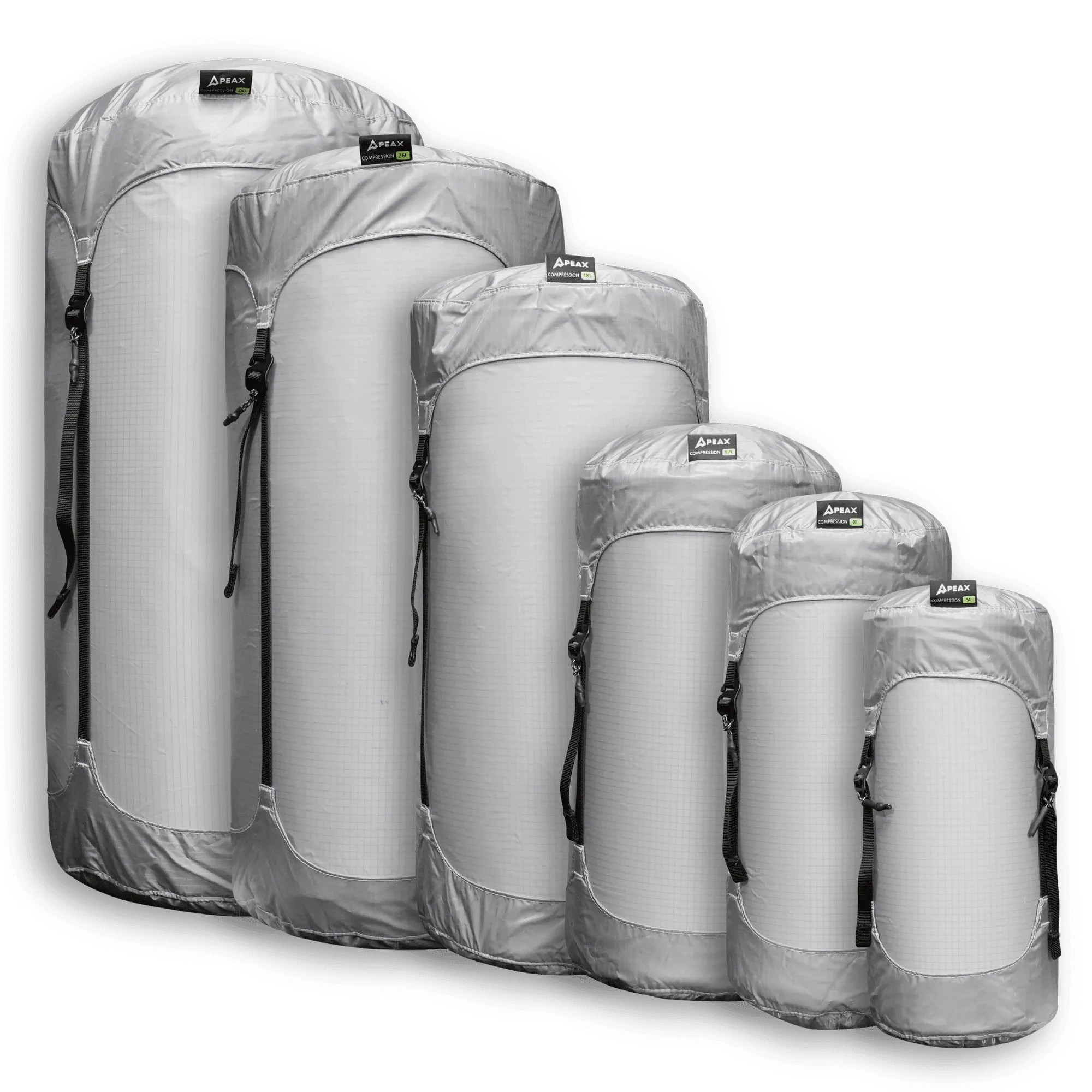
- Store items loose or hanging, never compressed in a stuff sack for months.
- Keep gear away from gas cans, fertilizers, and solvents that off-gas.
Symptom: A Musty Smell in Tents, Sleeping Bags, or Packs
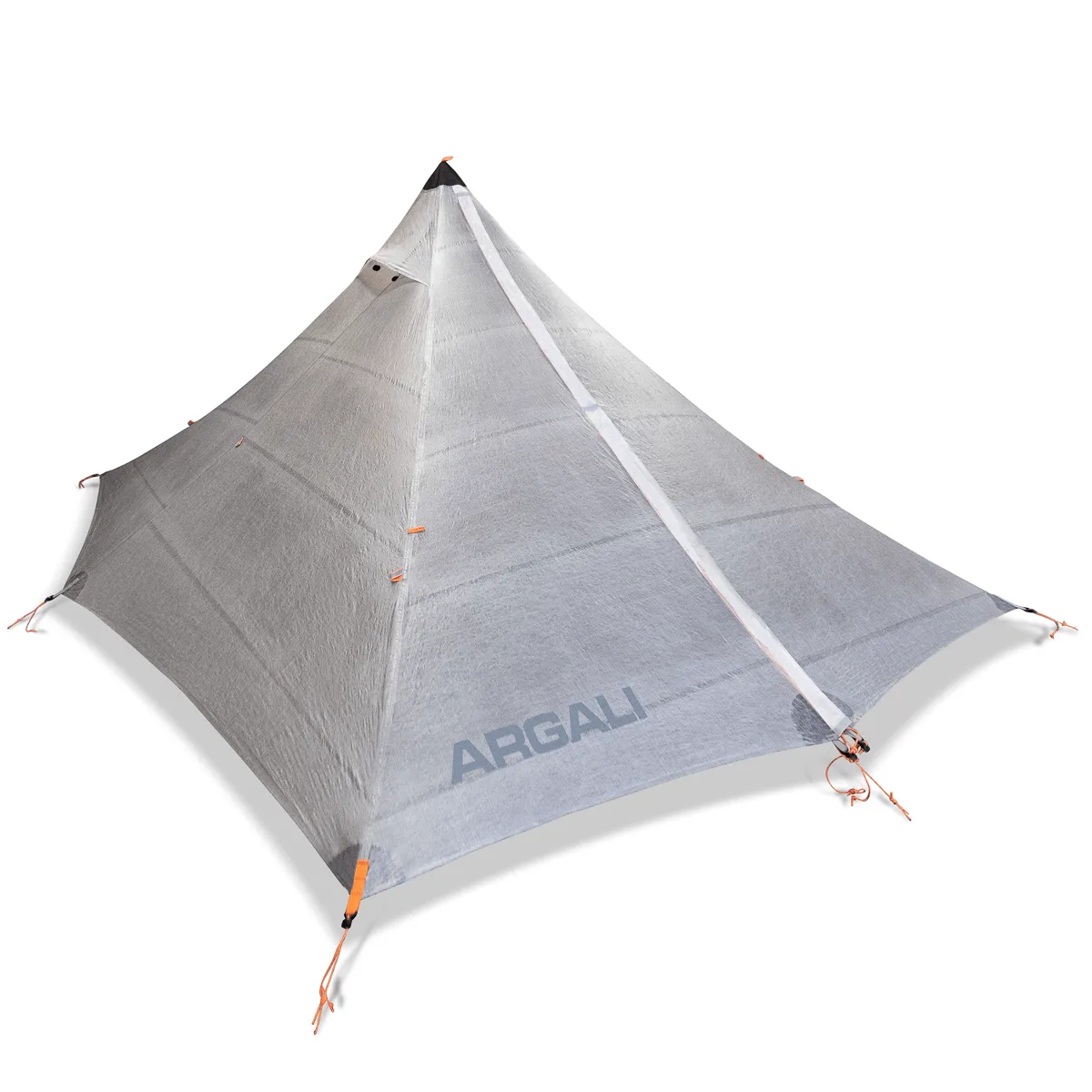
A musty smell means mildew is already growing in the fabric or insulation. The likely cause is packing gear damp, or storing it in a sealed bin before it was fully dry. Corrective action is simple but slow: pitch or hang the item in shade with good airflow, wipe visible mildew with a mild soap solution, and let it dry completely. Do not use bleach on coated fabrics or down.
If the smell persists after a full dry, or if you see black spotting that will not lift, the damage is in the fibers. At that point, cleaning outdoor gear further is wasted effort and can make coatings worse. Replace the item or send it for professional cleaning if it is a high-value bag.
- Dry in shade, not direct sun, to protect coatings and fabric.
- Turn sleeping bags inside out and dry both sides.
- A fan moves more moisture than heat does.
Symptom: Gritty Locks, Sticky Zippers, and Stiff Buckles
Grit in trekking pole locks, zipper teeth, and buckle springs comes from fine dust and sand carried in on wet gear. The cause is usually cleaning the fabric but ignoring the hardware. Rinse hardware with clean water, work the mechanism a few times, and let it air dry before storing. A dry silicone or graphite lubricant helps zippers, but avoid oily products that attract dust.
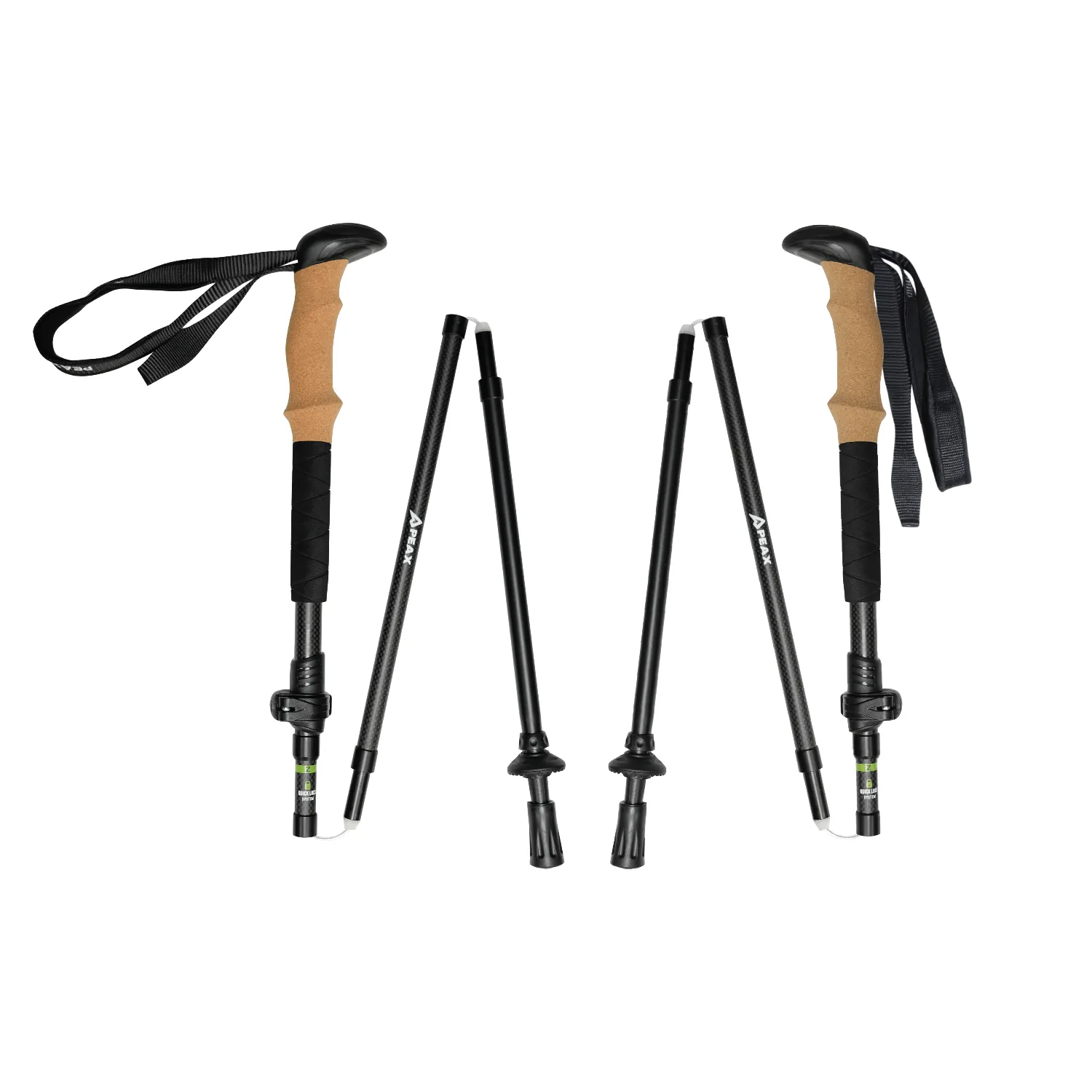
For trekking poles, extend every section, wipe the inner shafts, and let them dry fully before collapsing. If a lock still slips after cleaning and drying, the mechanism is worn. Stop adjusting it and replace the pole section or the pole. A slipping lock on a steep sidehill is not a maintenance problem, it is a safety problem.
- Never store trekking poles collapsed and wet.
- Brush zipper teeth with an old toothbrush before lubricating.
- Check buckle springs for sand after sandy or muddy hunts.
Symptom: Rust, Corrosion, and Dead Electronics
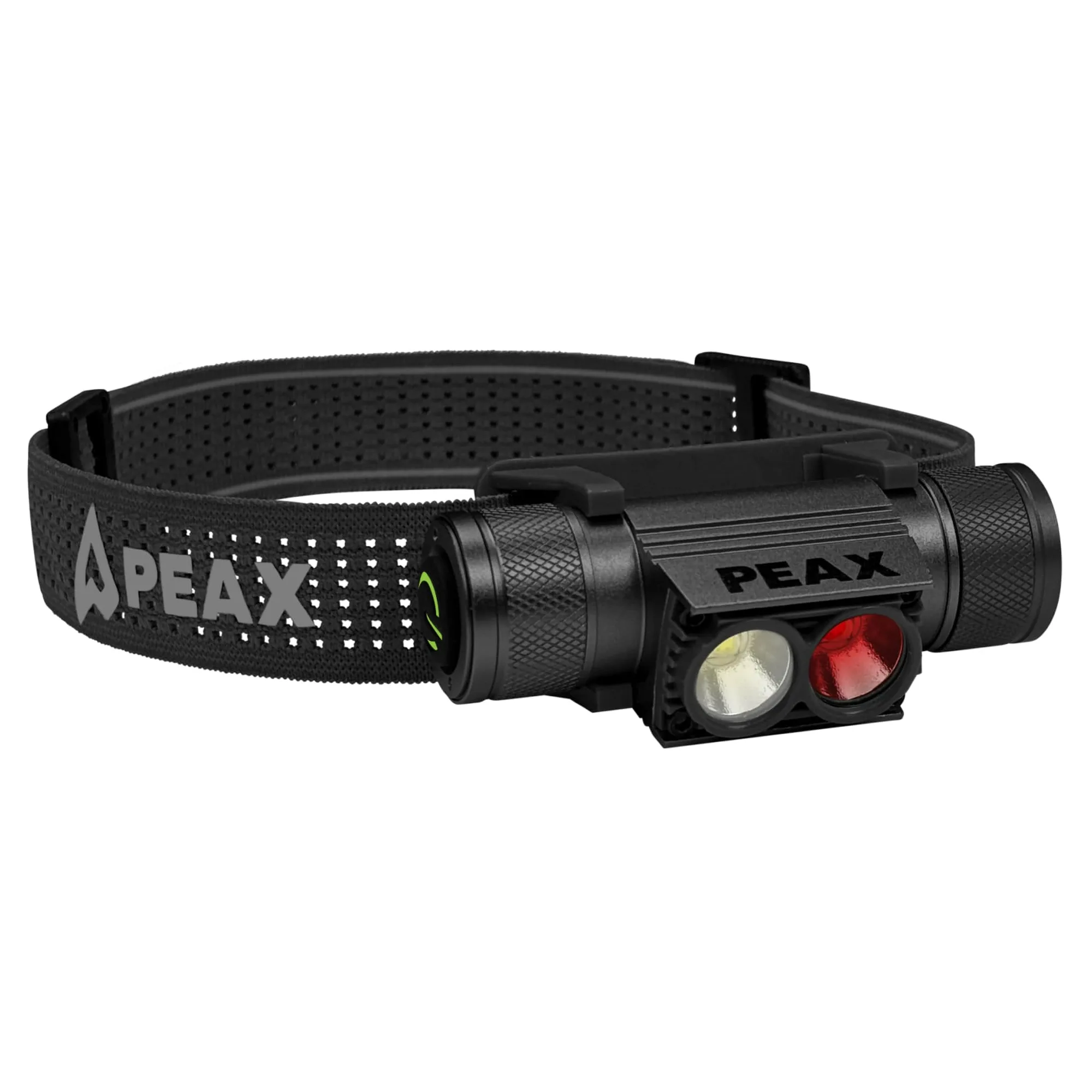
Rust on metal and corrosion in battery compartments almost always trace back to one habit: storing gear with batteries installed or with moisture trapped inside. Remove batteries from headlamps and other electronics before off-season gear storage. Wipe battery contacts with a dry cloth, and store batteries separately in a cool, dry place.
For headlamps and other electronics, the corrective action is to dry the compartment, check the seals, and test the unit before the next season. If contacts are pitted or green, the damage is usually permanent. Replace the unit rather than gambling on it failing at dark thirty on a ridge.
- Remove batteries from all electronics before storage.
- Store spare batteries in a dry container, not loose in a pack pocket.
- Test every light and electronic before the season starts.
How to Dry Camping Gear Without Cooking It
Drying camping gear is about airflow, not heat. Hang tents, bags, and pads in a shaded, breezy spot with all doors and vents open. If you must dry indoors, a room with a fan and a dehumidifier works better than a hot garage. Never put coated fabrics in a dryer unless the manufacturer explicitly says it is safe.
Give gear more time than you think it needs. A sleeping bag can feel dry on the shell while insulation stays damp. Squeeze the fabric and check for cool spots. If in doubt, leave it out another day. Damp gear stored once can undo a whole season of careful use.
- Dry in shade with moving air, not direct sun or high heat.
- Open every zipper, vent, and pocket before hanging.
- Feel for cold spots in insulation as a moisture check.
Off-Season Gear Storage That Actually Works
The best off-season gear storage is boring: a cool, dry, dark shelf or bin, with items loose and labeled. Avoid sealing damp gear in airtight containers. If you use bins, leave lids cracked or use breathable cotton storage bags for sleeping bags and tents. Hang packs by their haul loops rather than stacking weight on them.
Check your stored gear once mid-winter. Pull items out, feel for dampness, and look for mildew or rust. This ten-minute check catches problems while they are still small. It also gives you time to order replacements before the season, instead of discovering a failed zipper the night before a hunt.
- Store sleeping bags and tents loose, not compressed.
- Hang packs and gaiters rather than folding them tight.
- Do a mid-winter inspection of all stored gear.
Troubleshooting Table: Symptom, Cause, Fix, and When to Stop
- Musty smell or black spots on fabric: Cause: gear was stored damp or packed wet. Fix: wash with mild soap, dry fully in shade with airflow, and store loose. Stop if spots remain after a full dry or the fabric feels weak. Persistent mildew means permanent damage. Replace or professionally clean high-value items.
- Slipping trekking pole locks or sticky zippers: Cause: grit and sand left in the mechanism. Fix: rinse with clean water, work the mechanism, dry fully, then use a dry lubricant sparingly. Stop if a pole lock still slips after cleaning and drying. A slipping lock is a safety issue. Replace the section or the pole.
- Rust or corrosion in electronics: Cause: batteries left in the device or moisture trapped in the compartment. Fix: remove batteries, dry the compartment, clean contacts gently, and test. Stop if contacts are pitted or green. Corroded electronics are unreliable. Replace before the season.
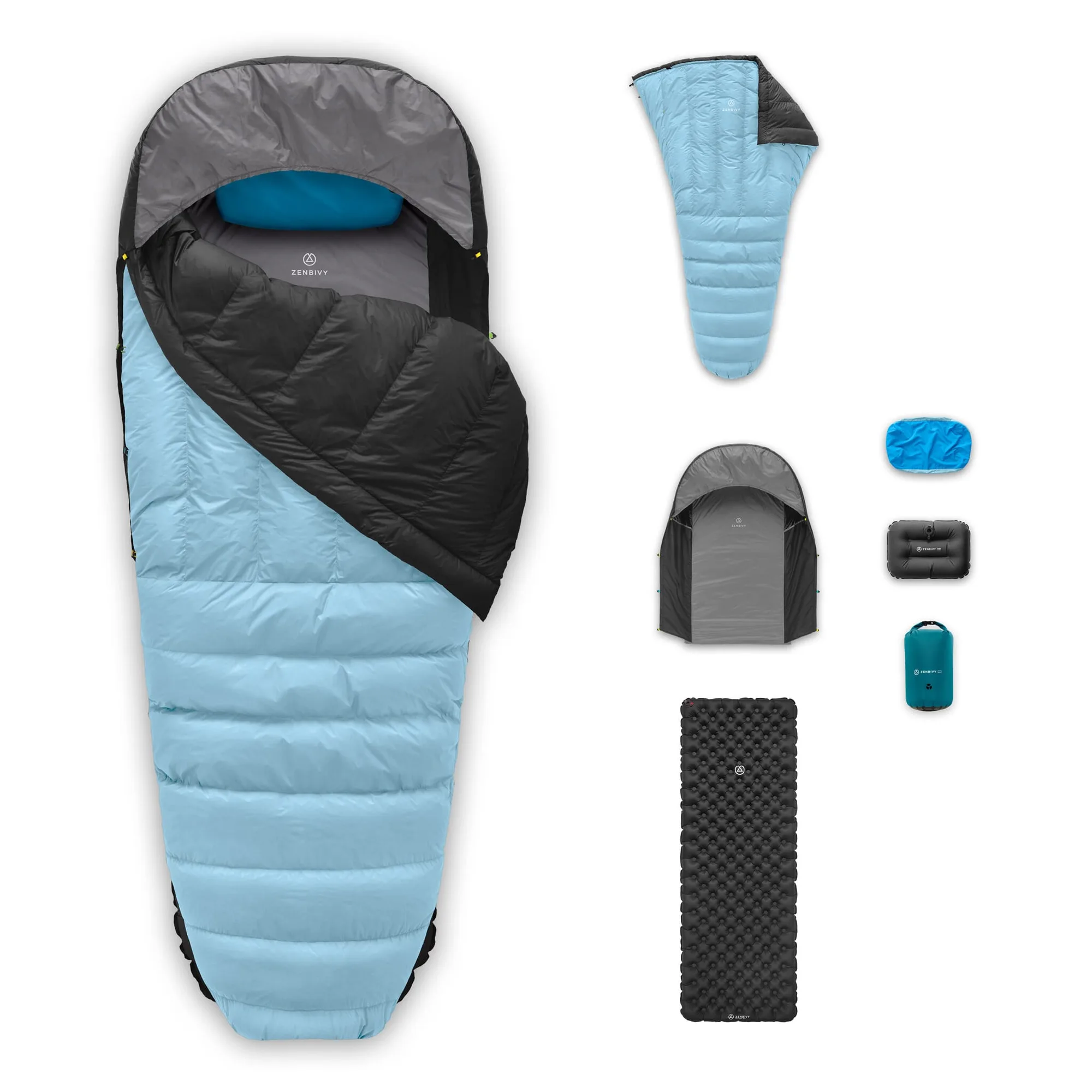
- Damp insulation in sleeping bags or pads: Cause: stored before insulation fully dried, or stored compressed. Fix: hang loose in a dry room with a fan, check for cold spots, and store uncompressed. Stop if the item stays damp after two days of airflow. Damp insulation loses loft and warmth. Have it professionally cleaned or replace it.
Gear That Rewards Good Care
- PEAX BACKCOUNTRY Z (CORK) TREKKING POLES: The PEAX Backcountry Z cork trekking poles pack down small and are designed for hunters who move fast and travel light, with cork handles for all-day comfort. Because they collapse, grit can work into the joints and locks. Rinse and dry each section fully before collapsing for storage, and check the locks before your next trip.
- PEAX BACKCOUNTRY DUO HEADLAMP: The PEAX Backcountry Duo is a hunting headlamp built for dependable brightness, long battery life, and rugged durability in harsh mountain conditions. Remove the batteries before off-season storage and wipe the contacts dry. A headlamp that sits with old batteries can corrode and fail when you need it most.
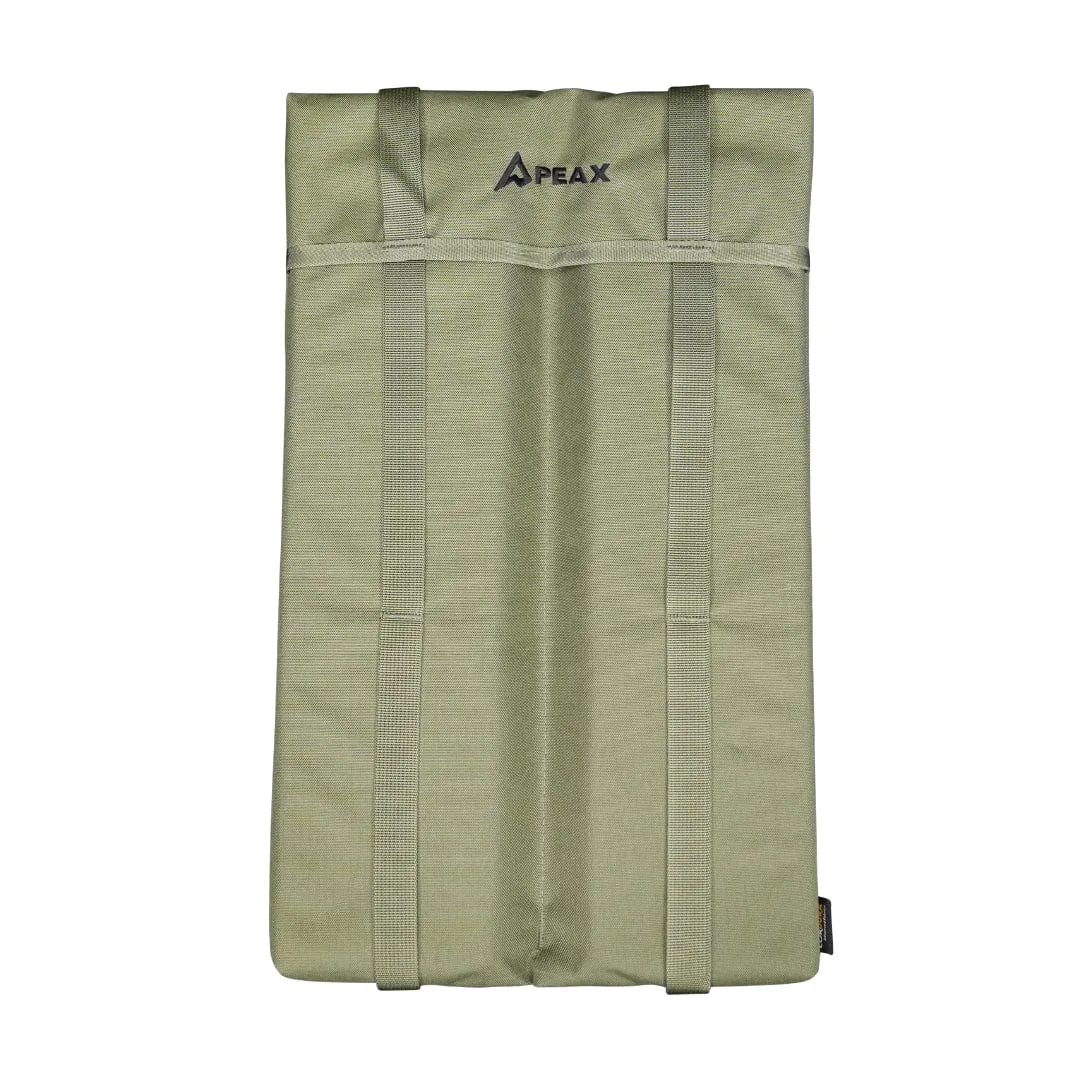
- GLASSING PAD: The PEAX Glassing Pad provides lightweight insulation and cushioning for long hours behind the glass on cold ground, wet terrain, and rocky ridgelines. Foam and coated shells trap moisture. Air it out flat after wet hunts, and store it uncompressed so the cushioning does not take a set.
Backcountry gear care comes down to three habits: clean it, dry it completely, and store it loose in a cool, dark, dry place. Do that, and most gear will outlast your expectations. Skip it, and you will replace gear you could have kept for years.