Quick Answer
Store your tent loose and dry in a breathable cotton sack, not the stuff sack. Keep your sleeping bag uncompressed in a large mesh or cotton storage bag to preserve loft and insulation. Clean and fully dry both before storing to prevent mildew and fabric degradation.
Why Storage Matters for Backcountry Gear
How you store your tent and sleeping bag between trips directly affects their lifespan. A tent left compressed in its stuff sack can develop permanent creases that weaken the waterproof coating. A sleeping bag stored compressed loses loft over time, reducing its insulating ability. Proper storage is a simple, free way to protect your investment.
The Difference Between Short-Term and Long-Term Storage
Short-term storage (a few days to a week) between trips is fine with gear loosely packed. Long-term storage (off-season or more than a month) requires different conditions: a cool, dry place away from direct sunlight, and breathable containers that allow moisture to escape. Never store damp gear in any container.
Step-by-Step Gear Storage Routine
- Clean and Dry Thoroughly: Wipe down your tent with a damp cloth and mild soap. For sleeping bags, follow the care label — most down bags need a gentle wash with down-specific cleaner. Allow everything to air-dry completely. A common mistake is storing gear that still feels slightly damp; that small amount of moisture can grow mold over weeks. Checkpoint: If you can't smell any mustiness and the fabric feels dry to the touch, it's ready to store.
- Store Tent Loose in a Breathable Bag: Remove the tent from its stuff sack and fold or roll it loosely. Place it in a large cotton or mesh storage bag. This prevents the waterproof coatings from sticking together or creasing permanently. Avoid plastic bins unless you leave the lid cracked for airflow. Checkpoint: A tent stored loose will pitch easier and last longer than one left compressed.
- Store Sleeping Bag Uncompressed: Take your sleeping bag out of its compression sack and put it in a large mesh storage sack or hang it in a closet. This lets the insulation fully expand and maintain its loft. The biggest mistake is leaving it compressed all off-season — that can permanently reduce its warmth. Checkpoint: If your bag feels flat or thin after storage, it may have lost loft from being compressed too long.
- Choose a Cool, Dry, Dark Location: Store gear in a closet, under a bed, or on a shelf away from heat sources, direct sunlight, and moisture. Attics and garages often get too hot or humid. UV light degrades tent fabrics and sleeping bag shells over time. Checkpoint: A consistent indoor temperature between 50-70°F is ideal.
- Check and Air Out Periodically: Every few months, open your storage bags and let the gear air out for a few hours. This prevents musty smells and lets you spot any issues like mildew or pest damage early. It only takes five minutes and can save you from discovering a ruined tent or bag at the start of the season. Next step: Before your first trip, do a full setup or lay out your gear to check for any issues.
Gear That Helps You Store Smarter
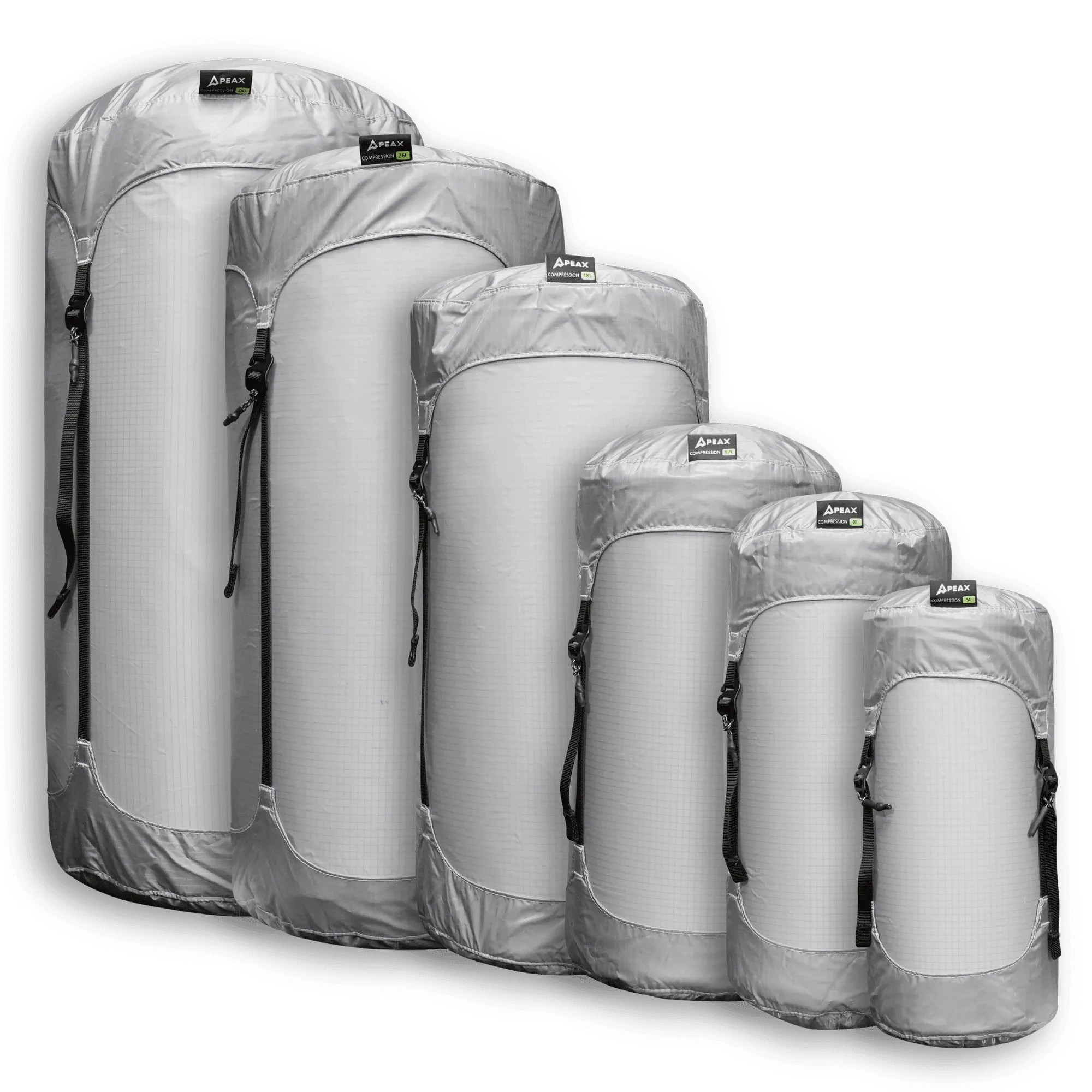
- COMPRESSION SACK: The PEAX Compression Sack reduces the volume of sleeping bags, insulated clothing, and other compressible gear to help hunters maximize pack capacity without sacrificing essential equipment. Use the compression sack only for packing into the backcountry. For long-term storage, remove your sleeping bag and store it uncompressed to preserve loft. The sack is for transport, not storage.