Quick answer
For most men, the best everyday backpack is a 15–16 inch laptop-friendly design with padded straps, a back panel that sits flush against your spine, and enough internal organization to separate work gear from personal items. If you carry a laptop, charger, and a few folders, a compact leather backpack keeps its shape and looks appropriate in an office. If you need more volume for gym clothes or a change of shoes, size up only after checking strap width and torso fit.
A backpack for men buying guide should start with the load you actually carry, not the label on the product page. Most daily backpacks fail because the straps dig in, the laptop pocket sits too low, or the main compartment turns into a black hole. Getting the size and strap geometry right matters more than adding another exterior pocket.
This guide walks through mens backpack size, capacity, strap comfort, and materials so you can compare options without guessing. You will see how a leather backpack for men fits into a work wardrobe, when a larger pack makes sense, and which trade-offs are worth accepting.
Start with your daily load, then choose capacity
A backpack capacity guide is only useful when it matches your real routine. A laptop, charger, notebook, water bottle, and small pouch usually fit comfortably in a compact daypack with a dedicated laptop sleeve and two main compartments. If you also carry gym clothes, a lunch container, or a pair of shoes, you need a larger main opening rather than more small pockets.
As a rule, measure your largest item first. A 16-inch laptop needs a sleeve that actually fits 16 inches, not a 15-inch sleeve stretched to its limit. Then count the bulky items you carry every day. If that number is three or more, prioritize a wider main compartment over exterior styling.
- Lay out everything you carried yesterday, including the small items, before comparing backpack sizes.
- Leave roughly 20 percent empty space so the bag does not bulge and distort its shape.
Mens backpack size: match the bag to your torso, not just the laptop
Mens backpack size is usually described by liter capacity or by laptop size, but torso length decides comfort. A pack that extends too far below your waist pulls on your shoulders; one that rides too high feels unstable. For everyday commuting, a backpack that sits between your shoulder blades and the top of your hips is the easiest to carry for long periods.
Check the listed dimensions against your body before buying. A pack around 11 to 12 inches wide and 16 to 18 inches tall suits most average builds for daily use. If you are shorter or taller than average, treat those numbers as a starting point and adjust based on where the straps rest.
- Ask someone to check that the bottom of the pack does not sit below your hip bones.
- If the bag has a sternum strap, use it only when the load is heavy; it should not be needed for a light commute.
Backpack strap comfort: width, padding, and where they attach
Backpack strap comfort comes down to three things: strap width, padding density, and attachment point. Wider straps spread weight across the shoulder, while thin straps concentrate pressure and cause numbness. Padding should be firm enough to hold its shape; soft foam flattens quickly under a laptop and charger.
The attachment point matters because straps that meet the bag too far apart can slip off the shoulder. Straps that meet too close together can rub the neck. Adjust the shoulder straps so the padded section sits on top of your shoulder, not on your collarbone, and keep the bag close to your back.
- Test strap comfort with the bag fully loaded, not empty.
- If a strap twists or folds when you tighten it, the padding is too soft for your daily load.
Leather backpack for men: structure, weight, and office fit
A leather backpack for men holds its shape better than soft nylon, which keeps the bag looking structured in a meeting. Genuine leather also develops a patina over time, so it ages rather than wearing out. The trade-off is weight: leather adds heft before you put anything inside, so keep the capacity modest if you walk or commute long distances.
Look for soft leather and quality hardware if you want a bag that feels comfortable against your back. Silver hardware and clean stitching keep the look professional. If you carry a laptop daily, confirm that the interior has a dedicated laptop pocket and at least one slip pocket for a phone or notebook.
- Weigh the empty bag in your hand; if it already feels heavy, a smaller size will serve you better.
- Choose a color that matches your belt and shoes if the bag doubles as a work bag.
Organization: pockets that earn their place
A useful everyday backpack separates work gear from personal items without adding bulk. Two main compartments plus a few slip pockets usually beat a single cavernous space. An interior laptop pocket keeps the computer off your back, and a front zipper pocket gives quick access to keys or a transit card.
More pockets are not automatically better. Every extra zipper adds weight and a potential failure point. Choose organization that matches what you carry: one laptop pocket, one tablet or document sleeve, and two or three small slip pockets cover most daily needs.
- Put your most-used item in the pocket you can reach without taking the bag off.
- Avoid packing hard objects against the laptop sleeve; they can press into the screen.
Decision rules for choosing your everyday backpack
- Rule 1: Match the laptop sleeve to your device: If you carry a 16-inch laptop, choose a bag that lists a 16-inch laptop pocket. Do not assume a 15-inch sleeve will stretch. Check the listed laptop size before anything else.
- Rule 2: Let strap width follow load weight: Light loads under 10 pounds work with standard straps. Heavier loads need wider, firmer padding to avoid shoulder pressure. If you feel the strap edges, the padding is too thin for your load.
- Rule 3: Choose leather for structure, nylon for lightness: Leather keeps its shape and looks professional but adds weight. Nylon is lighter and more flexible but can sag when partly empty. Pick leather if the bag is part of your work wardrobe; pick nylon if you walk long distances.
- Rule 4: Cap capacity at what you actually carry: An oversized backpack invites overpacking and shifts weight away from your back. A compact pack that fits your daily items is easier on your shoulders. If the bag looks half empty, you bought too much capacity.
Product facts that help you decide
- Nombongo 16'' Laptop Leather Bag — Comfortable: Made of genuine leather with soft leather and silver hardware; interior has 2 main pockets, 4 small slip pockets, 1 iPad pocket, and 1 laptop pocket, plus 1 exterior front zipper pocket; dimensions are (L)11.4 inches. The dedicated laptop and iPad pockets plus multiple slip pockets suit a workday load, while the genuine leather and silver hardware give it an office-appropriate look.
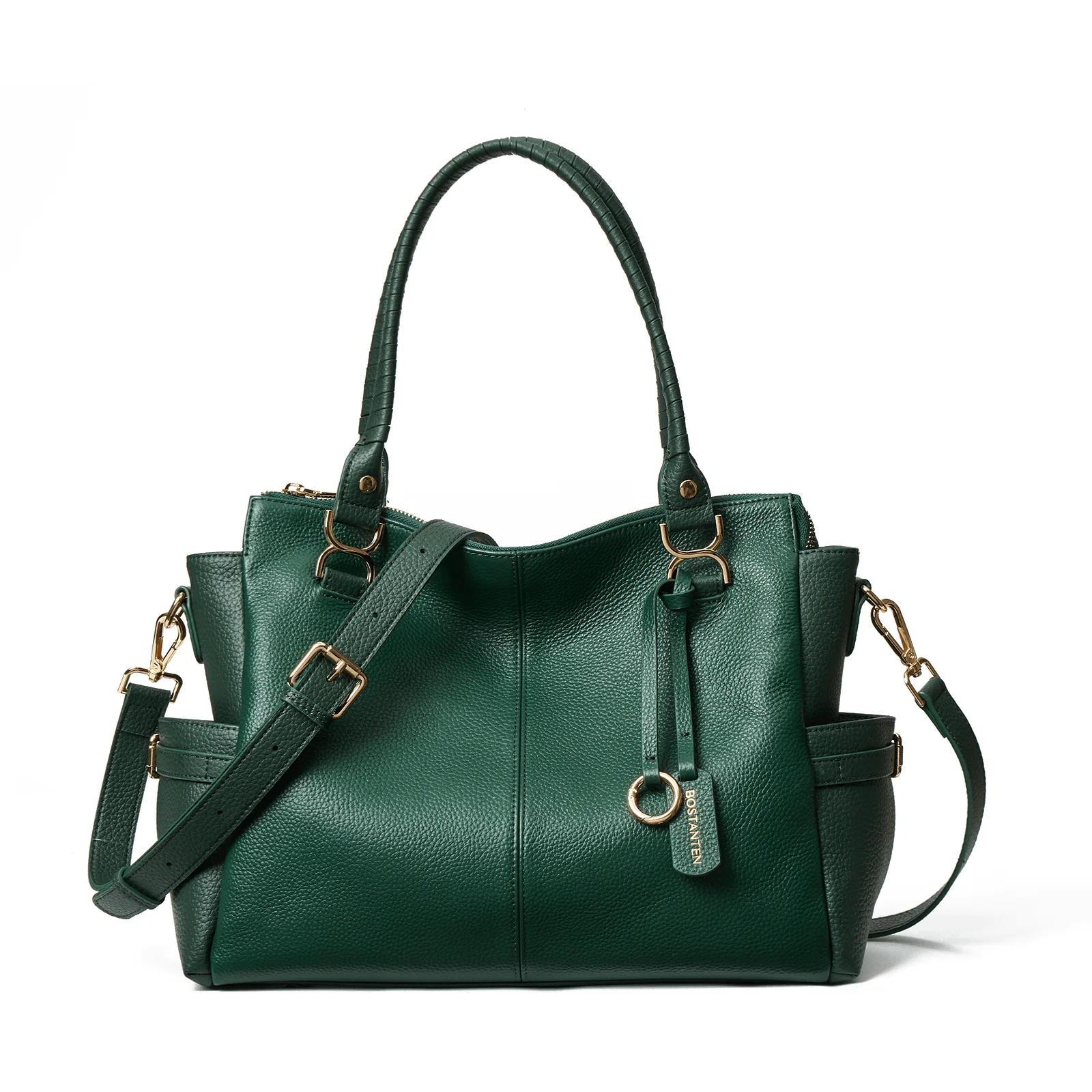
- Nevin Genuine Pebbled Leather Everyday Carryall Tote: Crafted from premium genuine leather, 13.5"(L) x 5.1"(W) x 9.8"(H), handle height 6.7"; two roomy main compartments separated by a central zip pocket, plus a wall zip pocket and slip pocket inside. If you prefer a tote shape for work, this gives you comparable leather quality and organization without backpack straps, but it is not a backpack and should be chosen only if you do not need two-shoulder carry.
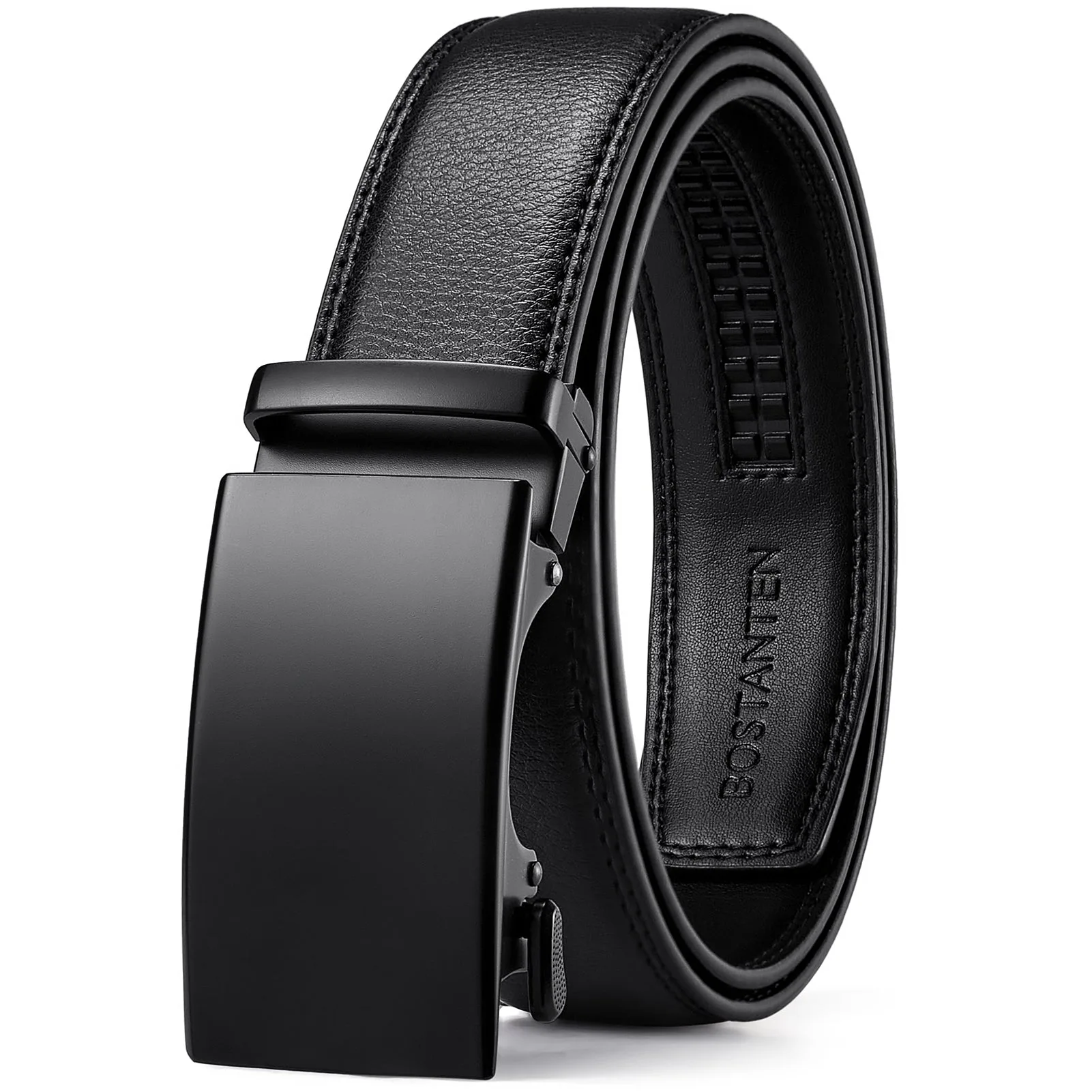
- Bostanten Mens Belt Leather Ratchet Belt For Men Dress And Casual With Adjustable Buckle, Trim To Fit: Italian leather with a scratch-resistant buckle, auto-lock buckle for instant adjustment, and cuttable design for a custom fit; packaged in a gift box. A matching leather belt finishes the look when you carry a leather backpack to the office, and the trim-to-fit design helps you get the right waist size without guessing.
Who this backpack guidance is for
Best for
- Men who carry a laptop, charger, and a few folders to work or class
- Commuters who want a structured leather backpack that looks appropriate in an office
- Anyone comparing mens backpack size and strap comfort before buying
Not for
- Hikers or travelers who need a technical pack with a hip belt and ventilated back panel
- People who carry heavy loads over long distances and need maximum breathability
- Shoppers looking for a tote or briefcase instead of a two-shoulder carry
Choose your backpack by the load you carry most days, then confirm the laptop sleeve, strap width, and torso fit. A well-sized leather backpack for men can handle work and daily errands without looking out of place, as long as you resist the urge to buy more capacity than you need.