Quick answer
For most people, a durable backpack fabric such as ballistic nylon or a tightly woven polyester is the right choice. Ballistic nylon tends to resist abrasion and tearing better, while polyester usually costs less and handles everyday wear well. If water resistance matters, look for a water resistant backpack fabric with a tight weave and coated backing rather than chasing a single material name. Match the fabric to your commute, school, or travel routine instead of buying the heaviest option available.
Backpack material names get thrown around like badges of toughness, but the label on the tag rarely tells you how a bag will behave on your commute. Ballistic nylon, polyester, and generic durable backpack fabric each solve different problems, and the right pick depends on how you carry, where you go, and what you put inside.
This backpack materials guide walks through what those terms actually mean, how a polyester vs nylon backpack decision plays out in daily use, and which trade-offs matter when you are comparing a water resistant backpack fabric. You will also see how real SWISSGEAR packs apply these materials so you can connect the spec sheet to a bag you can actually use.
What Ballistic Nylon Actually Means
Ballistic nylon is a woven fabric originally developed for military flak jackets, which is why the name sounds more dramatic than most backpack materials. The key trait is a tight, high-denier weave that resists abrasion, tearing, and scuffing. In a ballistic nylon backpack, you typically get a fabric that holds its shape and survives being dragged across concrete, stuffed into overhead bins, or set down on rough pavement.
That durability comes with a small penalty: ballistic nylon often feels stiffer and weighs slightly more than a thin polyester. It also tends to cost more because the weaving process is more demanding. If you want a bag that still looks presentable after years of daily use, ballistic nylon is usually worth the premium. If you mostly carry a light load between a car and a desk, you may not need that level of toughness.
- Check the denier number if it is listed; higher denier generally means a thicker, more abrasion-resistant weave.
- Ballistic nylon is not automatically waterproof. Water resistance comes from coatings, linings, and zipper construction.
Polyester vs Nylon Backpack: The Practical Difference
In a polyester vs nylon backpack comparison, polyester usually wins on price and color variety, while nylon wins on strength-to-weight and abrasion resistance. Polyester is a synthetic fiber that can be woven tightly enough to shed light rain and resist everyday scuffs. It also takes dye well, so you will see more bright colors and prints in polyester bags.
Nylon, including ballistic nylon, is generally stronger for the same weight and stretches slightly before it tears. That makes it a better fit for heavy loads, sharp-edged gear, and frequent travel. The trade-off is cost and sometimes a slightly rougher hand feel. Neither material is inherently better; the right answer depends on whether you prioritize budget and light weight or maximum durability.
- For a school backpack that lives in a locker, polyester is often enough.
- For a bag that gets thrown into truck beds or overhead bins weekly, nylon is the safer long-term bet.
Water Resistant Backpack Fabric: What to Look For
Water resistance is a finish, not a fiber. A water resistant backpack fabric usually has a polyurethane or similar coating on the back, a durable water repellent treatment on the face, or both. Zippers matter just as much: a coated fabric with an unprotected zipper will still let water in during a downpour. Look for zipper flaps, water-resistant zippers, or a covered main compartment if you commute in wet weather.
No backpack fabric is fully waterproof unless it is a sealed dry bag. For rain and splashes, a coated nylon or polyester with taped or protected seams will keep your laptop and documents dry during a normal commute. If you regularly ride a bike in heavy rain, add a rain cover rather than expecting the fabric alone to do the job.
- A tight weave sheds water better than a loose one, even before coatings.
- Check whether the bottom panel has extra reinforcement; that is where water and abrasion hit first.
How to Judge Durable Backpack Fabric in Person
You cannot always test a backpack like a lab technician, but you can gather useful signals in a minute. Rub the fabric between your fingers: a durable backpack fabric feels dense and slightly stiff, not papery. Look at the stitching at stress points such as shoulder strap anchors and the bottom panel. Tight, even stitching with bar tacks or rivets suggests the bag was built to handle weight.
Also check the lining and zippers. A tough outer fabric paired with a flimsy zipper will fail early. Metal or chunky nylon coil zippers generally outlast tiny plastic ones. If the bag has a padded laptop compartment, press the padding to confirm it is not just a thin foam sheet. These details tell you more about real-world durability than the marketing name on the hangtag.
- Squeeze the bottom panel; if it crinkles like thin plastic, expect early wear.
- Open and close the main zipper several times to feel for snags or rough teeth.
Decision Rules for Choosing Backpack Material
- If you commute by bike or on foot in all weather: Prioritize a water resistant backpack fabric with coated backing, protected zippers, and a reinforced bottom. Ballistic nylon or a tight-weave polyester both work if the seams and zippers are covered. Do not buy on fabric name alone; check the zipper flaps and bottom panel.
- If you carry a laptop and heavy gear daily: Choose a higher-denier nylon or polyester and inspect the stitching at strap anchors and the laptop compartment padding. A durable backpack fabric matters less if the seams fail first. Look for bar tacks, rivets, and a padded laptop sleeve that fits your device.
- If you are shopping on a tight budget: A well-made polyester backpack can last for years of light commuting and school use. Spend the savings on a better zipper and a padded back panel rather than chasing ballistic nylon. Polyester is not a compromise for every use case; it is the right call for light, everyday loads.
- If you want one bag for work and travel: Favor a versatile build with a trolley strap, ScanSmart-friendly laptop access, and a fabric that resists scuffs from overhead bins and airport floors. A slightly heavier, tougher fabric is worth it when the same bag has to do two jobs.
How These Materials Show Up in SWISSGEAR Packs
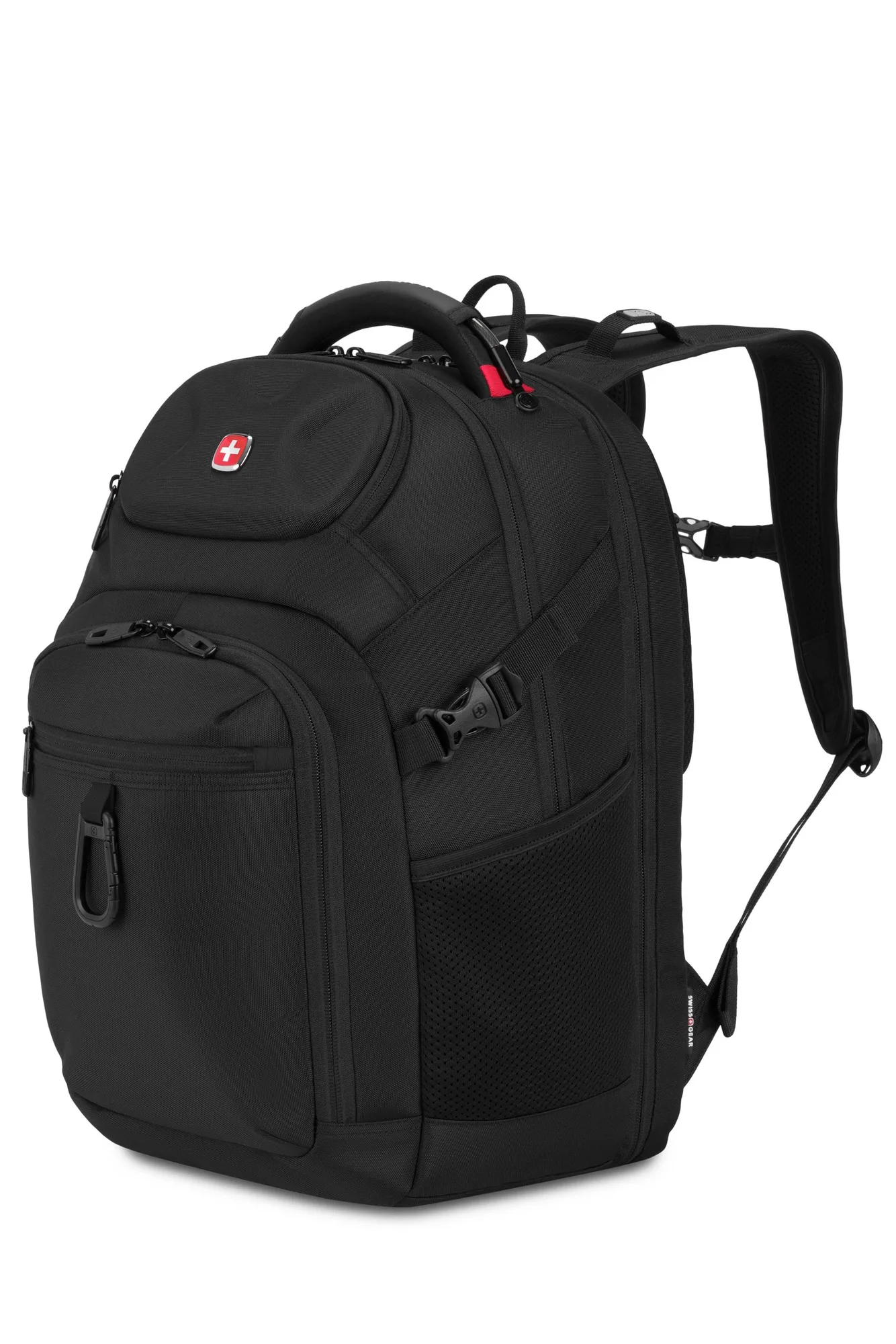
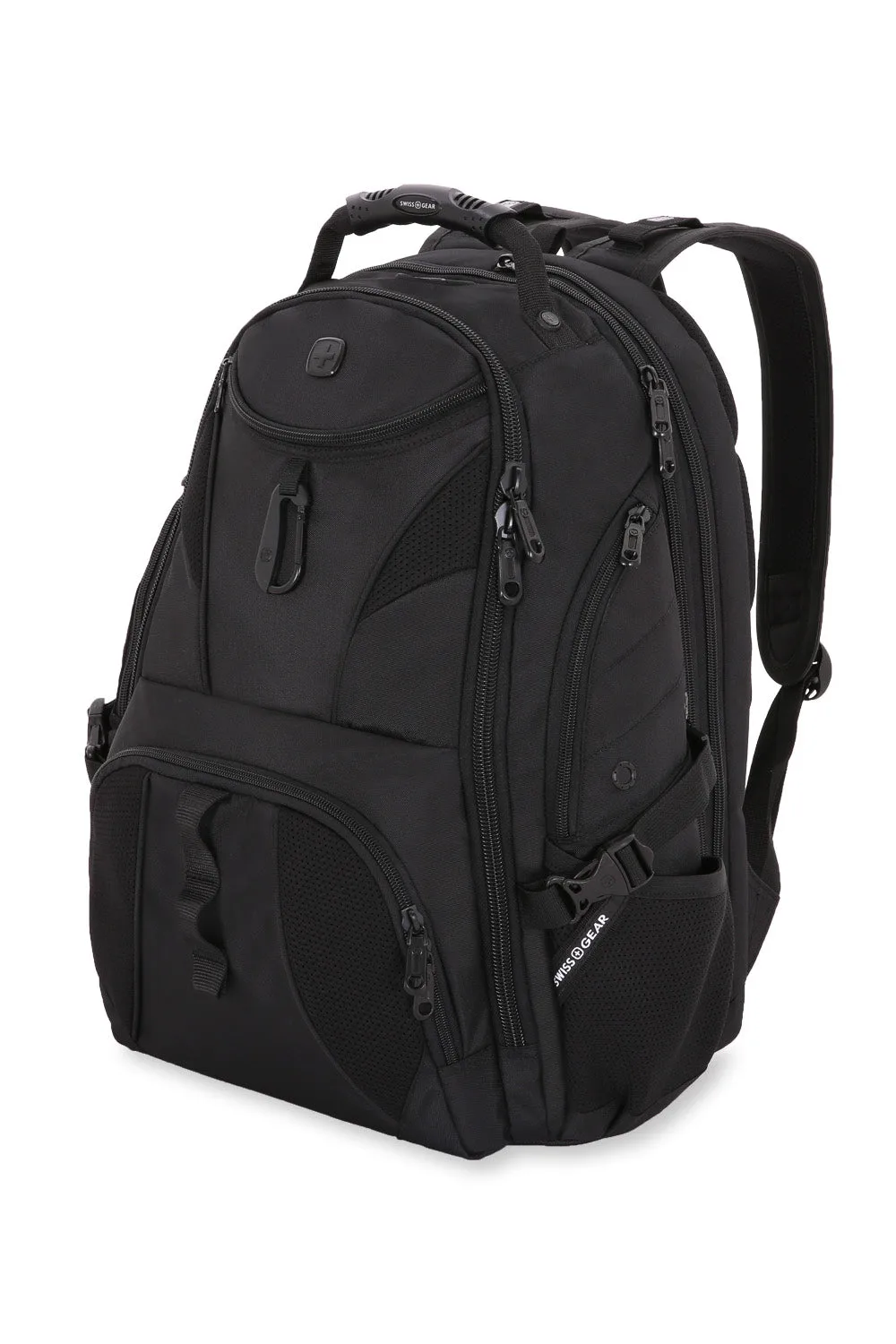
- SWISSGEAR 1900 ScanSmart Laptop Backpack: Made from durable 1200D ballistic polyester fabric with a large opening main compartment, rugged oversize zippers, and a heavily padded back panel with Airflow ventilation technology. The 1200D weave and oversize zippers are exactly the kind of durable backpack fabric and hardware that survive daily commutes and frequent travel. The ScanSmart layout also means you can keep your laptop protected without unpacking the whole bag at security.
- SWISSGEAR Stride ScanSmart Laptop Backpack: A feature-rich backpack with dedicated laptop and tablet pockets, room for cables and adaptors, and a gusseted organizer. If you carry electronics daily, the internal organization matters as much as the outer fabric. A durable shell keeps the bag looking good, while the padded pockets and organizer protect the gear inside.
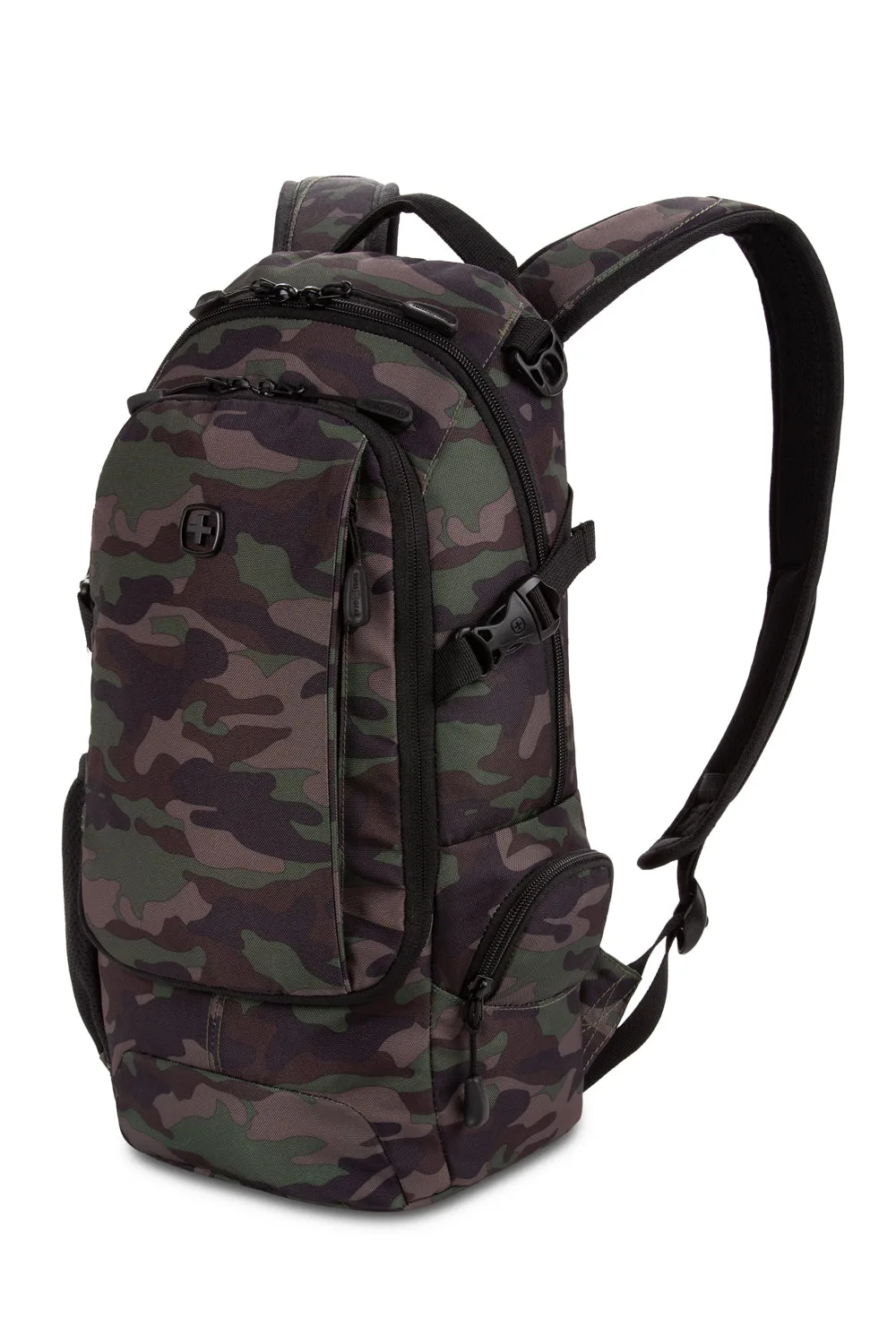
- SWISSGEAR City Pack Backpack: A narrow everyday backpack with a diamond-patterned front panel, side zippered access pocket, and adjustable compression straps. This is a good example of a lighter, commuter-focused build where a streamlined shape and compression straps matter more than maximum abrasion resistance. It suits riders and walkers who want a close-fitting pack.
Who Should Choose Which Material
Best for
- Commuters and travelers who need a durable backpack fabric that resists abrasion and light rain
- Students carrying laptops and books who want a lightweight, affordable polyester or nylon pack
- Anyone who wants a water resistant backpack fabric for daily exposure to weather and crowded transit
Not for
- Hikers or paddlers who need a fully waterproof, sealed dry bag rather than a water resistant backpack fabric
- Buyers who want the absolute lightest possible bag and are willing to trade long-term durability
- People who rarely carry more than a phone and a notebook and do not need ballistic nylon toughness
Backpack materials are a set of trade-offs, not a ranking. Ballistic nylon gives you the best abrasion resistance, polyester gives you value and light weight, and water resistance comes from coatings and construction rather than a single fiber. Match the fabric to your daily route, your load, and your budget, and check the stitching and zippers before you commit. A well-built polyester pack will often outlast a poorly built nylon one.