Quick answer
Choose a carry-on suitcase when you want maximum packing capacity, protection for your belongings, and easy rolling through airports. Choose a backpack when you'll face stairs, cobblestones, or long walks between transport and accommodation. Many travelers get the best results by pairing a rolling carry-on with a compact personal bag for the flight.
The backpack vs suitcase debate comes down to the trip you're actually taking, not a universal winner. A wheeled cabin case rolls the weight for you and protects what's inside, while a backpack keeps your hands free and handles uneven ground. Neither is better in every situation.
This comparison looks at how each option performs on capacity, protection, comfort, and cost, using real Antler carry-on cases and a tote that can double as your personal item. By the end, you'll know which one to pack for your next trip.
Capacity and packing space
A hard-shell carry-on typically gives you more usable packing volume than a backpack of similar external dimensions. The rigid shell holds its shape, so every corner is usable, and the clamshell opening lets you pack flat and layer items. If you travel with structured items like shoes, a toiletry kit, or a folded jacket, a suitcase usually swallows them more easily.
A backpack has soft walls that compress around your gear, which can be an advantage for odd-shaped items but a disadvantage for volume. Once the bag is full, it bulges and may not fit under the seat in front of you. If capacity is your priority, a carry-on suitcase wins; if you want a bag that shrinks down when half-empty, a backpack has the edge.
- Measure your airline's carry-on limits before you buy, since soft bags can exceed height limits when overpacked.
- Use packing cubes to keep a suitcase organized and to compress soft items in a backpack.
Protection and durability
Hard-shell suitcases protect contents from crushing, moisture, and impact. A polycarbonate shell absorbs knocks in overhead bins and baggage holds, which matters if you're carrying electronics or fragile souvenirs. The trade-off is that the shell itself can scuff over time, and a rigid case doesn't flex to fit a tight overhead compartment.
Backpacks offer less structural protection. Fabric can be water-resistant, but contents shift and can be compressed by other bags. If you carry a laptop or camera, look for a padded sleeve and treat the backpack as a soft layer of protection rather than a hard barrier. For pure protection, the suitcase is the safer choice.
- Check whether your backpack has a dedicated laptop sleeve before relying on it for electronics.
- A suitcase with a front pocket keeps tech accessible without opening the whole case.
Comfort and maneuverability
Rolling a suitcase puts zero weight on your shoulders, which is a real benefit on long airport walks and when you're carrying a coffee or navigating a train platform. The downside appears on stairs, cobblestones, and unpaved paths, where wheels become a liability and you end up carrying the case anyway.
A backpack distributes weight across both shoulders and keeps your hands free, making it easier to climb stairs, board a bus, or walk through a crowded market. The trade-off is fatigue: a heavy backpack worn for hours can strain your back and shoulders, and you can't set it down as easily when you stop. For mixed terrain, a backpack is more comfortable; for smooth terminals, a suitcase is.
- If your trip involves cobblestones or many stairs, a backpack or a duffle with a shoulder strap may serve you better than a wheeled case.
- If you'll mostly be in airports and hotels, a rolling carry-on saves your energy for the actual trip.
Cost and long-term value
Backpacks generally cost less than hard-shell suitcases at similar quality levels, but a well-made travel backpack can approach the price of a cabin case. Suitcases often include wheels, handles, and shell construction that add cost, and those components are what you're paying for in durability. Neither option is automatically cheaper over time; it depends on how often you travel and how you treat your gear.
If you fly a few times a year, a mid-range carry-on suitcase and a simple daypack cover most trips. If you travel frequently and want one bag that does everything, spending more on a durable option in either category usually pays off.
- Set a budget for the bag you'll use most, then add a secondary bag only if your trips require it.
- Check warranty and repair policies, since wheels and zippers are the first parts to fail.
Trade-offs at a glance
- Capacity vs. compressibility: A hard-shell carry-on holds more usable volume and packs flat; a backpack compresses when half-full but bulges when full. Choose the suitcase if you pack structured items and want every inch of space.
- Protection vs. flexibility: A polycarbonate shell shields contents from impact and moisture; a soft backpack flexes into tight spaces but offers less crush protection. Choose the suitcase for electronics and fragile items; choose the backpack for soft gear and tight overhead bins.
- Rolling ease vs. hands-free mobility: Wheels spare your shoulders on smooth floors but struggle on stairs and cobblestones; a backpack keeps your hands free on uneven ground. Match the bag to your route, not just your packing list.
- One bag vs. two: A carry-on suitcase plus a tote or small backpack covers most trips and keeps essentials accessible in the cabin. If you can't decide, a rolling carry-on with a personal item is the most versatile setup.
Real Antler options to compare
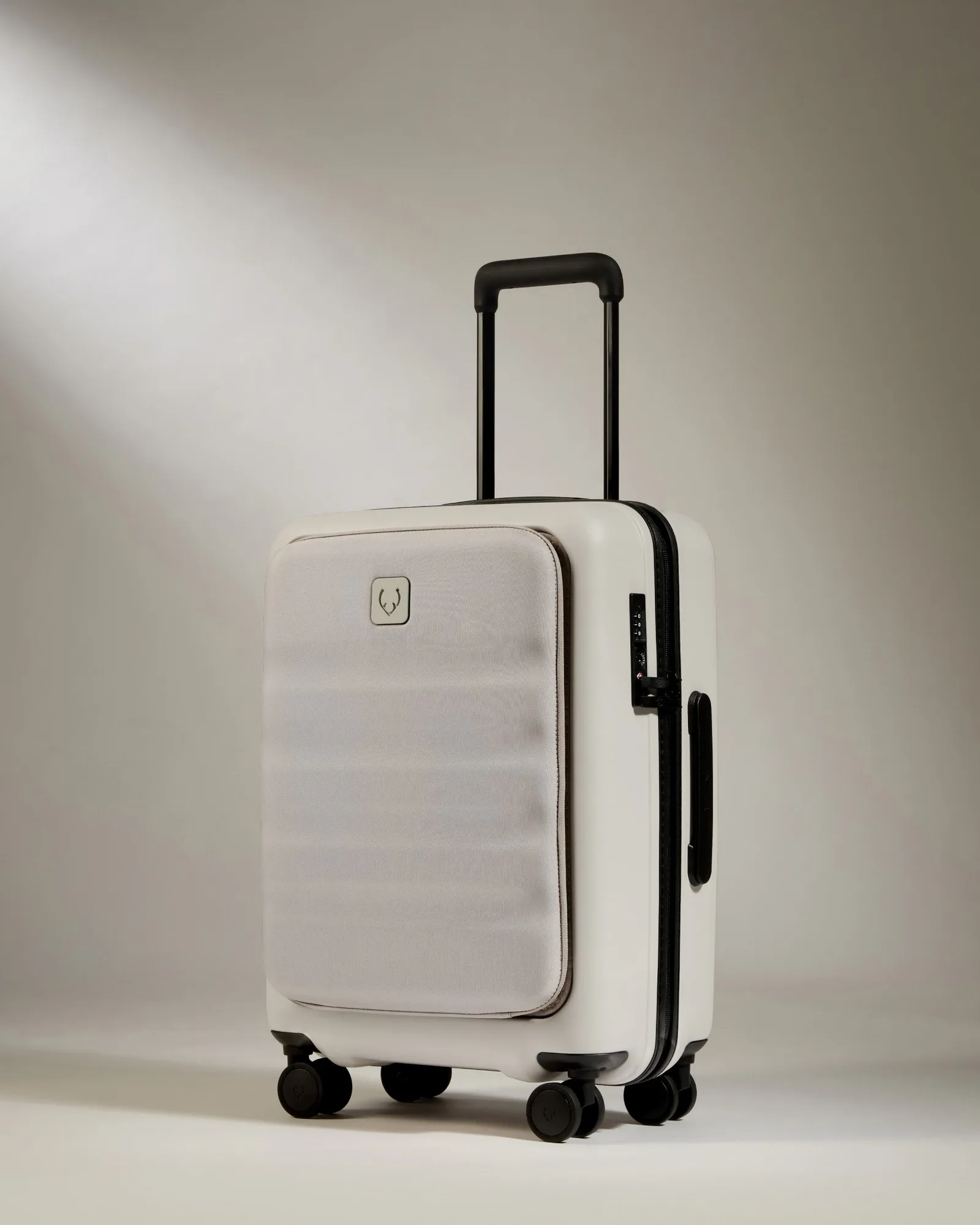
- Carry-on with Pocket Luggage in Taupe - Icon Stripe: Features a front pocket that accommodates tech and other essentials without compromising interior capacity, with a hardwearing polycarbonate shell. If you want suitcase capacity plus quick access to a laptop or charger, this design solves the main drawback of a traditional hard case.
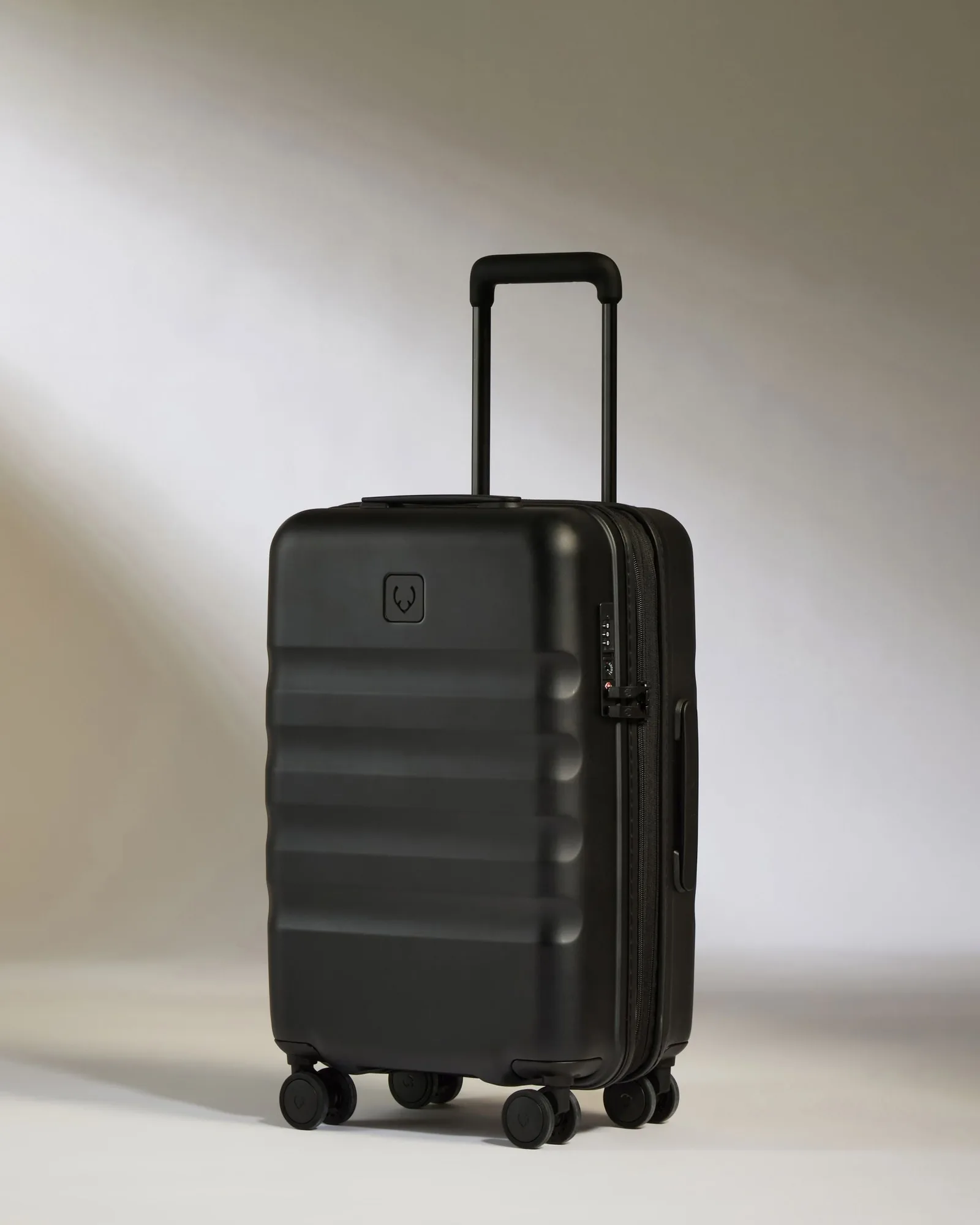
- Expandable Carry-on Luggage in Black - Icon Stripe: Has an expandable design that increases packing capacity, crafted from recycled polycarbonate with a hardwearing shell. Useful when you need a carry-on that can grow for return-trip souvenirs without switching to a larger bag.
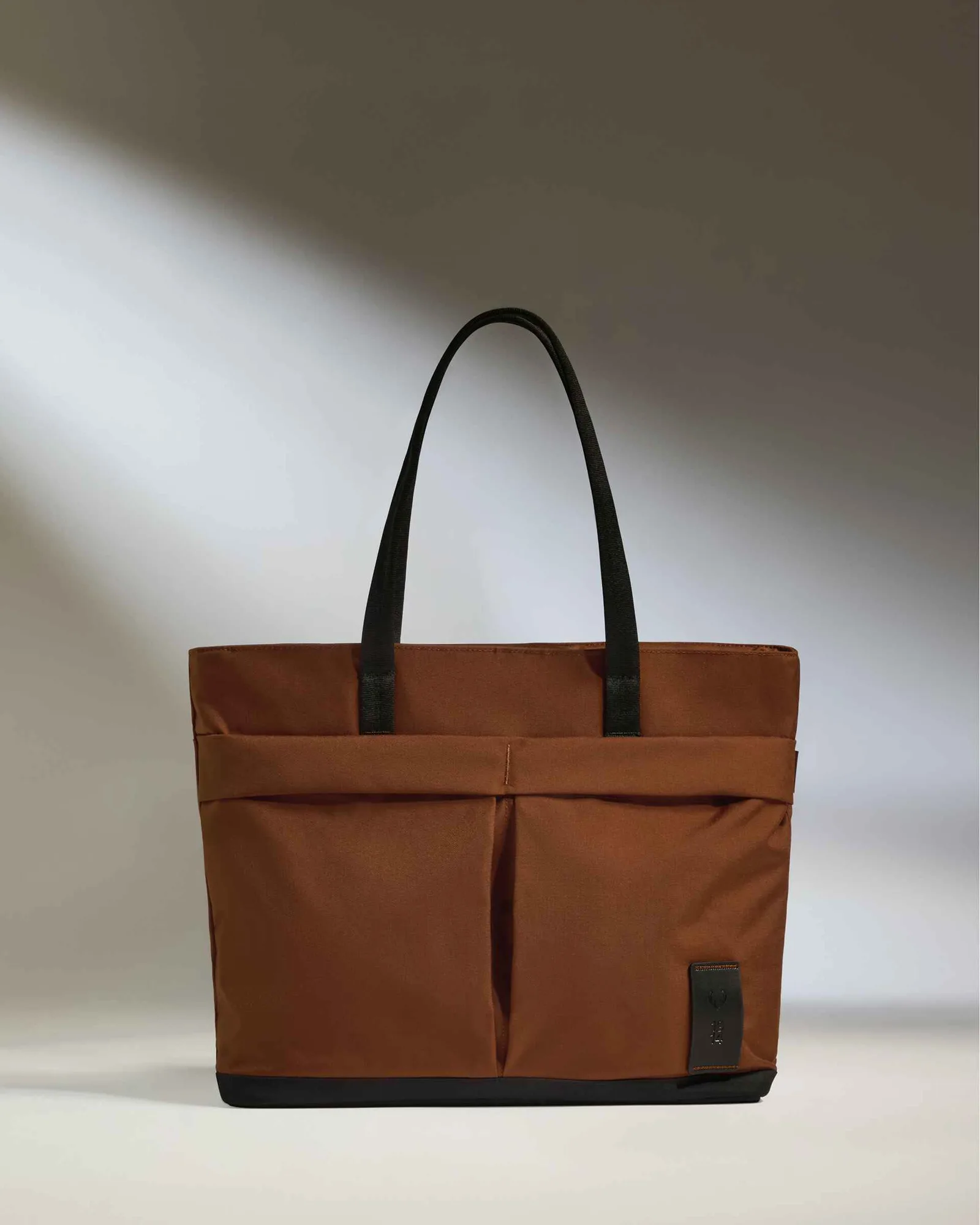
- Urban Core Tote Bag in Clay Brown: Made from water-repellent Cordura fabric with a spacious main compartment and a dedicated laptop sleeve that fits devices up to 16 inches. Works as a personal item alongside a carry-on suitcase, or as a lightweight alternative for short trips where a full backpack is overkill.
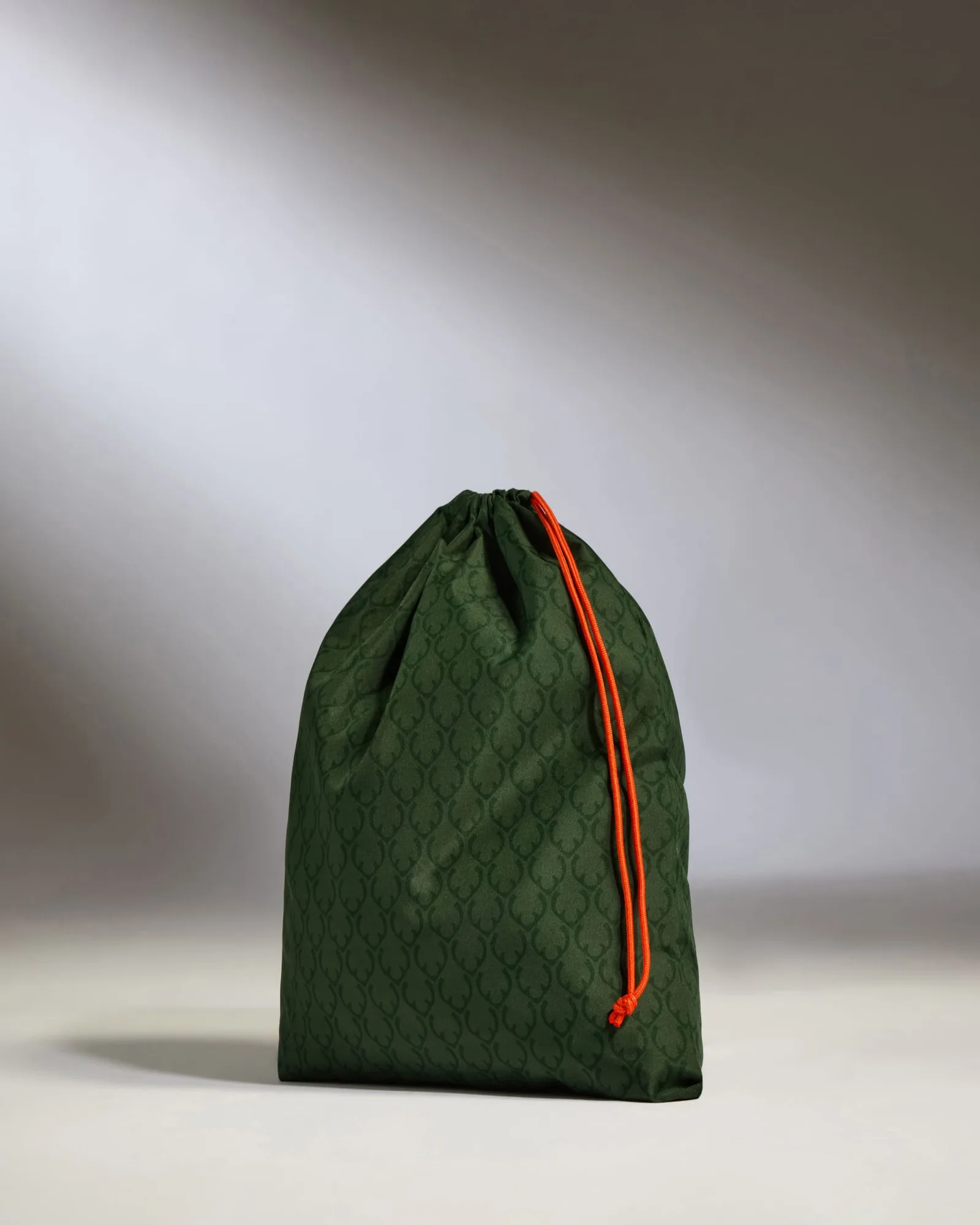
- Laundry Bag in Green: A drawstring laundry bag made from 100% recycled polyester, designed for travel, gym days, or home use. Small accessory that keeps dirty clothes separate in either a backpack or a suitcase, so your clean items stay fresh.
Which should you choose?
Choose a carry-on suitcase if
- You want maximum packing space and protection for your belongings.
- Your trip involves mostly airports, hotels, and smooth surfaces.
- You prefer to roll your bag rather than carry it on your back.
Choose a backpack instead if
- Your route includes cobblestones, stairs, or long walks between transport and accommodation.
- You want your hands free and prefer to carry your gear on your back.
- You're packing soft, compressible items and want a bag that shrinks down.
There's no single winner in the backpack vs suitcase debate, only the right match for your trip. If you want capacity and protection, a carry-on suitcase like the Icon Stripe Pocket or Expander is the stronger choice. If you'll be on stairs and uneven ground, a backpack or a tote like the Urban Core will serve you better. Pick based on your route, then pack accordingly.