Quick answer
Check the warranty length, what it actually covers, and whether repairs are possible before you buy. A durable backpack should last three to five years of daily use, or longer with light use and basic care. Confirm the return window and keep your receipt or order confirmation, since most claims require proof of purchase.
A backpack warranty is only useful if you understand its limits before you need it. Most shoppers compare warranty length but skip the coverage details, then discover that zipper failure, fabric tears, or normal wear are handled differently. This FAQ answers the questions that come up most often so you can judge a bag on durability and repair support, not just the number of years printed on the tag.
The answers below focus on what you can verify at the product page or in the store policy. Where a specific detail is not published, treat that as a decision limitation and ask before buying rather than assuming coverage.
What does a backpack warranty usually cover?
Most backpack warranties cover manufacturing defects: stitching that fails, a zipper that separates, hardware that breaks under normal use, or a strap anchor that pulls loose. They typically do not cover damage from accidents, airline handling, overloading, or normal cosmetic wear like fading and scuffing. The exact list matters more than the warranty length, so read the coverage section rather than the headline number.
If the product page does not spell out exclusions, ask customer service directly. A clear answer about what is covered is a better signal than a vague promise.
- Look for explicit language on zippers, seams, and hardware.
- Check whether shipping costs for a claim are your responsibility.
How long should a backpack last?
With daily commuting and moderate loads, a well-made backpack should last three to five years. Light use, such as weekend travel, can stretch that to seven or more. Heavy loads, abrasive surfaces, and constant overstuffing shorten the lifespan regardless of brand.
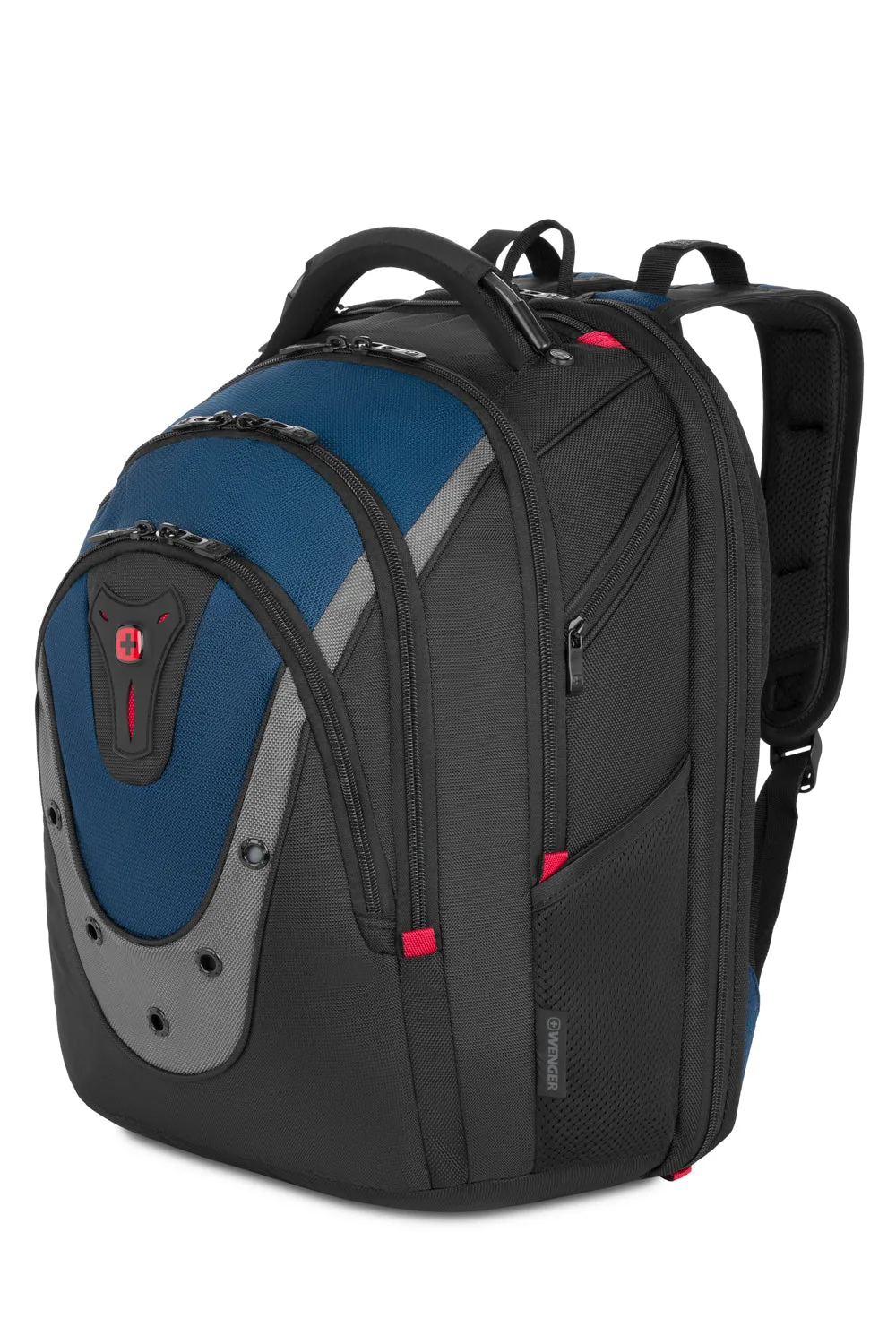
Durability comes from materials and construction: abrasion-resistant fabric, reinforced stitching at stress points, and hardware that does not bind. The Wenger Ibex ScanSmart Laptop Backpack uses durable ballistic polyester, and the SWISSGEAR Travel Tech Elite USB ScanSmart Laptop Backpack is built with abrasion-resistant polyester, both of which are relevant when you are comparing how a bag will hold up over years of use.
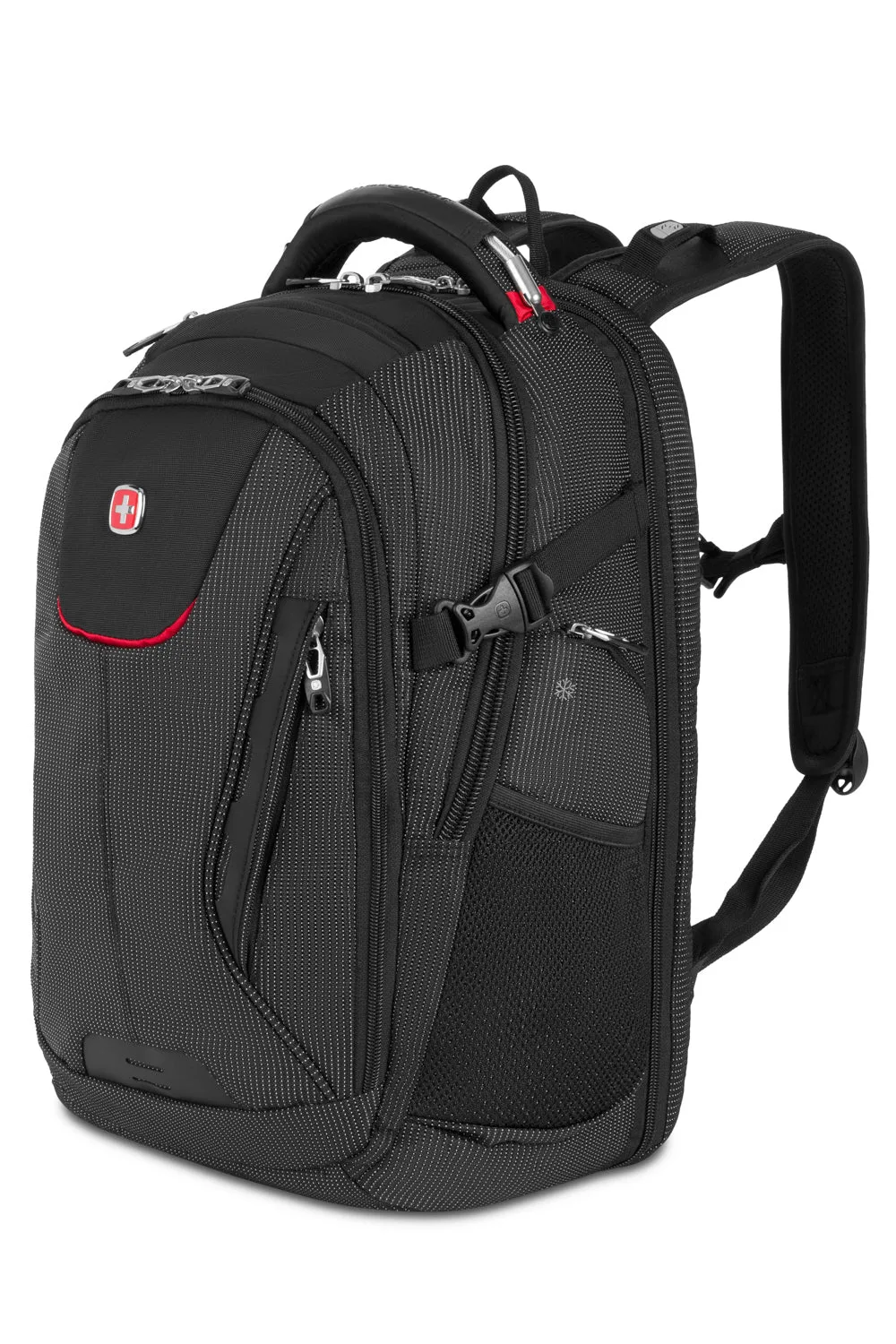
SWISSGEAR Travel Tech Elite USB ScanSmart Laptop Backpack
- Inspect strap anchors and the base panel first, since these take the most stress.
- A stabilizing base, like the one on the Wenger Ibex, helps the bag stand and reduces wear on the bottom.
Can a backpack be repaired, and is it worth it?
Many repairs are straightforward: a cobbler or gear repair shop can replace a zipper slider, restitch a seam, or patch a small tear. The question is whether the repair cost is reasonable compared with replacement. If the fabric around the repair is worn thin, the fix may not last.
For minor issues, repair is usually worth it. For structural failure across multiple panels, replacement is often the better choice. Keep in mind that third-party repairs may void a warranty, so check the policy before you cut or stitch anything.
- Ask for a repair quote before committing to a fix.
- Photograph the damage before sending a warranty claim.
What durability checks should I do before buying?
Look at the stress points: where straps meet the body, the base of the bag, and the zipper ends. Reinforced bartack stitching and doubled fabric at these points are good signs. Check the zipper brand and type, since a stiff or undersized zipper is a common failure point on cheaper bags.
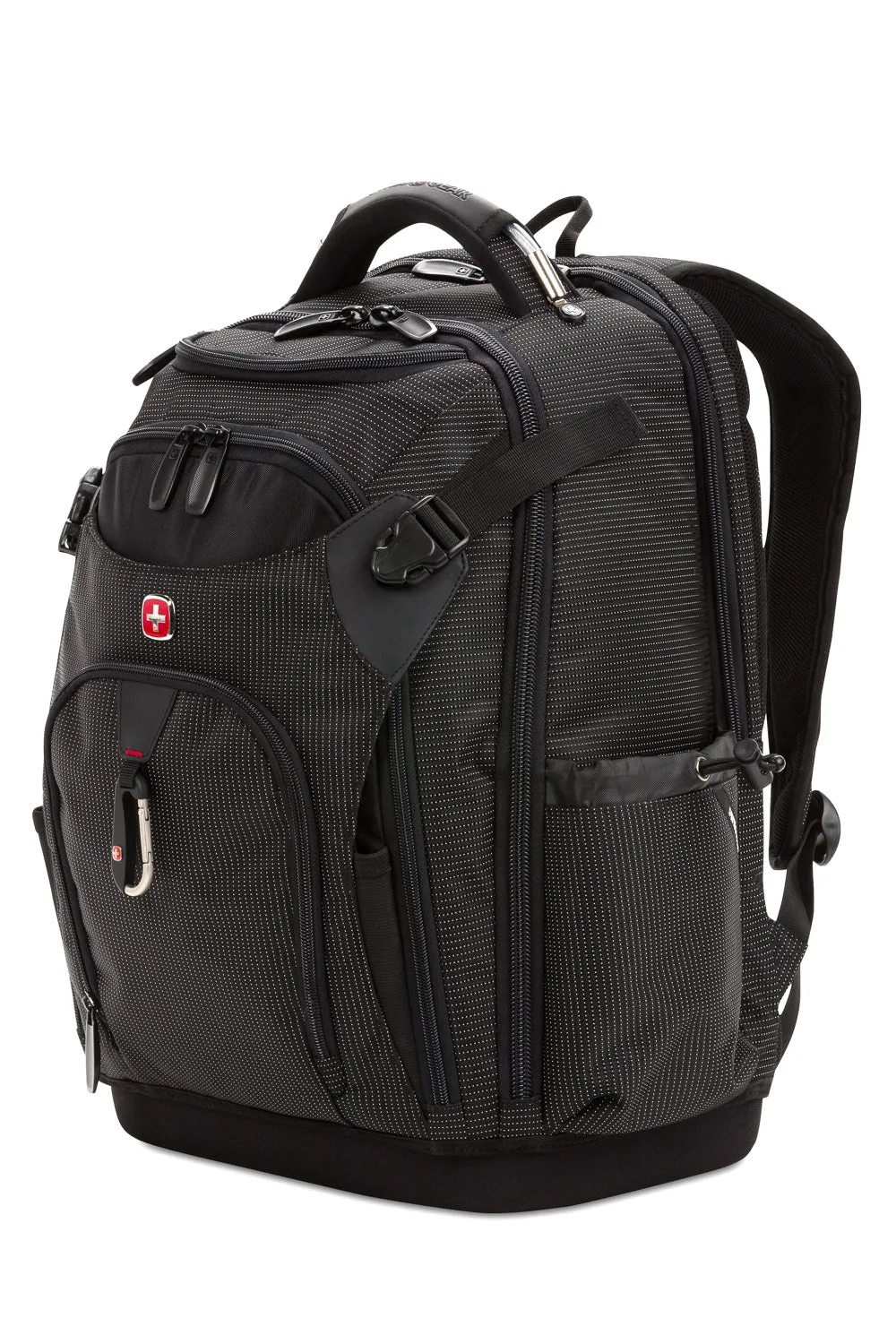
If you can handle the bag, load it with weight and check whether the shape holds. A bag that sags or distorts under load will wear faster. The SWISSGEAR Work Pack Pro Tool Backpack is described as a rugged construct with three zip compartments and more than 60 organizer slots, which suggests a structure built for heavier, repeated use.
- Test zippers with the bag empty and full.
- Confirm the laptop compartment padding matches your device size.
How do I file a warranty claim without delays?
Start by finding your proof of purchase, since most claims require it. Then photograph the defect clearly, including a wider shot that shows where it is on the bag. Contact customer service with the product name, the issue, and your order number. Ask what the next step is and whether you ship the bag or send photos first.
Keep the original packaging if you still have it, and do not attempt a repair before the claim is assessed. A clear, complete first message usually resolves the claim faster than a series of follow-ups.
- Save your order confirmation email in a folder you can search.
- Ask for a claim reference number.
Does a higher price mean a better warranty?
Not necessarily. Price reflects materials, design, and brand, while warranty terms are a separate policy decision. A mid-priced bag can carry a stronger warranty than a premium one. Compare the coverage text, not the price tag.
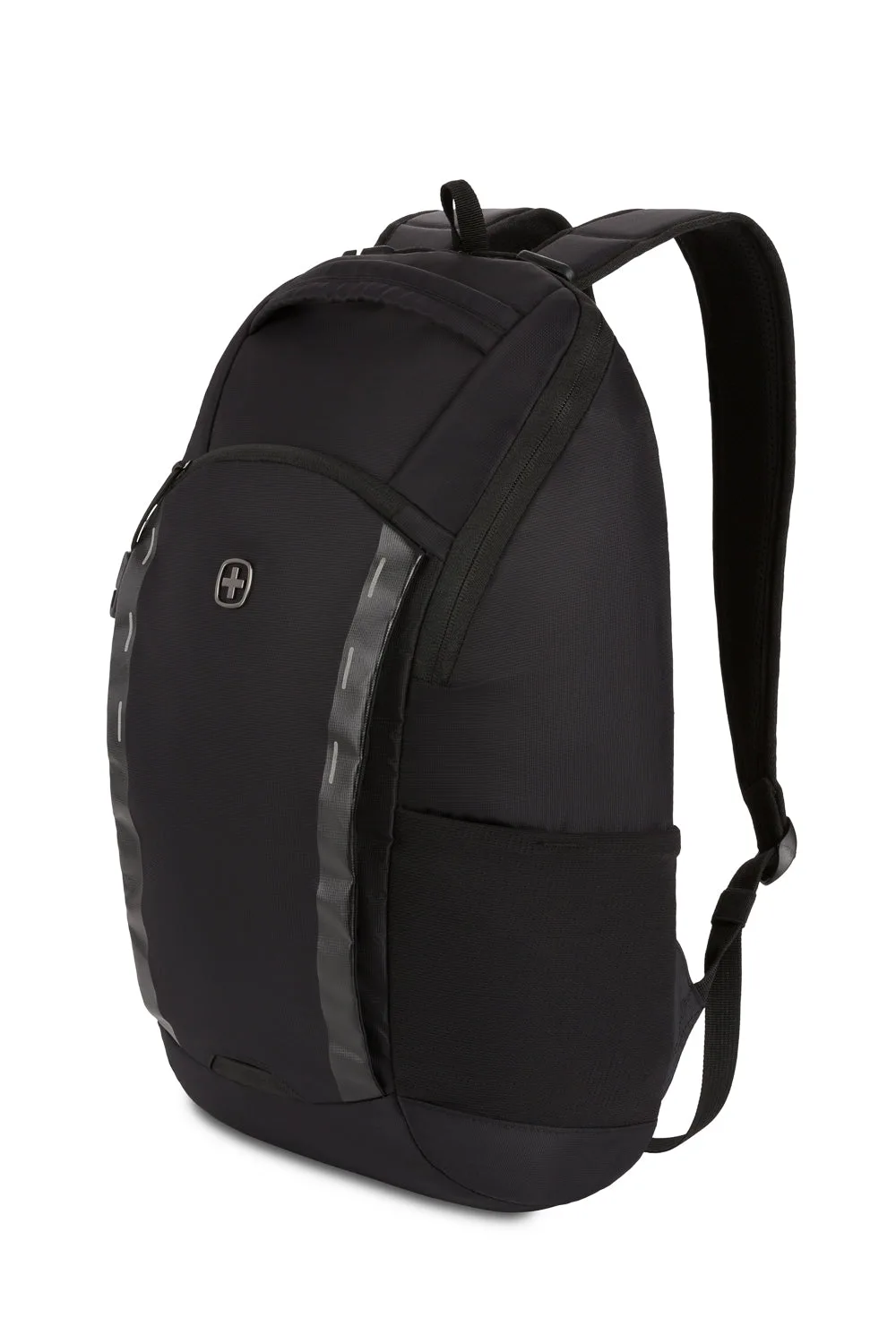
That said, higher-priced bags often use more durable materials, which reduces the chance you will need the warranty at all. The SWISSGEAR Viibe Core Laptop Backpack includes Anti-Grab zipper pulls and sturdy nylon loops, features aimed at tamper resistance and everyday security rather than warranty length.
- Read the warranty section on the product page before checkout.
- Ask whether the warranty is transferable if you give the bag as a gift.
Backpack warranty FAQ: quick answers
How long is a typical backpack warranty?
Warranty length varies by brand and model, so check the specific product page rather than assuming a standard. The number matters less than what is covered. Confirm the coverage list, not just the years.
Does the warranty cover a broken zipper?
Zipper failure from a manufacturing defect is often covered, while damage from overloading or forcing a stuck zipper is usually excluded. Describe how the zipper failed when you file a claim.
Can I repair a backpack myself?
Minor fixes like restitching a seam are possible, but self-repair may void the warranty. Get the claim assessed first. Photograph the damage before any repair attempt.
How long should a backpack last?
Three to five years of daily use is a reasonable expectation for a well-made bag, longer with light use and basic care. Inspect stress points yearly to catch wear early.
What proof do I need for a claim?
Most claims require proof of purchase such as an order confirmation or receipt, plus clear photos of the defect. Keep your order email where you can find it quickly.
Product facts that relate to durability and coverage
- Wenger Ibex ScanSmart Laptop Backpack: Crafted from durable ballistic polyester with a Triple Protect padded laptop compartment and a stabilizing base. Abrasion-resistant fabric and a reinforced base are the two areas that most affect how long a backpack lasts under daily commuting.
- SWISSGEAR Travel Tech Elite USB ScanSmart Laptop Backpack: Encased in durable, abrasion-resistant polyester fabric with a TSA-friendly lay-flat back panel. Abrasion-resistant fabric reduces surface wear, and the lay-flat panel means less handling stress on the laptop compartment during security checks.
- SWISSGEAR Work Pack Pro Tool Backpack: Rugged construct with a designated 17-inch laptop compartment, a built-in USB port, and three zip compartments with more than 60 organizer slots. A rugged build and high organizer count suit heavy, repeated use, which is where durability and repair questions matter most.
Before you buy, confirm the warranty terms, check the stress points in person or in the product photos, and decide whether repair support matters for how you use the bag. A clear coverage policy and durable materials will serve you better than a long warranty on a bag that wears out in a year.