Quick answer
Attach a needlepoint bag charm with a small split ring or a short length of silk cord through the stitched canvas edge, never through the painted design. Push the ring through the binding or a stitched corner, not the mesh field, and keep the charm from rubbing against zipper teeth or exposed metal. If the canvas edge is unbound or the hardware gap is wider than the mesh, stop and use a fabric loop instead.
A finished needlepoint canvas makes a charming bag accessory, but the wrong attachment point can pull stitches, fray the edge, or scratch the hardware it hangs from. The fix is to match the attachment method to the canvas edge, the bag's hardware, and how much the bag moves.
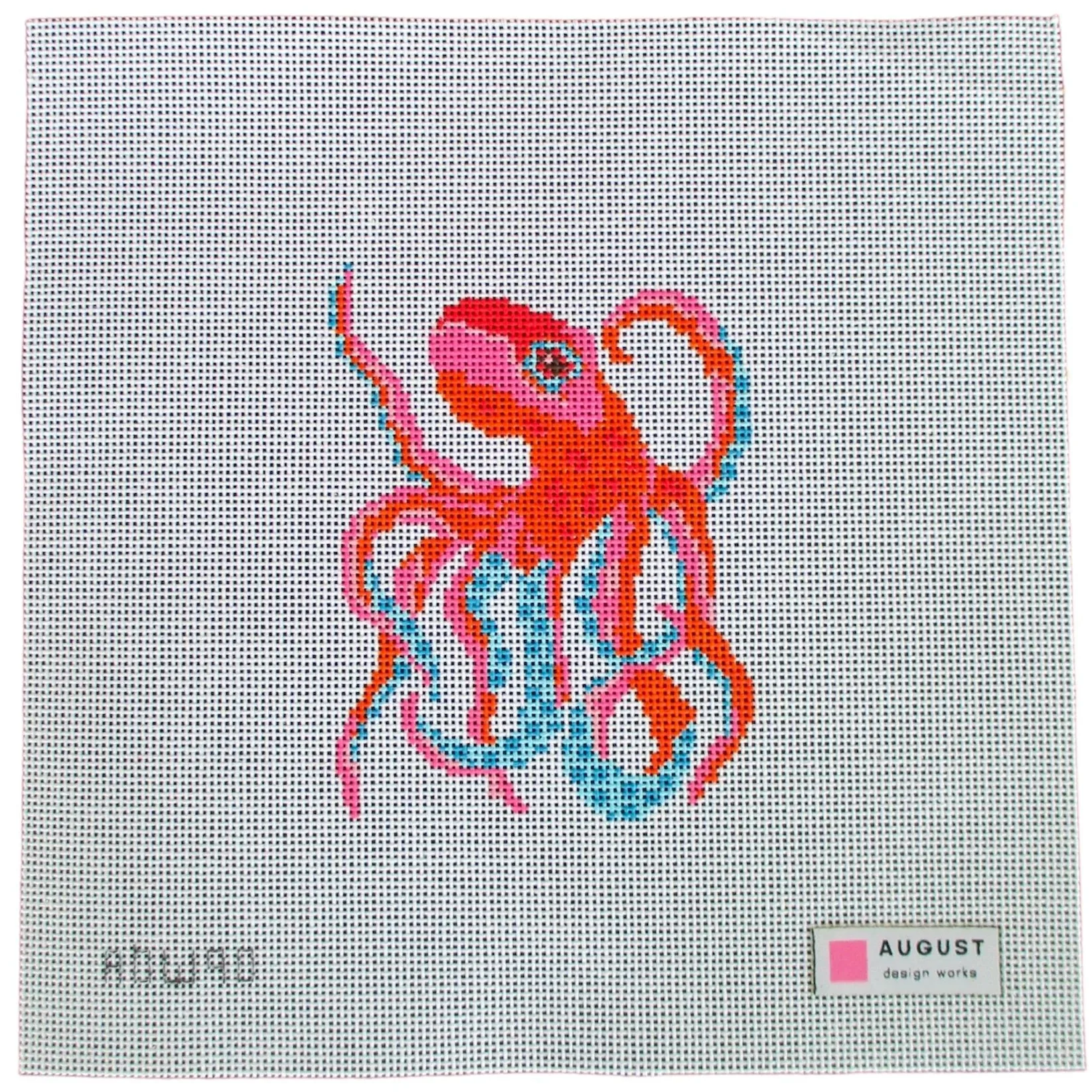
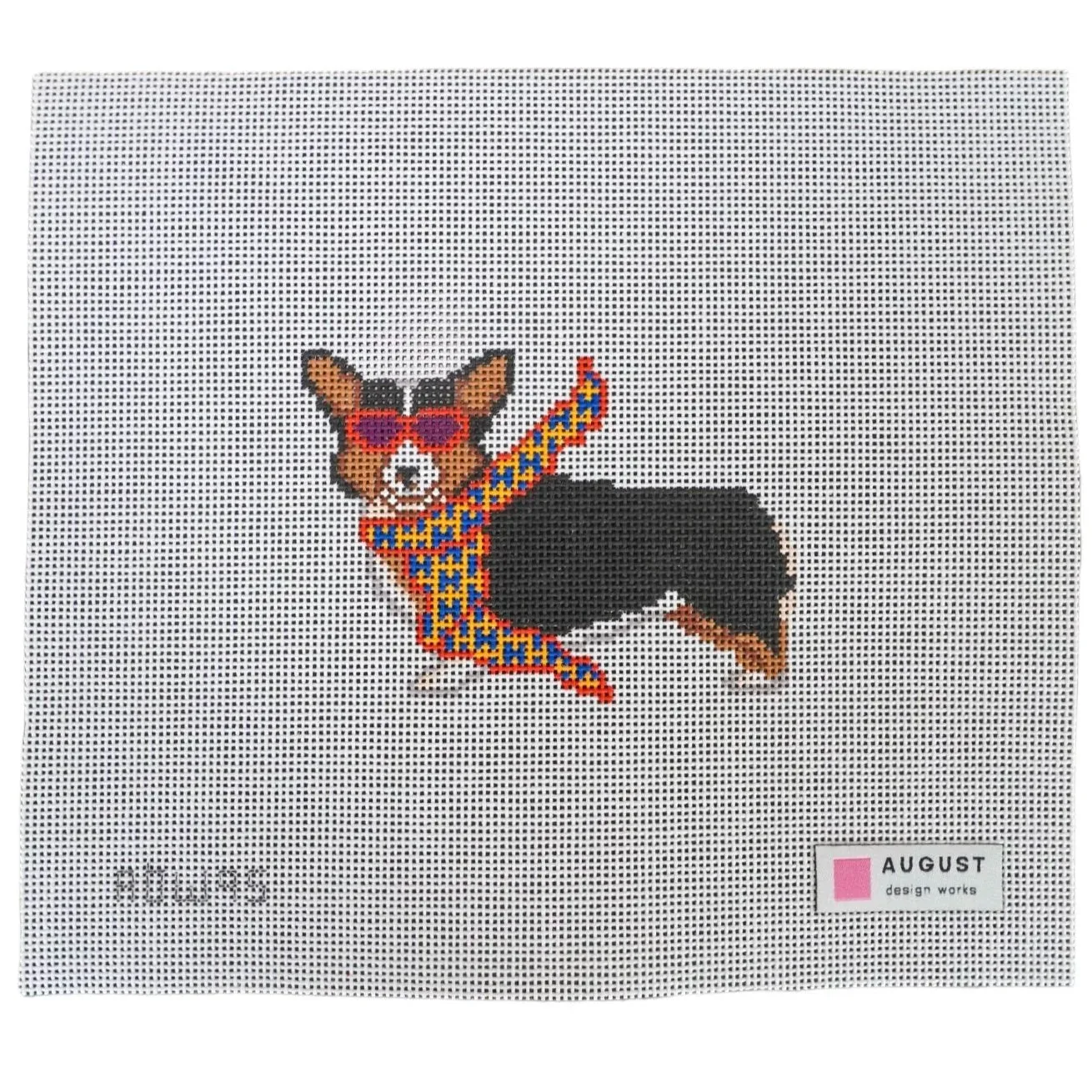
This guide walks through the diagnosis: what damage looks like, why it happens, how to correct it, and when to choose a different attachment method entirely. The same logic applies whether you stitch a love lock design or a painted canvas like the Bougie Corgi or Octopus.
Symptom: stitches pull or the canvas edge frays
You notice loose threads, a distorted mesh field, or a fuzzy edge where the charm meets the bag. This usually means the attachment point is bearing weight through the stitched design rather than through a reinforced edge. Painted needlepoint canvas is hand-painted and may vary, so the painted area is not a structural anchor.
Correct it by moving the connection to a bound edge or a stitched corner tab. If the canvas has no binding, add a narrow silk or cotton binding before attaching anything. Keep the ring small so it does not swing and catch on the bag's zipper or strap.
- Never pierce the painted design area to attach a ring.
- Reinforce the corner with a few extra stitches before adding hardware.
- Check the ring gap: if it is wider than the canvas edge, it can slip and rub.
Symptom: the charm swings, flips, or scratches hardware
A charm that swings freely can flip the canvas face against the bag, dulling the painted surface and scratching metal hardware. This is common when the attachment loop is too long or the ring is too large for the bag's scale. A short, snug loop keeps the canvas flat against the bag and limits movement.
If the bag has delicate hardware, use a fabric or silk loop instead of a metal ring. Silk cord is soft, knots securely, and will not scratch plated metal. Trim and seal the knot so it does not unravel.
- Keep the loop shorter than the charm's width to reduce flipping.
- Choose silk or cotton cord for bags with plated or antique hardware.
- Test the swing by walking with the bag before committing to the attachment.
Symptom: the canvas sags or the attachment point tears
Sagging happens when the canvas is heavier than the attachment point can support, or when the ring is attached to a single mesh thread. Needlepoint canvas is not designed to bear weight through one stitch. Distribute the load across a bound edge or a stitched tab with multiple passes of thread.
If the canvas is large or heavily stitched, consider a different format. A small canvas like the Bougie Corgi, at 8 x 6.75 inches with a 4 x 2.75 inch design, is a better bag charm candidate than a large piece. If the canvas is too big, stop and use it as a framed piece instead.
- Match charm size to bag size; oversized canvases stress hardware.
- Use a stitched tab with at least three passes of thread for weight-bearing.
- If the edge tears, remove the charm and repair the canvas before reattaching.
Diagnosis: match the attachment to the canvas and bag
- Painted design area: The painted field is not a structural anchor and can distort if pierced. Attach through a bound edge or stitched corner tab instead. If the only available attachment point is the painted design, stop and add a binding first.
- Canvas edge condition: Unbound edges fray under movement. Bind the edge with silk or cotton tape, or stitch a reinforced tab before adding a ring. If the edge is already fraying, repair it before reattaching the charm.
- Bag hardware and movement: Metal rings can scratch plated hardware and swing against zipper teeth. Use a short silk cord loop for delicate bags and keep the loop snug. If the bag has fragile hardware or heavy movement, choose a fabric loop over a metal ring.
- Canvas size and weight: Large or heavily stitched canvases sag when hung. A compact 18 mesh canvas with a small design size is a better daily-carry charm. If the canvas is larger than your palm, display it instead of attaching it to a bag.
Canvas details that affect attachment and care
- https://augustdesignwork.com/products/bougie-corgie-wholesale-fc5b14771c172a5f9004c48a-1481513Bougie Corgi - Needlepoint Canvas (Wholesale): 8 x 6.75 canvas size, 4 x 2.75 design size, 18 mesh, hand-painted and may vary; canvases do not come with thread. The small design area and 18 mesh make this a good scale for a bag charm, but you will need to supply your own thread and reinforce the edge before attaching hardware.
- Octopus - Needlepoint Canvas (Wholesale): 7.25 x 8.25 canvas size, 3.25 x 4.25 design size, 18 mesh, hand-painted and may vary; canvases do not come with thread. Thread recommendations: Pepper Pot Silk 197, 104, 102, 022, 224, 243 and 002. The listed thread numbers help you plan a coordinated palette, and the compact design size keeps the charm from overwhelming a handbag.
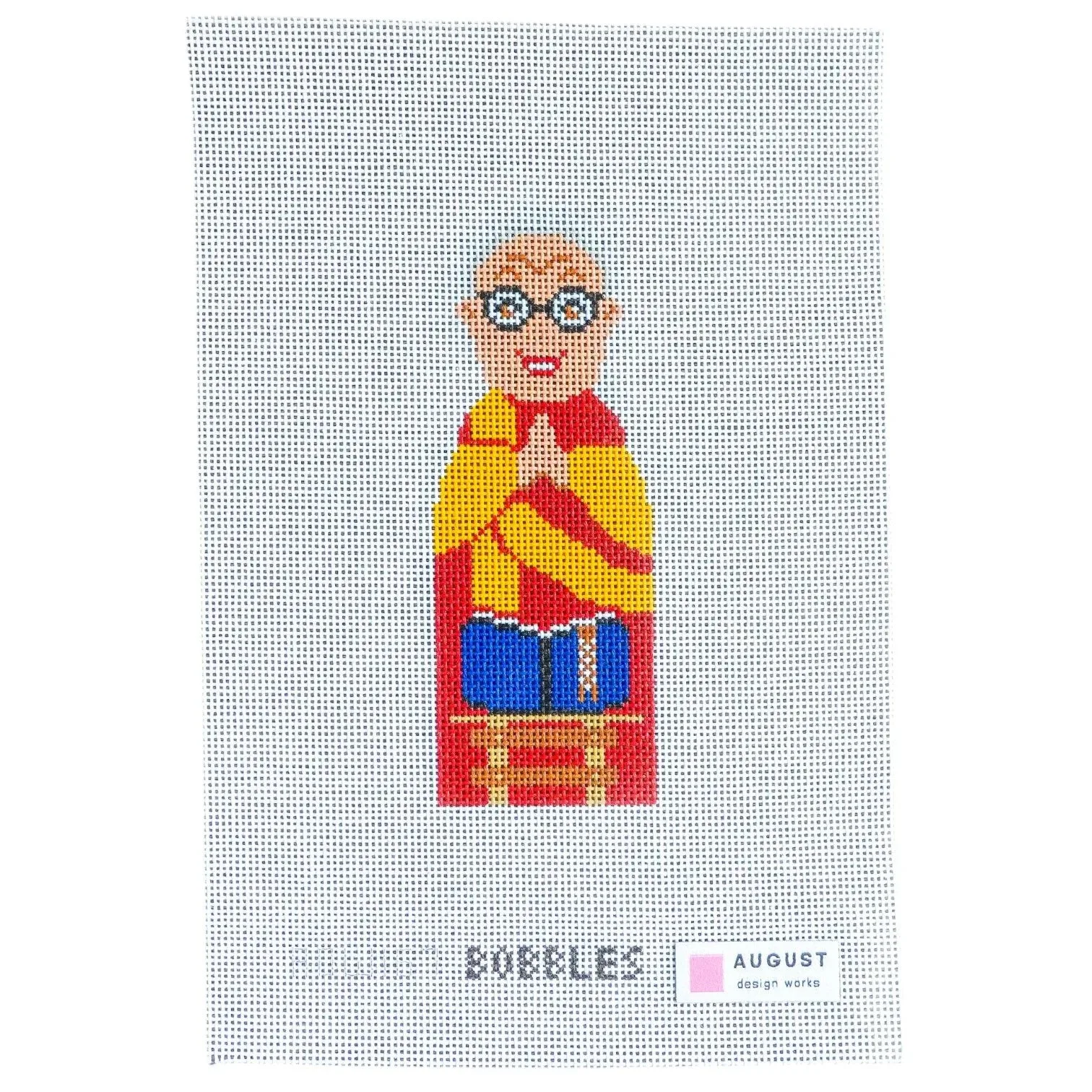
- https://augustdesignwork.com/products/dalai-lama-bobble-wholesale-4488c7b62067c5e6e3d341a8-1481534Dalai Lama Bobble - Needlepoint Canvas (Wholesale): Part of the Bobbles Series of hand-painted needlepoint canvases designed to be stitched, displayed, and collected; 18 mesh. The Bobbles Series is intended for display and collection, so if you plan to hang it from a bag, reinforce the edge first or choose a different canvas for daily carry.
Attach a needlepoint bag charm through a reinforced edge, keep the loop short, and match the hardware to the bag. If the canvas is unbound, oversized, or too precious for daily wear, stop and choose a display option instead.