Quick answer
Choose an everyday bag by matching its internal dimensions to your three bulkiest daily items, then pick a material that suits your weather and care routine, and confirm the strap drop fits over your coat or shoulder. If you carry a laptop, start with a structured bag that has a dedicated sleeve; if you carry only phone, wallet, and keys, a soft small bag will feel lighter and easier all day.
Most everyday bags fail for one boring reason: they were chosen for how they look on a shelf, not for what you actually carry on a Tuesday. This bags buying guide walks through the decisions that matter, in the order they matter, so you can stop returning bags and start using one.
You will not find a single perfect bag here. Instead, you get concrete rules for size, material, straps, and weight, plus honest trade-offs. The goal is a bag that disappears into your routine because it fits your items, your body, and your weather.
Start with your daily load, not the bag
Before you browse, empty your current bag onto a table and measure the three bulkiest items with a tape measure. A laptop, a water bottle, and a notebook usually decide the bag. Write down the longest, widest, and thickest measurements, then add about 2 cm of breathing room on each side. That number is your minimum internal size, and it matters more than the outside dimensions listed on most product pages.
Next, sort your items into two groups: essentials you touch every hour, like phone, wallet, keys, and transit card, and occasional items like a charger, umbrella, or makeup pouch. Bags that organize only essentials stay small and light; bags that also hold occasional items need a wider base. If you cannot name your occasional items, you probably do not need a large bag.
- Measure the three bulkiest items before you shop, not after the bag arrives.
- Add 2 cm of clearance per side so you can remove items without fighting the zipper.
- If your load changes by season, choose the bag for your heaviest regular day, not your lightest.
Bag size guide: match liters to your routine
Bag volume is usually listed in liters, and that number is more useful than photos. Under 5 liters fits phone, cardholder, keys, and lip balm, which suits commuting with a separate work bag or walking to lunch. Around 8 to 12 liters handles a tablet, a small water bottle, and a light layer, which is the sweet spot for most everyday carry. Above 15 liters you are in tote or backpack territory, and the bag will feel heavy even when half empty.
Shape matters as much as volume. A tall, narrow bag holds a laptop but swallows small items; a wide, shallow bag is easy to search but can bulge when full. If you carry both a laptop and small loose items, look for a wide base with at least one internal pocket or a removable pouch. A bag with no internal organization forces you to buy a separate organizer, which adds weight and cost.
- Under 5 L: phone, wallet, keys, lip balm.
- 8 to 12 L: tablet, small bottle, light layer, plus essentials.
- 15 L and up: laptop, gym clothes, or groceries; expect more weight and less structure.
Bag material guide: leather, coated canvas, and nylon
Material decides how the bag ages and how much you baby it. Smooth leather looks polished and softens with use, but it shows scratches and needs conditioning to stay supple. Pebbled or textured leather hides scuffs better and is a practical choice for daily commuting. Coated canvas is lightweight and wipes clean, which suits rainy cities and travel, though it can crack at folded corners over years of heavy use.
Nylon and recycled synthetics are the lightest and most packable, and they often cost less, but they can pill and lose structure. If you carry sharp or heavy items, choose a lined bag with reinforced stitching at the strap anchors. For care, match the material to your habits: if you will not condition leather or wipe canvas, a darker, textured material will look better longer than a pale smooth finish.
- Smooth leather: polished look, shows scratches, needs occasional conditioning.
- Pebbled leather: hides scuffs, good for daily commute.
- Coated canvas: light and wipeable, watch for corner cracks.
- Nylon: lightest and packable, less structure over time.
Straps, hardware, and closure: the fit details people skip
Strap drop is the distance from the top of the bag to the top of the strap, and it decides whether the bag sits under your arm, at your hip, or across your body. Measure a bag you already like and compare. For crossbody wear, you need enough length to fit over a coat in winter; for shoulder wear, a drop around 20 to 25 cm usually clears a light jacket but not a puffer. Adjustable straps solve seasonal layering, but they add hardware that can dig into your shoulder.
Hardware and closure affect daily use more than looks. A zipper keeps rain and pickpockets out but slows you down; a magnetic flap is fast but can pop open when the bag is overfilled. Metal feet protect the base but add weight. Check that the zipper glides around corners and that the strap anchors are stitched, not just riveted, because that is where most bags fail first.
- Measure strap drop on a bag you own, then compare before buying.
- Zipper for security and weather; magnetic flap for speed.
- Check strap anchors for stitching, not only rivets.
Weight, structure, and what you give up
Everyday bags trade weight against structure. Structured bags stand up on their own and protect a laptop, but they are heavier empty and less forgiving when you overstuff them. Soft, unstructured bags mold to your body and pack flat, but they slump and can be hard to search. If you walk or take transit for more than 30 minutes a day, weight matters more than structure; if you drive and set your bag down often, structure wins.
There is also a care trade-off. Light colors show denim transfer and rain spots; dark colors hide wear but can look heavy with summer outfits. Reversible or two-tone bags offer flexibility, but they often have simpler interiors. Decide which compromise you can live with for three years, not three weeks.
- Walk more than 30 minutes daily: prioritize low empty weight.
- Carry a laptop: prioritize structure and a padded sleeve.
- Light colors show transfer; dark colors hide wear but feel heavier visually.
Decision rules for choosing an everyday bag
- If you carry a laptop: Choose a structured bag with a dedicated padded sleeve and a base wide enough that the laptop sits flat, not at an angle. Measure the laptop's diagonal and add 2 cm. No sleeve means the laptop leans and strains the zipper; skip that bag.
- If you commute in rain or snow: Choose coated canvas, pebbled leather, or nylon with a zipper closure. Avoid pale smooth leather and open totes unless you use an internal waterproof pouch. Weather protection is a material and closure decision, not a brand decision.
- If you walk or take transit daily: Weigh the bag empty before buying. Aim for under 1 kg for a medium bag, and prefer adjustable crossbody straps so the load sits on your hip, not your shoulder. Empty weight is the number most product pages hide; ask or weigh it yourself.
- If you switch outfits often: Choose a neutral color and minimal hardware, then use a removable pouch for essentials so you can move items between bags in seconds. One neutral bag plus a pouch replaces three specialty bags.
- If you are between two sizes: Choose the smaller size if your daily items fit with 2 cm clearance, because an overfilled bag is heavier, wears faster, and looks messy. Buy for your regular day, not your occasional day.
Kemmi pieces that solve everyday fit problems
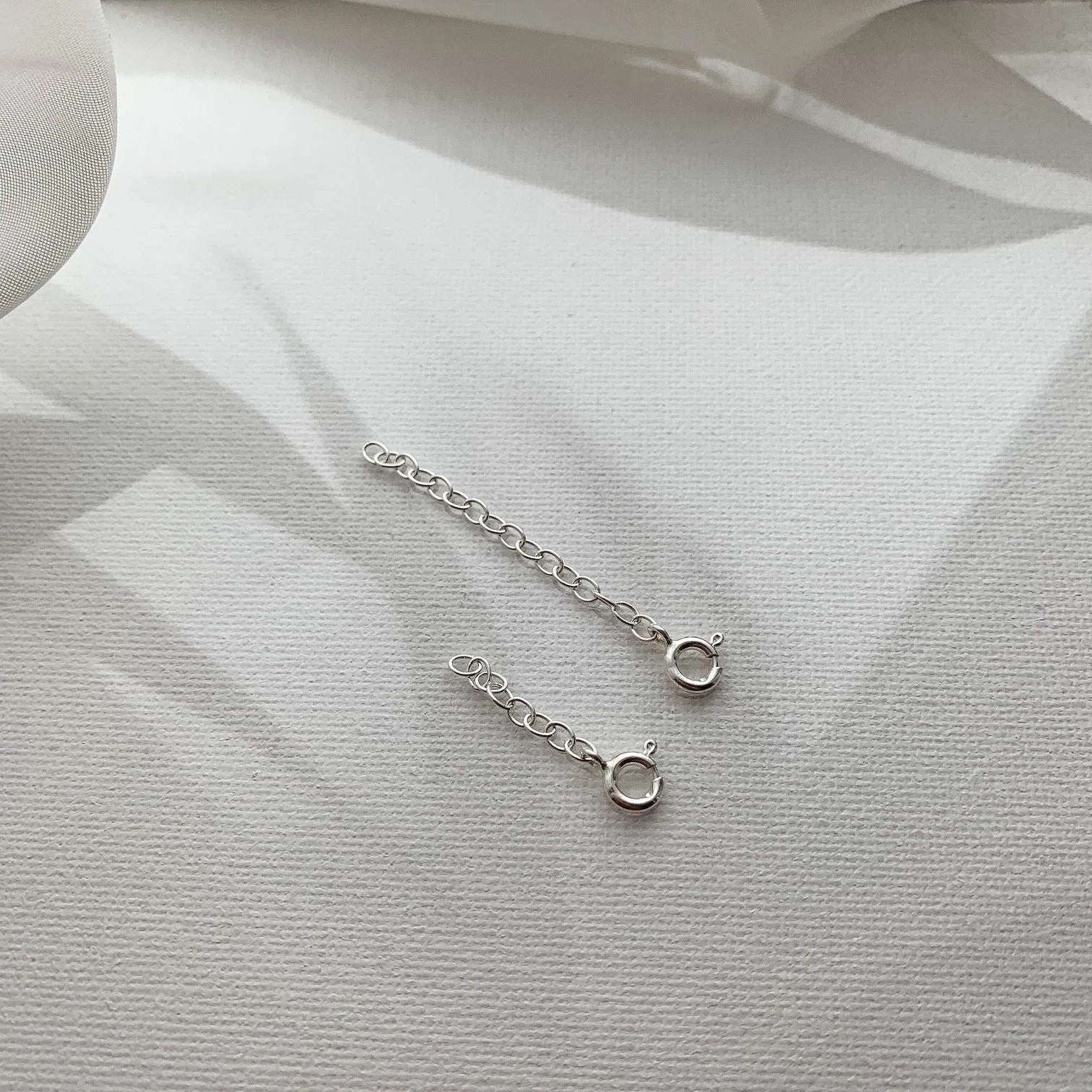
- Silver Extension Chain: A silver extension chain with a length option, priced at USD 5.00 (catalog comparison price USD 10.00), made to fix chain jewelry that no longer fits or to add length for a change. The same logic applies to bag straps: if a strap is slightly too short for winter layers, an extender or adjustable strap saves the bag from being returned. This is a cheap fix for a common everyday bag problem.
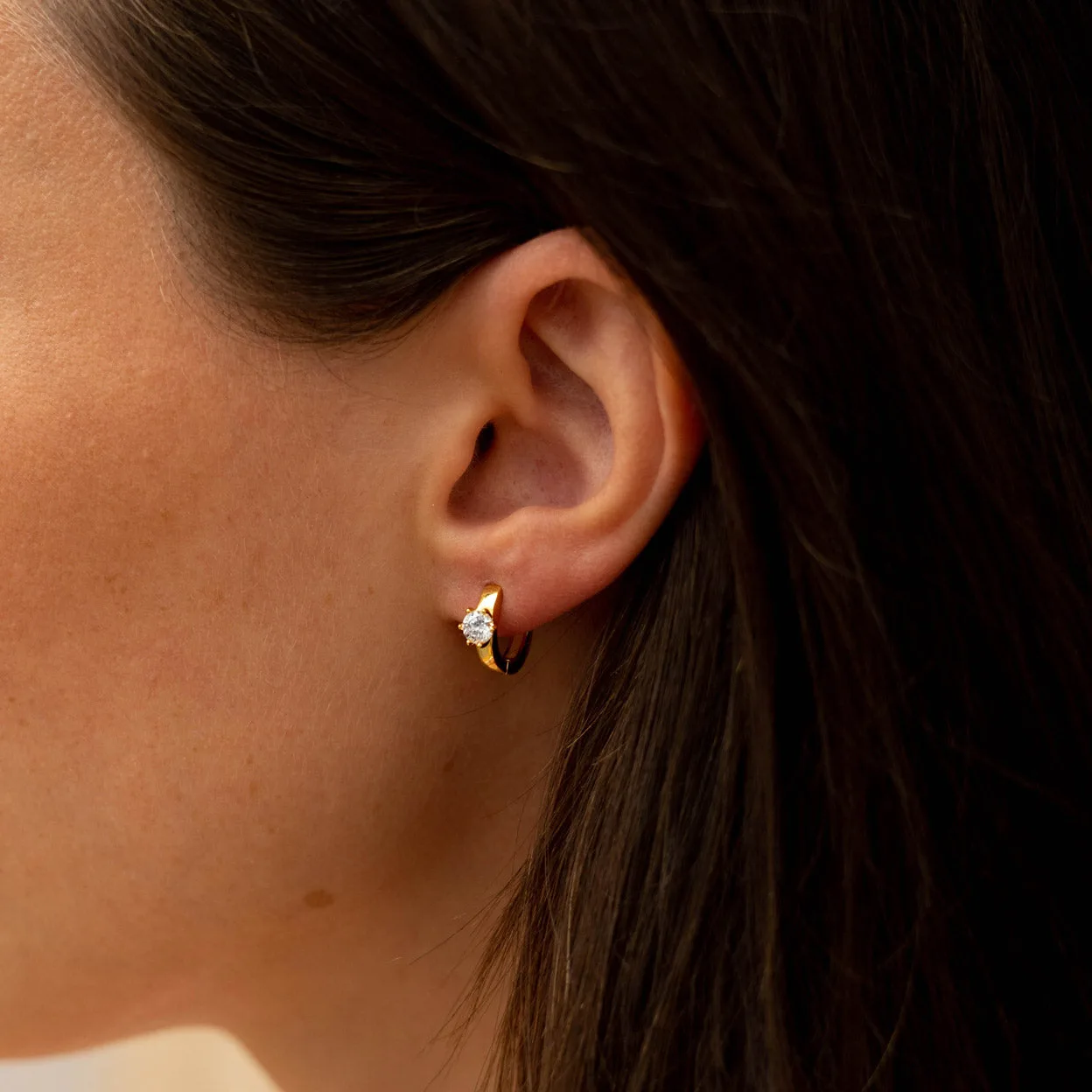
- Solitaire CZ Hoops: A minimal, elegant hoop earring available in a material option, priced at USD 32.50 (catalog comparison price USD 65.00), described as jewelry that can do it all. An everyday bag should be the accessory equivalent: one piece that works with most outfits so you are not swapping bags daily. If your earrings already do that job, your bag should too.
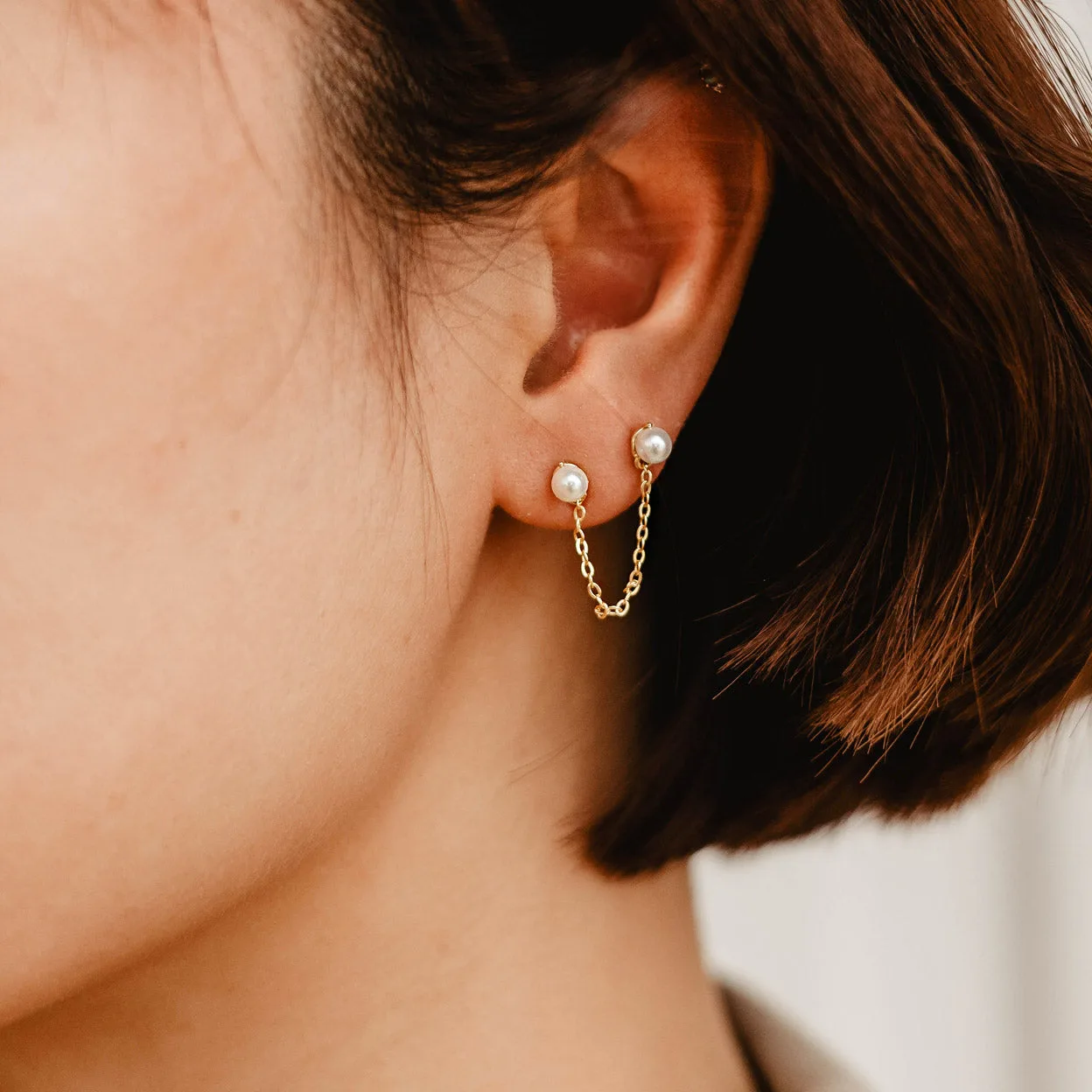
- Double Pearl Chain Studs: Gold earrings with natural pearls and a sparkly chain, handmade, available in a material option, priced at USD 22.50 (catalog comparison price USD 45.00). Small, secure pieces are easier to wear with a crossbody bag because they do not catch on straps. This is a reminder to check whether your bag hardware snags delicate jewelry before you commit.
Who this everyday bag approach fits
Best for
- Commuters who carry a predictable set of items and want one bag for most days
- Shoppers willing to measure their items and compare strap drop before buying
- Anyone who prefers a neutral, structured bag that works with many outfits
Not for
- Shoppers who want a different bag for every outfit and do not mind swapping contents daily
- People who carry bulky gear like camera bodies or gym shoes and need a dedicated technical bag
- Anyone unwilling to check material care, because leather and canvas need different routines
Pick your everyday bag by measuring your three bulkiest items, matching material to your weather and care habits, and confirming strap drop over your heaviest layer. Then choose the smaller size that still fits. A bag that meets those three checks will earn its place by your door for years, not just for one season.