A casserole is a sequence, not a recipe
A baked penne casserole goes wrong in one of two places: the pasta is undercooked when it goes into the dish, or the sauce is thin enough that the whole thing turns soupy under the topping. Fix the order of operations and most of the risk disappears.
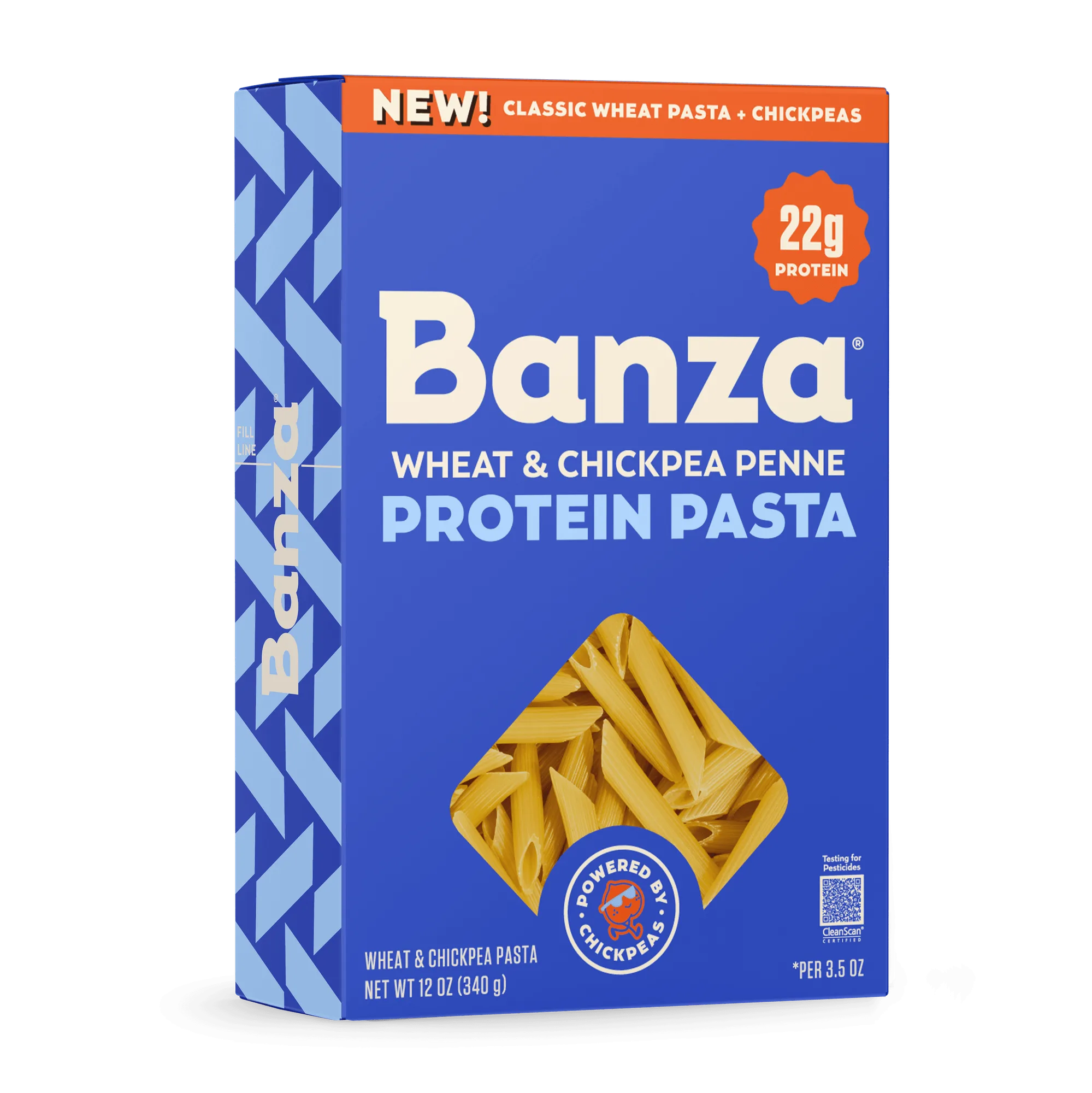
The product in this guide is Wheat Penne Protein Pasta (12-Pack), a wheat-and-chickpea blend described by the brand as al dente and suited to the whole family. That description tells you what the pasta is aiming for, not how long to boil it or at what temperature to bake — the supplied record includes no cooking times, oven temperatures or package directions. So treat the checkpoints below as technique, and read your box for the numbers that matter.
What the product record actually confirms
-
Wheat Penne Protein Pasta (12-Pack): Wheat Penne Protein Pasta combines wheat and chickpeas for classic taste plus a boost of protein. The blend is the reason this pasta behaves differently from plain semolina penne in a bake — it is the starting point for your sauce and texture decisions.
Wheat Penne Protein Pasta (12-Pack)
-
Wheat Penne Protein Pasta (12-Pack): The brand describes the pasta as deliciously al dente and perfect for the whole family. Al dente is the target texture, which is exactly why you stop boiling early before the oven stage.
-
Wheat Penne Protein Pasta (12-Pack): The product is sold as a 12-box pack. A 12-pack suits repeat casserole nights, but it also means you should know your portion before you open the first box.
Pair the sauce to the bake, not just the plate
Sauce choice decides whether your casserole sets or slumps. These pairings work with the structure of a baked penne dish:
- Tomato-based sauces: The safest default. A thick tomato sauce clings to penne tubes and reduces rather than pools, so the bake firms up instead of turning wet. Simmer it down before layering if it looks loose.
- Chunky vegetable and tomato sauces: Good when you want texture, but drain watery vegetables first. Penne's hollow shape traps pieces, which is a benefit only if the pieces aren't releasing liquid into the dish.
- Cream or cheese sauces: Rich and casserole-friendly, but they thicken fast in the oven. Keep them slightly looser than you would serve over plain pasta, and don't overfill the dish.
- Pesto and oil-based coatings: Use these as a coating rather than a pool. A thin oil layer browns quickly under high heat, so watch the top of the bake rather than relying on a timer alone.
- What to skip: Very thin, watery sauces and anything you'd normally serve as a broth. In a bake they steam the pasta instead of binding it.
How to bake penne protein pasta, step by step
- 1. Cook the penne slightly short of al dente: The pasta finishes in the oven, so pull it while it still has a firm bite. Undercooking here is the single most reliable way to avoid mushy baked penne.
- 2. Drain well and toss with sauce immediately: Coating the pasta while hot helps the sauce adhere to the tubes. Reserve a little sauce for the top layer.
- 3. Build in layers, sauce first: A thin layer of sauce on the bottom of the dish prevents sticking. Then pasta, sauce, and any cheese or topping, repeated once.
- 4. Keep the topping modest: A heavy cheese blanket insulates the pasta and slows the bake. A moderate, even layer browns more predictably.
- 5. Bake until the center is hot and the top is browned: The reliable checkpoint is the middle of the dish, not the edge. If the top browns before the center is hot, cover loosely and continue.
- 6. Rest before serving: A few minutes out of the oven lets the sauce set, so portions hold their shape on the plate.
Why the bake temperature is your call, not ours
You may be searching for a specific penne pasta bake temperature. The supplied product record does not include an oven temperature, a boil time, or package cooking directions, so any number stated here would be invented. Instead, work from what you can observe: a casserole is done when the center is steaming hot and the sauce has stopped bubbling loosely at the edges.
Use the temperature and timing printed on your box or in your own trusted recipe as the authority, and use the visual checkpoints above to confirm. If your box gives no baking guidance at all, a covered bake followed by a short uncovered finish is a common approach — but confirm with the manufacturer rather than treating it as an instruction from this article.
Protein penne cooking tips that change the outcome
- Salt the water, not the sauce, for pasta flavor: Seasoning the cooking water flavors the pasta itself, which matters in a bake where the pasta is a main component rather than a base.
- Don't rinse after draining: Rinsing cools the pasta and washes away surface starch that helps sauce cling. Drain and toss straight into the sauce.
- Watch the pasta rather than the clock: Because the supplied record gives no boil time for this blend, taste a piece early and judge by bite. Wheat-and-chickpea pasta is the reason to check rather than assume.
- Make the casserole ahead, then bake from cold: An assembled, chilled dish needs longer in the oven and benefits from a cover for most of the bake. Add time for the center to heat through.
- Keep leftovers in a shallow container: Shallow containers cool faster, which is the practical concern with any baked pasta. The supplied record does not state a storage shelf life, so follow your own food-safety guidance.
Baked penne vs stovetop penne: what changes
Same pasta, different rules. This is where a casserole decision differs from a weeknight boil.
- Texture target: Stovetop: full al dente in the pot. Baked: firm bite out of the pot, tender after the oven.
- Sauce consistency: Stovetop: whatever coats the pasta. Baked: thick enough to survive 20-plus minutes of heat without separating.
- Portion planning: Stovetop: cook to appetite. Baked: the dish size sets the portion, and a 12-box pack rewards knowing how much one bake uses.
- Error tolerance: Stovetop: easy to correct with more sauce or a quick drain. Baked: harder to rescue once the layers are set, so the prep decisions carry more weight.
What to check on the box before your first bake
Before you commit a whole dish to the oven, read the package for the boil time, any baking guidance, allergen statements and storage information. The supplied product record for Wheat Penne Protein Pasta confirms the wheat-and-chickpea blend, the al dente and family-friendly description, and the 12-box pack size — it does not confirm allergen-free status, nutrition figures, shelf life or specific cooking instructions. Those belong to the label, not to this guide.
If you are cooking for guests with dietary needs, check the box's allergen statement yourself rather than relying on the product name or the word "protein." That is the one step in casserole planning where guessing is not worth the risk.