Why Wheat Penne Protein Pasta Cooks Differently
Wheat penne protein pasta brings together wheat and chickpeas, which changes how it behaves in the pot compared to traditional semolina pasta. The added protein from chickpeas means the pasta can go from al dente to overcooked more quickly, so timing and water volume matter more than you might expect.
The goal is a pasta that is deliciously al dente, with a slight bite that holds up to sauces and reheating. With a few simple adjustments, you can get consistent results every time.
Step-by-Step Cooking Guide
Follow these steps for perfectly cooked wheat penne protein pasta. The key is to use plenty of water, salt it well, and taste-test before draining.
- Use a large pot with plenty of water: Fill a large pot with water, leaving room for the pasta to move freely. A good rule is about 4-6 quarts of water per pound of pasta, but the exact amount isn't critical as long as the pasta is fully submerged and can circulate.
- Bring to a rolling boil and salt generously: Salt the water just before adding the pasta. This seasons the pasta from the inside. Use about 1-2 tablespoons of salt per 4 quarts of water, adjusting to taste.
- Add the pasta and stir immediately: Add the wheat penne protein pasta and stir right away to prevent sticking. Continue stirring occasionally during the first few minutes of cooking.
- Cook according to package timing, but taste early: Start checking the pasta a minute or two before the package's suggested cooking time. You're looking for al dente: tender but still firm to the bite. Because protein pasta can go from al dente to soft quickly, frequent tasting is your best tool.
- Drain but don't rinse: When the pasta is al dente, drain it in a colander. Do not rinse unless you're using it in a cold salad. The starch left on the surface helps sauces cling.
Tips for Perfect Texture Every Time
For the best al dente texture, resist the urge to cook the pasta longer than recommended. The chickpea and wheat blend can become mushy if overcooked, and that affects both texture and how well it holds up in leftovers.
If you're serving the pasta with a hot sauce, consider undercooking it by about a minute. It will finish cooking in the sauce, giving you a more integrated dish. This is a common technique with protein pasta because it continues to absorb liquid after draining.
What This Pasta Delivers
-
Wheat Penne Protein Pasta (6-Pack): This pasta brings together wheat and chickpeas for the best of both worlds: classic taste and a boost of protein. The chickpea component adds protein, which is why the cooking behavior differs from regular wheat pasta and why timing is key.
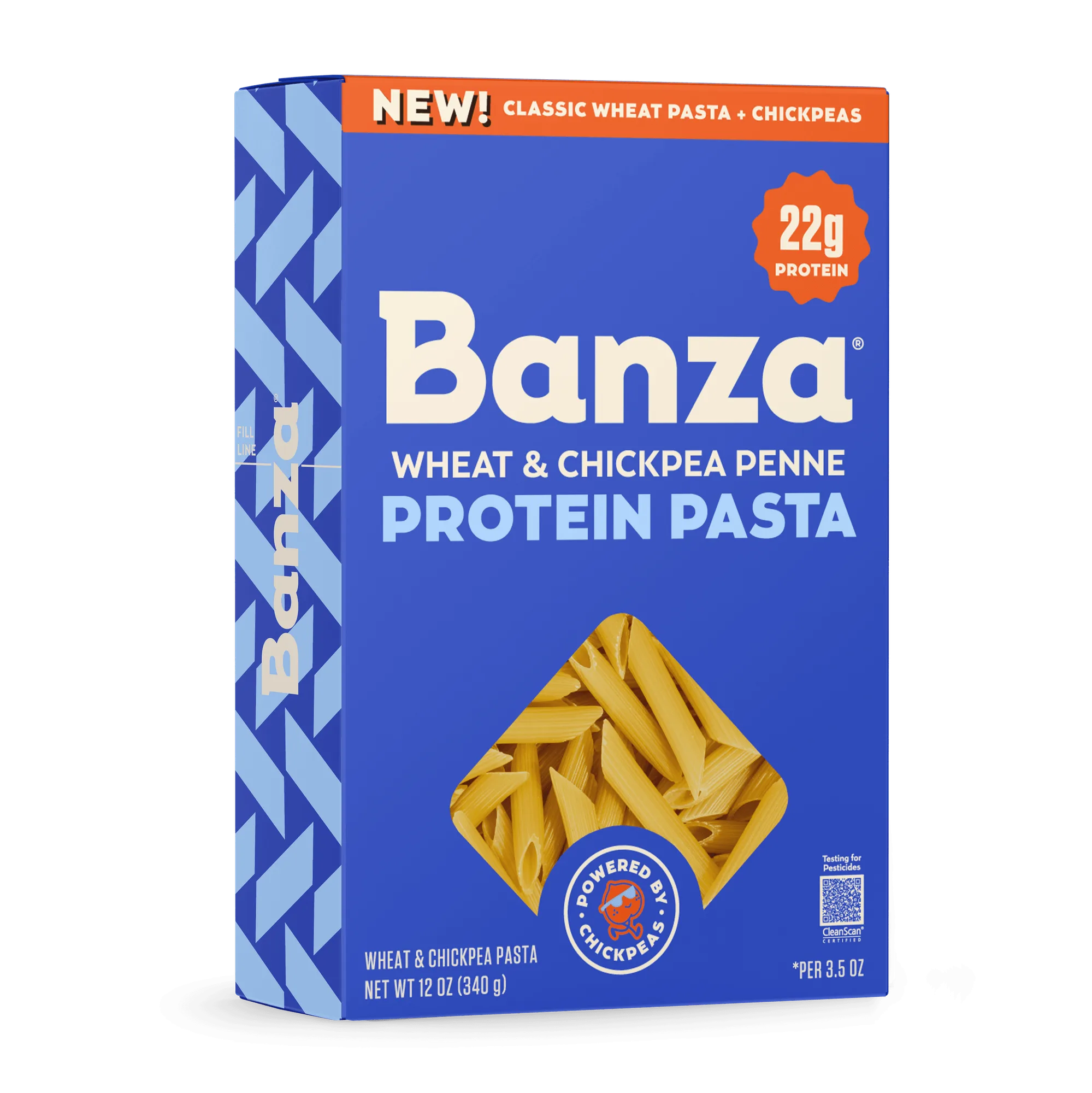
Wheat Penne Protein Pasta (6-Pack)
-
Wheat Penne Protein Pasta (6-Pack): The pasta is deliciously al dente and perfect for the whole family. Al dente is the target texture, and the family-friendly nature means you may be cooking larger batches, making even cooking important.
Using the Pasta in Sauces and Meal Prep
Wheat penne protein pasta is versatile enough for everything from a simple tomato sauce to a creamy mac and cheese-style dish. Because it holds its shape well when cooked al dente, it's a good choice for baked pasta dishes and meal prep containers.
For meal prep, cook the pasta al dente and toss it with a little olive oil to prevent sticking. Store it in an airtight container in the fridge. When reheating, a splash of water or broth can help restore moisture without making the pasta soggy.
What to Keep in Mind
The supplied information doesn't include specific cooking times or instructions for this product, so always refer to the package directions for the most accurate timing. The steps above are general guidance for protein pasta and should be adjusted based on your package's recommendations.
Also, note that this pasta is not confirmed to be gluten-free, as it contains wheat. If you're cooking for someone with gluten sensitivity, check the packaging for allergen information.