Quick Answer
To cook gluten-free caserecce pasta perfectly, use plenty of boiling salted water, stir immediately, and taste-test frequently to catch that al dente window before it turns mushy.
Why Gluten-Free Pasta Needs a Different Approach
Gluten-free pasta is made from alternative flours, which means it behaves differently than traditional wheat pasta. It can go from perfectly tender to mushy in a matter of seconds, so timing and technique matter more than you might think.
Caserecce's short, twisted shape is great at trapping sauce, but it also means the pasta cooks unevenly if you don't stir it well after adding it to the pot. A little extra attention during the first minute of cooking makes a big difference.
Choosing the Right Caserecce
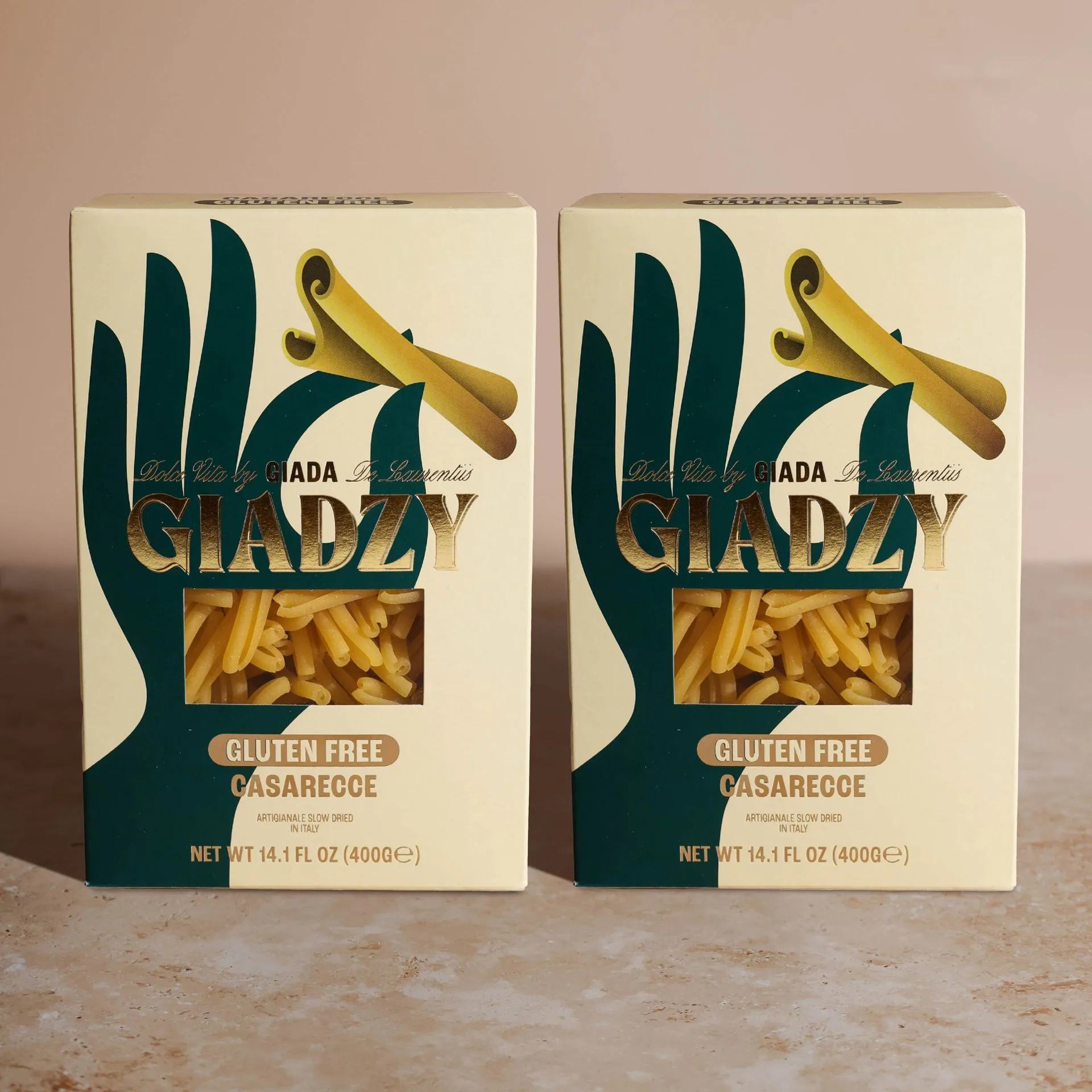
Not all gluten-free caserecce is created equal. Look for a brand that uses a blend of flours and starches designed to mimic the texture of wheat pasta. Giadzy's gluten-free caserecce is a great choice because it's crafted to meet high standards for taste and texture.
If you're new to gluten-free pasta, start with a trusted brand to avoid disappointment. The right pasta will hold its shape and have a satisfying bite when cooked properly.
Step-by-Step Cooking Method
- Boil Plenty of Salted Water: Use at least 4-6 quarts of water per pound of pasta. Add a generous amount of salt (about 1-2 tablespoons) once the water is at a rolling boil. This is your only chance to season the pasta from within. Checkpoint: The water should taste like the sea—well-seasoned but not overpowering.
- Add the Pasta and Stir Immediately: Pour the caserecce into the boiling water and stir right away to prevent sticking. Continue stirring occasionally for the first 2-3 minutes, as gluten-free pasta tends to clump more than wheat pasta. Checkpoint: If you skip the early stirring, you'll end up with stuck-together clumps.
- Cook at a Gentle Boil: Keep the water at a steady, gentle boil rather than a violent rolling boil. This helps the pasta cook evenly without breaking apart.
- Taste-Test Frequently: Start checking the pasta 2-3 minutes before the package's suggested cooking time. Gluten-free pasta can go from undercooked to mushy very quickly, so pull it out as soon as it's tender but still has a slight bite (al dente). Checkpoint: The window for perfect texture is short—don't walk away from the pot.
- Reserve Pasta Water Before Draining: Before draining, scoop out about 1 cup of the starchy cooking water. This is a secret weapon for loosening your sauce and helping it cling to the caserecce curves.
- Drain, Don't Rinse: Drain the pasta in a colander, but do not rinse it with water. Rinsing washes away the starch that helps sauce adhere and cools the pasta down, which can affect texture. Checkpoint: Rinsing is only for cold pasta salads—skip it for hot dishes.
- Finish in the Sauce: Transfer the drained pasta directly into your simmering sauce. Toss it gently for 1-2 minutes, adding a splash of reserved pasta water if needed. This helps the pasta absorb flavor and finish cooking to the perfect consistency. Checkpoint: The pasta should be glossy and coated, not swimming in sauce.
Product Spotlight
-
2-Pack Gluten-Free Caserecce Pasta: This 2-pack of Giadzy's gluten-free caserecce pasta comes from Sicily, and its name means 'homemade,' reflecting its traditional curved shape. The curved shape is perfect for catching sauce, and the 2-pack ensures you always have gluten-free pasta on hand for quick meals.
2-Pack Gluten-Free Caserecce Pasta