Quick Answer
Couverture is a high-quality chocolate designed for melting, coating, molding, and ganache because it is formulated to flow smoothly and set with a clean snap. Baking chocolate is a broader category: it may melt well for cakes and brownies but is not always engineered for tempering or thin coatings. Choose couverture when appearance and texture matter; choose a general baking chocolate when you just need reliable chocolate flavor in batters and fillings.
What Actually Separates Couverture from Baking Chocolate
The main difference is how the chocolate is designed to behave after melting. Couverture is made to be fluid enough for enrobing, molding, and dipping, and it sets with a glossy finish and a clean snap when tempered. Baking chocolate can be any chocolate sold for cooking; it may be thicker when melted, may contain less cocoa butter, and may be intended for batters, fillings, or simple melting rather than precision coating.
That does not make baking chocolate inferior. It means the two products solve different problems. If you are pouring chocolate into a cake batter or folding it into a mousse, a baking chocolate can be the practical choice. If you are dipping truffles, lining a mold, or making a ganache that must stay smooth and slice cleanly, couverture is the better tool.
How to Read a Chocolate Label Before You Buy
Look for the percentage and the intended use. A product described as a coating chocolate is giving you a strong hint that it is meant for enrobing and dipping. A product described simply as dark, milk, or blonde baking chocolate may be more versatile but less precise for tempering.
Also check the format. Large 1 kg blocks or 35.27 oz packs suit repeated melting, while smaller 8.8 oz bars suit testing a new origin or making a single batch. If a specification such as fluidity or cocoa butter content is not listed, treat that as a decision limitation: you can still bake with it, but you cannot assume it will behave like a dedicated coating couverture.
Matching the Chocolate to the Job
For ganache, molding, and dipping, choose a chocolate that melts smoothly and sets with a clean finish. For cakes, cookies, brownies, and everyday fillings, a general baking chocolate often delivers the flavor you want with less fuss. The practical rule is simple: if the chocolate will be seen or must hold a shape, favor couverture; if it will be mixed into a batter, favor a baking chocolate that matches your flavor goal.
Flavor profile matters as much as function. Fruity, tangy dark chocolate suits fruit desserts and ganache. Balanced, toasted dark chocolate is a crowd-pleaser for molded bonbons and family baking. Milk and blonde chocolates bring caramel and biscuity notes that work well in coatings and fillings where sweetness is welcome.
Trade-Offs to Weigh Before You Choose
- Coating performance vs. everyday flexibility: Couverture-style chocolates are built to flow and set cleanly for dipping and molding, but you may pay more per ounce for that precision. General baking chocolates are often more economical and forgiving in batters. Buy couverture if the finish matters; buy baking chocolate if the chocolate disappears into the bake.
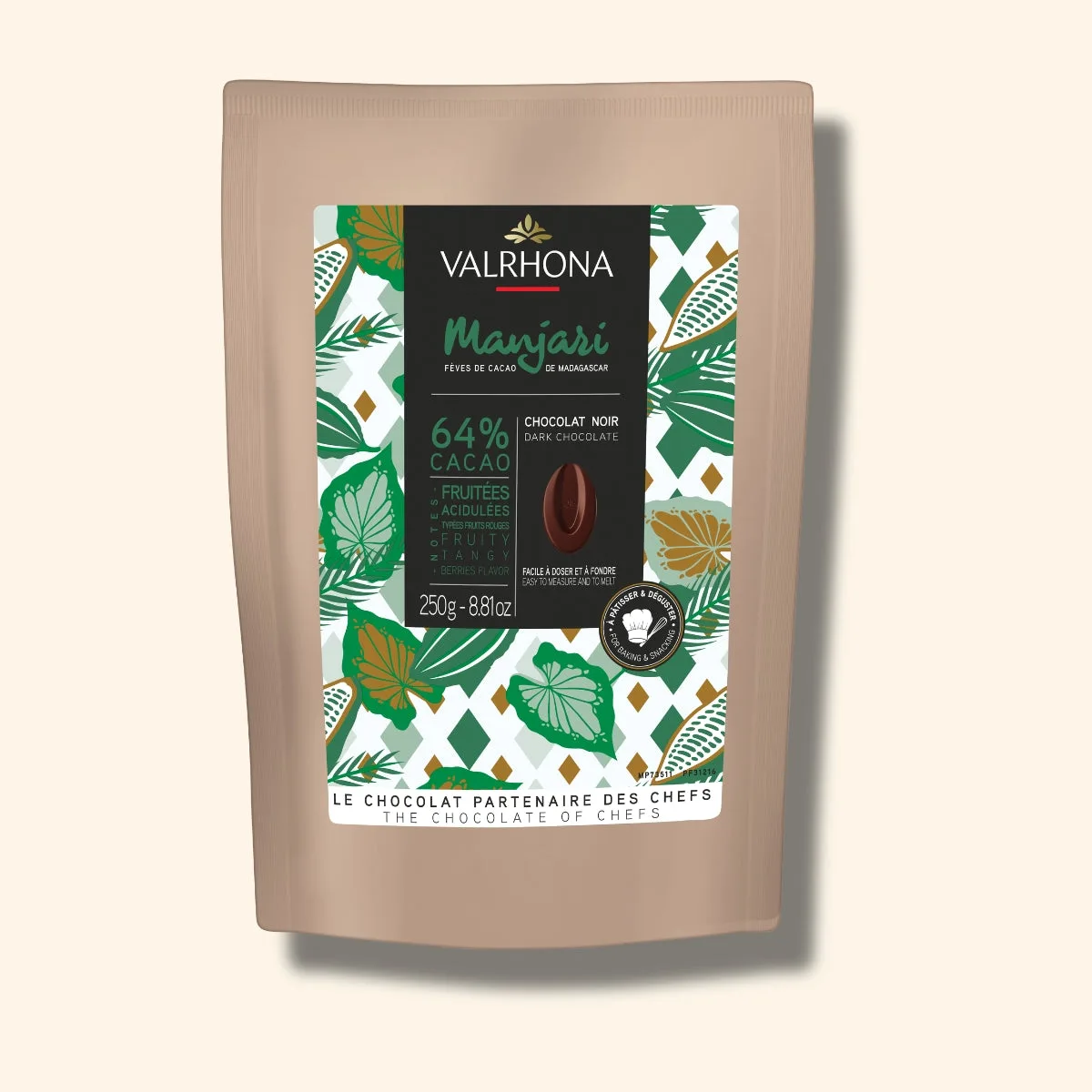
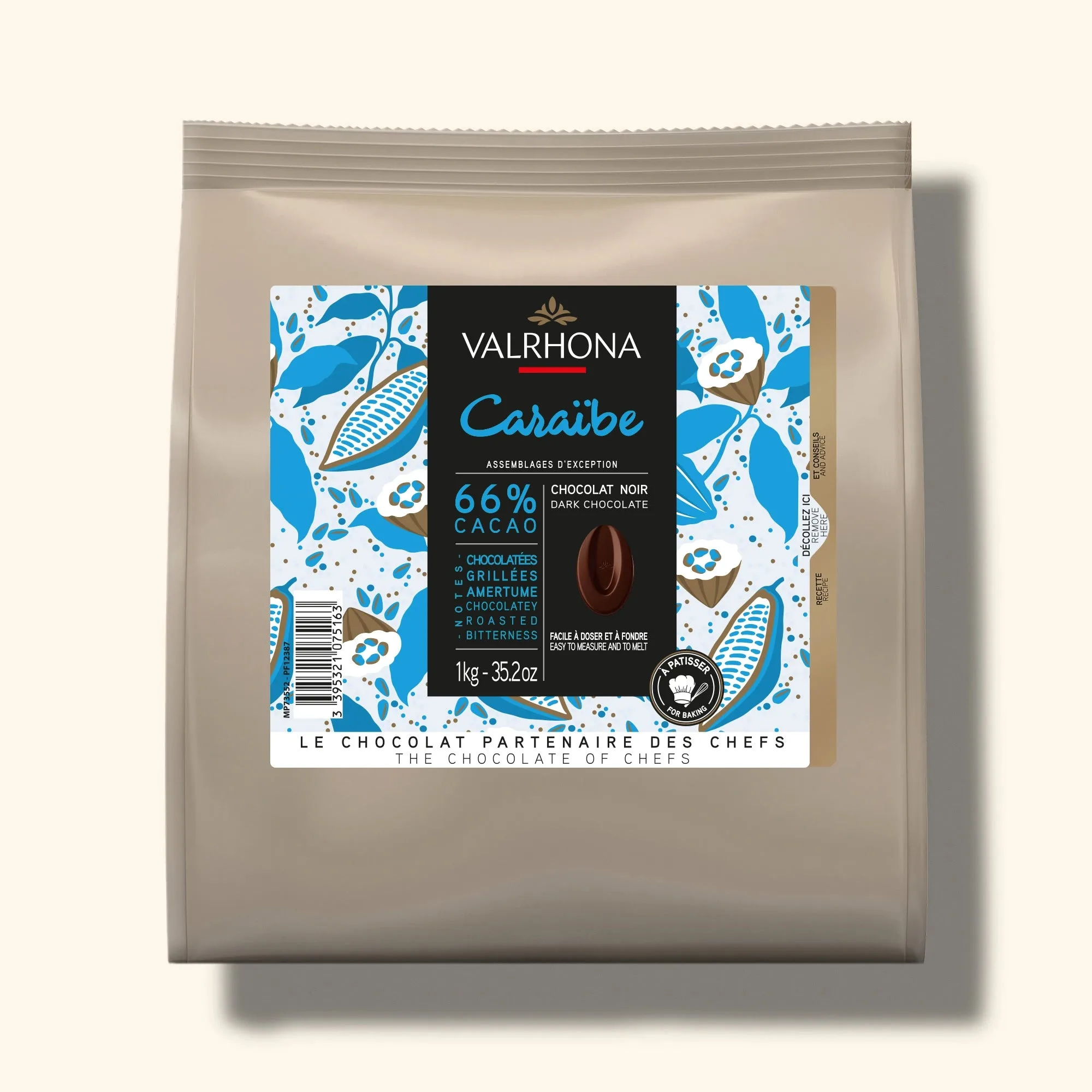
- Flavor specificity vs. neutral utility: Manjari 64% brings fruity, tangy Madagascar notes, while Caraibe 66% is balanced with roasted dried fruit accents. A more neutral chocolate is easier to pair broadly but less distinctive in a finished ganache. Match the origin and tasting notes to the dessert, not just to the percentage.
- Format size vs. how often you melt: A 35.27 oz pack suits repeated coating and molding sessions, while an 8.8 oz bar lets you test an origin without committing to a large block. Choose the smaller bar for first-time trials and the larger format once you know the chocolate fits your workflow.
Valrhona Options and What They Are Built For
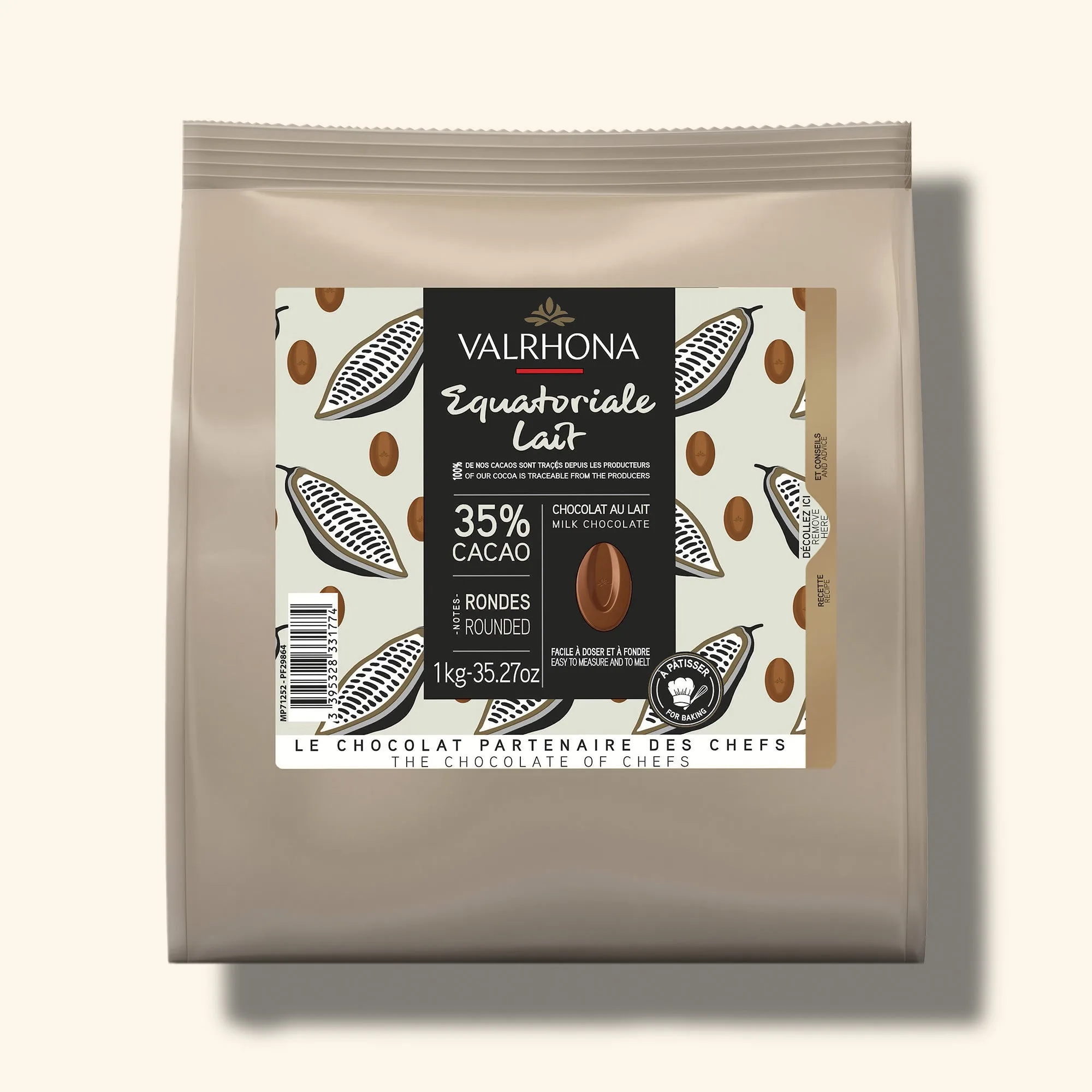
- Milk Baking Chocolate Equatoriale 35% - 35.27oz: Milk Baking Chocolate Equatoriale 35% is a milk chocolate specially designed for coating and is recommended for coating candies such as ganaches or pralines. If your goal is dipping or enrobing, this is the type of product to reach for rather than a generic milk baking chocolate.
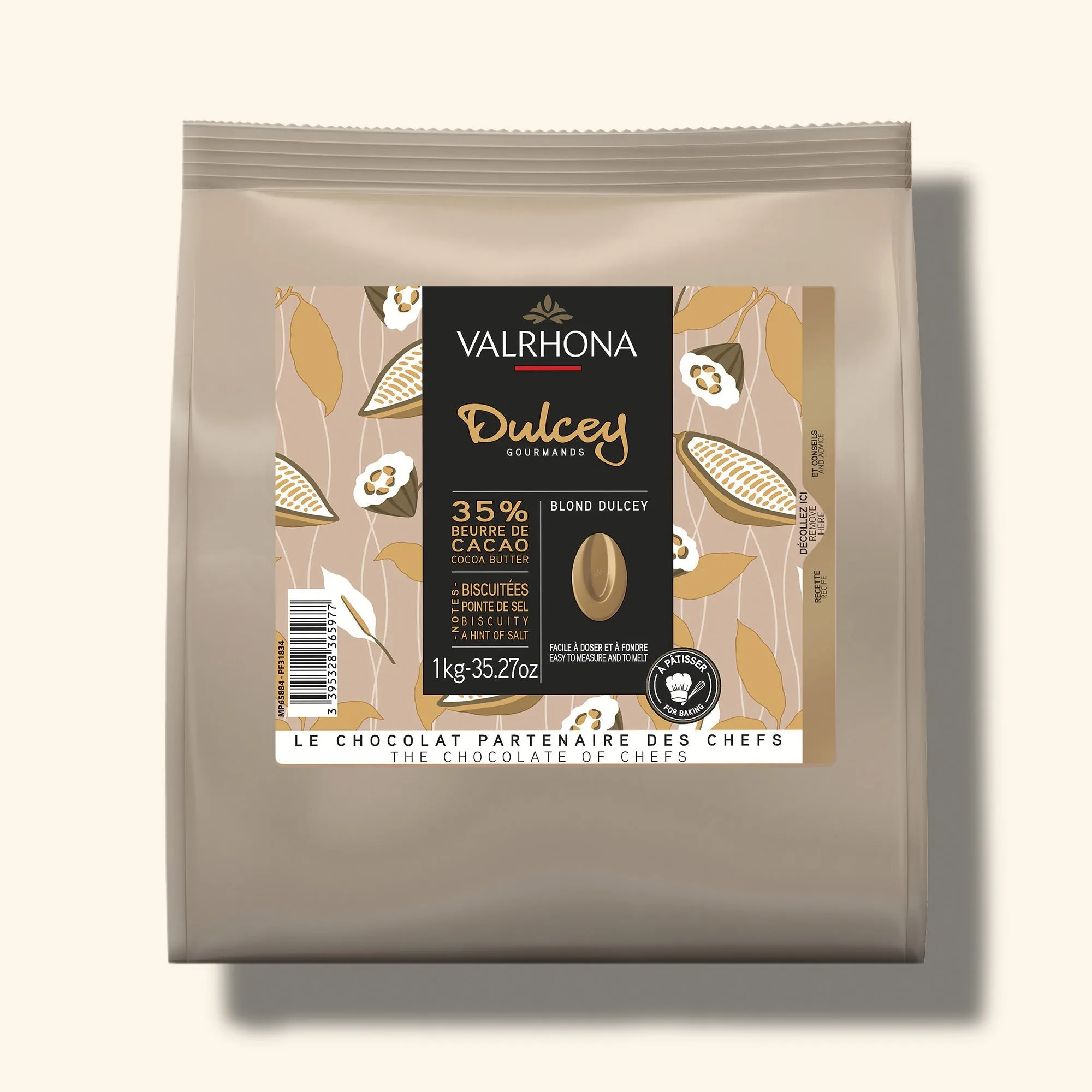
- Baking Chocolate Blonde Dulcey 35% - 35.27oz / 1kg: Baking Chocolate Blonde Dulcey 35% is made from caramelized white chocolate and reveals a smooth, enveloping texture with biscuity, slightly sweet notes and a hint of salt. Its texture and caramelized flavor suit fillings and coatings where you want a distinctive blonde chocolate rather than a standard dark or milk option.
- Dark Baking Chocolate Manjari 64% - 8.8oz: Dark Baking Chocolate Manjari 64% is a pure Madagascar dark chocolate from the Millot estate with fresh, fruity, and tangy notes of red fruits. The fruity, tangy profile makes it a strong match for fruit-forward ganache and desserts where acidity is welcome.
- Dark Baking Chocolate Caraibe 66% - 35.27oz: Dark Baking Chocolate Caraibe 66% is a dark baking chocolate, also known as couverture chocolate, created in 1988, with a well-balanced profile and accents of roasted dried fruit. This is the clearest example of a product that bridges both worlds: it is labeled as baking chocolate but is also couverture, so it can handle molding and coating as well as general baking.
Which One Fits Your Kitchen
Best for
- Home chocolatiers dipping truffles, coating candies, or molding bonbons who need clean setting and a glossy finish
- Bakers making ganache, pralines, or filled chocolates where texture and flavor origin matter
- Anyone willing to pay for a chocolate designed for melting and coating rather than general baking
Not for
- Bakers who only fold chocolate into cakes, cookies, or brownies and do not need tempering or coating performance
- Shoppers looking for the lowest-cost chocolate for large batches of batter where appearance is not a concern
- Anyone who needs a specification such as fluidity that is not listed on the product page and cannot confirm it before buying