Your Baking Steel is a workhorse in the kitchen, delivering restaurant-quality crusts and perfectly seared meats. But after hundreds of pies and countless griddle sessions, it's bound to accumulate stubborn residue. How you clean it matters—not just for appearance, but for performance and longevity. In this guide, we compare the Baking Steel cleaning brick with other popular methods like pumice stones, steel wool, and chemical cleaners, so you can choose the best way to clean your baking steel.

Baking Steel
We'll dive into the pros and cons of each approach, considering factors like effectiveness, safety, and ease of use. Whether you're a home cook or a pizza enthusiast, you'll find the right method to keep your steel in top shape without damaging its surface.
Why Cleaning Your Baking Steel Matters
A clean Baking Steel isn't just about aesthetics—it directly impacts your cooking results. Residue buildup can create hot spots, cause sticking, and even impart off-flavors to your food. Moreover, a well-maintained steel is easier to season and less prone to rust. Regular cleaning ensures your steel performs at its best, delivering that coveted crispy crust every time.
The method you choose should be effective yet gentle enough to preserve the steel's surface. Abrasive tools can scratch the metal, while harsh chemicals may leave residues that are unsafe for food contact. That's why understanding the options is crucial.
- Residue buildup can cause uneven heating and sticking.
- Proper cleaning extends the life of your steel.
- Choose a method that is effective but not damaging.
The Baking Steel Cleaning Brick: A Dedicated Solution
The Baking Steel cleaning brick is specifically designed for cleaning steel surfaces. It's a dense, non-abrasive block that effectively lifts burnt-on food and grease without scratching the metal. Unlike steel wool, which can leave behind tiny metal fragments, the cleaning brick is safe and easy to use. Simply wet the surface, scrub gently with the brick, and wipe clean.
One of the standout benefits is its versatility. It works on both the Original Baking Steel and the griddle models, making it a one-size-fits-all solution. Plus, it's reusable and long-lasting, so you'll get plenty of cleanings from a single brick. For many users, it's the most convenient and reliable option available.
- Non-abrasive and safe for all Baking Steel products.
- Reusable and durable.
- Effective on both pizza steel and griddles.
Pumice Stones: A Natural Alternative
Pumice stones are a popular DIY cleaning tool for grills and ovens. They are naturally abrasive and can scrub away stubborn residue. However, they can be too harsh for a smooth steel surface, potentially leaving micro-scratches that affect its non-stick properties. Additionally, pumice stones can crumble and leave debris that's hard to remove.
While they are inexpensive and readily available, they lack the precision of a dedicated cleaning brick. If you're in a pinch, a pumice stone might work, but it's not the ideal long-term solution for your Baking Steel.
- Natural and cheap.
- May scratch the steel surface.
- Can leave debris behind.
Steel Wool: A Risky Choice
Steel wool is another common cleaning tool, but it's often too aggressive for Baking Steel. The fine metal strands can scratch the surface, creating areas where food can stick and rust can develop. Even fine-grade steel wool can be problematic, especially on a seasoned steel. Moreover, tiny steel wool fragments can become embedded in the steel and later end up in your food.
While steel wool is effective at removing tough residue, the risks outweigh the benefits for most users. If you've used steel wool and noticed scratches, you may need to re-season your steel to restore its performance.
- Highly abrasive and can cause scratches.
- Risk of metal fragments contaminating food.
- Not recommended for regular use.
Chemical Cleaners: Convenience with Caveats
Chemical oven cleaners and degreasers can dissolve grease and burnt-on food quickly. However, they are often harsh and can damage the steel's seasoning. They also require thorough rinsing to ensure no chemical residue remains, which is critical for food safety. Some cleaners contain acids that can discolor or pit the steel over time.
If you choose a chemical cleaner, opt for one that is food-safe and specifically designed for steel. Always follow the manufacturer's instructions and rinse thoroughly. For most home cooks, though, a physical cleaning method is simpler and safer.
- Fast-acting but can strip seasoning.
- Must be food-safe and thoroughly rinsed.
- Potential for long-term damage.
Comparison Table: Cleaning Methods at a Glance
To help you decide, here's a quick comparison of the most common cleaning methods for Baking Steel.
- Baking Steel Cleaning Brick: Non-abrasive, safe, reusable, effective.
- Pumice Stone: Inexpensive, natural, but may scratch and leave debris.
- Steel Wool: Aggressive, but risks scratches and contamination.
- Chemical Cleaners: Fast, but harsh and require careful rinsing.
Tips for Best Results
No matter which method you choose, a few best practices will keep your steel in peak condition. Always clean your steel while it's still warm—not hot—to make residue easier to remove. Use a gentle touch and avoid excessive pressure. After cleaning, dry the steel thoroughly and apply a light coat of oil to protect it from rust.
If you're using a cleaning brick, you'll find it pairs perfectly with other Baking Steel accessories like the Baking Steel Artisan Dough Cutter for prepping your dough. Keeping your tools clean and well-maintained ensures a seamless cooking experience.
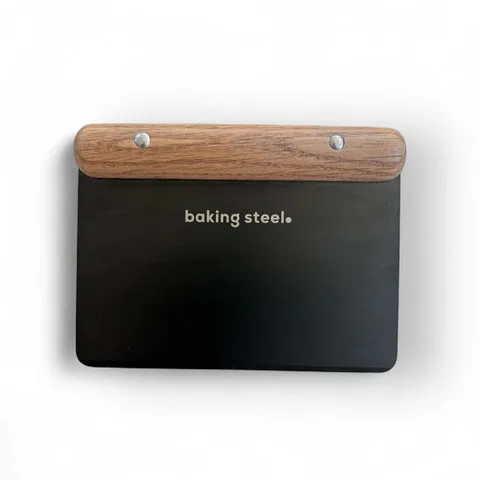
Baking Steel Artisan Dough Cutter
- Clean while warm for easier removal.
- Dry and oil after cleaning to prevent rust.
- Store in a dry place.
In the battle of cleaning methods, the Baking Steel cleaning brick stands out as the safest, most effective option for maintaining your steel. While pumice stones and steel wool can work in a pinch, they risk damaging your investment. Chemical cleaners offer convenience but come with safety concerns. For the best results and peace of mind, stick with a dedicated cleaning brick—it's designed specifically for your steel. Ready to keep your Baking Steel in pristine condition? Explore the Baking Steel cleaning brick and other accessories to elevate your pizza game.