When it comes to making exceptional pizza at home, the surface you bake on is just as important as the dough and toppings. Two popular options are a Baking Steel and an aluminum baking sheet. While both can produce a decent pie, they deliver vastly different results. In this comparison, we’ll break down the science, performance, and practical differences to help you decide which is better for your pizza-making goals.

Baking Steel
If you’ve ever wondered why your homemade pizza lacks that crispy, charred bottom you get from a pizzeria, the answer often lies in the baking surface. Aluminum sheets are common in most kitchens, but they simply don’t store and transfer heat the way a thick steel plate does. Let’s dive into the details.
Heat Retention and Conductivity: The Core Difference
The most significant difference between a Baking Steel and an aluminum baking sheet is their thermal properties. Steel has a high volumetric heat capacity, meaning it can store a large amount of heat energy. When you preheat a Baking Steel in your oven, it becomes a reservoir of intense, even heat that immediately transfers to the dough, creating a rapid oven spring and a beautifully charred crust.
Aluminum, on the other hand, is an excellent conductor of heat but has a much lower heat capacity. This means it heats up quickly but also cools down quickly. When you place a cold, wet dough ball onto an aluminum sheet, the sheet’s temperature drops significantly, leading to a slower bake and a softer, less crispy bottom. For a truly pizzeria-style crust, you need that intense, sustained heat that only steel can provide.
- Baking Steel: high heat capacity, stores and radiates heat consistently.
- Aluminum sheet: low heat capacity, heats fast but loses heat quickly.
Crust Quality: Crispy vs. Soft
The ultimate test of any pizza baking surface is the crust. A Baking Steel excels at producing a crispy, leopard-spotted crust with a satisfying chew. The intense heat from the steel rapidly evaporates moisture from the dough’s surface, creating a crisp exterior while keeping the inside airy and tender. This is the hallmark of a great Neapolitan or New York-style pizza.
An aluminum baking sheet, while capable of producing a decent pizza, tends to yield a softer, more bread-like crust. The lower heat transfer means the dough bakes more slowly, allowing it to rise more and resulting in a thicker, doughier base. If you prefer a thin, crispy crust, an aluminum sheet will leave you disappointed. For those who like a softer, pan-style pizza, it might suffice, but it won’t deliver the same level of texture.
Versatility and Everyday Use
While aluminum baking sheets are lightweight and easy to store, they lack the versatility of a Baking Steel. Beyond pizza, a Baking Steel can be used for baking bread, roasting vegetables, and even as a griddle on your stovetop. The Baking Steel Griddle, for instance, is a reversible steel plate that lets you cook pancakes, eggs, and more on your range, making it a multi-purpose kitchen workhorse.
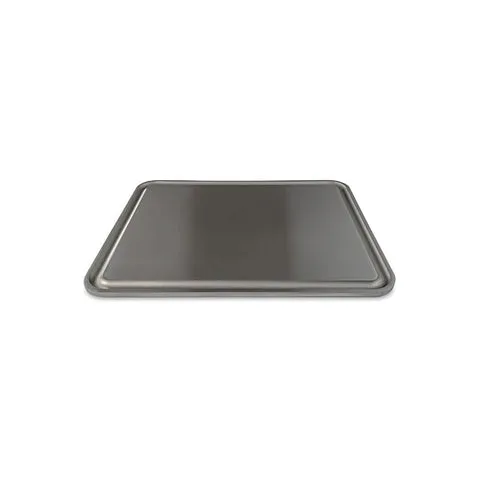
The Baking Steel Griddle
Aluminum sheets are limited to baking and roasting, and they can warp under high heat if they’re thin. They also tend to discolor and scratch over time. A Baking Steel, on the other hand, is virtually indestructible and improves with use, developing a natural non-stick seasoning. If you’re looking for a tool that does more than just bake pizza, steel is the clear winner.
Practical Considerations: Weight, Price, and Care
One of the main drawbacks of a Baking Steel is its weight. A typical steel plate weighs around 15 pounds, which can be awkward to handle and store. Aluminum sheets are feather-light and easy to maneuver. However, the weight of the steel is what gives it its superior heat retention. If you have limited storage or mobility issues, this might be a concern.
Price is another factor. A quality Baking Steel is a significant investment, while aluminum sheets are inexpensive. However, consider the longevity: a Baking Steel can last a lifetime, while aluminum sheets often need replacing every few years. Caring for a Baking Steel is simple—just scrape off residue and wipe it down; avoid soap and water to maintain the seasoning. Aluminum sheets can be washed with soap and water, but they may require more effort to keep clean.
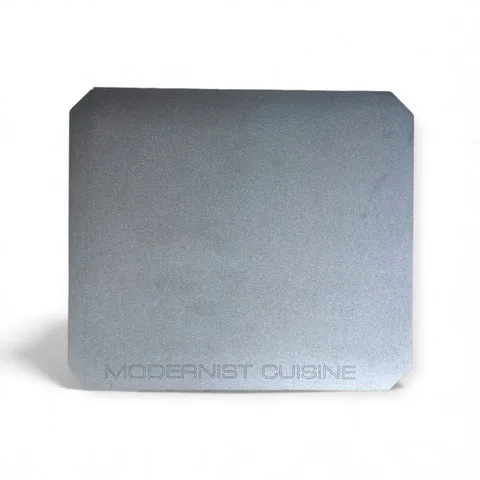
For those who want the best pizza possible without the bulk, consider the Baking Steel Modernist Cuisine Special Edition, which is designed for optimal performance and comes with a lifetime warranty. Alternatively, if you’re just starting out, you might try a thicker aluminum sheet, but be prepared to compromise on crust quality.
Which Should You Choose?
If your priority is making restaurant-quality pizza at home with a crispy, charred crust, a Baking Steel is the superior choice. It delivers consistent, high-heat performance that aluminum sheets simply cannot match. The initial cost and weight are worth the investment for serious pizza enthusiasts.
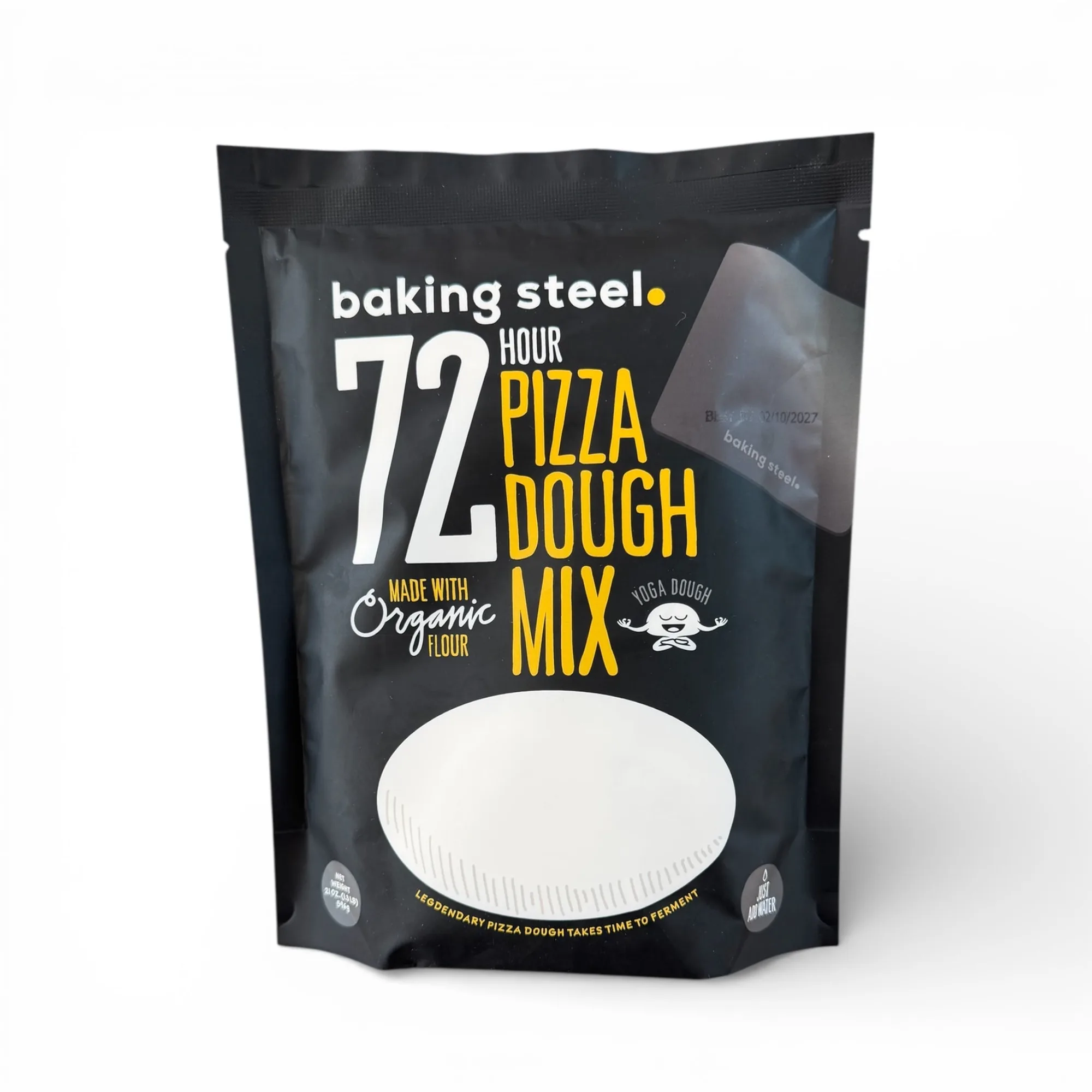
However, if you’re on a budget, bake pizza occasionally, or prefer a softer crust, an aluminum baking sheet can still produce acceptable results. It’s also a better option if you have limited storage space. But for those who want to elevate their pizza game, upgrading to a Baking Steel is a game-changer. Pair it with a high-quality dough mix like the 72-Hour Pizza Dough Mix — Just Add Water for the best results.
In the battle of Baking Steel vs aluminum baking sheet, steel wins for heat retention, crust quality, and versatility. If you’re serious about homemade pizza, invest in a Baking Steel and experience the difference. Explore our selection of premium steel baking surfaces to find the perfect fit for your kitchen.