When it comes to making restaurant-quality pizza at home, the surface you bake on can make or break your crust. Two popular options are baking steel and carbon steel pans. Both are excellent heat conductors, but they have distinct differences that affect your pizza's texture and flavor. In this comparison, we'll break down the science and practical performance of each material so you can choose the best one for your kitchen.

baking steel
Baking steel is a thick, heavy slab of steel that absorbs and radiates intense, even heat. Carbon steel pans are thinner and lighter, often used for stovetop cooking but also marketed for pizza. While both are made of steel, their thickness and design lead to very different baking experiences. Let's dive into the details.
Heat Retention and Conductivity: The Core Difference
Baking steel is typically 1/4-inch to 1/2-inch thick, which gives it exceptional heat retention. When preheated in a hot oven, it stores a massive amount of thermal energy and releases it evenly into the dough. This rapid, consistent heat transfer is what creates a crispy, well-charred crust in just a few minutes. The thickness also means the steel doesn't cool down quickly when you open the oven door, ensuring consistent results even when baking multiple pizzas.
Carbon steel pans, on the other hand, are usually 1/8-inch to 3/16-inch thick. They heat up faster than baking steel but also lose heat more quickly. This can be an advantage if you want a quicker preheat, but it means the pan may not maintain high temperatures as steadily when you slide a cold pizza onto it. The result is often a less even bake, with a crust that may be softer or less crisp, especially if you're baking at high temperatures.
- Baking steel: thick, high heat retention, even baking
- Carbon steel: thinner, faster preheat, but less heat retention
- For a crispy, leopard-spotted crust, baking steel has the edge
Crust Quality: What Do You Want from Your Pizza?
The ultimate test is the crust. Baking steel excels at producing a puffy, airy crust with a deep golden-brown color and a satisfying crunch. The intense heat from the steel quickly vaporizes moisture in the dough, creating a crisp exterior while keeping the interior soft and chewy. This is the hallmark of Neapolitan-style pizza, which requires temperatures of 800°F or higher—something a home oven can't reach, but a baking steel can simulate by transferring heat so efficiently.
Carbon steel pans, especially those designed for pizza, often have a non-stick coating or are seasoned like cast iron. They can produce a decent crust, but they tend to bake more like a sheet pan, yielding a thicker, breadier base. If you prefer a New York-style or Sicilian-style pizza, a carbon steel pan might be sufficient. However, for a true pizzeria-quality crust, baking steel is the winner.
- Baking steel: crispy, charred crust with a chewy interior
- Carbon steel: softer, more bread-like crust
- Consider your pizza style: Neapolitan vs. sheet pan
Versatility and Ease of Use
Baking steel is not just for pizza—it's a versatile tool that can be used for bread, flatbreads, and even as a griddle on the stovetop. The Baking Steel Pro and the Baking Steel Mini are reversible, meaning you can use one side for pizza and the other as a griddle. This makes it a multi-functional addition to your kitchen. Plus, with proper care, a baking steel can last a lifetime.
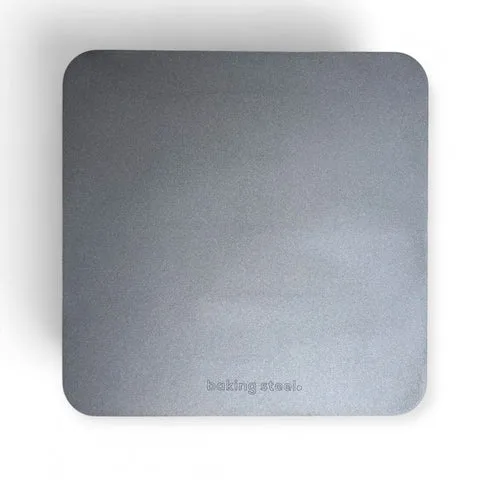
Baking Steel Pro
Carbon steel pans are also versatile but are often limited by their size and shape. They are great for stovetop searing and can go in the oven, but they don't offer the same surface area for pizza as a large baking steel. Additionally, carbon steel requires regular seasoning to maintain its non-stick properties, which can be a hassle for some home cooks. Baking steel, in contrast, is virtually maintenance-free—just scrape it clean and it's ready to go.
- Baking Steel Pro: reversible, works for pizza and griddle
- Baking Steel Mini: compact option for small kitchens
- Carbon steel needs seasoning; baking steel doesn't
Price and Value
When comparing cost, carbon steel pans are generally cheaper upfront. You can find a decent carbon steel pizza pan for under $50, while baking steel products range from $70 to $150 depending on size and thickness. However, consider the long-term value: a baking steel is a one-time investment that will outlast multiple carbon steel pans, which may warp or lose their seasoning over time. The superior performance of baking steel also means you'll be less tempted to order takeout, saving you money in the long run.
For those who are serious about pizza, the extra cost is worth it. The Baking Steel Pro, for example, is a 1/2-inch thick steel that delivers professional-grade results. Even the Baking Steel Mini is a great entry point at a lower price, offering the same material benefits in a smaller footprint. If you're on a budget, you could start with a carbon steel pan, but you'll likely want to upgrade once you taste the difference.
The Verdict: Which One Should You Choose?
In the battle of baking steel vs carbon steel pan for pizza, baking steel is the clear winner for anyone who wants the best possible crust. Its superior heat retention and conductivity produce a crispy, charred base that rivals pizzeria ovens. While carbon steel pans have their place—especially for stovetop cooking or if you prefer a softer crust—they can't match the performance of a thick baking steel.
If you're ready to elevate your home pizza game, consider investing in a Baking Steel Pro or a Baking Steel Mini. Both are made from high-quality steel and are designed to deliver restaurant-quality results. Pair them with a wooden pizza peel for easy launching, and you'll be pulling perfect pies out of your oven in no time.
Ultimately, the choice between baking steel and carbon steel comes down to your priorities. If you value speed, convenience, and a crisp crust, baking steel is the way to go. For a budget-friendly option that can still produce decent pizza, a carbon steel pan will work, but you'll miss out on the exceptional results that only a thick steel can provide. Try a Baking Steel today and taste the difference for yourself.