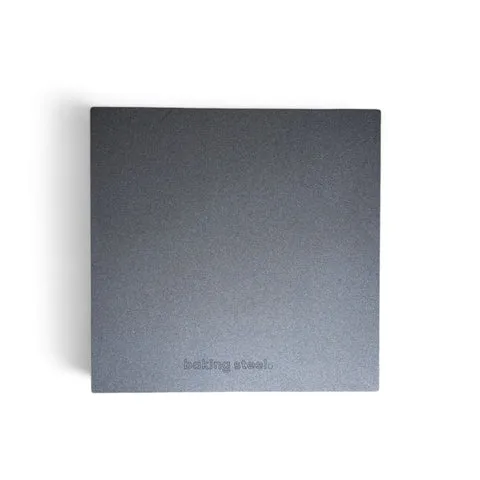
The quest for the perfect homemade pizza often comes down to one critical decision: what surface should you bake on? For years, pizza stones were the go-to for home bakers, but in recent years, baking steels have surged in popularity. If you're wondering which one is truly better, you're not alone. In this ultimate showdown, we'll compare baking steel vs pizza stone across key factors like heat conductivity, crust crispiness, durability, and overall value.

baking steel
By the end of this guide, you'll have a clear understanding of the differences between these two baking surfaces and which one aligns with your pizza-making goals. Whether you're a weekend warrior or a pizza fanatic, this comparison will help you make an informed choice.
Heat Conductivity: The Science Behind the Crust
The primary job of a baking surface is to transfer heat to the dough quickly and evenly. This is where baking steels have a significant advantage. Steel is a much better conductor of heat than stone, meaning it can deliver a powerful burst of heat to the bottom of your pizza, creating a beautifully charred and crispy crust in minutes. In contrast, a pizza stone, typically made of ceramic or cordierite, heats up slowly and conducts heat less efficiently, resulting in a longer bake time and often a softer, less crispy bottom.
To put it in perspective, a baking steel can reach temperatures up to 500°F (260°C) or higher in your home oven, and because it's so conductive, it can recover heat quickly after you slide the pizza on. A stone, on the other hand, may lose more heat when the cold dough hits it, leading to a less even bake. If you're chasing that restaurant-quality crunch, the superior heat transfer of steel is a game-changer.
- Steel conducts heat up to 20 times faster than stone, ensuring a quick, even bake.
- Stones take longer to preheat and may require up to an hour to reach optimal temperature.
Crispy Crust vs. Chewy Crust: What’s Your Preference?
The battle of baking steel vs pizza stone often comes down to texture. If you love a crispy, crackly bottom with leopard spotting, a baking steel is your best friend. The intense heat from the steel quickly evaporates moisture in the dough, creating a shatteringly crisp crust that holds up well to toppings. This is especially important for Neapolitan-style pizzas, which need a high heat blast to achieve their signature char.
On the other hand, pizza stones provide a more moderate, even heat that can produce a slightly chewier crust with a bit more give. Some bakers prefer this texture, especially for thicker, New York-style pies. However, if you're looking for that artisan crunch, steel has the edge. Many home pizza enthusiasts report that switching from a stone to a steel instantly upgraded their crust game.
- For a crispy, crackly crust, choose a baking steel.
- For a chewier, more bread-like texture, a stone might be your preference.
Durability and Maintenance: Built to Last?
When it comes to durability, baking steels are nearly indestructible. Made from thick, heavy steel, they can withstand high temperatures without cracking or warping. Unlike stones, which can crack if exposed to thermal shock (like placing a cold pizza on a hot stone), steels are much more forgiving. They also clean up easily—simply scrape off any residue and wipe with a cloth. Over time, a steel develops a natural non-stick seasoning that improves with use.
Pizza stones, while durable, are more fragile. They can crack if dropped or if subjected to sudden temperature changes. Additionally, stones are porous and can absorb oils and moisture, leading to staining and potential odors over time. While both surfaces require some care, the stone's fragility is a common complaint. If you want a low-maintenance, long-lasting surface, steel wins hands down.
- Steel: resistant to cracking, easy to clean, develops non-stick seasoning.
- Stone: can crack with thermal shock, porous and may absorb odors.
Versatility: Beyond Pizza
While both surfaces are excellent for pizza, baking steels offer more versatility. Many models, like the Baking Steel® Original — 1/4" Thick Pizza Steel, can be used on a grill or in an oven, and some are even reversible. The The Baking Steel Griddle takes versatility to the next level, allowing you to cook pancakes, eggs, and vegetables on the stovetop. This makes a steel a multi-purpose kitchen tool, not just a pizza accessory.
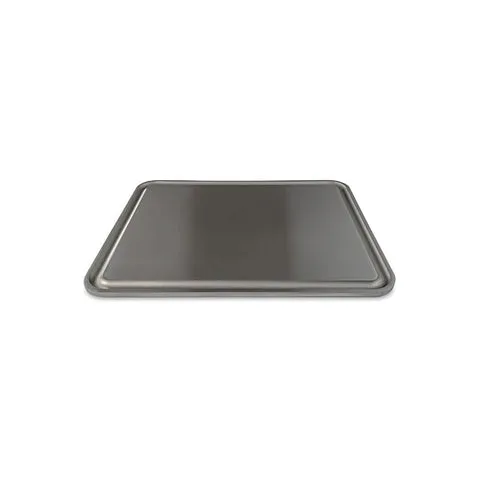
The Baking Steel Griddle
Pizza stones are primarily designed for baking and are less suitable for stovetop use. While you can use a stone on a grill, it's not ideal for tasks like searing or griddling. If you're looking to maximize your kitchen investment, a steel offers more bang for your buck. Plus, with the right accessories, you can elevate your outdoor cooking with a Baking Steel for Outdoor Ovens.
- Use a steel for pizza, bread, and even stovetop griddling.
- Stones are best reserved for baking applications.
Price and Value: What’s Worth Your Money?
Initial cost is often a deciding factor. A good pizza stone can be purchased for around $30–$50, while a baking steel typically costs between $70 and $100 or more. However, considering the longevity and performance, the steel often proves to be a better long-term investment. A stone may need to be replaced if it cracks, while a steel can last a lifetime if cared for properly.
Moreover, the improved cooking performance of a steel can elevate your pizza game, reducing the temptation to order takeout. Over time, the savings from making restaurant-quality pizza at home can offset the initial price difference. If you're a serious home cook, the value proposition of a steel is compelling.
- Stones are cheaper upfront but may need replacement.
- Steels cost more but offer superior performance and durability.
In the ultimate showdown of baking steel vs pizza stone, the winner depends on your priorities. For unbeatable crispiness, rapid heat transfer, and long-term durability, a baking steel is the clear champion. If you're ready to upgrade your pizza game, explore the Baking Steel® Original — 1/4" Thick Pizza Steel and experience the difference for yourself. Your taste buds will thank you.