Quick answer
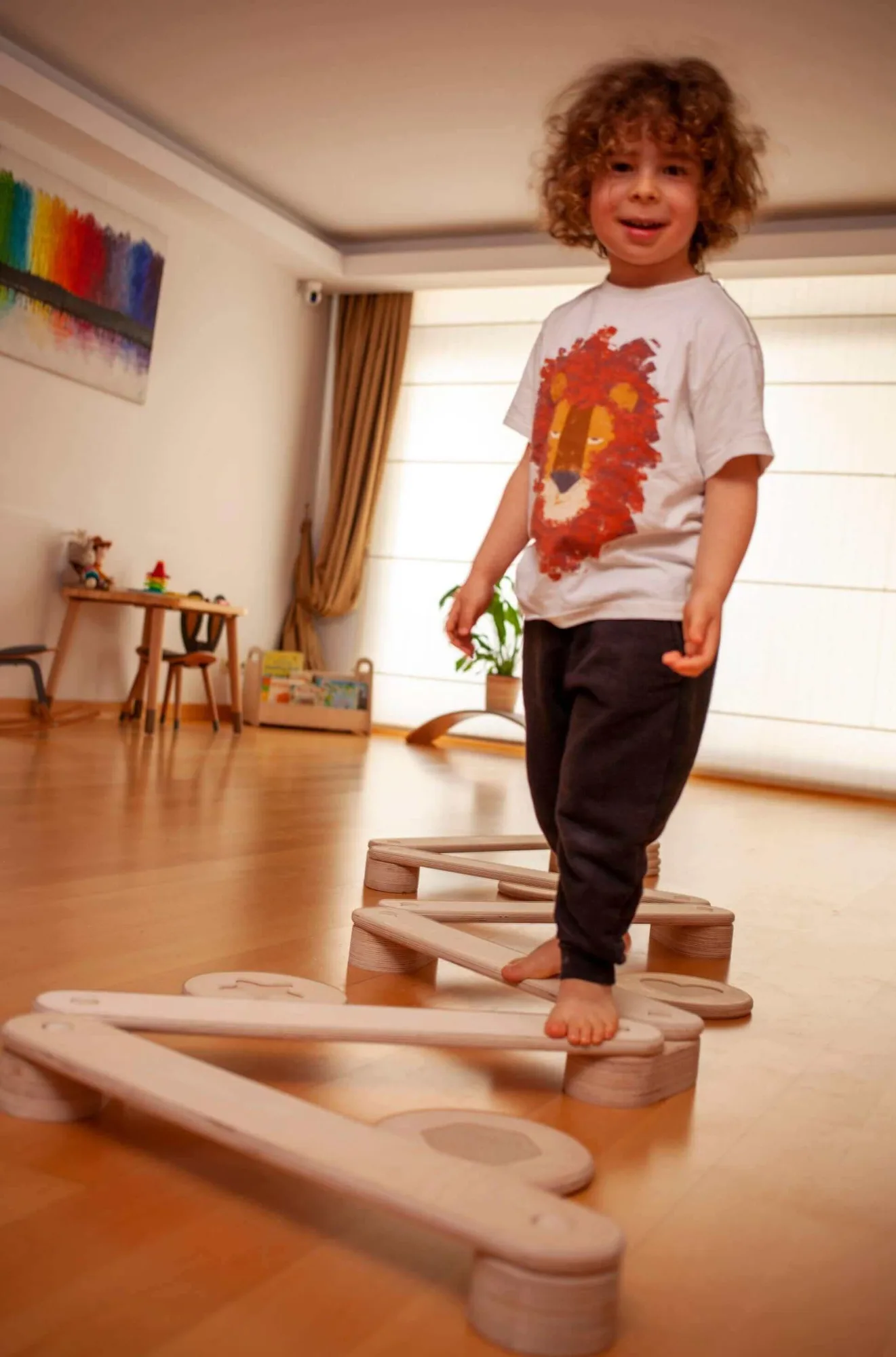
A balance board for kids is a simple, low-speed tool that builds core stability, coordination, and body awareness through active play. Most children are ready between ages 3 and 5, but readiness depends on your child's ability to follow one-step directions and step on and off without help. Always use a board on a flat, carpeted or matted surface, stay within arm's reach, and start with short sessions.
What age can a child start using a balance board?
There is no universal age, but a practical balance board age guide starts with readiness signs rather than a birthday. A child who can walk steadily, stand on one foot for a second or two, and follow a simple instruction like 'step off now' is usually ready to try a board with supervision.
For toddlers, a balance board is generally not a solo toy. Their center of gravity is high and their reaction time is still developing, so a board can tip faster than they can correct. If you want to introduce the movement early, sit with your toddler and let them rock gently while you hold the board steady, or place their hands on a wall or sturdy furniture.
- Under 3: use only as a supervised, stationary rocking experience with an adult holding the board.
- Ages 3 to 5: short guided sessions on a low board, always within arm's reach.
- Ages 6 and up: most children can use a board more independently once they show consistent control.
What are the main balance board benefits for children?
The balance board benefits that matter most are not about tricks. A board asks a child to constantly adjust their ankles, knees, and trunk to stay level, which is the same skill set used in walking, running, and climbing. That repeated micro-adjustment is what builds coordination and core strength over time.
Balance play also supports focus and body awareness. A child has to pay attention to where their weight is and how the board responds, which is a gentle lesson in cause and effect. Because the movement is slow and controlled, it is a low-impact activity that can fit into a rainy-day routine or a short break between other tasks.
Are balance boards safe for toddlers?
A balance board is not inherently unsafe, but it is unsafe to treat it as a toddler toy without changes. The main risks are falling off, pinching fingers under the board's edge, and using a board on a hard or slippery floor. You can reduce all three by choosing a low, wide board, using it on carpet or a non-slip mat, and keeping your hands free to spot your child.
If your toddler is determined to try, set a rule that the board stays flat on the floor and only rocks when an adult is holding it. This gives them the sensory input of tilting without the full balancing challenge. Once they can step on and off on their own and respond to 'stop,' you can gradually loosen your support.
How do you use a kids balance board safely?
Start with the board on a flat, non-slip surface and clear the area of sharp corners, toys, and pets. Have your child wear socks with grip or go barefoot so their feet do not slide. Show them how to step on at the center of the board, not the edge, and how to step off by putting one foot down first.
Keep first sessions to two or three minutes. Short, frequent practice is more effective than long sessions, and it prevents frustration. Stay close enough to steady the board or your child's hand. As they gain control, you can move from holding their hand to standing beside them, then to watching from a step away.
- Check the board for cracks or loose parts before each use.
- Never let a child use a balance board on stairs, tables, or near water.
- Stop if your child is tired, dizzy, or starts goofing off.
What should you look for in a balance board for children?
Look for a board sized to your child's stance, with a gentle curve and a textured or grip-friendly top. A lower board is easier to control and less intimidating for beginners. Check the weight limit and the material; wooden boards are common, but the finish should be smooth and free of splinters.
If your child is new to balancing, a board with a wider base or a flatter curve gives more stability. Some boards come with a stopper or a felt bottom to protect floors, which is a practical detail if you plan to use it indoors. If a product listing does not state a weight limit or age range, treat that as missing information and contact the seller before buying.
Quick reference: balance board FAQ
What age is a balance board for?
Most children do best starting between ages 3 and 5, once they can step on and off with little help and follow a simple stop instruction. Watch for readiness signs, not just a birthday.
Are balance boards safe for toddlers?
Only with an adult holding the board or keeping it stationary. Toddlers should not use a rocking board independently. Supervise closely and use a non-slip surface.
How long should a child use a balance board?
Start with two to three minutes per session and build gradually. Short, frequent practice works better than long sessions. Stop before your child gets tired or frustrated.
Gear that supports active play
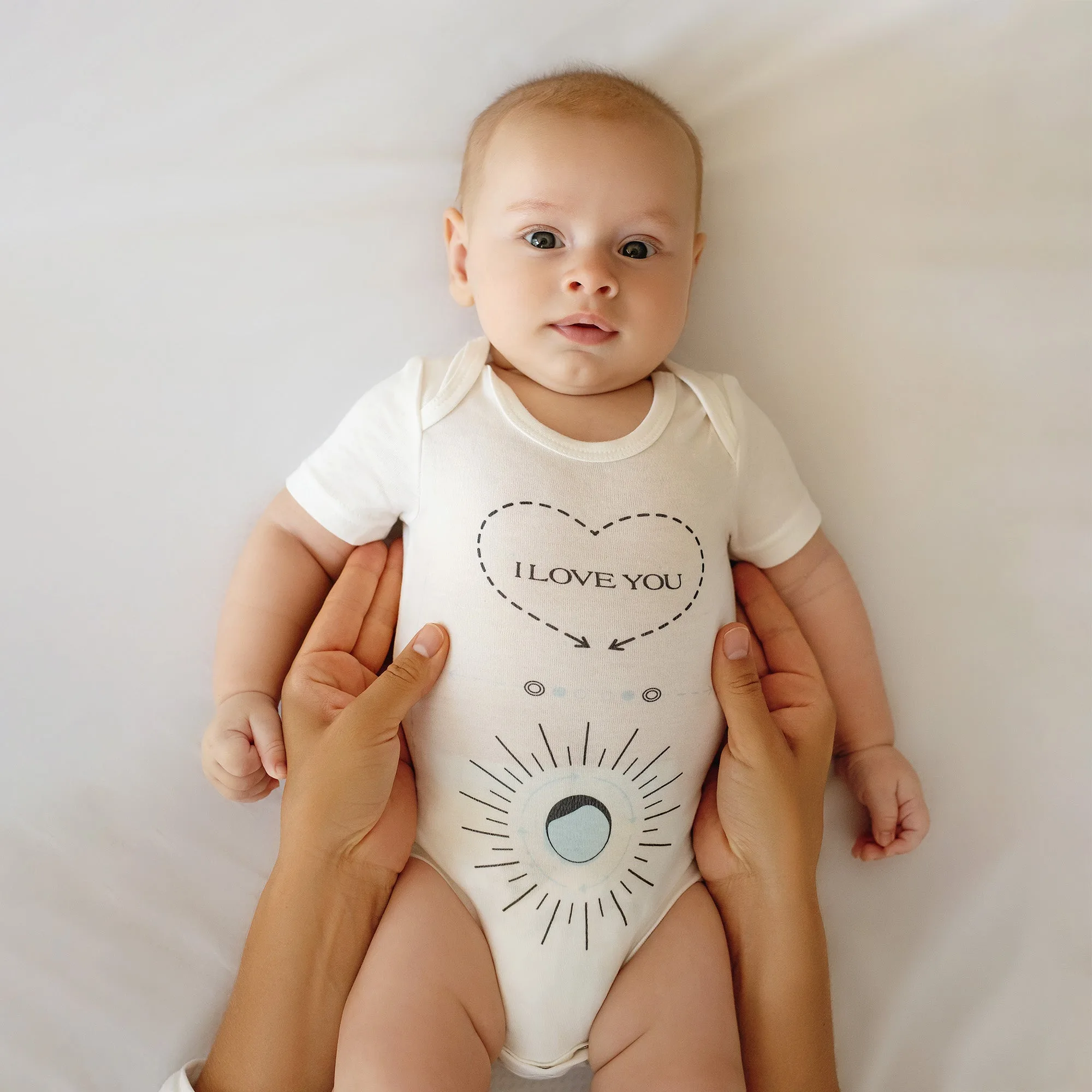
- Massage Me! Onesie (0-6 months): Learning baby massage is now a snap with this adorable printed onesie featuring easy-to-follow baby massage strokes and detailed instructions. For younger siblings not yet ready for a balance board, this onesie turns floor-time and massage into a calming routine that supports body awareness.