Quick Answer
To care for your bamboo cutting board, wash it by hand with mild soap and warm water after each use, dry it immediately, and oil it monthly with food-safe mineral oil. Avoid the dishwasher and never let it soak, as excess moisture can cause cracking or warping.
Why Bamboo Needs Special Care
Bamboo is a sustainable, hard-wearing material, but it is more porous than plastic or glass. This means it can absorb moisture, odors, and bacteria if not cared for properly. Regular cleaning and oiling keep the board hygienic and prevent it from drying out and cracking.
Unlike hardwood boards, bamboo has a unique grain that can be prone to splitting if exposed to extreme temperature changes or prolonged soaking. Understanding these quirks helps you avoid common mistakes like leaving it near a heat source or running it through the dishwasher.
Daily Cleaning Essentials
For everyday cleaning, use a soft sponge or cloth with warm water and a mild dish soap. Scrub gently along the grain to remove food particles, then rinse thoroughly. Avoid abrasive pads or harsh chemicals, as they can scratch the surface and strip the natural oils.
After washing, dry the board with a clean towel and stand it on its edge to air dry completely. Never leave it flat on the counter, as trapped moisture underneath can lead to warping. This simple habit extends the life of your board significantly.
When and How to Oil Your Board
Oiling your bamboo board once a month keeps it hydrated and prevents cracks. Use food-grade mineral oil or a specialized board conditioner—never vegetable or olive oil, as these can turn rancid. Apply a generous amount with a soft cloth, let it soak in for a few hours or overnight, then wipe off any excess.
If your board looks dry or feels rough to the touch, it's time to oil it. A well-oiled board also resists water and stains better, making cleaning easier. Regular oiling is the single most important step in bamboo cutting board maintenance.
Step-by-Step Bamboo Board Care
- Wash by Hand: Use warm water and mild dish soap with a soft sponge. Scrub along the grain to remove food residue. Never put bamboo in the dishwasher—the heat and moisture can cause warping.
- Dry Immediately: Pat dry with a clean towel and stand the board on its edge to air dry completely. Avoid leaving it flat or near a heat source to prevent moisture damage.
- Sanitize Weekly: Wipe the board with a solution of one part white vinegar to four parts water, or use lemon and salt for a natural scrub. Skip harsh bleach or chemical sanitizers that can harm the bamboo.
- Oil Monthly: Apply food-grade mineral oil with a soft cloth, let it absorb for a few hours, then wipe off excess. Regular oiling keeps the board hydrated and prevents cracks—set a monthly reminder.
Pair Your Board with the Right Care Products
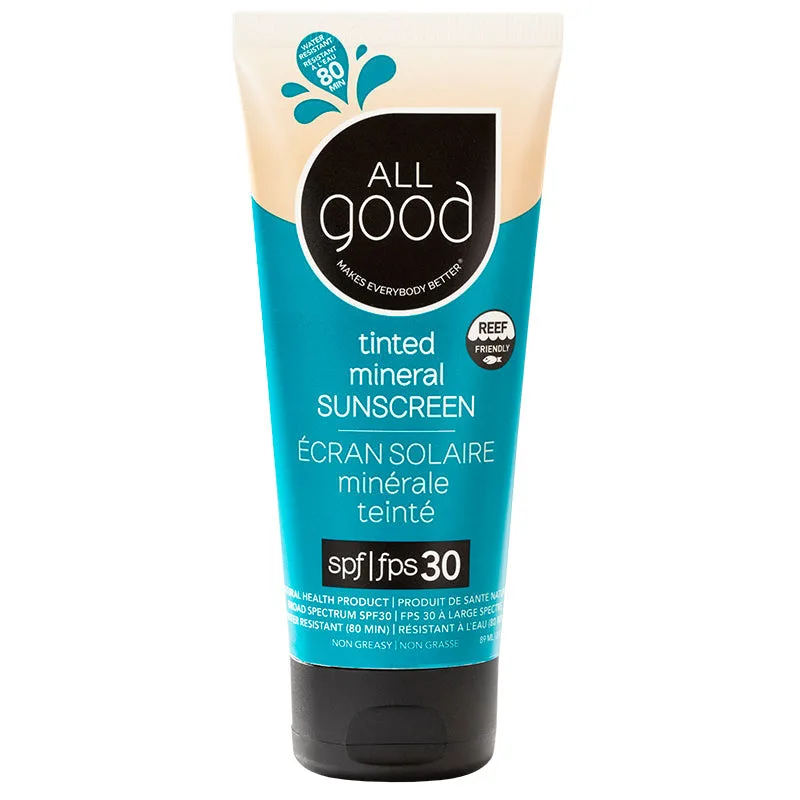
- Face + Body Tube SPF 30 Bio-Resin Tube & Plastic Free Tin Bundle: Mineral SPF 30+ sunscreen bundle with one bio-resin tube and one plastic-free tin for face and body protection. Made with non-nano zinc oxide, sunflower oil, cocoa butter, beeswax, hemp seed oil, mango butter, green tea, black tea, coffee extract, rosemary, and vitamin E. While not a board care product, this bundle shows the store's commitment to eco-friendly, non-toxic materials—the same ethos that guides choosing safe, food-grade oils for your cutting board.
- Flappy-Nappies® Pocket Trainers 3-Pack: Flappy-Nappies® Pocket Trainers 3-Pack includes three pocket trainers plus one coordinating belt. All-in-one trainers feature an optional pocket for extra absorbency and a built-in soaker pad. Just as these trainers are designed for easy care and durability, your bamboo board benefits from simple, consistent maintenance to stay in top shape.
With these simple habits, your bamboo cutting board will stay clean, hygienic, and beautiful for years. Start with a proper wash today and schedule your first oiling session this weekend.