Quick answer
If you want a closer shave, lower long-term cost, and far less plastic waste, a bamboo safety razor is the better choice. Cartridge razors win on convenience and instant familiarity, but they cost more over time and send more plastic to landfill. For most people aiming to reduce shaving waste, switching to a safety razor is worth the short learning curve.
When you stand in the bathroom each morning, your razor choice shapes more than your shave. It affects your budget, your skin, and the amount of waste you send to landfill. Cartridge razors dominate supermarket shelves, but bamboo safety razors are gaining ground as a low-waste alternative that promises a closer shave.
This comparison looks at how each option performs on shave quality, cost per shave, environmental impact, and ease of use. We'll also point out the trade-offs so you can decide which razor fits your routine and your values.
Shave quality: close vs convenient
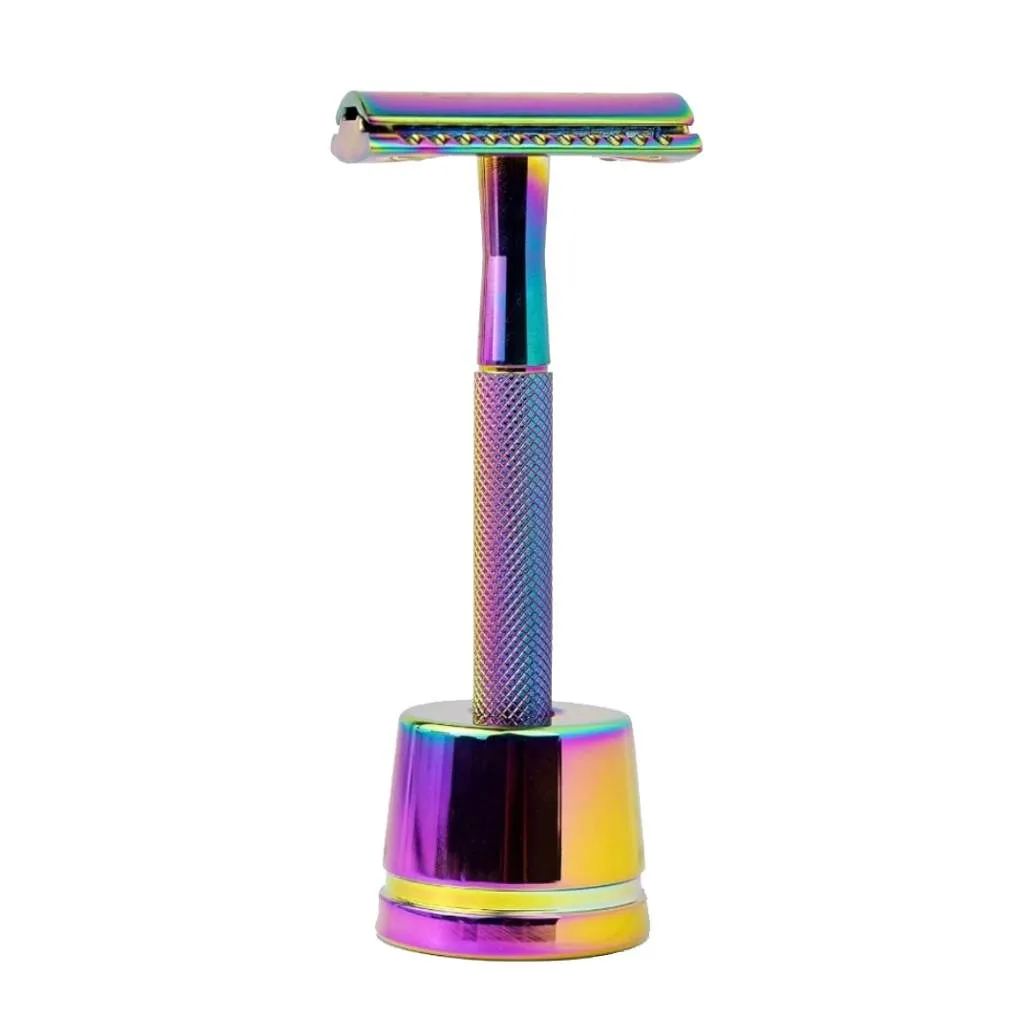
Safety razors use a single, double-edged blade that sits at a precise angle against your skin. Many users report a closer shave with fewer passes, which can reduce irritation for people with sensitive skin. The Diamond Grip Jungle Culture Safety Razors feature a slip-proof head and a criss-cross geometric grip, giving you control and stability while you shave.
Cartridge razors use multiple blades housed in a pivoting head. They are forgiving and quick, but the blades can tug and cause razor burn if you press too hard. The multi-blade design also makes it harder to see the blade edge, which can lead to nicks. For a close, controlled shave, a safety razor often wins; for speed and familiarity, a cartridge is easier.
- Start with a light touch and let the razor's weight do the work.
- Use short strokes and rinse the blade often to avoid clogging.
Cost per shave: upfront vs long-term
A cartridge razor handle is often cheap, but replacement cartridges are expensive. Over a year, you might spend $20 to $40 on cartridges, depending on how often you shave. In contrast, a bamboo safety razor costs around $12 upfront, and replacement blades are a fraction of the cost. The Diamond Grip Jungle Culture Safety Razors include 10 razor blades, so you can start shaving immediately without buying extras.
The Rose Gold or Black Reusable Safety Razors (Thick Handle) are also priced at $12 and include 10 blades. Both options give you a durable metal handle that lasts for years, so your ongoing cost is mainly blades. For most people, the long-term savings of a safety razor are significant.
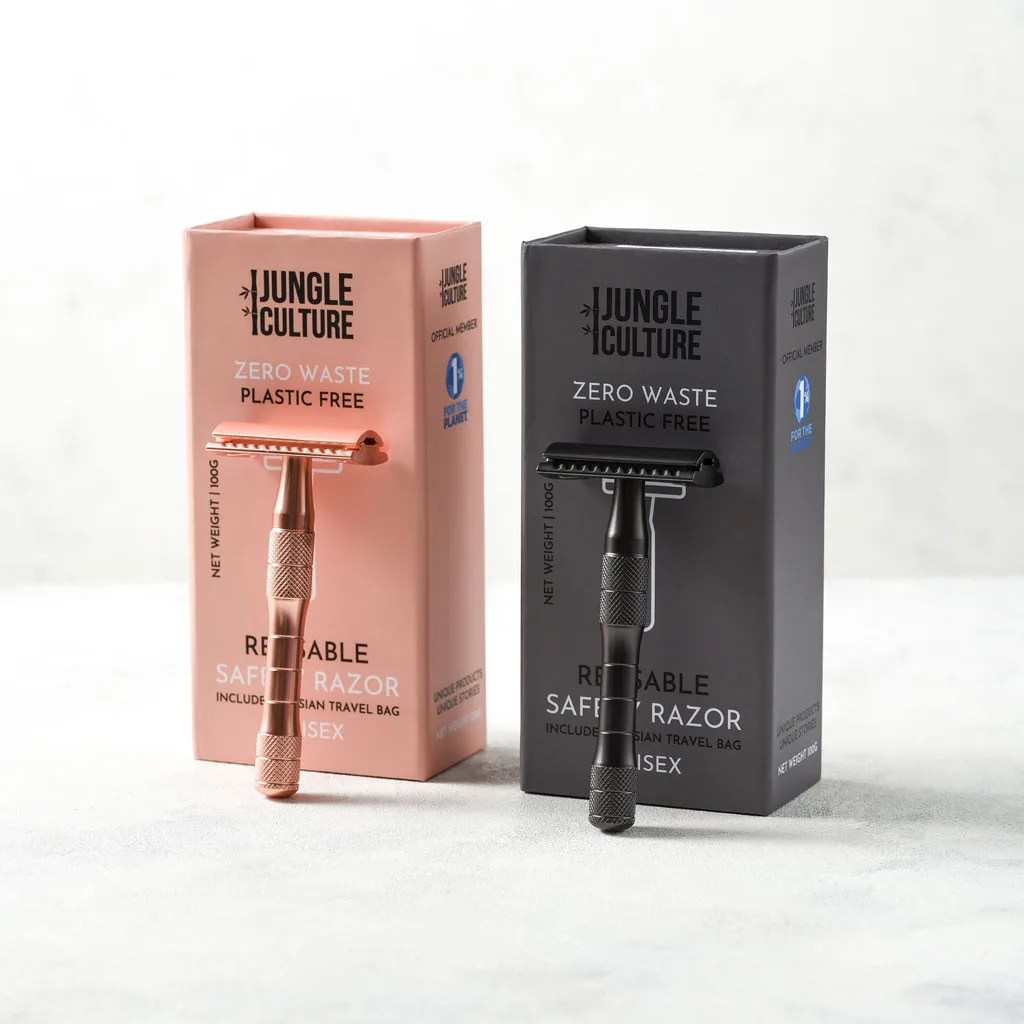
Rose Gold or Black Reusable Safety Razors (Thick Handle)
- Track how often you replace cartridge heads to estimate your annual spend.
- A pack of safety razor blades typically costs less than a single cartridge.
Waste: plastic vs metal and bamboo
Cartridge razors are mostly plastic, and the heads are rarely recyclable because they combine metal and plastic. Over a lifetime, that adds up to a lot of non-biodegradable waste. Safety razors, by contrast, use a metal handle and thin steel blades that can be recycled. The bamboo handle on some models adds a renewable, biodegradable element.
The Rose Gold or Black Reusable Safety Razors feature a chrome-plated, zero-waste DE design. The Diamond Grip model is also metal and built to last. When a blade is dull, you can store it in a Razor Blade Disposal Tin, which holds up to 100 blades and keeps them safe until you recycle them. This simple system keeps sharp metal out of your trash and your bathroom tidy.
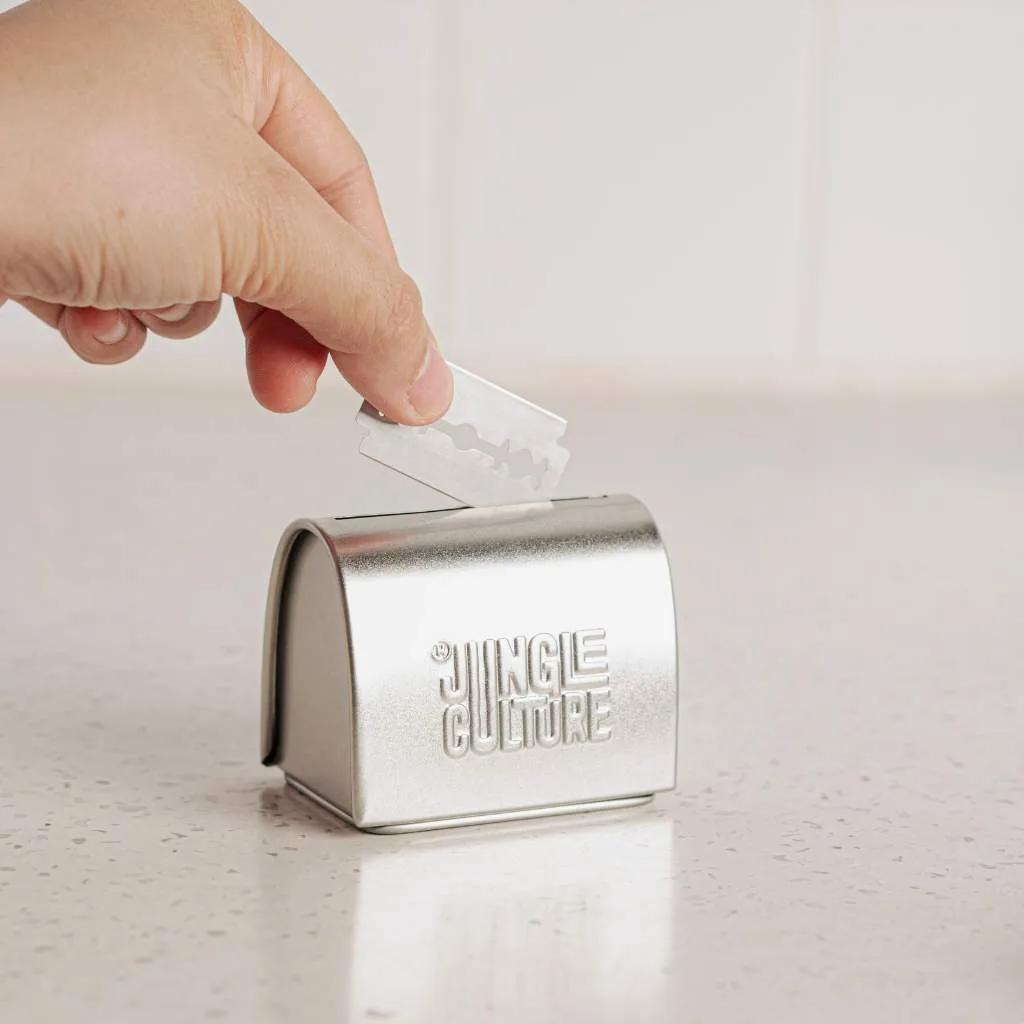
Razor Blade Disposal Tin
- Use a blade bank to collect used blades safely.
- Check with your local recycling program for steel blade disposal.
Ease of use: learning curve vs plug-and-play
Cartridge razors are designed for zero thought: you pick it up, shave, and toss the head when dull. There's no learning curve, which is why many people stick with them. But the convenience comes with a higher cost and more waste.
Safety razors require a slight adjustment. You need to find the right angle and use a light touch. The Diamond Grip model's textured grip helps you maintain control, and the slip-proof head makes blade changes safer. Once you get the hang of it, most people find the shave is just as quick and much closer.
- Practice on your legs or arms before shaving your face.
- Hold the razor at about a 30-degree angle for the best results.
Trade-offs to consider
- Closeness of shave: Safety razors typically give a closer shave with fewer passes, but require a steady hand and proper angle. Cartridge razors are more forgiving but may need multiple passes. If you value a close shave and are willing to practice, safety wins.
- Cost over time: Safety razors have a low ongoing cost because blades are cheap. Cartridge refills add up quickly, often costing more within a year. Safety razors save money in the long run.
- Environmental impact: Cartridge heads are mostly plastic and hard to recycle. Safety razor blades are steel and can be recycled, and the handle lasts for years. Safety razors produce far less waste.
- Convenience: Cartridge razors are plug-and-play with no learning curve. Safety razors require a short adjustment period and careful handling. If you're always in a rush, a cartridge may be easier at first.
Product facts at a glance
- Diamond Grip Jungle Culture Safety Razors | Includes 10x Razor Blades: Features a criss-cross geometric grip for control and stability, a slip-proof razor head for safe blade changes, and a curved metal top. The grip and head design make this a good choice for beginners who want extra control while learning the safety razor technique.
- Rose Gold or Black Reusable Safety Razors (Thick Handle): Designed with first-time users in mind, featuring an ergonomic textured grip, a perfectly weighted handle, and a chrome-plated zero-waste DE design. The thicker handle and balanced weight reduce slipping and improve comfort, which can help new safety razor users avoid nicks.
- Razor Blade Disposal Tin: Compact tin that comfortably holds 100 razor blades and can be stored on a windowsill, sink, or bathtub; remove the bottom to empty. A safe, tidy way to collect used blades until you can recycle them, keeping sharp metal out of your regular trash.
Which razor is right for you?
Best for
- Eco-conscious shavers who want to reduce plastic waste and are willing to learn a new technique.
- Budget-minded people who want to cut long-term shaving costs and don't mind an upfront investment.
Not for
- People who want a zero-learning-curve, grab-and-go shave and are not concerned about cost or waste.
Choosing between a bamboo safety razor and a cartridge razor comes down to your priorities. If you want a closer shave, lower long-term cost, and less plastic waste, a safety razor is the clear winner. If convenience and familiarity matter more, a cartridge razor will do the job, but you'll pay more and throw away more plastic. For most people looking to make a sustainable switch, the bamboo safety razor is a practical and rewarding choice.