Quick answer
Rinse your bamboo toothbrush after every use, dry it thoroughly, and store it upright in an open holder away from other brushes. Deep clean it weekly by soaking the bristles in a vinegar solution, and replace it every three to four months or sooner if the bristles fray or the handle smells musty.
Why bamboo needs different care than plastic
Bamboo is a natural material that absorbs moisture, so it can swell, crack, or grow mold if it stays wet. Plastic handles are nonporous and tolerate damp bathrooms, but bamboo needs airflow to dry between uses. This difference is the main reason bamboo toothbrush care focuses on drying and storage rather than scrubbing.
The bristles on most bamboo brushes are made of PBT, a plastic material that resists water absorption better than nylon. That means the bristles often outlast the handle. If you keep the bamboo dry, you can get the full lifespan from the brush.
Daily habits that prevent most problems
After brushing, rinse the bristles under running water and shake off excess moisture. Wipe the handle with a dry cloth or let it air dry before putting it away. Never lay a bamboo toothbrush flat on the sink or leave it in a closed cabinet where moisture lingers.
Store the brush upright in a cup or holder that allows air to circulate around the handle. Keep it separate from other toothbrushes to avoid cross-contamination. If you share a bathroom, give each person their own holder or use a multi-slot stand with space between brushes.
How to deep clean a bamboo toothbrush
Once a week, soak the bristles in a mixture of one part white vinegar to two parts water for 10 to 15 minutes. This helps remove toothpaste residue and bacteria. Do not soak the entire bamboo handle, because prolonged soaking can break down the wood fibers.
After soaking, rinse the bristles well and dry the brush completely before storing. If you notice a musty smell or dark spots on the handle, it is time to replace the brush. Mold can grow inside small cracks, and cleaning will not make it safe to use again.
When to replace your bamboo toothbrush
Replace your bamboo toothbrush every three to four months, or sooner if the bristles look frayed or splayed. Frayed bristles do not clean effectively and can irritate gums. If you have been sick, replace the brush once you recover to avoid reinfecting yourself.
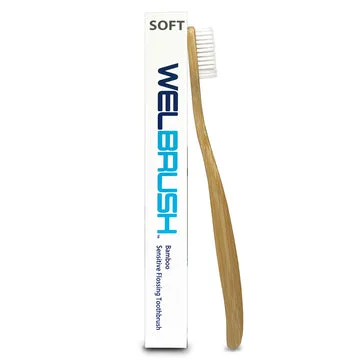
For a sensitive flossing toothbrush, check the tapered bristles for bending or breakage. The Welbrush Bamboo Sensitive Flossing Toothbrush has flossing bristles made with PBT that reach between teeth and under the gum line. Once those bristles lose their shape, the brush cannot do its job, even if the handle still looks fine.
Storage tips for small bathrooms
If counter space is tight, mount a toothbrush holder on the wall or inside a cabinet door. Make sure the holder has drainage holes so water does not pool at the bottom. Avoid storing bamboo toothbrushes in a closed travel case for more than a day, because trapped moisture encourages mold.
For travel, let the brush dry completely before packing it. Use a breathable travel sleeve or wrap it in a dry cloth. When you arrive, unpack it right away and let it air out.
Your bamboo toothbrush care routine, step by step
- Rinse and shake after every brush: Hold the bristles under running water and shake off excess moisture. Do not leave toothpaste residue on the bristles. Checkpoint: the brush should feel clean, not slick or gritty.
- Dry the handle with a cloth: Wipe the bamboo handle dry before storing. Moisture is the main enemy of bamboo. Mistake to avoid: putting a wet brush straight into a closed cabinet.
- Store upright in an open holder: Place the brush bristle-up in a cup or stand with airflow around it. Keep it separate from other brushes. Checkpoint: the holder should have drainage holes or be easy to air out.
- Deep clean the bristles weekly: Soak only the bristles in one part white vinegar to two parts water for 10–15 minutes, then rinse and dry. Mistake to avoid: soaking the whole bamboo handle, which can cause cracking.
- Inspect for wear every month: Look for frayed bristles, dark spots, or a musty smell. Replace the brush if you see any of these signs. Checkpoint: even a clean-looking handle can harbor mold in cracks.
- Replace every three to four months: Mark the date on your calendar or set a reminder. If you were sick, replace sooner. Next step: order a replacement or try a sensitive flossing option if you need gentler cleaning.
Product facts that support better care
- Welbrush Bamboo Sensitive Flossing Toothbrush: The Welbrush Bamboo Sensitive Flossing Toothbrush has tapered bristles that reach between teeth and under the gum line, and flossing bristles made with PBT. Because the bristles are designed for gentle, deep cleaning, you should check them often for fraying. Replace the brush when the tapered shape is lost, even if the bamboo handle still looks new.
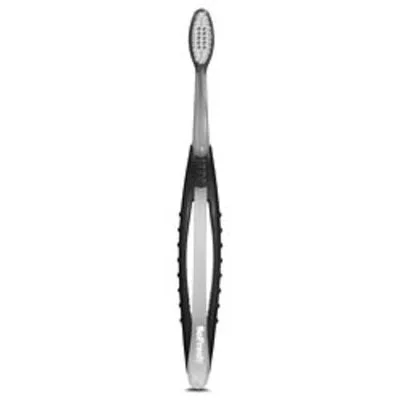
- Sofresh Wide Grip Toothbrush: The Sofresh Wide Grip Toothbrush has a comfortable grip and soft bristles made of PBT, which typically lasts longer than nylon because it absorbs less water. The wide grip helps people with mobility issues brush without slipping. PBT bristles resist water absorption, so they stay effective longer if you rinse and dry them after each use.