Quick answer
Rinse your bamboo toothbrush after every use, shake off excess water, and store it upright in an open holder away from the toilet. Never soak it or leave it lying in a puddle. If you see black spots, fuzzy patches, or smell mustiness, replace the brush — mold in the handle isn't something you can scrub away safely.
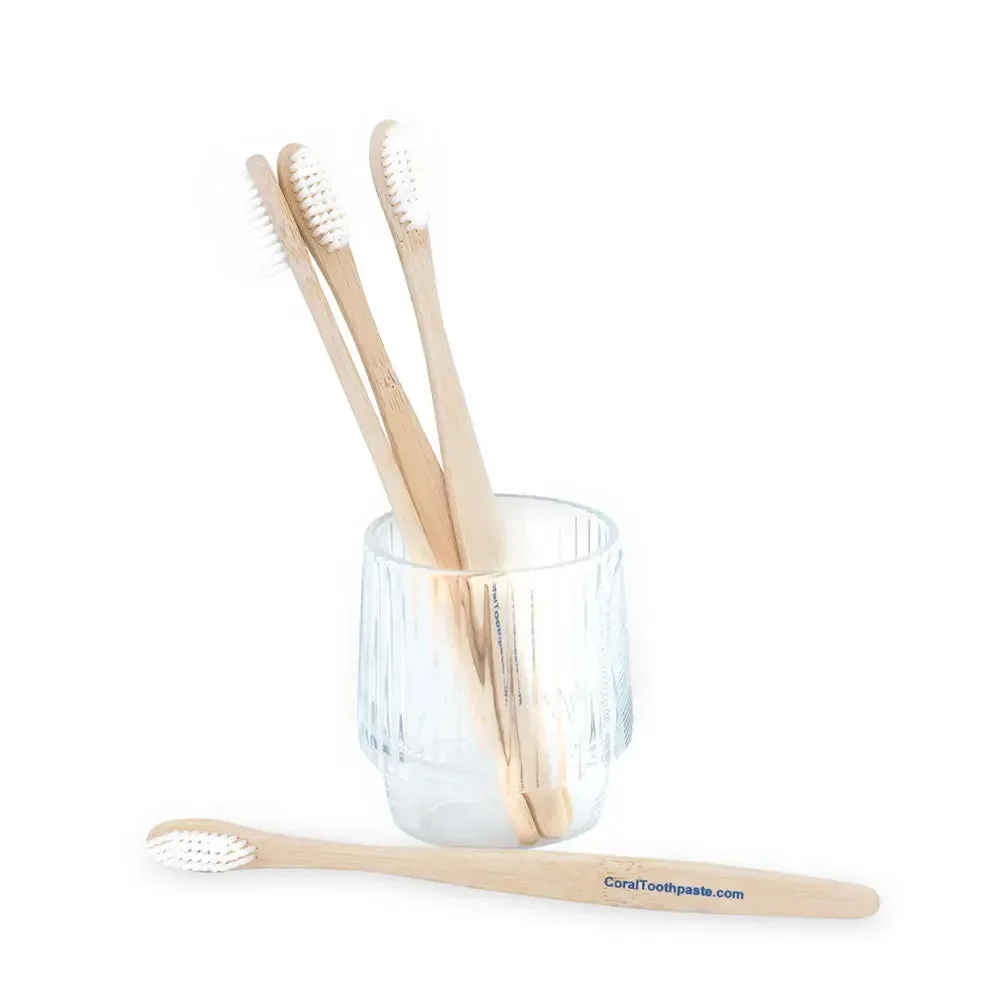
A bamboo toothbrush can last just as long as a plastic one — if you keep it dry. The problem is that bamboo is a natural material, and natural materials hold moisture differently than plastic. That's why bamboo toothbrush care comes down to one main job: managing water.
Most complaints about bamboo toothbrushes — mold, splitting, a sour smell — trace back to storage and drying habits, not the brush itself. This guide walks through the symptoms you might see, what's likely causing them, and exactly what to do. It also covers the point where you should stop trying to save a brush and replace it.
Why bamboo toothbrushes are more sensitive to moisture
Bamboo is a grass, and like any plant material it absorbs and releases moisture. When a bamboo handle stays wet for hours, the surface can swell slightly, and the grain becomes a friendly place for mold spores that are already in the air. Plastic handles don't absorb water, so they don't have this problem — but they also don't break down.
That doesn't mean bamboo is a bad choice. It means the brush needs airflow. A bamboo toothbrush that dries completely between uses can stay in good shape for months. One that sits in a closed cup or a wet tray will show problems much faster.
- Rinse the bristles, not the whole handle, under running water.
- Shake the brush vigorously three or four times after rinsing.
- Wipe the handle with a dry cloth if it feels slick or damp.
Symptom: black spots or fuzzy patches on the handle
This is the classic bamboo toothbrush mold problem. Black or dark green speckles usually appear first near the base of the bristles or in the grain of the handle. If the spots are only on the surface and the brush dries fully afterward, you might be able to remove them with a quick wipe of white vinegar on a cloth, then dry thoroughly.
But if the spots are fuzzy, spread, or return within a day or two, the mold has moved into the bamboo fibers. At that point, no amount of cleaning will make the brush safe to put in your mouth. Replace it.
- Surface speckles: wipe with vinegar, dry completely, monitor for 48 hours.
- Fuzzy or spreading patches: replace the brush immediately.
- Never put a moldy bamboo toothbrush in the dishwasher or microwave.
Symptom: the handle feels soft, split, or cracked
Bamboo that has been soaked repeatedly can develop fine cracks along the grain. You might notice the handle feels rougher than when it was new, or a splinter lifts when you run your thumb along it. Cracks are a problem because they trap water and toothpaste residue, which feeds mold.
toothpaste
A small crack near the top might be cosmetic, but once the handle splits deeply or feels soft when you squeeze it, the brush is done. Don't try to sand it smooth — you'll expose fresh bamboo that absorbs water even faster.
- Check the handle monthly by running a finger along the grain.
- Retire the brush at the first deep crack or soft spot.
- Store a spare brush dry so you're not caught without one.
Symptom: a sour or musty smell
If your bamboo toothbrush smells like a damp basement even after rinsing, bacteria and mold are already living in the handle or bristle base. This often happens when a brush is stored in a closed container, a travel cap, or a cup where water pools at the bottom.
A vinegar soak won't fix a persistent smell. The odor is a sign that the material has absorbed things you can't rinse out. Replace the brush and change where you store it — that's the real fix.
- Never store a bamboo toothbrush in a closed travel tube while it's wet.
- If you travel, let the brush air-dry completely before packing it.
- Choose a holder that lets water drip away from the handle.
How to clean a bamboo toothbrush without ruining it
For routine cleaning, you don't need anything special. Rinse the bristles after brushing, rub them with your thumb to remove toothpaste, and shake off the water. Once a week, you can wipe the handle with a cloth dampened with white vinegar, then dry it immediately. Vinegar is acidic enough to discourage mold without soaking the bamboo.
Skip boiling water, bleach, hydrogen peroxide soaks, and the dishwasher. All of these can break down the bamboo or leave residue on the bristles. If you want extra peace of mind, a quick swish of the bristles in mouthwash is fine — but don't let the handle sit in liquid.
- Weekly: wipe handle with vinegar, dry right away.
- Daily: rinse bristles, shake, air-dry upright.
- Never soak the handle or put the brush in a dishwasher.
Storage that prevents mold
The best bamboo toothbrush storage is upright, open to air, and far enough from the toilet that flush spray can't reach it. A holder with drainage holes or a wire rack works better than a solid cup. If you share a bathroom, give each brush its own slot so they aren't touching.
Keep the brush away from the shower stream. Constant humidity from a hot shower keeps bamboo damp for hours. If your bathroom stays steamy, consider storing your brush in a bedroom or a dry cabinet instead.
- Use a holder that drains — no standing water.
- Leave at least an inch between brushes.
- Move the brush out of the shower spray zone.
How long should a bamboo toothbrush last?
Dentists generally recommend replacing any toothbrush every three to four months, or sooner if the bristles are frayed. Bamboo toothbrushes follow the same rule. With good drying habits, the handle often still looks fine at three months — but the bristles are what clean your teeth, and they wear out on the same schedule as plastic ones.
Some people stretch a bamboo brush to six months if the bristles still look good and the handle is sound. That's a personal call. The moment you see mold, a deep crack, or a persistent smell, the lifespan is over regardless of the calendar.
- Replace every 3–4 months, or when bristles splay.
- Check the handle for cracks and soft spots monthly.
- Replace immediately if mold or odor appears.
Diagnose your bamboo toothbrush problem
- Black or green speckles on the handle: Surface mold from trapped moisture. Wipe with white vinegar on a cloth and dry completely. If spots are fuzzy or return within 48 hours, the mold is inside the bamboo. Surface only: clean and monitor. Fuzzy or recurring: replace.
- Sour or musty smell: Bacteria and mold have colonized the handle or bristle base, usually because the brush was stored wet or in a closed container. Cleaning won't remove the odor. Replace the brush and switch to an open, draining holder.
- Cracked, soft, or splintering handle: Repeated soaking has damaged the bamboo fibers. Cracks trap water and toothpaste, making mold more likely. Sanding exposes fresh absorbent material. Retire the brush at the first deep crack or soft spot.
- Bristles splayed but handle looks fine: Normal wear after three to four months of use. The handle may still be sound, but worn bristles don't clean effectively. Replace on the standard 3–4 month schedule even if the handle looks good.
- No symptoms, but you want to prevent problems: Rinse bristles only, shake off water, store upright in an open holder away from the shower and toilet. Wipe the handle with vinegar weekly. Good habits keep a bamboo brush going for its full lifespan.
Products that help you store and dry your brush
- Dip & Drip Wall Mount and Soap Shelves: This wall adapter uses a twist-lock suction cup and is intended for non-porous surfaces only (glass, porcelain, polished ceramic, polished marble, or flat, non-porous tile). It does not stick to plastic liners, stone, or across grout lines. Mounting your toothbrush holder on the wall keeps it out of the wet zone on the counter and lets water drip away from the handle — exactly what bamboo needs. Just check your tile or mirror surface first, because the suction cup won't hold on porous or uneven materials.
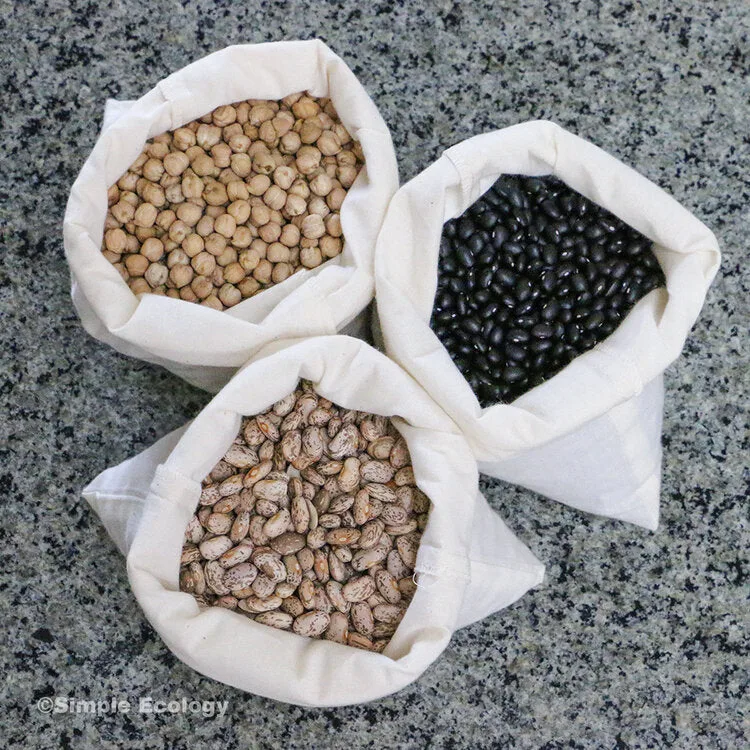
- Organic Cotton Muslin Bags - Set of 3: Recommended for delicate greens, fresh produce, and bulk bin items; these muslin bags replace plastic bags and are great for both produce shopping and storage. A breathable muslin bag is a smart travel pouch for a fully dry bamboo toothbrush. Unlike a sealed plastic case, the cotton lets air circulate so the brush doesn't sit in its own moisture. Just make sure the brush is completely dry before it goes in.
Bamboo toothbrush care isn't complicated — it's mostly about drying. Rinse, shake, store upright with airflow, and check the handle once a month. If mold, cracks, or a musty smell show up, replace the brush without guilt. Bamboo breaks down, which is the point, and a fresh brush is cheaper than a dental problem.