Quick answer
Choosing between a bamboo and a standard toothbrush comes down to handle material and bristle design. Bamboo handles are compostable, but bristles vary; standard plastic handles are durable but less eco-friendly. For sensitive teeth, look for soft, rounded bristles regardless of handle type.
When you stand in the oral care aisle, the choice between a bamboo toothbrush and a standard plastic one can feel like a tug-of-war between sustainability and familiarity. Bamboo handles appeal to eco-conscious shoppers, while standard brushes offer a known feel and often softer bristle options. But the real difference isn't just the handle—it's how the bristles are designed and what they do for your teeth and gums.
This comparison breaks down the practical tradeoffs: bristle materials, handle durability, and environmental impact. We'll also look at how a bamboo flossing toothbrush can benefit your routine, and what to consider if you have sensitive teeth.
Bristle Materials: The Heart of the Brush
Bristles do the actual cleaning, and they come in various materials. Many standard toothbrushes use nylon bristles, which are effective but not biodegradable. Some bamboo toothbrushes also use nylon bristles, which means the handle is compostable but the bristles are not—so you can't toss the whole brush in your compost bin. Others use plant-based bristles, but these are less common and may be softer.
For sensitive teeth and gums, bristle softness and shape matter more than the handle. Look for brushes with shorter, rounded bristles that massage gums gently, and longer tapered bristles that clean between teeth. This design is often found on flossing toothbrushes, regardless of handle material.
- Check the bristle material: nylon is common but not compostable; plant-based options exist but may be less durable.
- For sensitive teeth, prioritize soft, rounded bristles over handle type.
Handle Materials: Bamboo vs Plastic
Bamboo handles are renewable, biodegradable, and often come in plastic-free packaging. They feel lightweight and natural, but they require proper drying to avoid cracking or mold. Plastic handles, on the other hand, are durable, waterproof, and come in a wider range of ergonomic shapes, but they contribute to plastic waste.
Consider your bathroom environment: if you have a humid space, bamboo needs airflow. If you prefer a brush that can stand up to travel and rough handling, plastic might be more practical. The tradeoff is between eco-friendliness and convenience.
- Bamboo handles need to dry between uses; store them upright in a cup.
- Plastic handles often offer more grip and flexibility in design.
Eco-Friendly Options and Disposal
If reducing plastic waste is your goal, bamboo toothbrushes are a clear step forward. The handle can be composted or repurposed, but remember to remove the bristles first. Some brands offer bristle recycling programs, but these are not universal. Standard toothbrushes, unless made from recycled plastic, end up in landfills.
Also consider the packaging: many bamboo brushes come in cardboard boxes, while plastic brushes often have plastic blister packs. Look for brands that minimize packaging waste, as this adds to the overall eco-impact.
- Remove nylon bristles before composting the bamboo handle.
- Check if the brand offers a bristle recycling program.
Tradeoffs at a glance
- Bamboo handle: Compostable and renewable, but requires proper drying and may not last as long as plastic. Choose if you prioritize sustainability and can maintain it.
- Standard plastic handle: Durable and convenient, but adds to plastic waste. Choose if durability and familiarity matter more.
- Bristle design: Soft, rounded bristles are gentle on gums; longer bristles clean deeper. Material affects biodegradability. Prioritize bristle design for sensitive teeth over handle type.
Product facts to consider
- Sofresh Kids Toothbrush: Shorter, rounded bristles effectively brush all around teeth while massaging and remaining gentle on gums. Longer, tapered bristles clean deep between teeth and under gums, removing plaque. Bristles are made of PolyButylene Terephthalate (PBT). This bristle design is ideal for sensitive teeth and thorough cleaning, regardless of handle material. PBT is a durable plastic that maintains bristle shape.
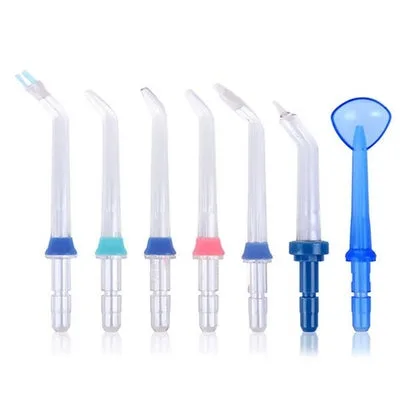
- Water Flosser Standard Tips: Standard tips compatible with Weldental water flossers. Simple to swap in for continued use. Pack includes standard tips for regular cleaning. Even with the best toothbrush, water flossing can reach areas brushes miss. These tips help maintain consistent oral hygiene between brushings.
Which toothbrush fits you?
Best for
- Eco-conscious users who want a compostable handle and are willing to manage bristle disposal.
- People with sensitive teeth who focus on soft, rounded bristle designs.
Not for
- Those who prefer maximum durability and no maintenance concerns—plastic handles may be more practical.
- Travelers who need a brush that can withstand rough handling without risk of cracking.
Ultimately, the best toothbrush is one you'll use consistently. Whether you choose bamboo or standard, focus on bristle quality and your specific oral care needs. Pair your brush with a water flosser for a complete clean, and remember to replace your toothbrush every three months or sooner if bristles fray.