Quick Answer
Choose bamboo when you want the softest blanket for baby and breathable baby blankets that pack small for stroller naps or daycare. Choose cotton when you want a durable, easy-wash blanket that handles spills and floor play. For sleep, skip loose blankets and use a sleep bag.
How Bamboo and Cotton Actually Differ
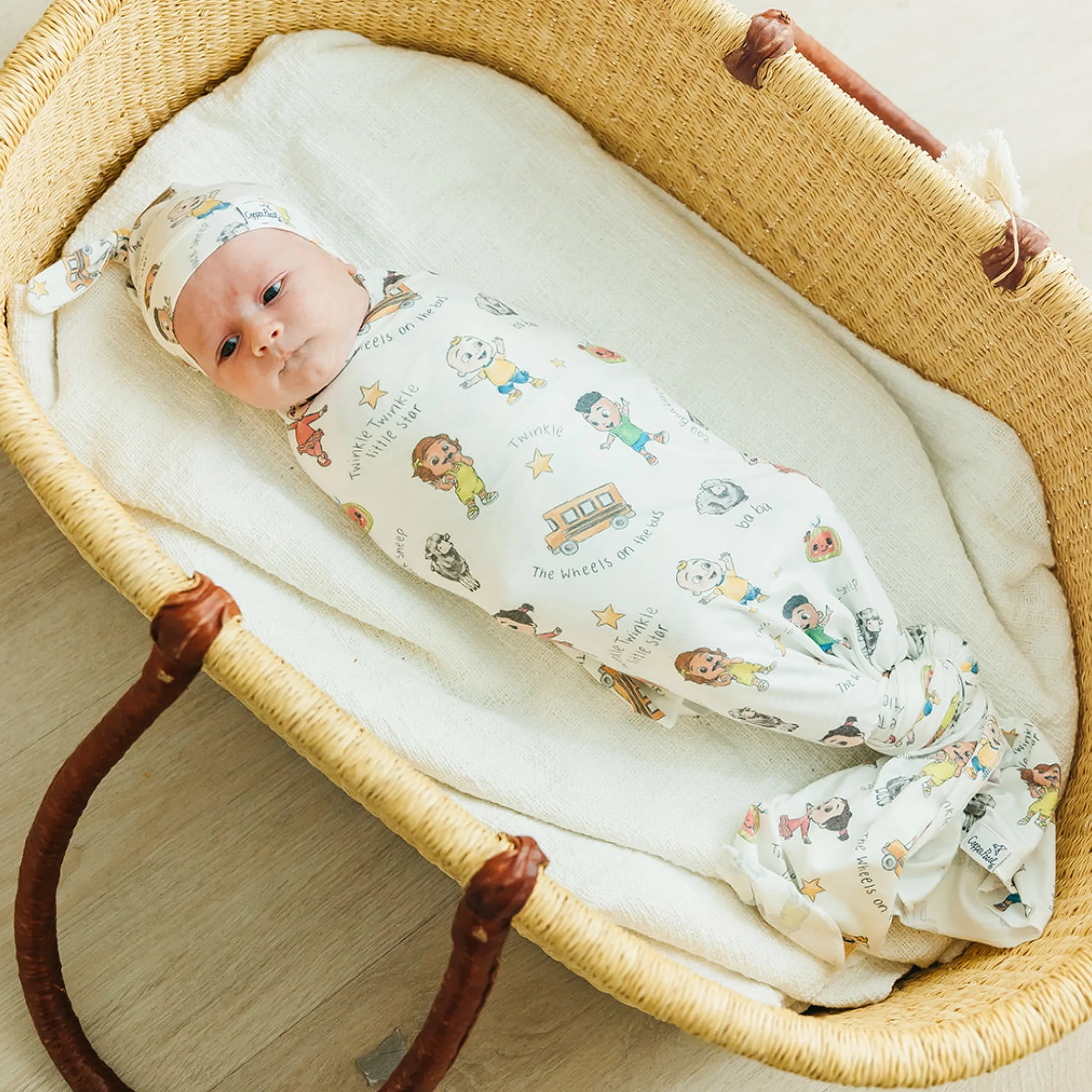
Bamboo and cotton both make safe, useful baby blankets, but they behave differently in daily use. Bamboo fibers tend to feel silkier and cooler against the skin, and they drape more than cotton. Cotton feels more substantial and crisp at first, then softens over repeated washes.
The bigger practical difference is care. Bamboo is more sensitive to heat and rough washing, so it usually needs cold water and low heat or air drying to keep its soft hand. Cotton tolerates warmer washes and a dryer better, which matters when a blanket is used on the floor, in the car, or at daycare.
Breathability and Temperature: What to Expect
Breathable baby blankets are about airflow, not a specific fiber label. Bamboo's lightweight construction and moisture-wicking feel make it a common pick for warmer rooms and summer stroller rides. Cotton's airflow depends on the weave; a thin muslin or gauze cotton blanket breathes well, while a thick quilted cotton blanket traps more warmth.
Because neither fiber is magic, the safest approach is to dress baby in one layer more than you would wear and check the back of the neck for overheating. If baby is sweaty or flushed, remove a layer or switch to a lighter blanket.
Softness, Durability, and Pilling
If your main goal is the softest blanket for baby, bamboo usually wins out of the package. It has a smooth, almost cool touch that many parents prefer for newborn skin. Cotton starts slightly firmer but often becomes a favorite over time because it holds its shape and resists pilling better under heavy use.
Expect some trade-off either way. Bamboo can pill or snag if washed with zippers and towels, so wash it separately or in a mesh bag. Cotton may shrink slightly on the first hot wash, so follow the care tag and size up if you plan to dry it.
Safer Sleep: When Neither Blanket Belongs in the Crib
For sleep, the AAP recommends keeping loose blankets out of the sleep space and using a wearable alternative. A sleep bag replaces a loose blanket and stays put as baby moves, which is why many families use one for nights and naps.
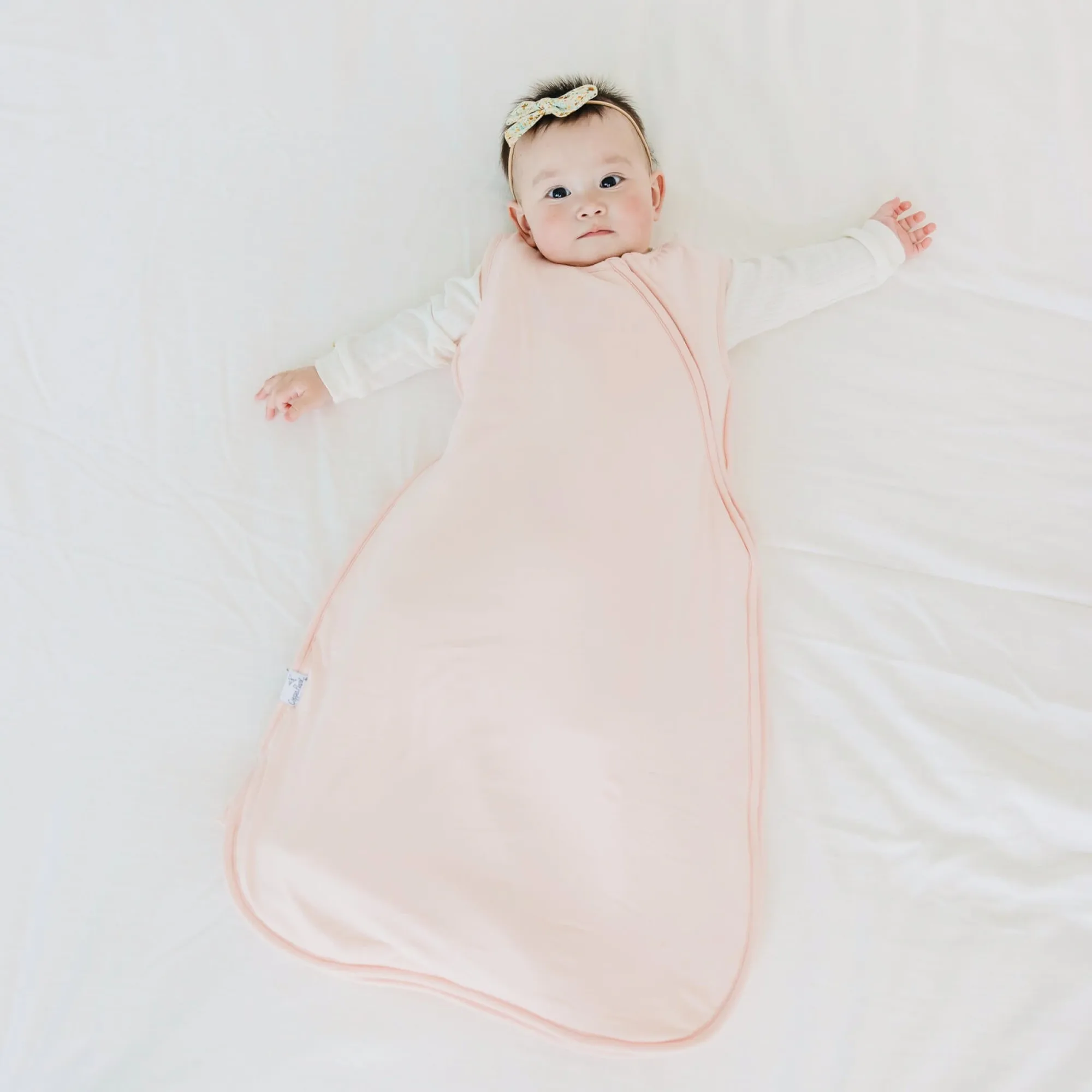
On the supplied catalog facts, the Copper Pearl Sleep Bag - Enchanted Friends is a three-layer knit with a plush fill and a TOG option, so you can match warmth to the room. That makes it a more practical sleep choice than layering a bamboo or cotton blanket over a sleeping baby.
Bamboo vs. Cotton Trade-Offs at a Glance
- Softness: Bamboo feels silkier and cooler from the first use; cotton feels firmer at first but softens with washing. Pick bamboo for the softest blanket for baby; pick cotton if you want a blanket that improves with age.
- Care and durability: Bamboo needs cold, gentle washing and low heat to avoid pilling and snags. Cotton handles warmer washes and a dryer with less fuss. If the blanket will live in the diaper bag or daycare cubby, cotton is the lower-maintenance choice.
- Sleep safety: Loose blankets are not recommended in the crib. A sleep bag with a TOG rating replaces the blanket and stays in place. Use bamboo or cotton for supervised play and stroller naps; use a sleep bag for sleep.
Product Facts That Help You Decide
- Sleep Bag - Enchanted Friends: Three-layer premium knit fabric with a cozy, plush fill, available in multiple TOG ratings. A TOG rating lets you match warmth to the season instead of guessing with a loose blanket, and the plush fill adds comfort without the safety risk of a blanket in the crib.
- Baby Pants - Tatooine: Buttery-soft premium knit pants with a fold-over waistband that adjusts as baby grows. If you are already dressing baby for sleep in a sleep bag, an adjustable waistband means fewer middle-of-the-night changes during growth spurts.
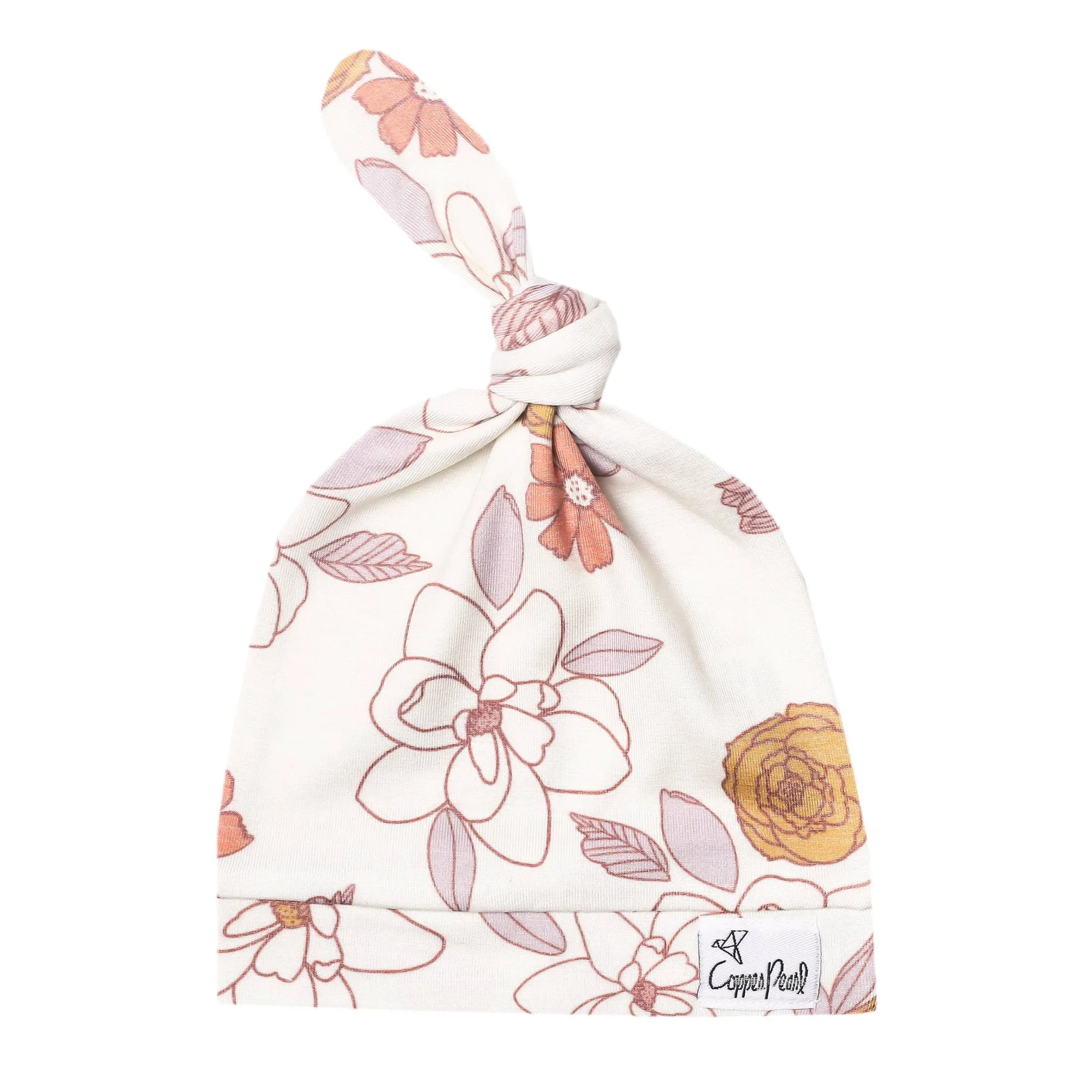
- Top Knot Hat - Super Grover: Ultra-soft, breathable stretchy fabric with an adjustable knot and sizes for 0-4 months and 5-18 months. A hat helps regulate warmth on stroller walks when a blanket is not practical, and the two size ranges cover the newborn through toddler stretch.
Which Should You Buy?
Best for
- Parents who want the softest, coolest-feeling blanket for newborn skin and warm rooms
- Families who need a lightweight, packable blanket for stroller naps and daycare
- Anyone looking for a breathable baby blanket that layers easily without bulk
Not for
- Parents who want a blanket they can wash hot and dry on high without extra care
- Anyone planning to use a loose blanket in the crib instead of a sleep bag
- Families who need a heavy, floor-play blanket that resists constant spills and dragging