Quick Answer
For most babies, bamboo rayon pajamas are the better pick for sleep: the fabric is silky-soft, breathable, and moisture-wicking, which helps with sweaty sleepers and sensitive skin. Choose cotton pajamas when budget and easy, frequent washing matter most. Many families do both: bamboo for sleep and cotton for messy daytime play.
Moisture and Breathability: How the Two Fabrics Differ
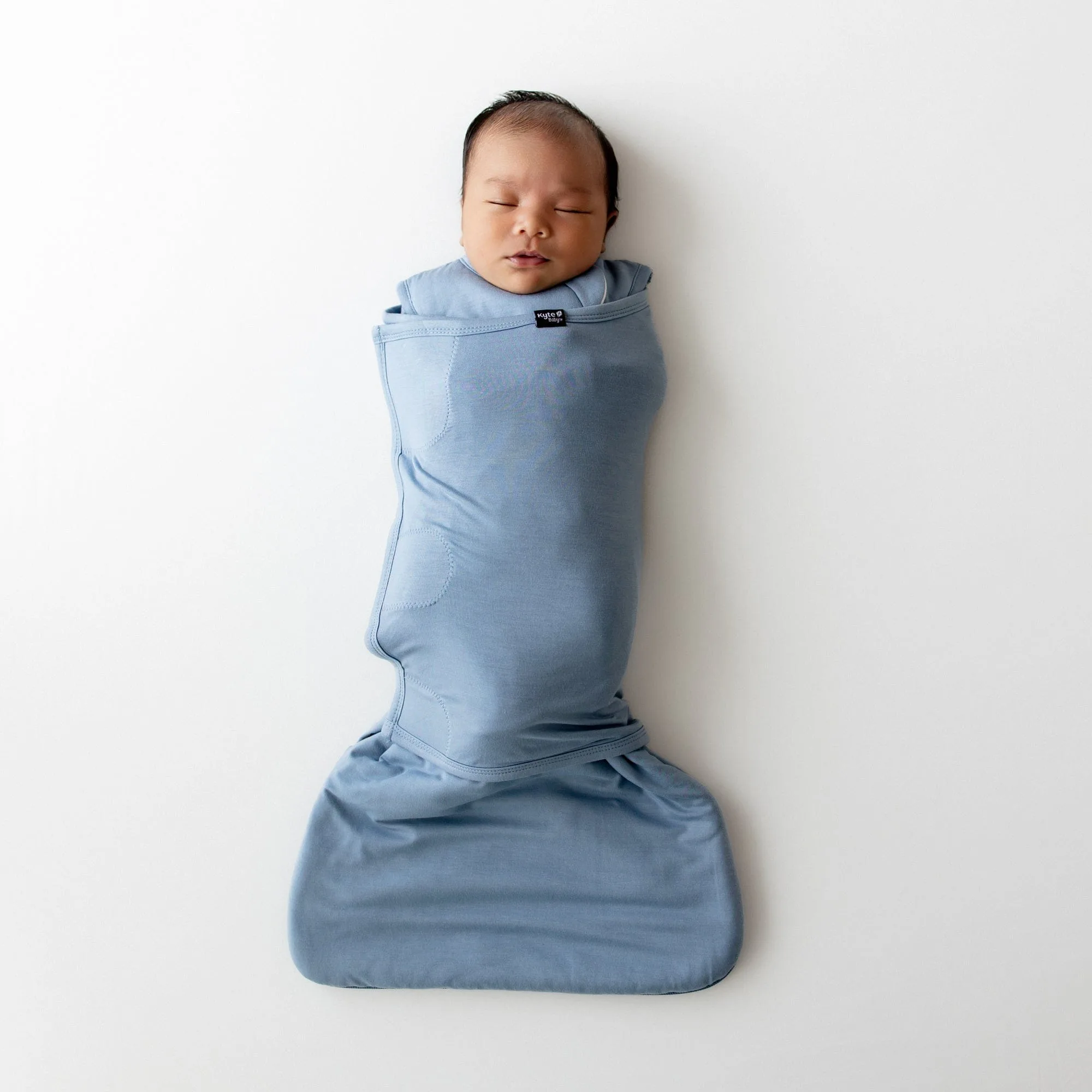
Bamboo rayon, the kind used in Kyte Baby sleepwear, is described as breathable and moisture-wicking. That combination matters at night because babies can't kick off a layer the way adults do. A fabric that moves moisture away from skin and lets air circulate helps reduce that damp, clammy feeling that wakes a sweaty sleeper.
Cotton is also breathable, but it holds onto moisture longer once it's wet. That's fine for a cool, dry nursery, but if your baby runs warm or the room gets stuffy, cotton can feel heavy and stay damp against the skin. If you're asking 'is bamboo better for babies' for sleep specifically, the moisture behavior is the strongest argument for bamboo.
Softness and Sensitive Skin
The first thing most parents notice about bamboo viscose baby clothing is the hand feel: silky-soft and smooth rather than crisp. For babies with eczema-prone or reactive skin, that smooth surface creates less friction against cheeks, elbows, and knees, which can mean less irritation overnight.
Cotton softens over time with washing, but it starts rougher and can pill. If your baby's skin reacts to texture, bamboo is usually the gentler starting point. If your baby has no skin sensitivities and you change pajamas daily anyway, cotton's texture is rarely a problem.
Stretch, Fit, and Growth
Bamboo rayon blends stretch. Kyte Baby's rompers, for example, use a stretchy fabric that lets you choose a snug or looser fit as baby grows, and the same 97% rayon-from-bamboo, 3% spandex blend appears across their shortalls and dresses. That stretch means a size lasts longer through growth spurts.
Cotton has less give unless it's a cotton-spandex blend, so cotton pajamas tend to fit true-to-size and stop fitting sooner. If you're between sizes in bamboo, sizing up usually still looks intentional; in pure cotton, sizing up often looks baggy. Check the specific product's size chart rather than assuming, since fits vary by style.
Washing, Durability, and Cost
Cotton is the easier laundry fabric: it tolerates hot water and dryer heat with less risk of shrinking or pilling. Bamboo rayon needs cooler washing and lower drying heat to keep its softness and shape, which is a real trade-off if you're washing every day.
On cost, cotton wins at the register. Bamboo costs more because the fabric and construction are more expensive to produce. But if bamboo holds its softness and fit through more months of growth, the cost-per-wear gap narrows. If you want the softness without paying full price, watch for markdowns on specific prints and colors.
Bamboo vs Cotton: Trade-Offs to Weigh
- Moisture and breathability: Bamboo rayon wicks moisture and stays breathable against skin; cotton absorbs but holds dampness longer. Choose bamboo for sweaty sleepers or warm rooms; cotton is fine in cool, dry nurseries.
- Softness on skin: Bamboo feels silky-smooth and creates less friction; cotton starts crisper and softens with washing. Bamboo is the gentler pick for eczema-prone or reactive skin.
- Stretch and longevity: Bamboo blends stretch, so a size can fit snugly or loosely through growth spurts; cotton has less give and fits true-to-size. If you're between sizes, bamboo is more forgiving; size up in cotton only if the chart allows it.
- Laundry and cost: Cotton tolerates hot water and dryer heat and costs less upfront; bamboo needs cooler washing and lower drying heat and costs more. If daily hot washes are non-negotiable, cotton is simpler; if you'll follow care instructions, bamboo rewards you with longer softness.
Bamboo Options That Show the Fabric in Practice
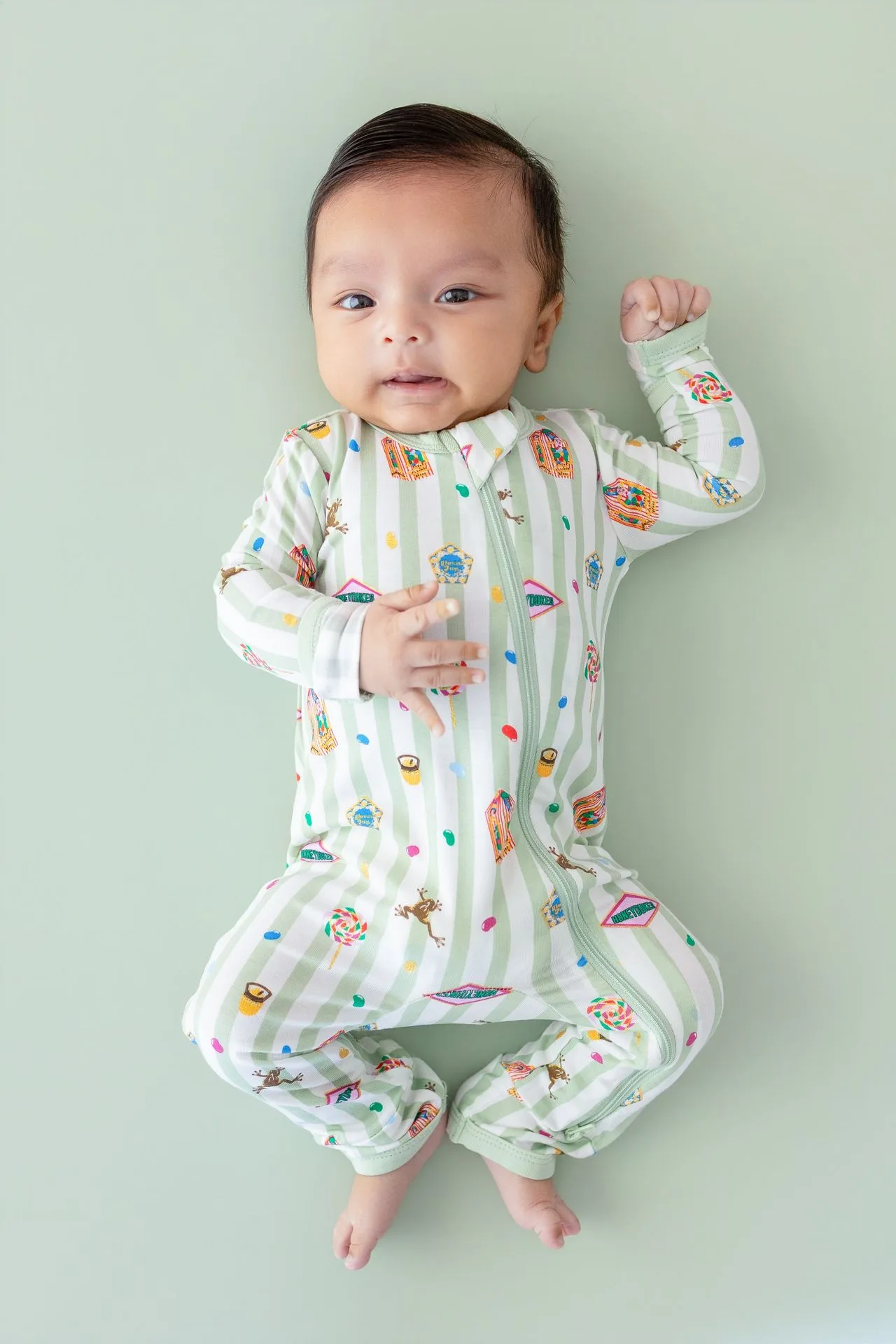
- Zippered Romper in Honeydukes: Made from silky-soft rayon made from bamboo, with a dual zipper and stretchy fabric that allows a snug or looser fit as baby grows. A one-piece bamboo option that shows the moisture-wicking, stretch, and easy-change benefits in a single garment.
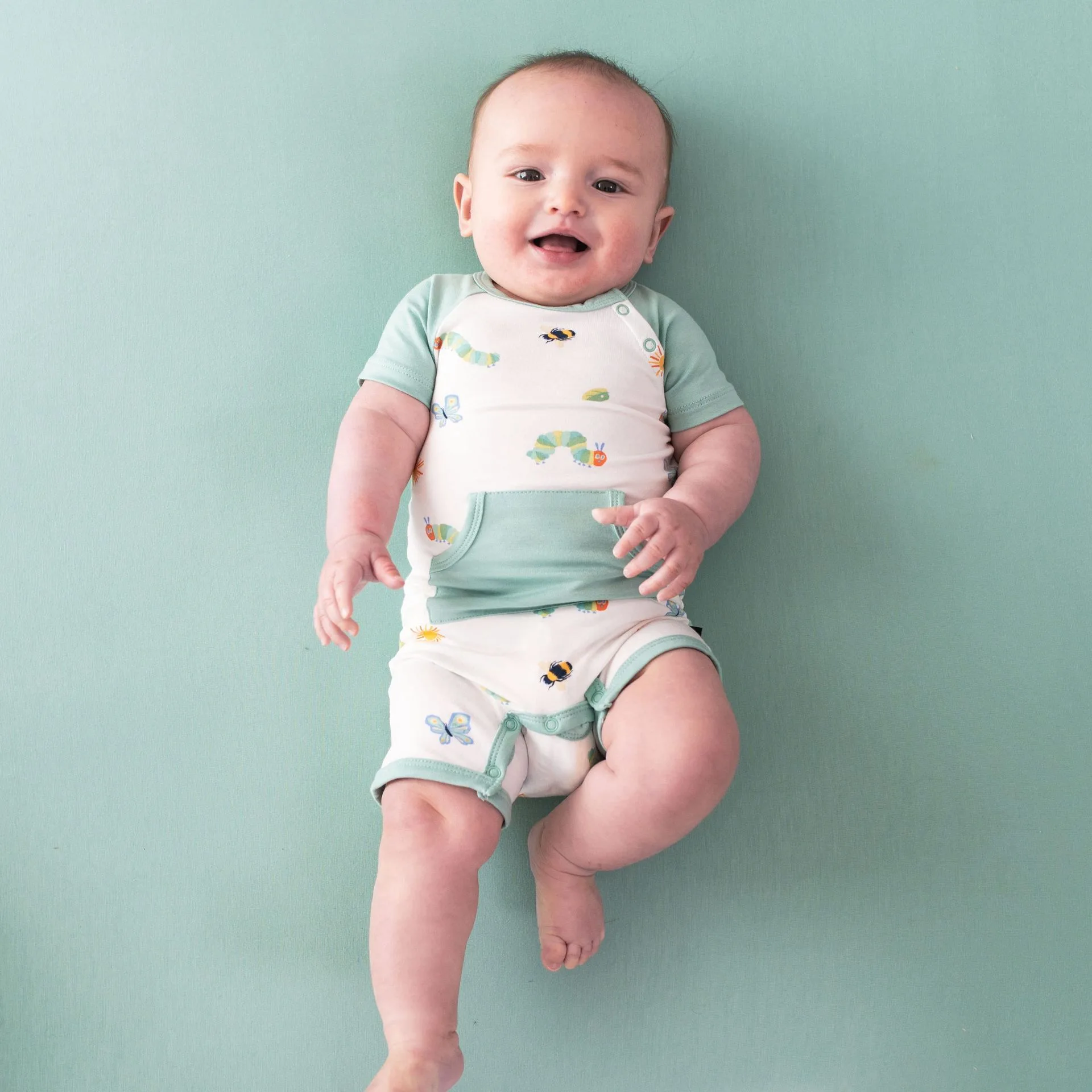
- Shortall in The Very Hungry Caterpillar™ and Friends: 97% rayon made from bamboo, 3% spandex, with snap closures at the bottom and neck and buttery, moisture-wicking fabric. Shows the same bamboo blend in a shortall cut, useful if you want the fabric benefits for daytime rather than sleep.
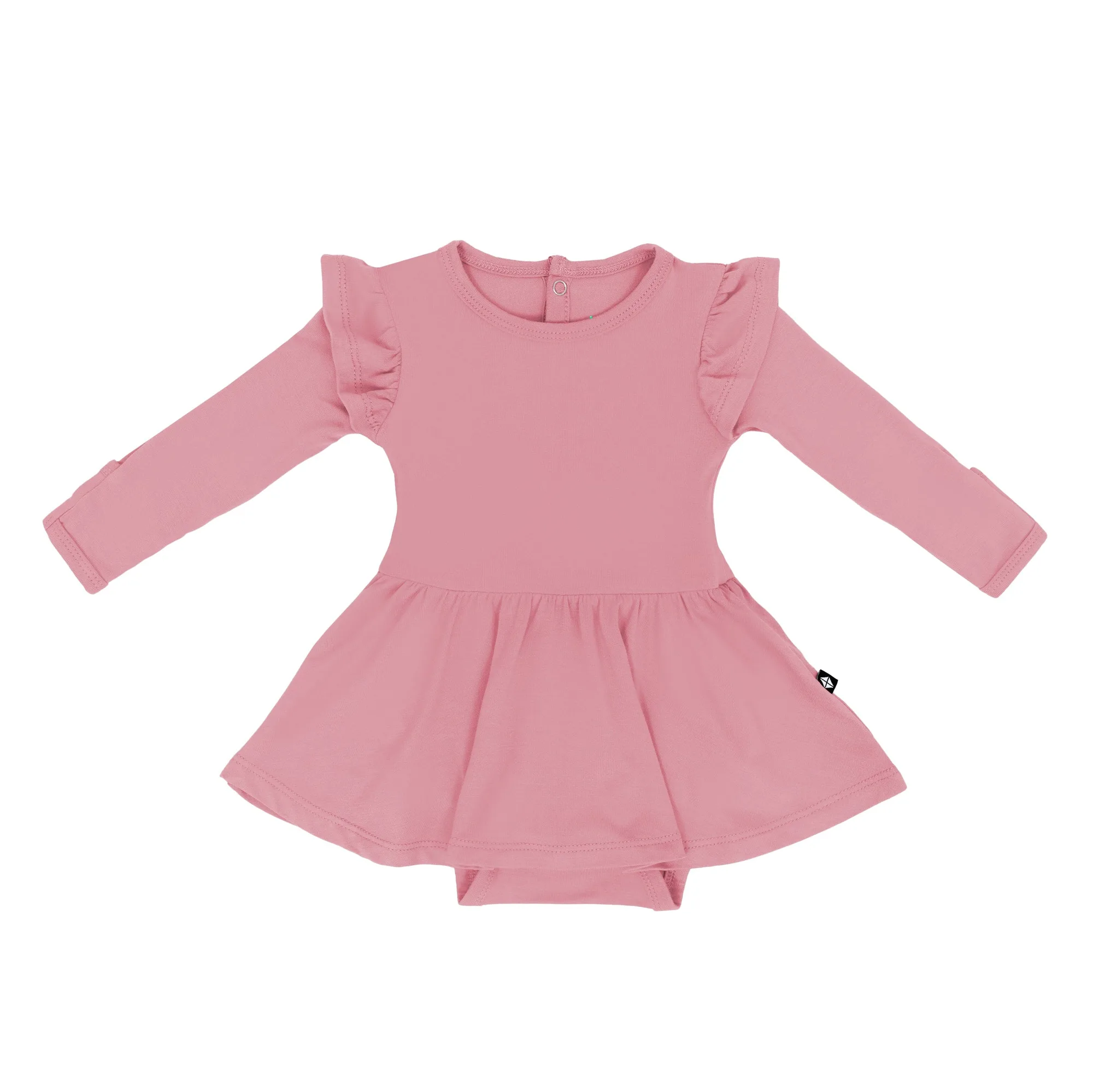
- Long Sleeve Twirl Bodysuit Dress in: Soft, breathable rayon made from bamboo with snap closures and a built-in twirl skirt. Demonstrates that bamboo isn't only for pajamas; the same softness and breathability carry into dresses.
Which Should You Buy?
Choose bamboo if
- Your baby runs warm, sweats at night, or wakes up damp
- Your baby has sensitive or eczema-prone skin
- You want a size to last through growth spurts
Choose cotton instead if
- You need the lowest upfront price and are buying many sizes
- You wash hot and dry hot every day and want zero special care
- Your baby has no skin sensitivity and sleeps in a cool, dry room