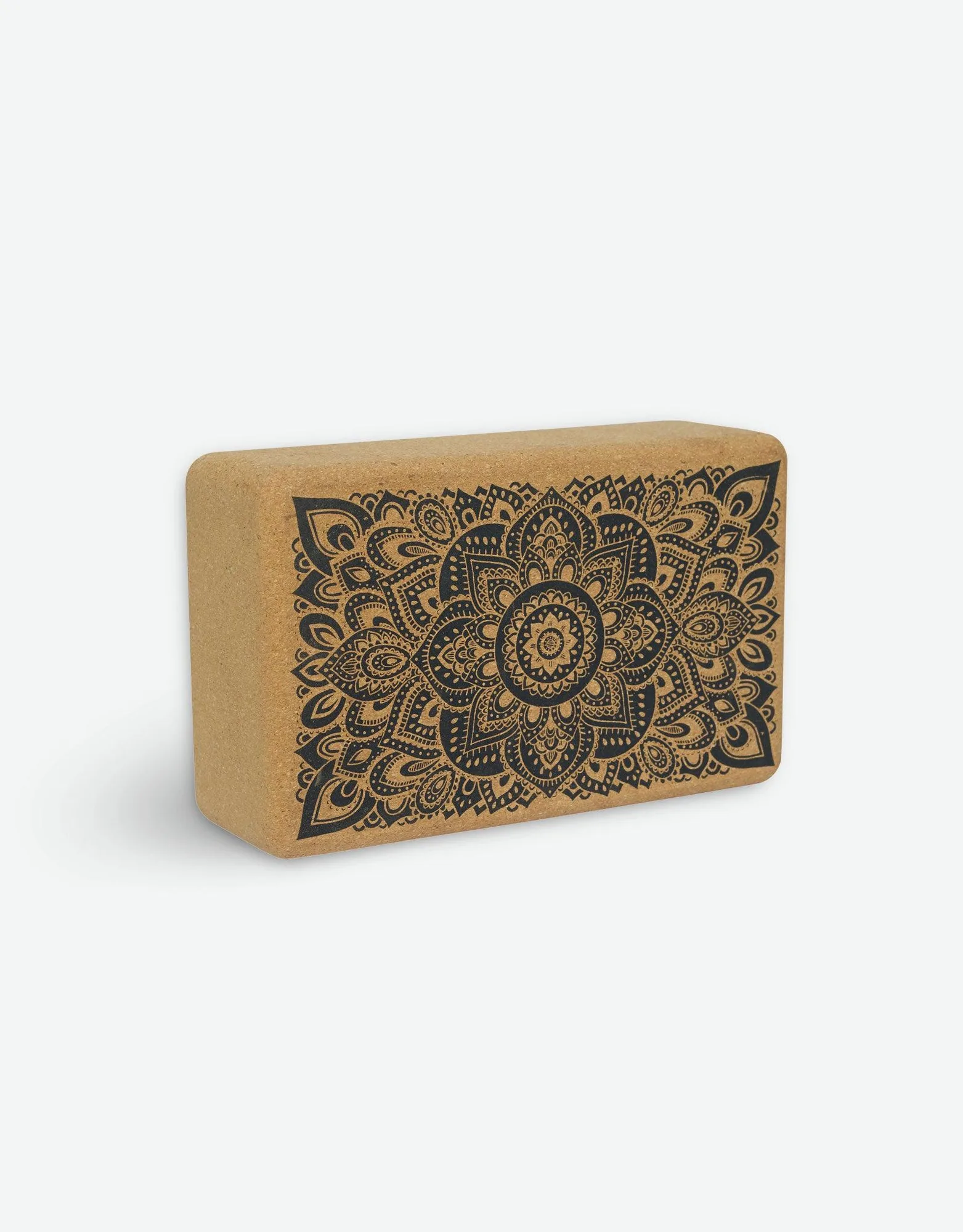
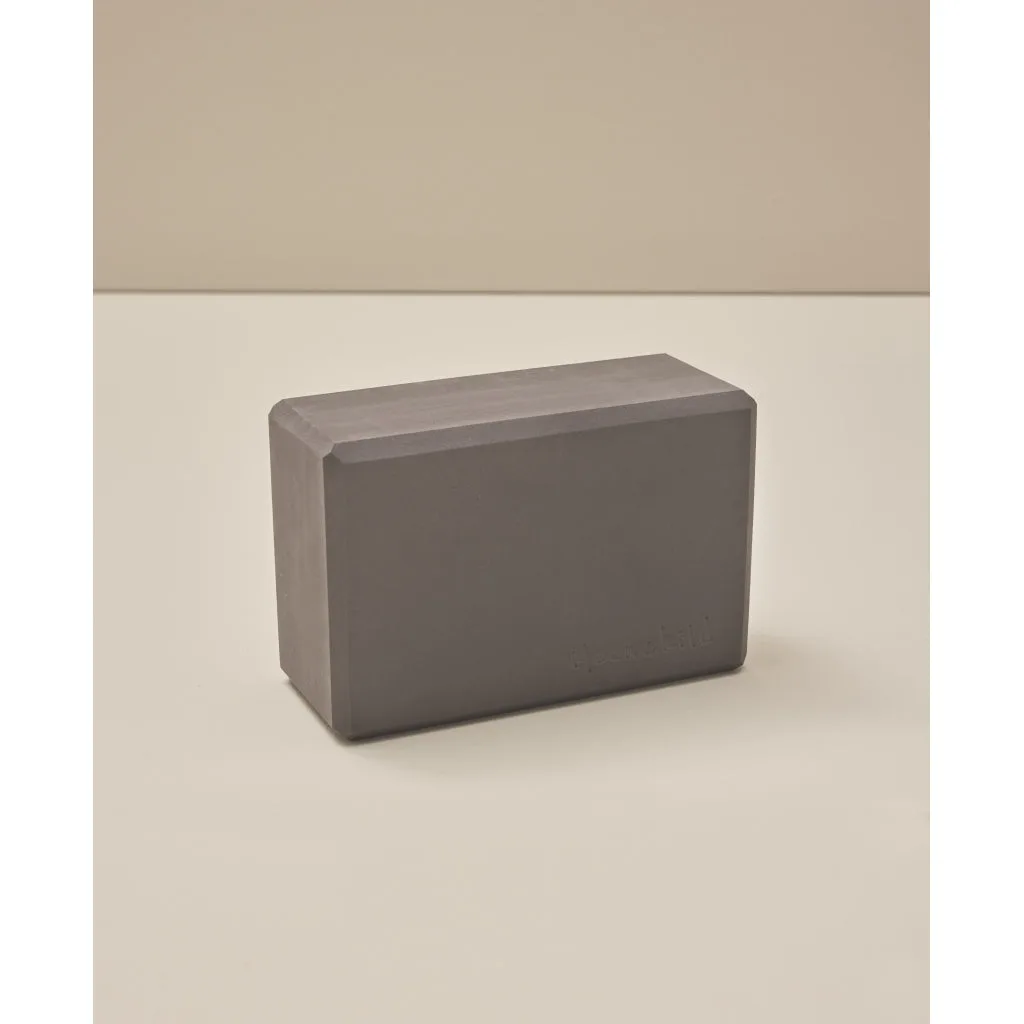
The real difference is how each block feels under your hand
Bamboo and foam blocks both bring the floor closer, support joints, and add stability in balance poses. The choice comes down to weight, surface feel, and how much give you want. Bamboo is rigid and slightly heavier; foam is light and slightly softer. Neither is better across the board—your practice style and body will point you one way or the other.
Weight and handling: what to expect from each material
- Foam Yoga Block: Lightweight and durable, with a comfortable, easy-to-grip surface. Easy to carry to class and reposition during flows.
- Bamboo Yoga Block: Hollow construction reduces weight, but bamboo is still a rigid material. Rounded edges add comfort, and the satiny finish feels smooth in the hand.
What the records confirm about each block
-
Foam Yoga Block: The Foam Yoga Block provides firm, stable support to help you modify poses, improve alignment, and explore your full range of motion. This makes it a versatile choice for both beginners and advanced practitioners who want a reliable, lightweight prop.
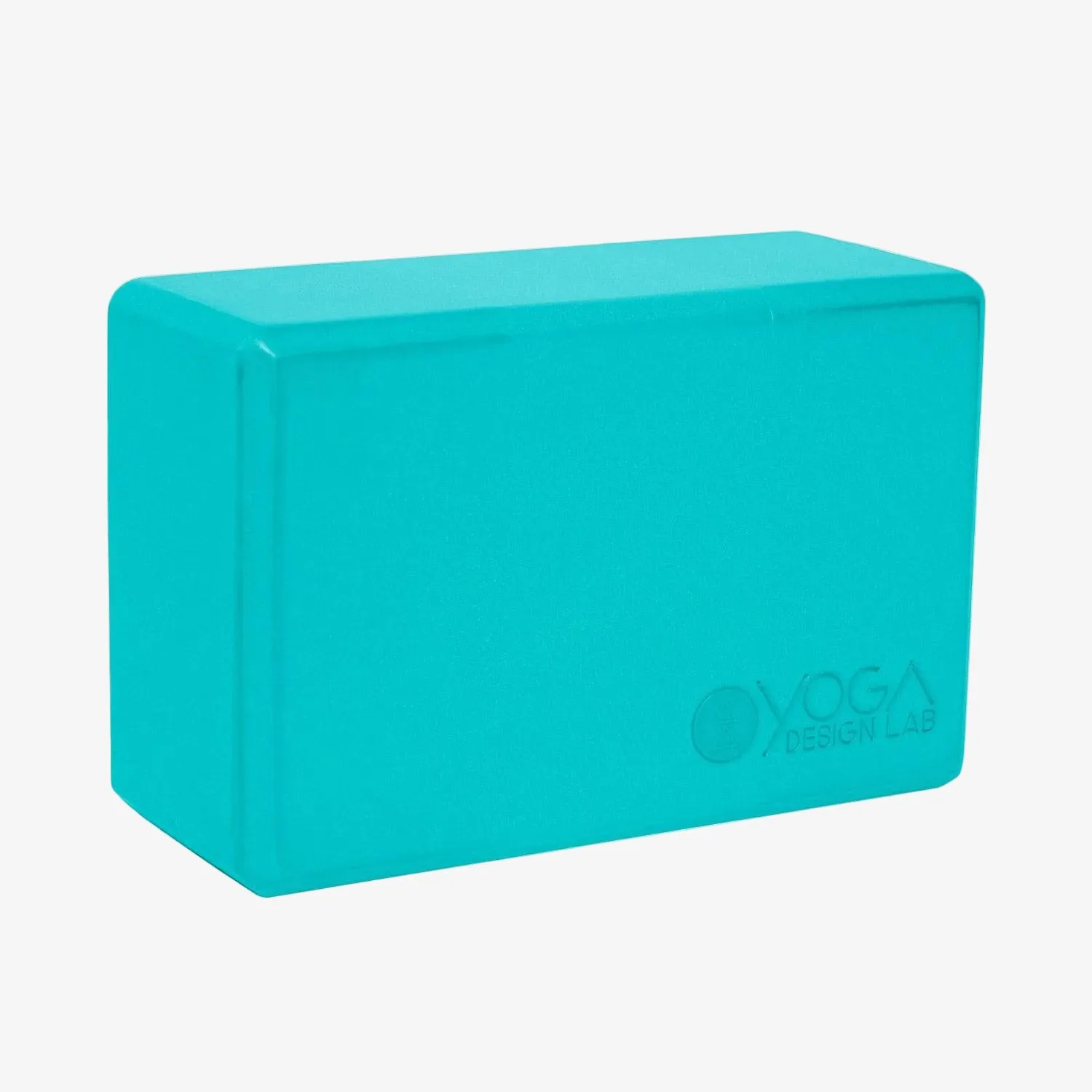
Foam Yoga Block
-
Bamboo Yoga Block: Bamboo Yoga Blocks are made from a fast-growing renewable material and feature a hollow construction to reduce weight, rounded edges for comfort, and a satiny finish. If sustainability and a smooth, solid feel matter to you, bamboo offers a distinct alternative to foam.
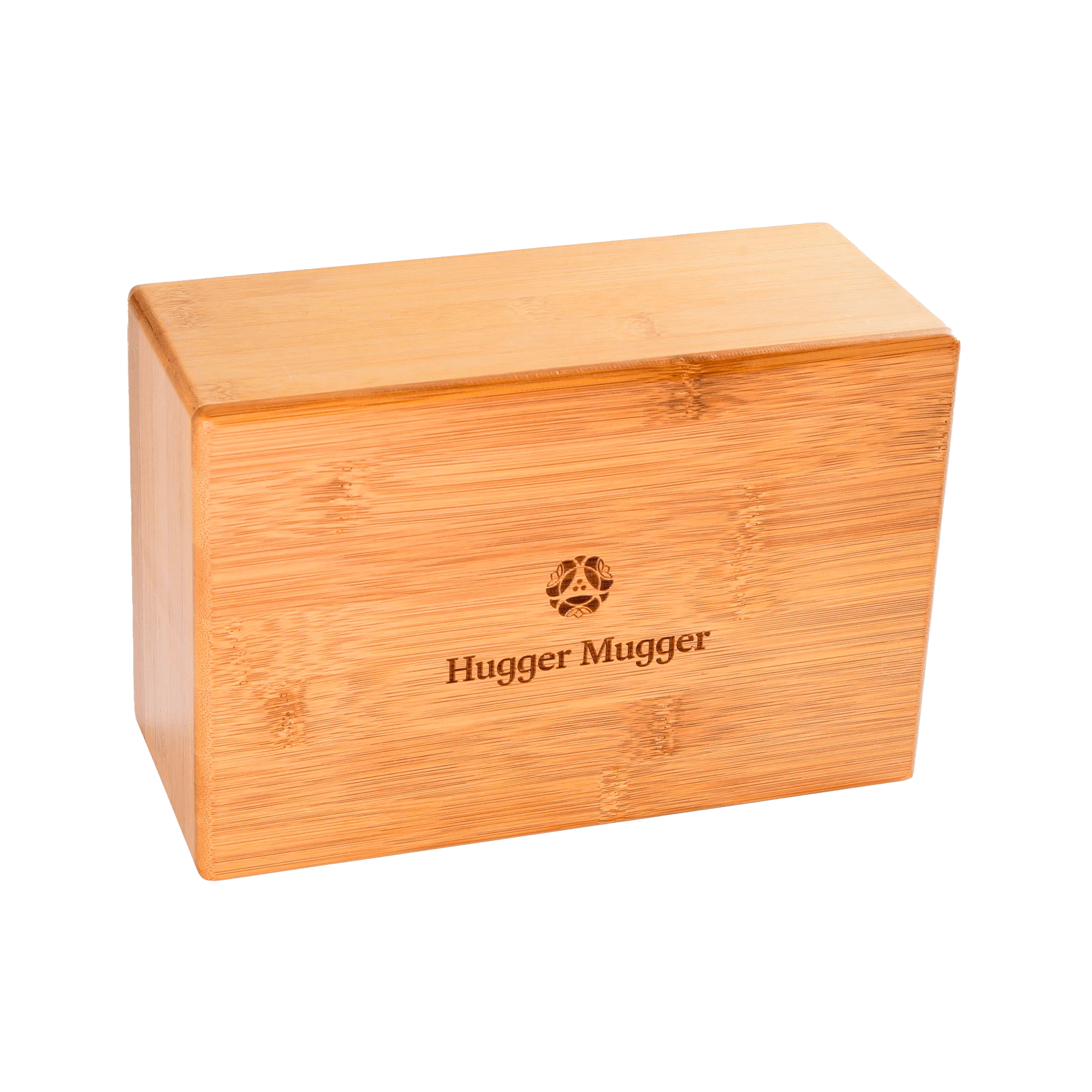
Bamboo Yoga Block
Bamboo yoga block pros and cons
Pros: sturdy and stable, made from a renewable resource, and the hollow design keeps it lighter than a solid wood block. Rounded edges and a satiny finish feel polished. Cons: it's still firmer and likely heavier than foam, and the hollow construction may feel less forgiving if you drop it. The supplied information doesn't specify exact weight or load limits, so check those if you have specific needs.
Foam block vs bamboo block: which for balance poses?
For balance poses, a firm, stable block helps you feel grounded. Both materials are firm, but foam's slightly softer surface may feel more forgiving underhand, while bamboo's rigid feel can provide a more solid base. If you tend to grip tightly or sweat a lot, foam's non-slip surface is a practical advantage. Bamboo's satiny finish may be slicker—consider a yoga towel if you use it in heated flows.
Which yoga block material fits your practice?
Choose foam if you want a lightweight, easy-to-grip block for everyday flows, travel, and restorative poses. Choose bamboo if you prefer a natural material, a smooth finish, and a firmer feel for stability work. If you're unsure, start with foam—it's the more forgiving all-rounder. Bamboo is a great second block once you know you like a rigid surface.
What the records don't tell you
The supplied information doesn't include exact dimensions, weight, or care instructions for either block. If those details matter to you—for example, if you need a specific height or plan to clean your block regularly—check the product pages or contact the store before ordering.