When you're building a zero-waste kitchen, choosing the right reusable cutlery is a big decision. Two of the most popular eco-friendly materials are bamboo and wood. Both look natural, feel great in the hand, and promise to reduce plastic waste. But which one is truly more sustainable and durable? In this comparison, we'll break down the differences between bamboo and wooden cutlery so you can make an informed choice for your daily meals and travels.
Bamboo and wood come from renewable sources, but they have distinct characteristics that affect their environmental impact and how long they last. We'll examine growth rates, harvesting methods, durability, maintenance, and end-of-life disposal. By the end, you'll know exactly which material aligns with your values and lifestyle.
Sustainability: How Bamboo and Wood Compare
Bamboo is often hailed as a sustainability superstar. It's actually a grass, not a tree, and it grows incredibly fast—some species can shoot up several feet in a single day. This rapid growth means bamboo can be harvested every 3-5 years without replanting, making it a highly renewable resource. Moreover, bamboo requires minimal water and no pesticides, and it naturally regenerates from its roots, which helps prevent soil erosion.
Wooden cutlery, on the other hand, typically comes from trees like birch, beech, or maple. While wood is also renewable, trees take decades to mature before they can be harvested. Responsible forestry practices, such as FSC certification, ensure that for every tree cut, new ones are planted, but the slower growth rate makes wood less rapidly renewable than bamboo. Additionally, wood may require more resources in terms of water and land over its lifetime.
When comparing carbon footprints, bamboo generally has a lower impact due to its fast growth and ability to sequester carbon quickly. However, the manufacturing process for both materials can vary. Look for cutlery that is minimally processed and uses non-toxic finishes to maximize eco-friendliness.
- Bamboo grows up to 3 feet in 24 hours, making it one of the fastest-growing plants on Earth.
- Wooden cutlery from sustainably managed forests is also renewable, but at a slower pace.
- Check for certifications like FSC for wood and organic or non-GMO for bamboo.
Durability: Which Material Lasts Longer?
Durability is a key factor when choosing reusable cutlery. You want utensils that can withstand daily use, washing, and the occasional drop without cracking or splintering. Bamboo is naturally strong and dense, making it resistant to warping and cracking when properly cared for. It also has a natural antibacterial property, which is a bonus for food contact surfaces.
Wood, depending on the type, can be equally durable. Hardwoods like beech or maple are sturdy and can last for years. However, wood is more porous than bamboo, which means it can absorb moisture and odors over time. This can lead to swelling, splitting, or bacterial growth if not dried thoroughly after washing. Bamboo's tighter grain makes it less absorbent, giving it an edge in longevity.
In our experience, bamboo cutlery tends to outlast wooden alternatives under similar conditions. For instance, our Eco-friendly Coconut Bowls & Spoons Set features bamboo spoons that are designed for daily use and are known to hold up well. Similarly, bamboo utensils resist staining better than many woods, keeping them looking fresh longer.
- Bamboo's dense fiber structure makes it more resistant to moisture and cracking.
- Wooden cutlery may require more careful drying to prevent splitting.
- Both materials can last for years with proper care.
Maintenance and Care: Keeping Your Cutlery in Top Shape
Proper care is essential to extend the life of any natural cutlery. For both bamboo and wood, hand washing with mild soap and warm water is recommended. Avoid soaking them for long periods, as this can cause damage. After washing, dry them immediately with a towel and let them air dry completely before storing. Periodically, you can apply a food-safe mineral oil or beeswax to keep the material hydrated and prevent cracking.
Bamboo cutlery is slightly more forgiving when it comes to care. Its natural resistance to moisture means it's less likely to warp if you occasionally leave it in water for a short time. Wooden cutlery, however, is more sensitive and should be dried right away. Also, be cautious with extreme temperatures—don't leave either material in a hot car or dishwasher, as high heat can cause warping.
To make your zero-waste routine even easier, consider using a reusable utensil set that comes with a carrying case. This protects your cutlery when you're on the go, reducing the risk of scratches and breaking.
- Always hand wash and dry immediately to prevent moisture damage.
- Apply mineral oil monthly to maintain the finish.
- Avoid dishwasher and microwave use for both bamboo and wood.
Environmental Impact at End of Life
When your cutlery finally reaches the end of its life, you want it to return to the earth without leaving a trace. Both bamboo and wood are biodegradable and compostable, making them excellent alternatives to plastic. You can toss them into your compost bin, and they will break down naturally, enriching the soil with organic matter.
However, there are differences in decomposition rates. Bamboo, being a grass, tends to decompose faster than most hardwoods. It can break down in as little as a few months in a well-maintained compost pile. Wood, especially dense hardwoods, may take longer—up to a year or more. Both are far better than plastic, which can take hundreds of years to degrade.
Another consideration is the manufacturing process. Some wooden cutlery is coated with lacquers or varnishes to enhance appearance, which can hinder biodegradability. Bamboo cutlery, especially from eco-conscious brands, is often left untreated or uses natural oils. Always check the product description to ensure your cutlery is free from synthetic coatings.
- Both bamboo and wood are compostable and biodegradable.
- Bamboo decomposes faster than most hardwoods.
- Choose untreated or naturally finished cutlery for easier composting.
Which Should You Choose?
The choice between bamboo and wooden cutlery ultimately comes down to your priorities. If you value rapid renewability, moisture resistance, and faster decomposition, bamboo is the clear winner. It's also lighter, making it ideal for travel and outdoor dining. On the other hand, if you prefer the look and feel of traditional wood and are willing to invest in careful maintenance, wooden cutlery can be a charming and durable option.
For most zero-waste enthusiasts, bamboo offers the best balance of sustainability, durability, and ease of care. Its fast growth and natural properties make it a top contender for the most eco-friendly cutlery material. Plus, bamboo utensils often come in beautiful, ergonomic designs that enhance your dining experience.
If you're ready to make the switch, consider exploring our range of eco-friendly cutlery options. For instance, our Eco-friendly Coconut Bowls & Spoons Set includes bamboo spoons that are perfect for both home and travel. Or, if you're looking for a complete set, our Custom Branded Bamboo Reusable Straws For Businesses or Weddings are a great addition to any zero-waste toolkit.
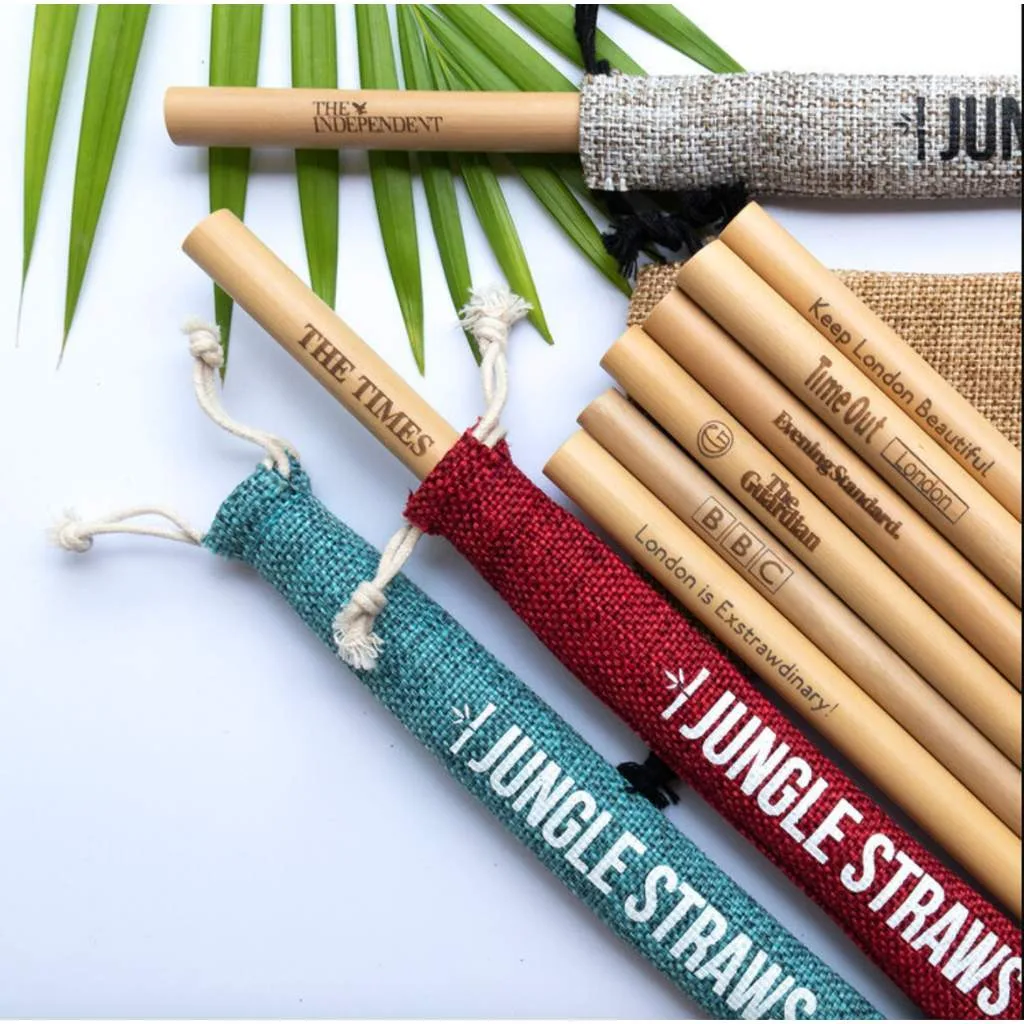
Custom Branded Bamboo Reusable Straws For Businesses or Weddings
- Bamboo is lighter and more moisture-resistant, ideal for travel.
- Wooden cutlery offers a classic aesthetic but requires more care.
- Consider your lifestyle: daily use, travel, or occasional picnics.
In the debate of bamboo vs wooden cutlery, bamboo stands out for its rapid renewability, superior moisture resistance, and faster decomposition. While wood has its charm, bamboo's practical benefits make it the more sustainable and durable choice for most people. By choosing bamboo cutlery, you're investing in a product that aligns with your zero-waste values and will serve you well for years to come. Explore our collection of bamboo cutlery and other eco-friendly kitchen essentials to start your journey toward a greener lifestyle.