Quick answer
For most parents, a bamboo wash cloth is the more flexible everyday choice: it covers more surface area, rinses quickly, and works for face, body, and folds. A wash mitt wins when you want the cloth to stay on your hand during a wiggly bath, especially for a newborn. If you can only buy one, start with a bamboo wash cloth and add a mitt if you keep dropping the cloth mid-bath.
How each option actually behaves in the tub
A bamboo wash cloth is a flat square or rectangle you hold in your hand. That flat shape lets you fold it into a smaller pad for the face, bunch it for behind the ears, or lay it over the chest for warmth. Because it is not attached to you, you can also rinse and wring it one-handed while your other hand stays on the baby. The trade-off is that a flat cloth can slip out of your grip when it is wet and soapy.
A baby bath wash mitt is a cloth shaped to slide over your hand, usually with a thumb opening or elastic cuff. It stays put while you wash, so you can use your fingers to guide the fabric into neck folds and behind knees without chasing a loose cloth. The trade-off is less control over the fabric itself: a mitt covers your whole hand, which is more surface area than a newborn face needs, and it takes longer to rinse and dry than a flat cloth.
Material and drying: why bamboo changes the math
Bamboo fabric is often chosen for baby bath items because it tends to feel soft and absorbs water well. That softness matters on newborn skin, which is thinner and more prone to irritation than adult skin. A bamboo wash cloth also tends to stay soft after repeated washing, so it does not get scratchy the way some low-quality cotton squares can.
The drying trade-off is real. Thicker bamboo terry holds more water, which is good for washing but means it needs more airflow to dry fully between baths. If you hang a damp wash cloth or mitt in a closed bathroom, it can stay damp and develop a musty smell. A flat bamboo wash cloth dries faster than a mitt because it has more exposed surface area. If you choose a mitt, plan to hang it stretched out rather than bunched, and keep two in rotation so one can dry while the other is used.
Fit and grip: the part parents notice most
Fit is where the two options diverge most. A wash cloth has no size, so it fits any hand and any baby. You adjust it by folding. A wash mitt has a fixed opening, so it fits some hands better than others. An adult with large hands may find a mitt tight across the knuckles, while a smaller hand may find it loose enough to slide off when wet.
For a newborn, the goal is control rather than coverage. A mitt can help you keep fabric on your fingertips while you support the head with the same hand, which is useful in the first weeks. Once the baby is older and sitting up, a flat wash cloth is usually faster because you can rinse it, wring it, and move on without adjusting a cuff.
How many you actually need
A practical baby bath setup is three to four bamboo wash cloths or two to three wash mitts. You want one in use, one drying, and one clean backup for the inevitable mid-bath spit-up or diaper surprise. If you use a mitt, add one extra because mitts dry more slowly.
For face washing, keep a separate cloth or mitt from the one you use on the body. That is not about the fabric; it is about keeping bath water and soap away from eyes and mouth. A small dedicated face cloth is easier to manage than a full mitt for this job.
Trade-offs at a glance
- Coverage vs. control: A bamboo wash cloth covers more area per swipe and folds to any size; a wash mitt covers your whole hand and stays on, but gives you less ability to fine-tune the fabric. Choose the cloth for speed and the mitt for grip.
- Drying time: A flat bamboo cloth dries faster because more surface is exposed; a mitt traps moisture in the hand pocket and needs to be hung stretched out. If you pick mitts, buy an extra so one can dry while the other is used.
- Fit range: A wash cloth has no size and fits any hand; a mitt has a fixed opening and may be tight or loose depending on your hand size. If your hands are large or small, a cloth is the safer fit.
- Newborn vs. older baby: A mitt helps in the first weeks when you are supporting the head with one hand; a flat cloth is faster once baby sits up and splashes. Match the tool to the stage, not the other way around.
Baby bath accessories from the catalog
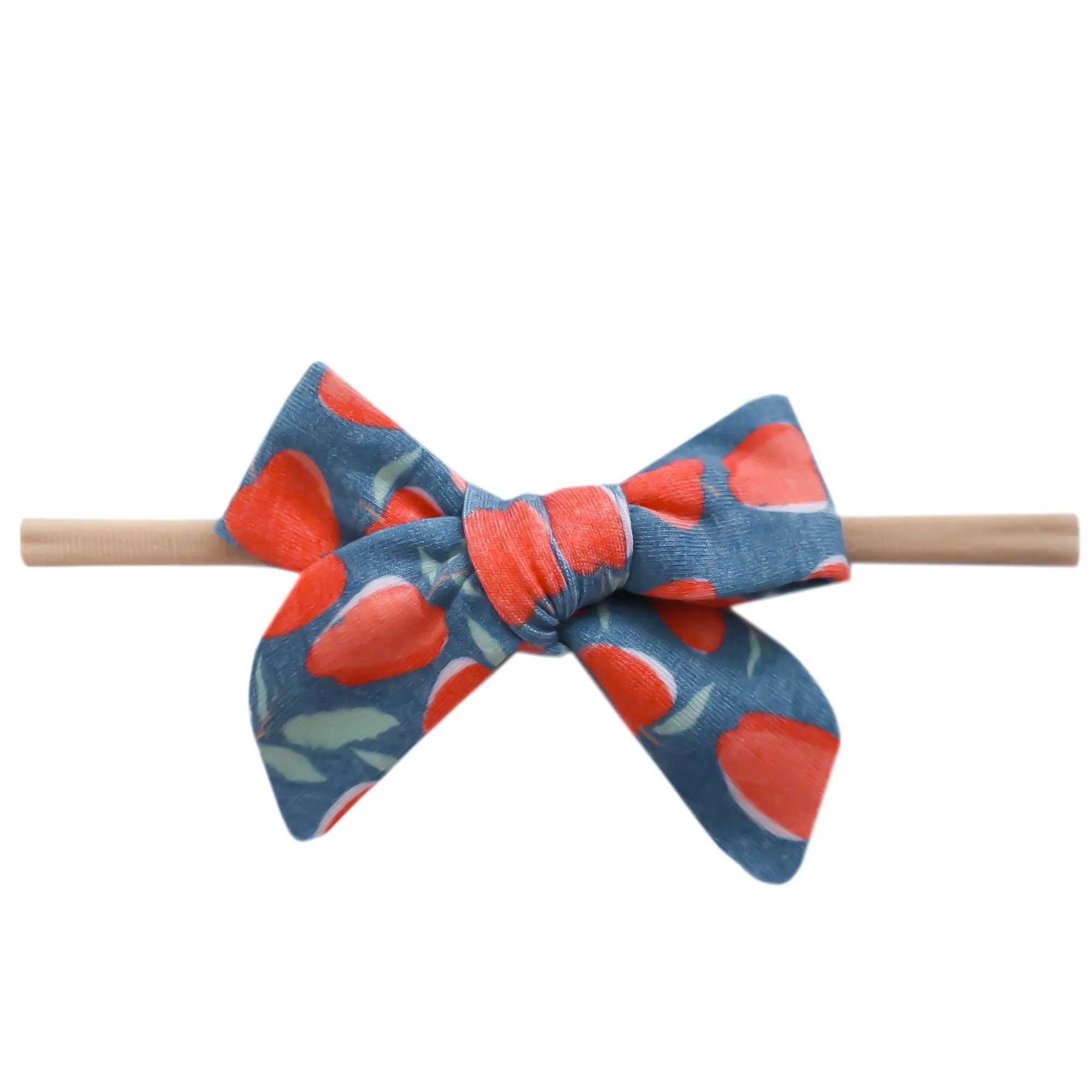
- Bowtie Baby Bow - Monet: Bowtie Baby Bow - Monet is a statement-size bow with a high-quality nylon fabric band designed to grow with baby. If you are building a bath-to-outfit routine, this bow is a dressy finish that pairs with the same prints as other Copper Pearl accessories.
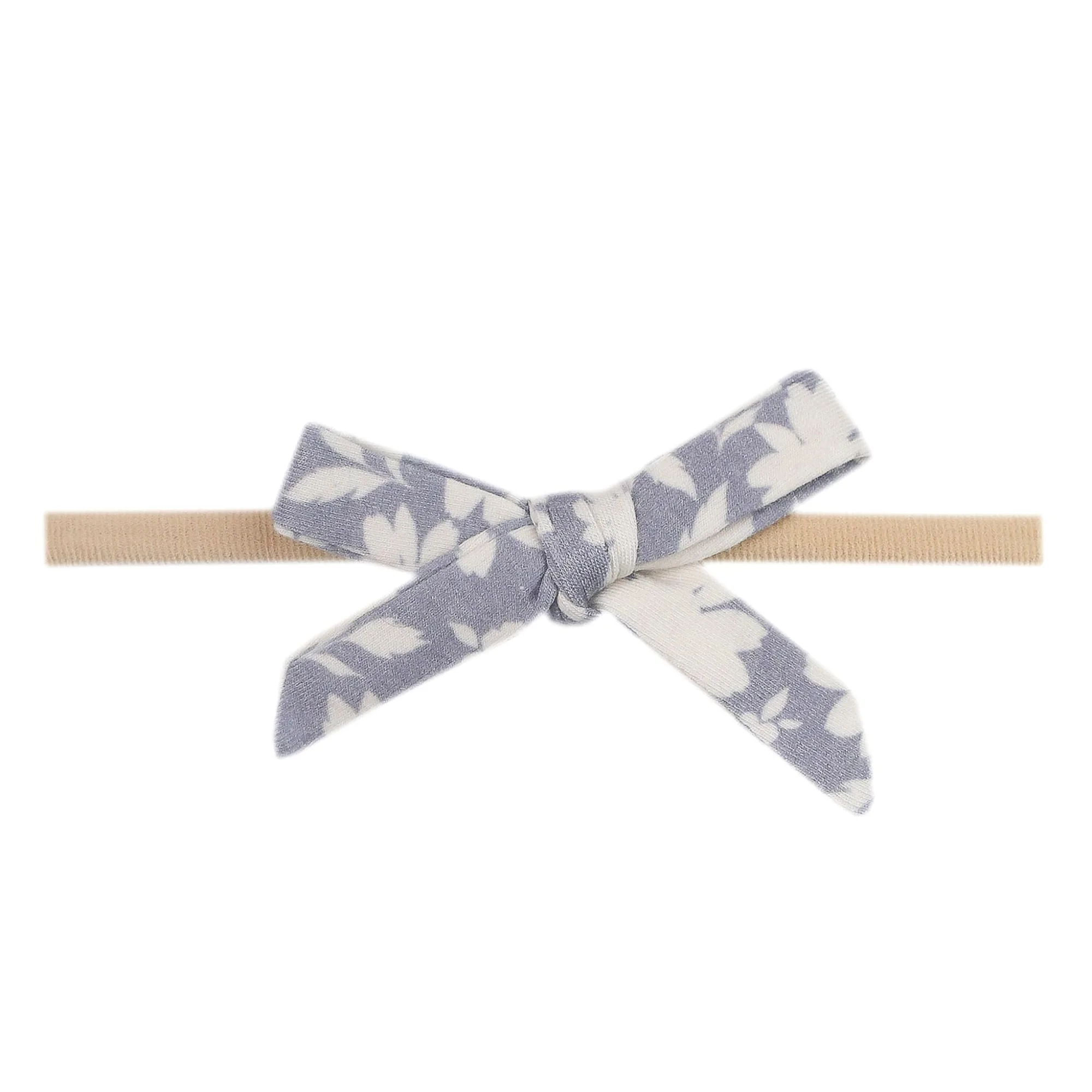
- Ribbon Baby Bow - Bloom: Ribbon Baby Bow - Bloom has a simple knot and a high-quality nylon fabric band with plenty of stretch for a universal fit. The stretch band is the practical detail for parents who want an accessory that stays comfortable as baby grows.
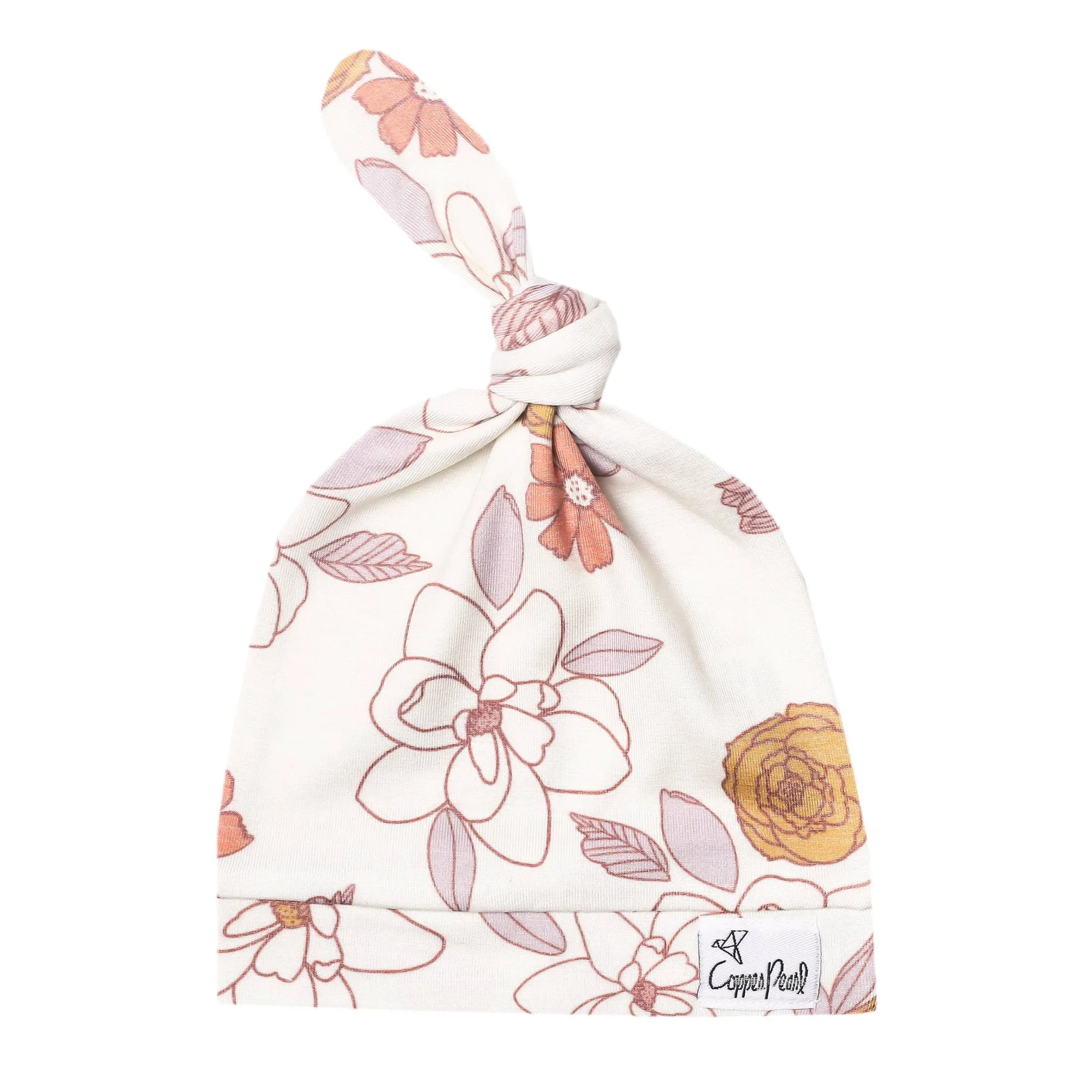
- Top Knot Hat - Sesame Street Varsity Friends: Top Knot Hat - Sesame Street Varsity Friends uses ultra-soft, breathable stretchy fabric and comes in 0-4 months and 5-18 months, with an adjustable knot for the smaller size. A breathable hat is a sensible layer after a bath, and the two-size range plus adjustable knot helps you get a closer fit on a newborn.
Which one fits your bath routine
Best for
- Parents who want one bath tool that works for face, body, and folds
- Families who air-dry bath items and want faster drying between baths
- Older babies who sit up and splash, where quick rinsing matters more than grip
Not for
- Parents who keep dropping a wet cloth during a wiggly newborn bath and want fabric that stays on the hand
- Anyone who prefers a fixed shape over folding and adjusting fabric
If you are unsure, start with bamboo wash cloths and add a wash mitt only if grip becomes the problem. Then keep both in the bath caddy: the cloth for everyday washing, the mitt for the wiggly days.