Quick answer
Choose a BANDAI TIE Advanced if you want a modern snap-fit build that goes together without glue and rewards careful parts cleanup. Choose Revell Star Wars kits if you prefer a traditional glued, painted model-building routine and already own the basic tools. Both routes lead to a display-worthy TIE Advanced; the real difference is how much gluing, filling, and finishing you want to do.
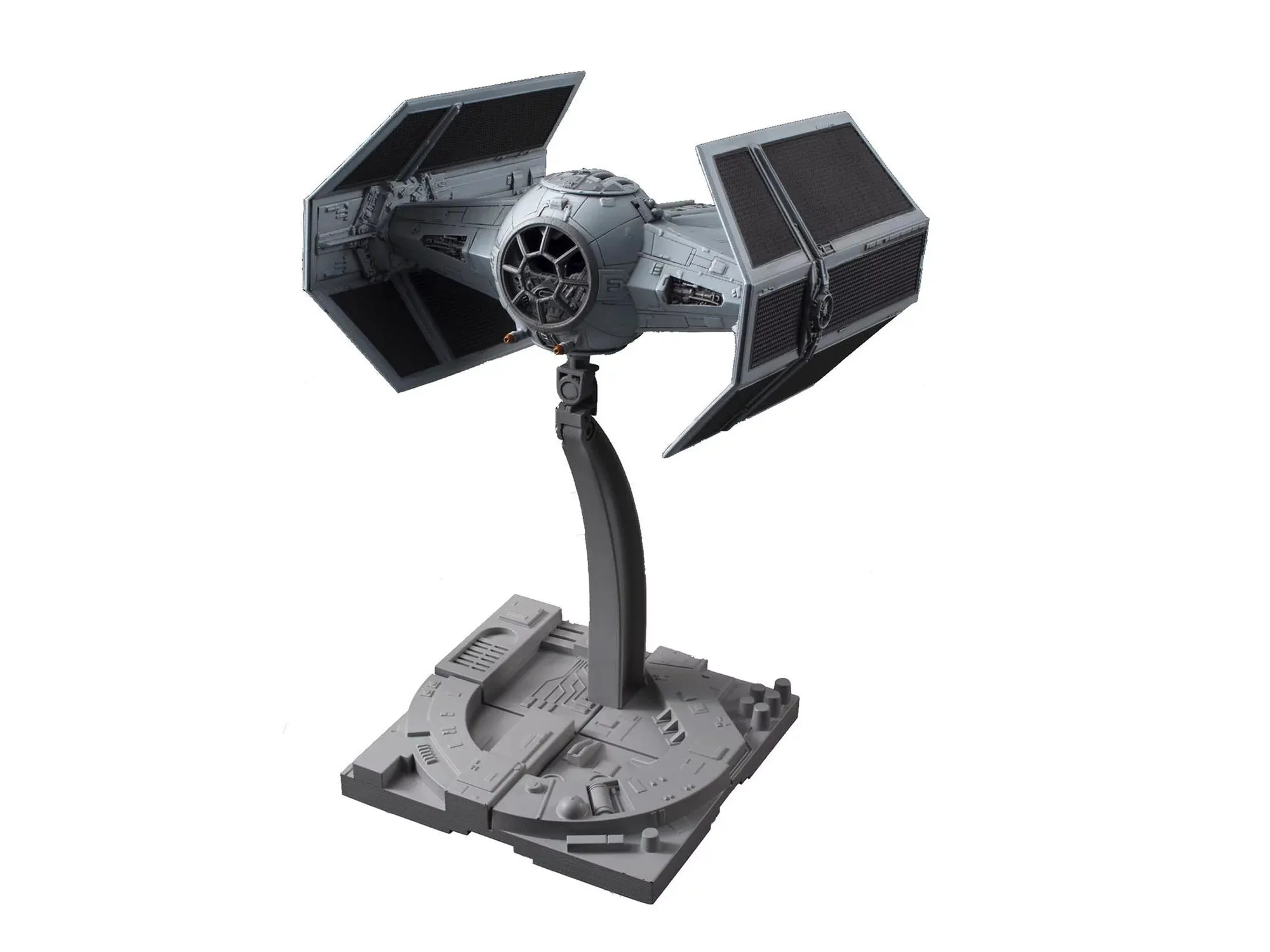
BANDAI TIE Advanced
The BANDAI TIE Advanced and Revell Star Wars kits both put a TIE Advanced on your shelf, but they ask for different habits at the bench. One leans on modern snap-fit engineering; the other follows the classic glue-and-paint approach many modelers grew up with.
This comparison sticks to what the kits actually demand from you: tools, assembly method, and the skill level each one suits. It also covers the trade-offs so you can match the kit to your experience, your workspace, and the finish you want.
Snap-fit vs glue: what changes at the bench
Snap-fit kits are designed so parts locate and hold each other through molded pins and sockets, so no adhesive is needed for the main assembly. That removes clamping, drying time, and the risk of glue fogging clear parts. The trade-off is that fit depends on clean parts: mold seams, sprue nubs, and flash can stop joints from seating fully, so a sharp hobby knife and a little patience matter more than glue.
Glue-based kits join parts with solvent cement, which welds plastic together and lets you adjust seams before they set. That gives you more control over filling gaps and blending joints, but it also means longer assembly sessions, ventilation, and the chance of a weak or misaligned bond if you rush. Neither method is better in the abstract; they suit different levels of patience and different finishing goals.
- For snap-fit, dry-fit every joint before pushing parts home, and trim sprue nubs flush with a sharp blade.
- For glued builds, work in small sub-assemblies so seams stay accessible while the cement is still soft.
Skill level: which kit suits which modeler
A snap-fit TIE Advanced is generally the friendlier starting point for a first or second build because the kit itself guides alignment. You still need to clean parts and follow the sequence, but you are not juggling cement, clamps, and drying times. That makes it a good fit for younger builders working with supervision or adults returning to the hobby after years away.
A glued Star Wars kit rewards modelers who already know how to handle cement, control seam lines, and plan a paint schedule. If you have built a few kits and want to develop filling and finishing skills, the glue route teaches those faster. If you have never used solvent cement, start with a snap-fit kit and add a dedicated hobby knife to your toolbox first.
- Beginner: snap-fit kit, side cutters or a hobby knife, and a clean, well-lit tray.
- Intermediate: glued kit, cement, sanding sticks, and a paint plan for the hull and cockpit.
Tools, paint, and finishing differences
Snap-fit builds can be assembled and displayed without paint, but they still benefit from a dark wash or a light dry-brush to bring out panel lines. If you do paint, airbrushing gives the smoothest result on large flat panels, while brush painting works fine for small details. Glued kits usually expect paint because cement seams and sprue marks need covering, and the plastic color is often just a base.
The finishing gap is where the two approaches diverge most. Snap-fit kits let you stop at assembly and still have a clean model. Glued kits push you toward filling, sanding, priming, and painting to hide the construction. That is more work, but it also means more chances to customize the finish, weather the hull, or match a specific on-screen look.
- Keep a dedicated hobby knife with a fresh blade for trimming snap-fit pins and cleaning glued seams.
- If you plan to airbrush, practice on scrap plastic first so you do not learn on a finished hull.
Where each kit fits in a collection
Because both kits represent the same ship, the choice often comes down to how you want the model to live on the shelf. A snap-fit build is easy to disassemble for touch-ups or transport, which suits builders who move kits between rooms or take them to club meetings. A glued build is more permanent, so it suits a fixed display spot where the model will not be handled.
Scale and part count also shape the experience, but those figures vary by specific release, so check the box or product page for the exact kit you are considering. Do not assume a smaller scale means fewer parts or an easier build; part count and engineering matter more than size alone.
- If you might repaint or upgrade later, favor a snap-fit kit for easier access to interior parts.
- If you want a single permanent display piece, a glued build gives you a more seamless result.
Trade-offs to weigh before you buy
- Assembly method: Snap-fit saves time and avoids cement fumes, but fit depends on clean parts. Glue gives stronger, adjustable joints but adds drying time and ventilation needs. Pick snap-fit for speed and low mess; pick glue for control and a seamless finish.
- Skill and tooling: Snap-fit needs only a sharp knife and side cutters to start. Glued kits add cement, clamps, sanding sticks, and usually paint to hide seams. Count your existing tools honestly before choosing the harder route.
- Finish ceiling: Snap-fit can look good unpainted but rewards extra work. Glued kits almost demand filling, priming, and painting to look their best. Decide whether you want a quick clean build or a longer finishing project.
- Reversibility: Snap-fit parts can often be separated for touch-ups or upgrades. Glued joints are permanent once the cement sets. Choose snap-fit if you like to revisit and improve your builds.
Product facts that matter for this comparison
- Revell "Model Cut" Hobby Knife w/Breakoff Blade: Model building hobby knife with a breakoff blade, stable design, and a metal blade guide for precise cutting; standard option, SKU 290009090. This is the one tool that helps with both routes: trimming snap-fit pins on a BANDAI-style build and cleaning sprue nubs and seams on a glued Revell kit.
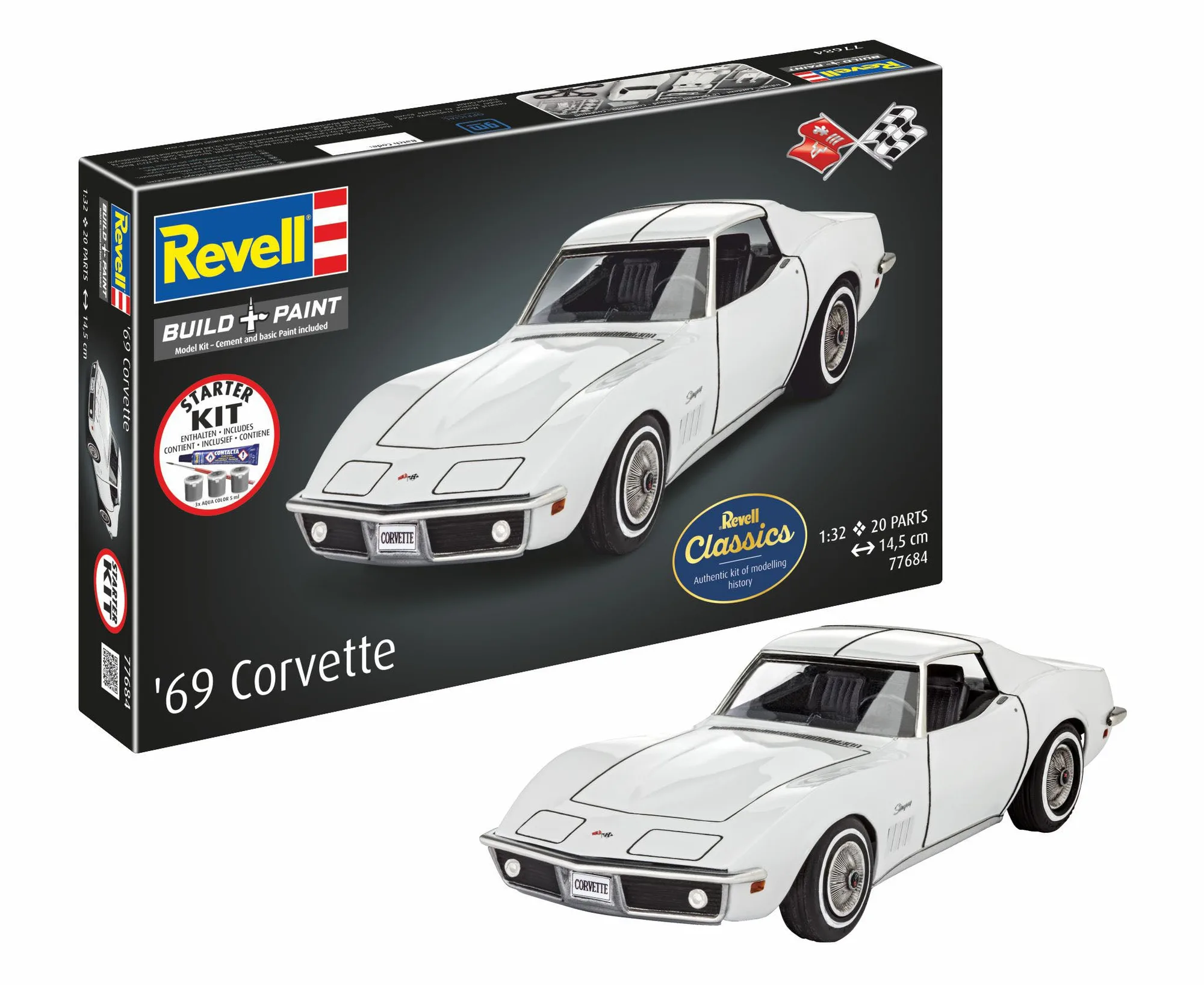
- Starter kit Corvette C3: A starter model kit positioned as everything needed for a successful start in model building, aimed at first experiences or automobile fans. If you are new to the hobby and unsure about committing to a Star Wars kit, a starter set is a low-risk way to practice parts cleanup and assembly before choosing between snap-fit and glue.
Which should you choose?
Best for
- First-time or returning modelers who want to assemble without glue
- Builders who prefer a quick, clean build with optional painting
- Anyone who wants to disassemble parts later for touch-ups or upgrades
Not for
- Modelers who specifically enjoy solvent cement, filling, and seam work
- Builders who want a permanent, seamless display piece without snap-fit joints
- Anyone unwilling to clean parts carefully before assembly
Both a BANDAI TIE Advanced and a Revell Star Wars kit can deliver a sharp TIE Advanced on your shelf. Match the kit to the experience you want: snap-fit for a fast, glue-free build with a clean finish, or glue for a traditional, hands-on project with more room to refine seams and paint.