Quick answer
For most toddlers, start with the Banwood Trike Vintage. Its three-wheel pedal-and-go design and 2–5 age range make it the easiest first ride-on, and pedaling builds leg strength and coordination. The Banwood Maxi Scooter suits slightly older kids, roughly 3–8, who already balance and steer well; its lean-to-steer system is less forgiving but adds years of use and a faster, more active ride.
Your toddler is ready for a first ride-on, and the choice comes down to two very different machines: a pedal trike or a 3-wheel scooter. Both are stable, both are fun, but they ask for different skills and fit different ages. The Banwood Trike Vintage and the Banwood Maxi Scooter are the two options most parents weigh, so it helps to see exactly where each one shines.
This comparison sticks to what the catalog actually tells us. We will look at age fit, how each ride-on moves, what skill it builds, and the trade-offs you accept with either pick. By the end you will know which one to buy first, and whether you will eventually want both.
How each ride-on actually moves
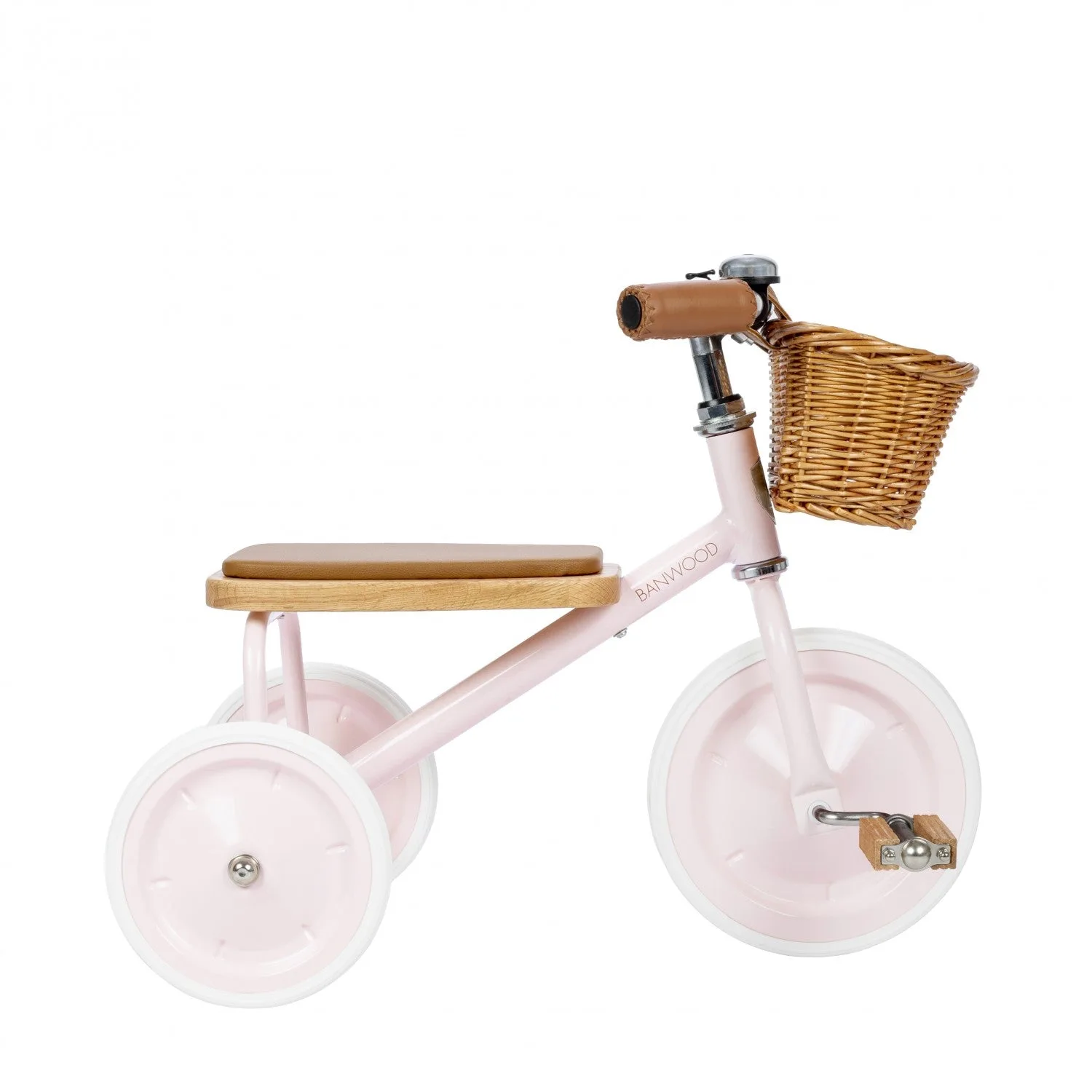
The Banwood Trike Vintage is a pedal trike. Your child sits on a padded saddle, grips the rubber handles, and pushes the pedals to go. There is no balancing to learn and no steering technique to master beyond turning the front wheel. That simplicity is the point: a toddler can climb on and move within minutes, and the three-wheel base stays planted even when they stop mid-push.
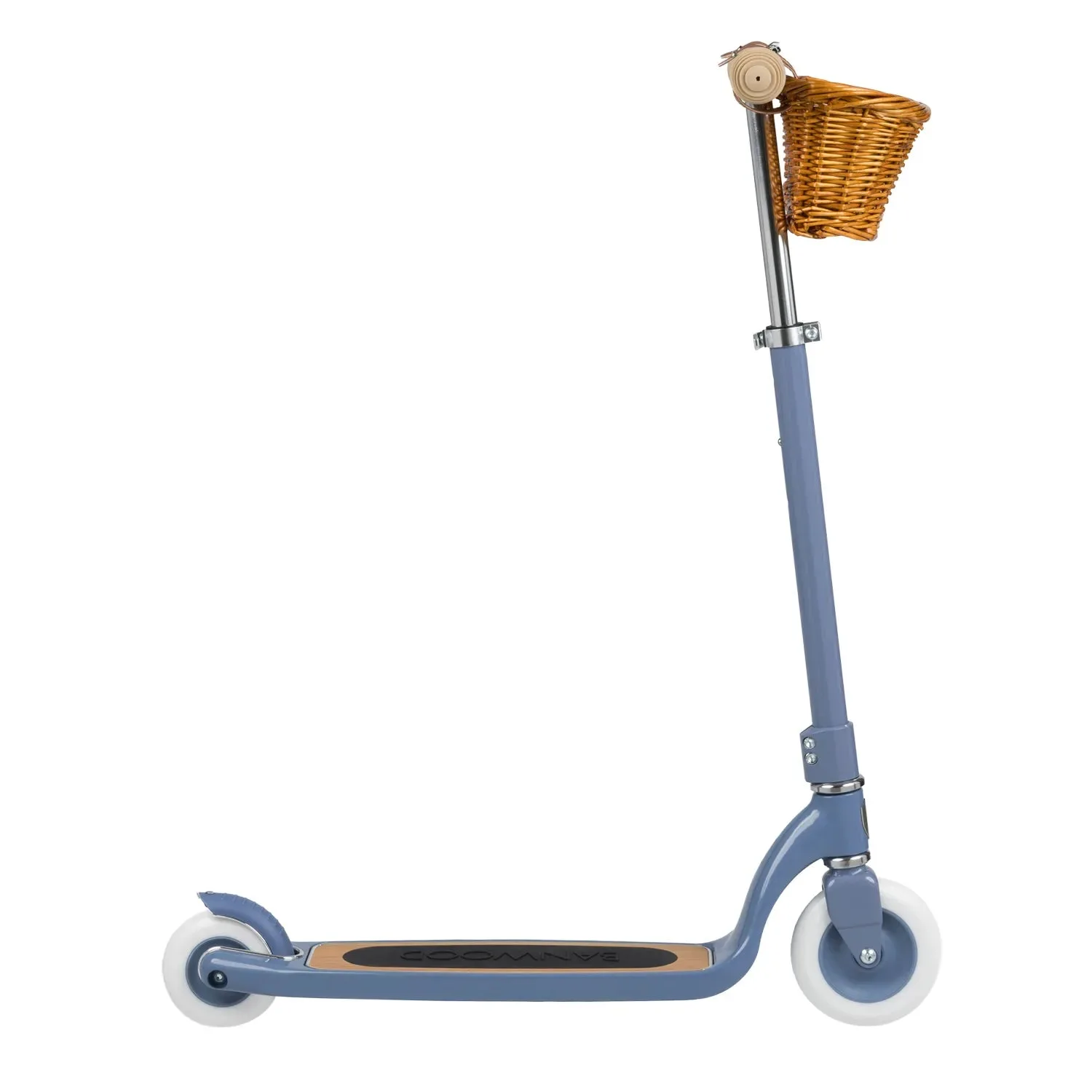
The Banwood Maxi Scooter works differently. It uses three lean-to-steer wheels, which means your child shifts their weight to turn rather than rotating handlebars. That is a more advanced skill, and it is why the scooter is aimed at ages 3–8 instead of 2–5. Once learned, though, lean-to-steer feels natural and lets kids carve smoother turns at higher speeds.
- If your child still needs help climbing onto a seat, the trike is the easier starting point.
- If your child already runs, jumps, and shifts weight confidently, the scooter's steering will click faster.
Age fit and how long each one lasts
The trike's stated range is 2–5 years. That covers the earliest riding years, when a child is learning to push pedals and steer at the same time. Many families find the trike gets outgrown once a child wants more speed or sees older kids on two wheels. At that point it often becomes a hand-me-down for a younger sibling rather than a dead end.
The Maxi Scooter's stated range is 3–8 years, and its adjustable T-bar handlebar grows with the rider. That longer window is the scooter's biggest practical advantage: one purchase can cover preschool through early elementary. The trade-off is that a 2-year-old is below the intended age, so the scooter is not the right first ride-on for the youngest toddlers.
- Buy the trike first if your child is 2 or newly 3 and has never ridden anything.
- Buy the scooter first if your child is 4 or older and already comfortable on ride-ons.
What each one teaches
The trike teaches pedaling, steering, and the basic idea that your body makes the vehicle go. Those are foundational skills, and they transfer later to a pedal bike. Because the trike does not require balance, it removes one challenge at a time, which is exactly what a 2-year-old needs.
The scooter teaches weight transfer and lean-to-steer, which is closer to the balance and body-awareness used on a balance bike or bicycle. It also gets kids moving faster, which builds confidence and stamina. The trade-off is a steeper learning curve: a child who cannot yet shift weight smoothly may feel wobbly at first.
- Pair the trike with a balance bike later if you want a smooth path to a pedal bike.
- The scooter is a good standalone choice for a child who wants speed and independence now.
Stability, storage, and daily use
Both ride-ons use three wheels, so both are stable at rest. The difference shows up in motion. The trike stays upright through uneven pushes and slow turns, which makes it forgiving on sidewalks and driveways. The scooter's lean-to-steer rewards smooth input and can feel tippy to a beginner, especially on slopes.
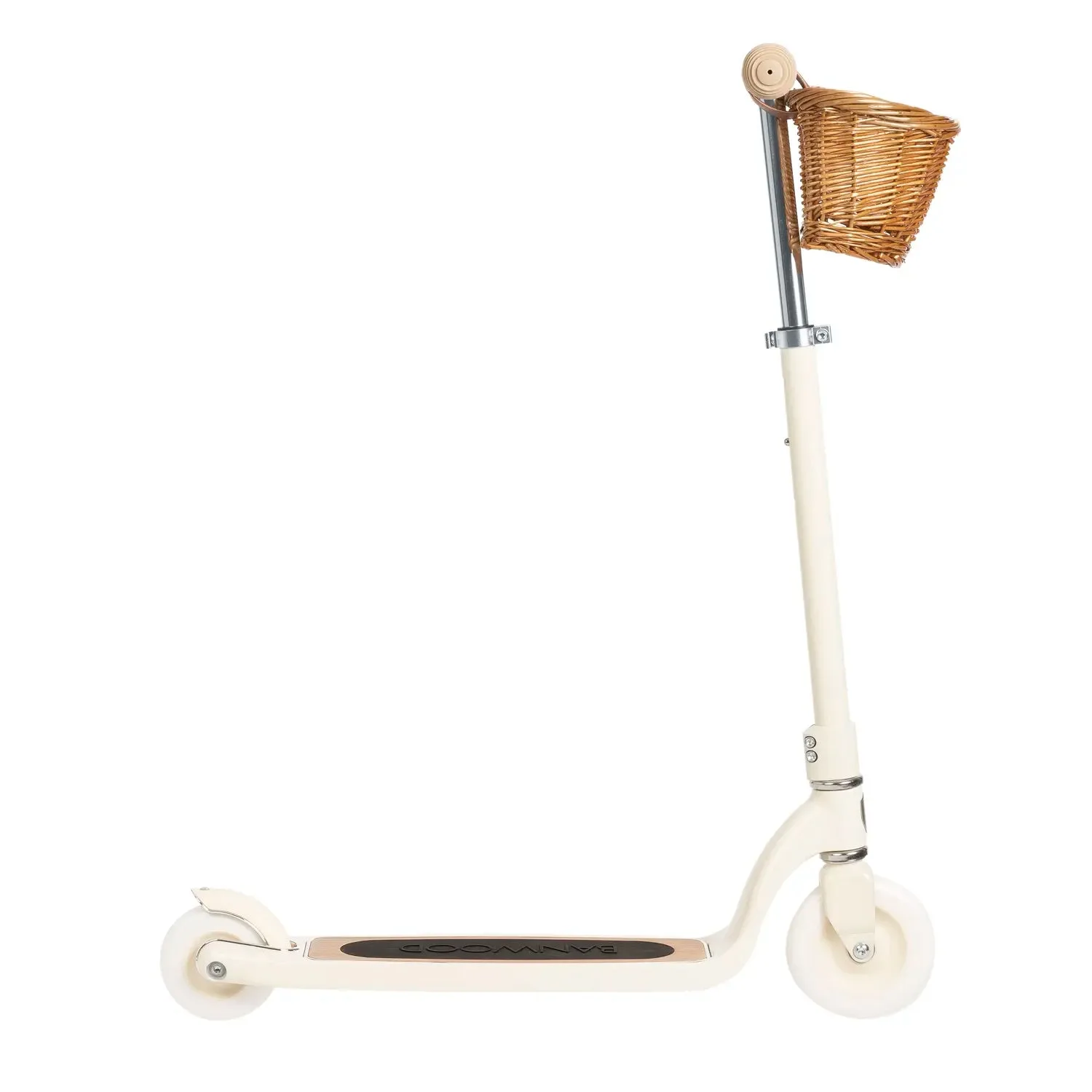
For storage, the trike is bulkier and takes more floor space. The Maxi Scooter folds down smaller in most homes and is easier to carry or tuck into a car trunk. If you plan to take the ride-on to parks or on trips, the scooter's portability is a real advantage. If it will mostly live in the driveway, the trike's footprint is a minor issue.
- Measure your storage spot before buying if space is tight.
- For park trips, the scooter's lighter, more compact form is easier to manage.
Trade-offs to weigh before you buy
- Easiest first ride vs longer useful life: The trike is simpler for a 2-year-old but is outgrown around age 5. The scooter asks for more skill but serves ages 3-8. Choose the trike for the youngest riders; choose the scooter if you want one purchase to last longer.
- Pedal power vs lean-to-steer skill: The trike teaches pedaling and steering separately. The scooter teaches weight transfer, which is closer to bicycle balance. If your goal is a smooth path to a pedal bike, the trike plus a later balance bike works well.
- Stable at rest vs portable in motion: Both have three wheels, but the trike is bulkier to store while the scooter is more compact and easier to carry. Pick based on where the ride-on will live and how often it travels with you.
Catalog facts that matter
- BANWOOD TRIKE VINTAGE - PINK: Designed for toddlers aged 2-5, it pairs a powder-coated steel frame and padded saddle with pedal-and-go simplicity and three-wheel stability. This is the youngest-friendly option and the easiest introduction to pedaling, so it fits a 2-year-old who has never ridden before.
- BANWOOD MAXI SCOOTER VINTAGE - BLUE: Built for ages 3-8 with three lean-to-steer wheels and an adjustable T-bar handlebar that grows with the rider. The longer age range and adjustable bar mean one purchase can last several years, but the steering skill is harder for a 2-year-old.
- BANWOOD MAXI SCOOTER VINTAGE - CREAM: Crafted in Denmark with an aluminium deck, weather-resistant powder-coated steel, and PU LED light-up wheels. The light-up wheels add visibility and fun for older riders, and the weather-resistant build suits outdoor use across seasons.
Which one should you buy?
Best for
- A 2-year-old or newly 3-year-old who has never used a ride-on and needs the simplest start.
- Families who want pedaling practice and a stable, sit-down ride for the driveway or sidewalk.
- Parents who plan to pass the ride-on down to a younger sibling later.
Not for
- A child 4 or older who already rides confidently and will outgrow the trike quickly.
- Families who need a compact ride-on that folds or travels easily.
- Kids who want speed and lean-to-steer carving from the start.
If your toddler is 2 or newly 3, the Banwood Trike Vintage is the safer, simpler first ride-on and the one that builds pedaling confidence. If your child is 3 or older and already steady on their feet, the Banwood Maxi Scooter gives you more years of use and a more active ride. Either way, match the ride-on to your child's current skills, not the age on the box, and you will both enjoy the first rides more.