Quick Answer
Choose a professional barber jacket when you want full torso and arm coverage that keeps hair off your clothes and looks sharp for client-facing work. Choose a barber apron when you need quick tool access, better airflow during long hot shifts, and less fabric around your shoulders. Many barbers keep both and switch by season, service type, or how much clipper and glove work the day demands.
What Actually Separates a Jacket From an Apron
A barber jacket covers shoulders, chest, and arms, so it blocks hair splinters and clippings from reaching your shirt and forearms. An apron typically covers the front of your torso and lap, leaving arms and back exposed, which keeps you cooler but leaves more skin and clothing open to stray hair.
The practical difference shows up in three places: how much you reach into pockets, how often you wash the garment, and how hot you run mid-shift. Jackets usually have chest or side pockets, while aprons often use front pockets or loops that sit closer to your hands. Neither is automatically better; the right pick depends on whether coverage or access matters more during your average service.
Coverage, Airflow, and Tool Access Compared
Coverage favors the jacket. Full sleeves and a closed front mean fewer hair splinters against your skin, which matters if you cut a lot of short, spiky, or freshly washed hair that flies. Airflow favors the apron, because less fabric sits against your torso and neck during back-to-back appointments.
Tool access is a wash until you test it. If you keep clippers in a holster or on a station mat, an apron with front pockets keeps them within reach. If you carry combs, clips, and a foil shaver on your person, a jacket with structured pockets keeps weight distributed across your chest and waist instead of pulling at your neck.
Glove use changes the math too. Powder-free disposable gloves like FLEX - Professional Latex Gloves - 100 Count protect against hair splinters, cuts, and minor abrasions, and they pair with either garment. If you wear gloves for every client, you may not need full sleeve coverage, which makes an apron more comfortable for long days.
How to Choose for Your Chair and Your Clientele
Match the garment to the service mix. If you do a lot of precision lineups, beard work, and foil shaving, you are leaning close to the client's face and neck, so a jacket keeps loose hair off your forearms. If you do mostly scissor cuts and styling, an apron gives you room to move and keeps you cooler.
Think about your shop's dress code and client expectations. A professional barber jacket reads as a uniform and can make a chair look more polished in photos and walk-in traffic. A barber apron can look equally intentional, especially in shops with a craft or vintage feel, but it exposes more of whatever you wear underneath.
Plan for laundry. Jackets need more frequent washing because they absorb more hair and product. Aprons can go longer between washes if you spot-clean them, but check the care label before you assume either is machine-friendly.
Trade-Offs to Weigh Before You Buy
- Coverage vs. airflow: A jacket blocks more hair from your skin and clothes, but traps more heat. An apron breathes better but leaves arms and back exposed. Pick the jacket if splinters and clippings bother you most; pick the apron if you overheat during back-to-back cuts.
- Pocket layout vs. weight distribution: Apron pockets sit low and close to your hands for fast access. Jacket pockets spread weight across your torso, which can feel better if you carry several tools. Test with your actual loadout, not an empty garment, before you commit.
- Uniform look vs. layering freedom: A jacket gives a consistent, professional silhouette with little styling effort. An apron lets you wear your own shirt underneath and change your look by season. Check your shop's dress code and client expectations first, then choose the garment that fits the room.
Barber Tools That Pair With Either Garment
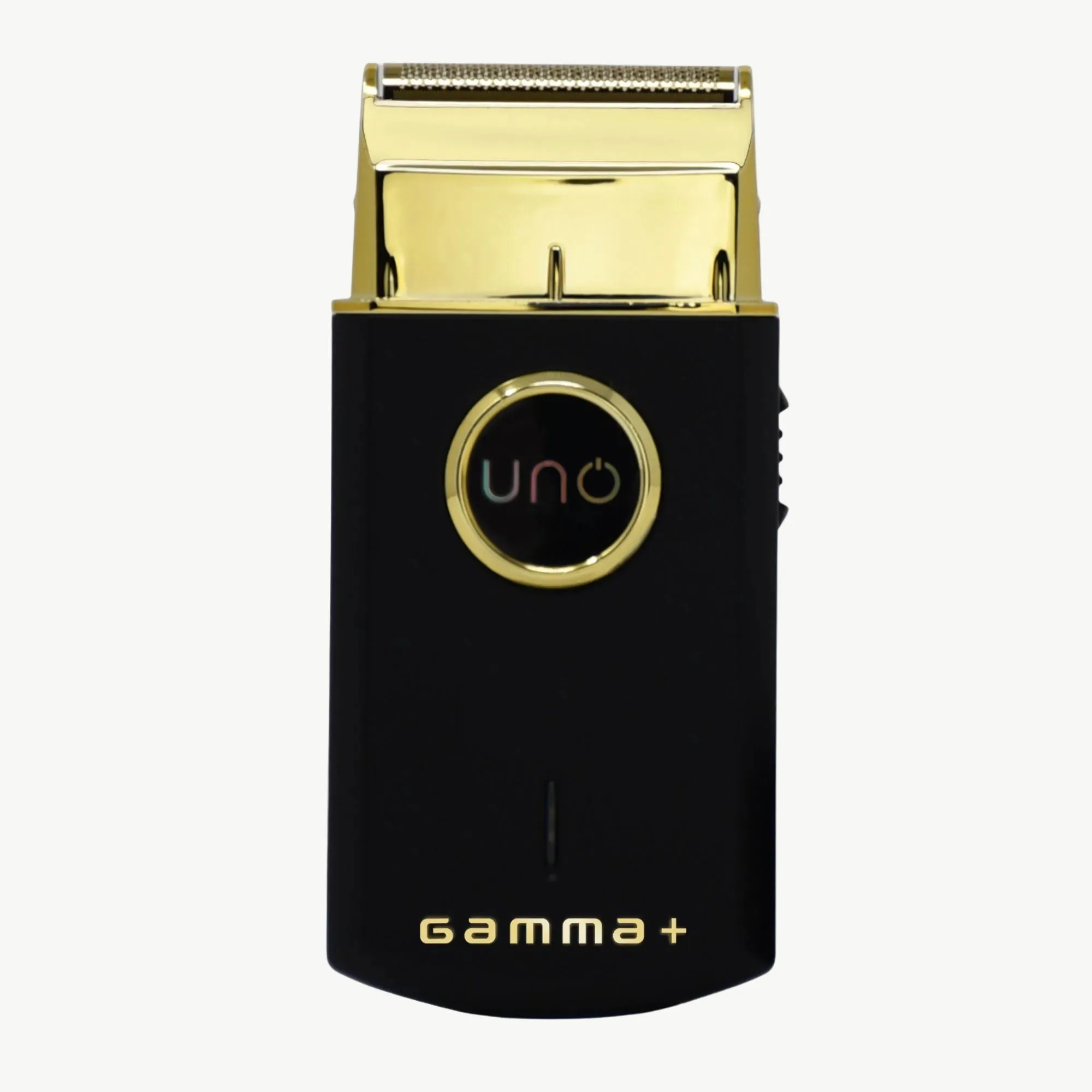
- Uno Professional Single Foil Shaver: The Uno Professional Single Foil Shaver uses a turbocharged motor that runs up to 9,000 RPM and ultra-thin gold titanium foils for a close shave in hard-to-reach areas. A small, powerful foil shaver is easy to keep at your station whether you wear a jacket or an apron, and it handles the neck and beard detail work that creates the most loose hair.
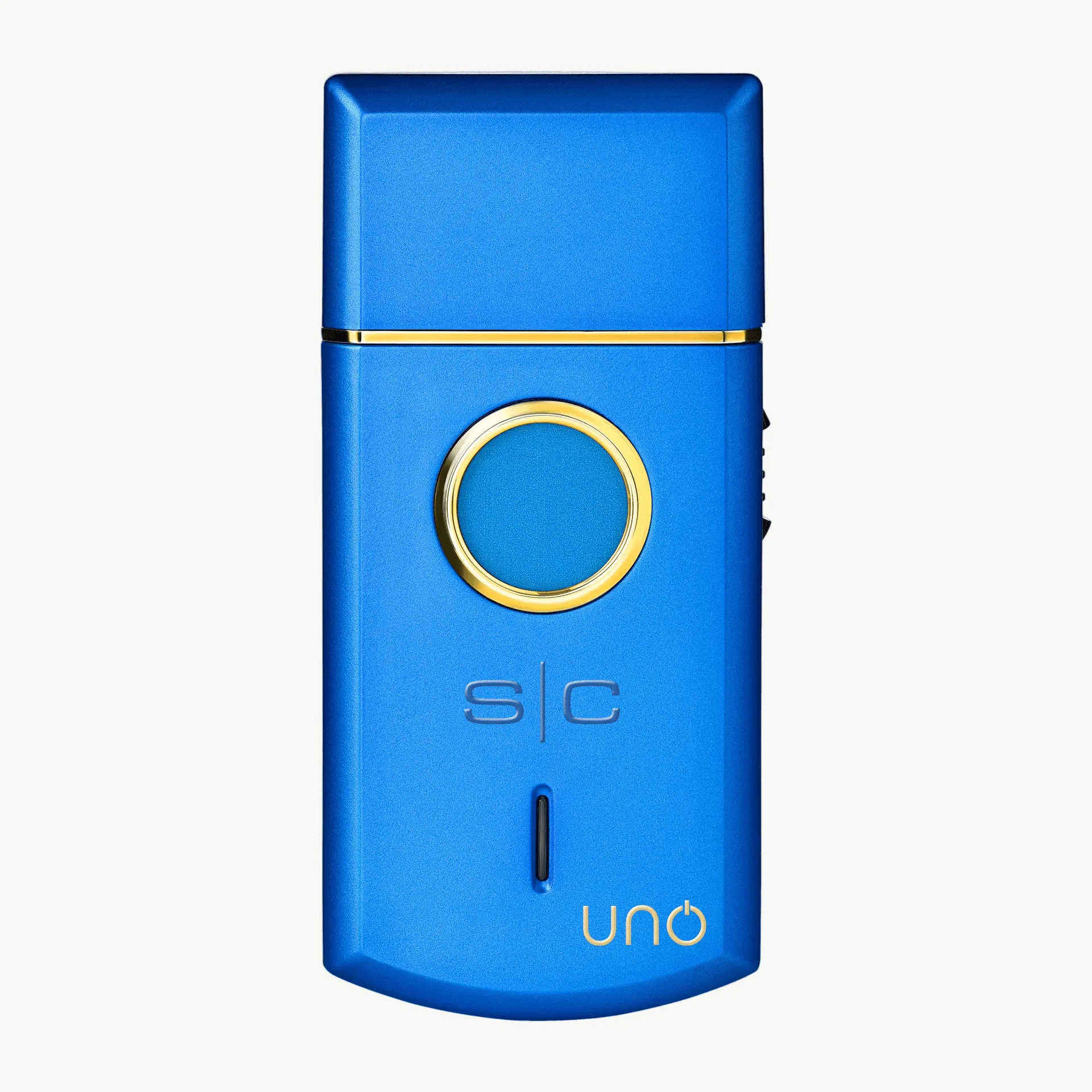
Uno Professional Single Foil Shaver
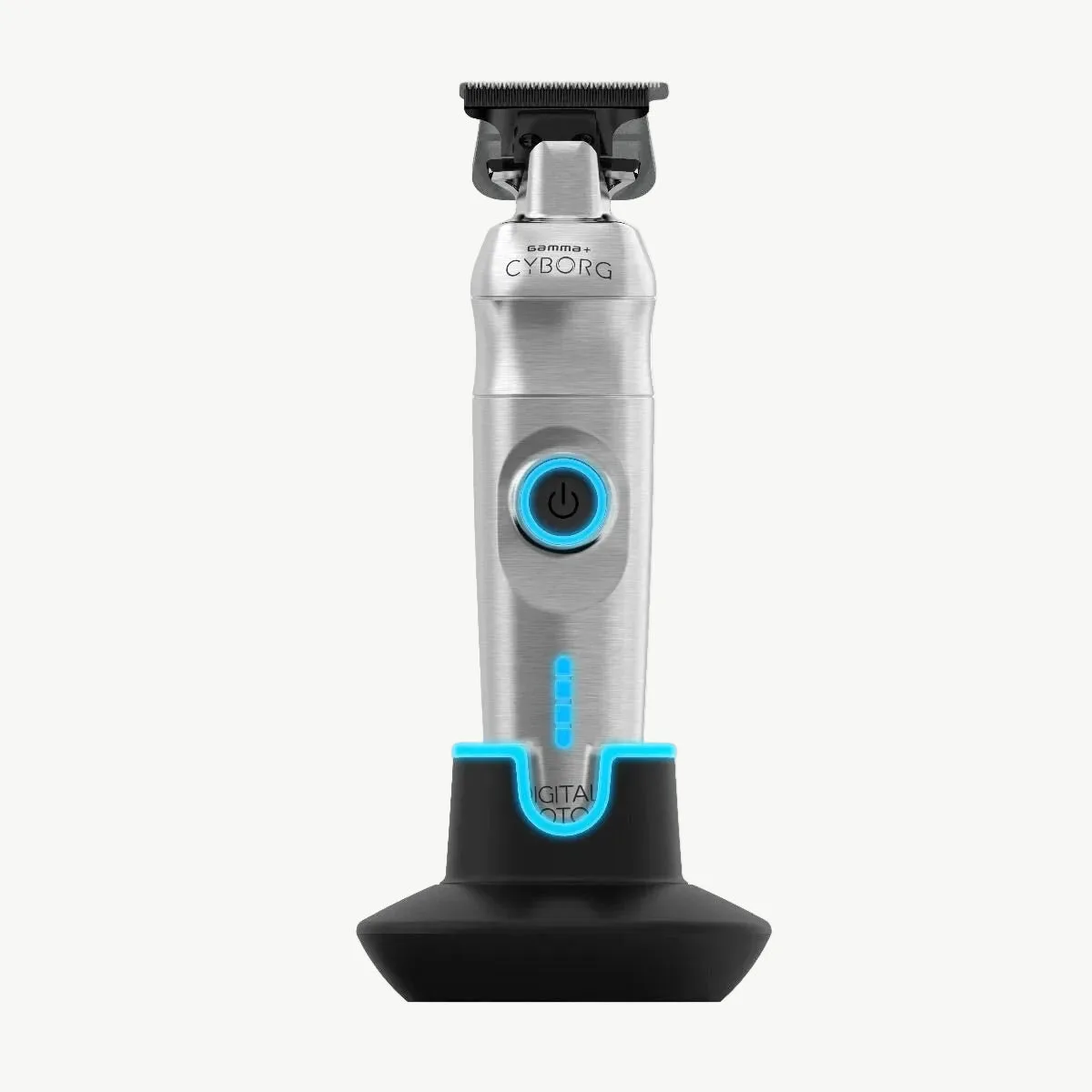
- Cyborg Professional Metal Hair Trimmer: The Cyborg Professional Metal Hair Trimmer has a digital brushless motor with high torque density and low vibrations, plus reduced heat. Lower vibration and heat make long shifts more comfortable, and a trimmer that runs cooler is less likely to make you overheat if you choose a full-coverage jacket.
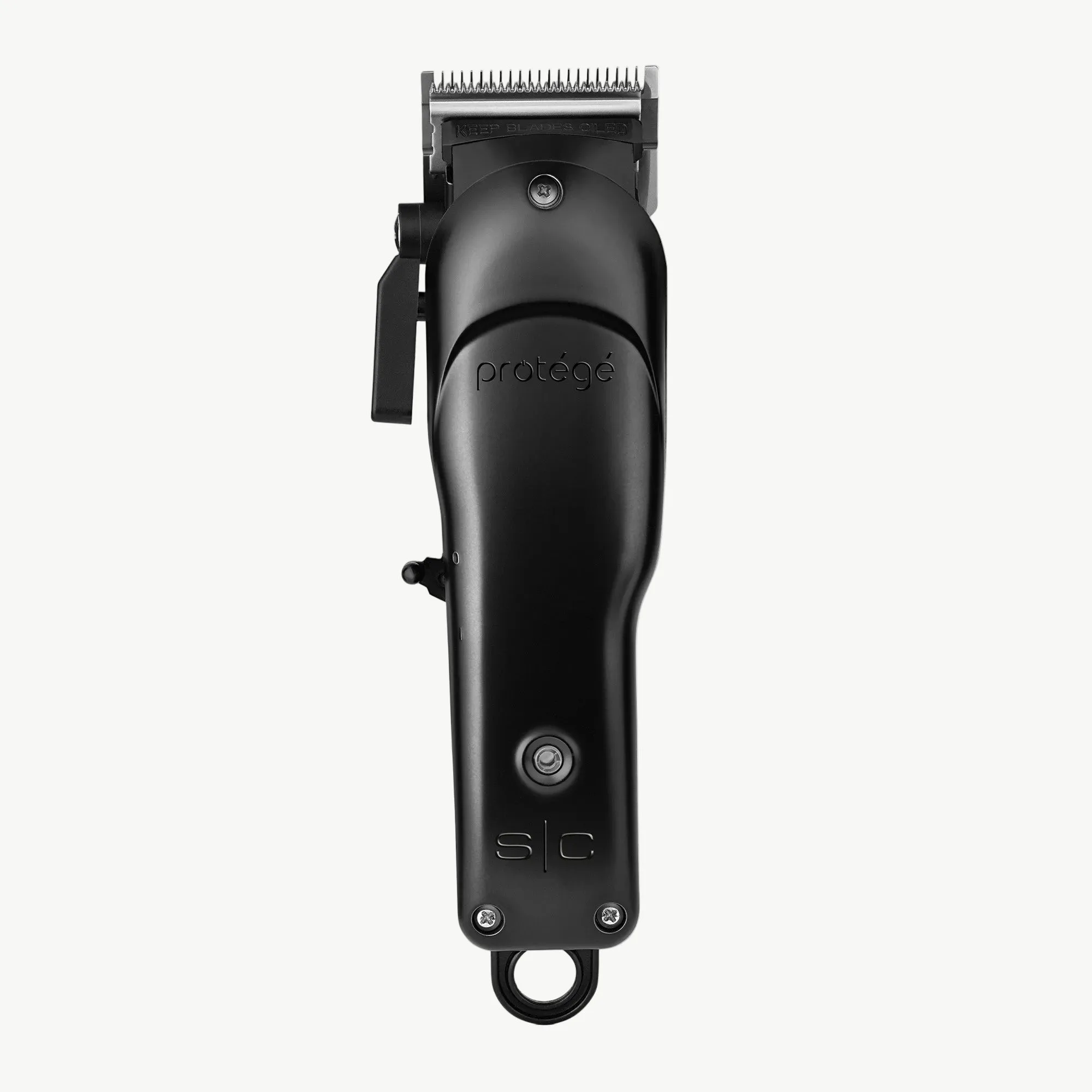
- Protégé Professional Hair Clipper: The Protégé Professional Hair Clipper runs on a rotary motor up to 7,000 RPM with magnetic guards, a universal modification bracket, and a lithium-ion battery delivering up to 240 minutes of run-time. Long battery life and magnetic guards mean fewer trips to the charger, so your workwear choice should support the way you move between clients rather than slow you down.
- FLEX - Professional Latex Gloves - 100 Count: FLEX - Professional Latex Gloves - 100 Count are powder-free, tear-resistant natural latex gloves that protect against hair splinters, cuts, and minor abrasions. If you glove up for every client, you already have a barrier on your hands, which can make an apron's lighter coverage a practical choice instead of a compromise.
Which Should You Wear?
Best for
- Barbers who do close detail work like lineups, beard trims, and foil shaving and want full torso and arm coverage
- Shops with a formal or uniform dress code where a professional barber jacket fits the client-facing look
- Barbers who carry multiple tools on their person and prefer weight spread across chest and waist pockets
Not for
- Barbers who run hot during long shifts and need maximum airflow around the torso and neck
- Barbers who want quick, low-effort access to tools in front pockets without reaching across a closed front
- Anyone who prefers to layer their own shirts and change their look by season rather than wear a fixed uniform